
Repair Methods guides
Piers, mudjacking, carbon fibre, wall anchors and slab lifting: how each works and when it is specified.
Repair methods, and when each is specified
Foundation repair is not one trade. It is a set of methods that solve different failures: a settled footing needs a pier, a settled slab needs lifting, a bowing wall needs restraint, and a wet crawl space needs drainage. The most common expensive mistake is buying wall anchors for a footing problem, or slab lifting for a structural settle.
| Method | What it does | Specified for | Limit |
|---|---|---|---|
| Push piers | Steel shafts driven to bearing strata, bracket under the footing | Settled footings carrying structure | Needs exterior access; not for slab-only settlement |
| Helical piers | Screwed shafts with helical plates | Lighter loads, unstable or sandy soil, tie-backs | Lower capacity per shaft than push piers |
| Mudjacking | Slurry injected under a slab to fill voids and lift | Settled driveways, garage floors, patios | Heavy; may re-settle; not for structural footings |
| Polyurethane foam | Expanding resin injected under a slab | Slab, pool deck, interior floor lifting | Higher cost per sq ft; limited lift height |
| Carbon fibre straps | Epoxy-bonded straps across a wall crack | Cracked, lightly bowing block walls | Does not push a wall back; cosmetic crack remains |
| Wall anchors | Plates in the soil tied to wall brackets | Bowing walls, with outside access | Excavation; not for slabs |
| Slab lifting | Foam or slurry under an interior slab | Uneven floors, hollow spots | Does not fix the soil that caused it |
Piers: how the choice is made
A push pier is driven down until it reaches bedrock or a stratum with enough capacity, then the weight of the house is transferred onto it. A helical pier is screwed in with a torque motor; the installation torque correlates with capacity, which is why the installer records it. Push piers generally carry more per shaft and are the default for a settled exterior footing on a house with a basement.
The number of piers is an engineering calculation, not a sales decision. A typical rule of thumb is one pier per 6–10 feet of affected wall, plus one at each corner of the settled area. A quote that lists "10 piers" without a plan showing where they go is a price, not a design.
Mudjacking and foam: lifting slabs, not footings
Both methods inject material through small holes in a slab. Mudjacking uses a cementitious slurry and is cheaper per square foot; polyurethane foam is lighter, cures in minutes and can be used where the slab is thin or the subgrade is unstable. Neither addresses the reason the soil moved, so both are maintenance rather than structural repair.
Where a slab is tied to a footing, lifting it without addressing the footing can crack the connection. That is why an engineer will sometimes specify piers first, then slab lifting — not the other way round.
Walls: restraint versus replacement
A horizontal crack in a block wall with slight bowing is a candidate for carbon fibre or anchors. A wall that has moved more than about 2 inches, or is bulging at mid-height, usually needs anchors with excavation and may need rebuilding. Carbon fibre stops movement but does not straighten the wall; any contractor promising a straight wall from straps alone is overselling.
The problems hub maps symptoms to tests, the cost hub carries unit prices, and the foundation types hub explains which failure belongs to which construction type.
Which is better, piers or mudjacking?
They solve different failures. Piers transfer structural load to bearing strata; mudjacking lifts a slab that has settled into a void. If the house structure is moving, piers; if a driveway or garage floor has dropped, lifting.
Do I need an engineer?
For structural work, yes — a stamped letter is what a permit office and a warranty claim will ask for. It costs $400–$1,500 and is cheap insurance against a $20,000 mistake.
How long does foundation repair last?
A properly designed pier system is intended to be permanent, and most carry a transferable lifetime warranty. Slab lifting and mudjacking are maintenance items that may need repeating in 5–15 years.
All repair methods guides
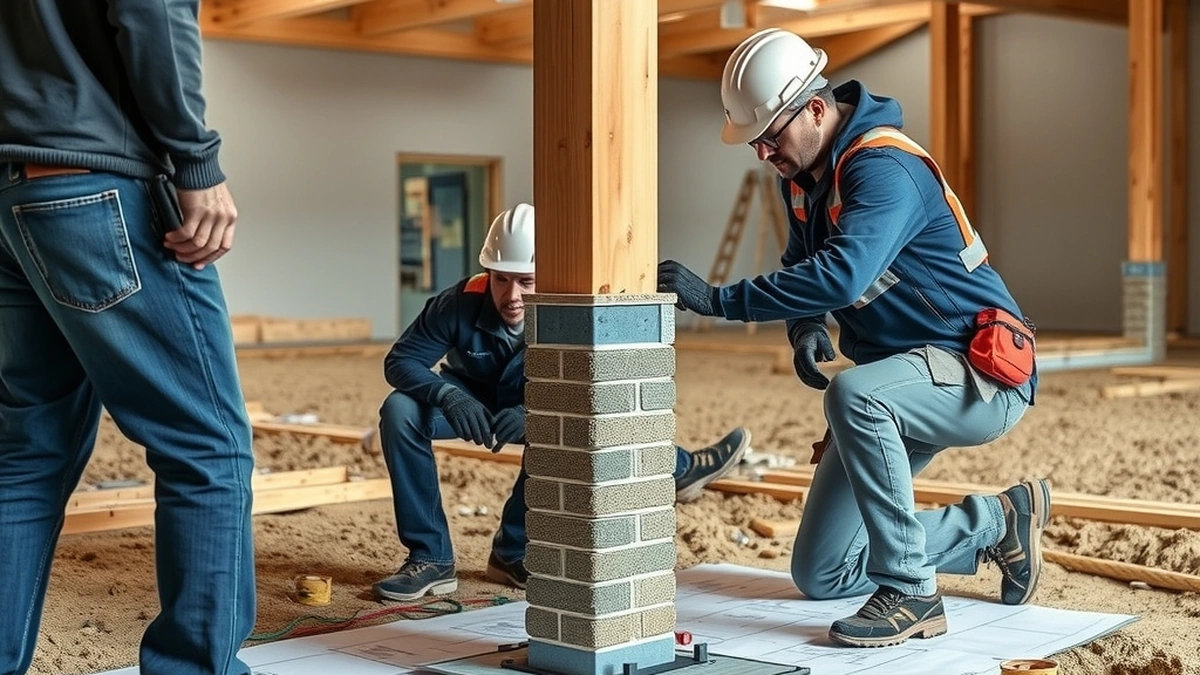
A Best Foundation Repair: What Good Work Looks Like
There is no single best foundation repair, only the right method for the failure. See what separates a proper repair from a cheap one.
Read the guide →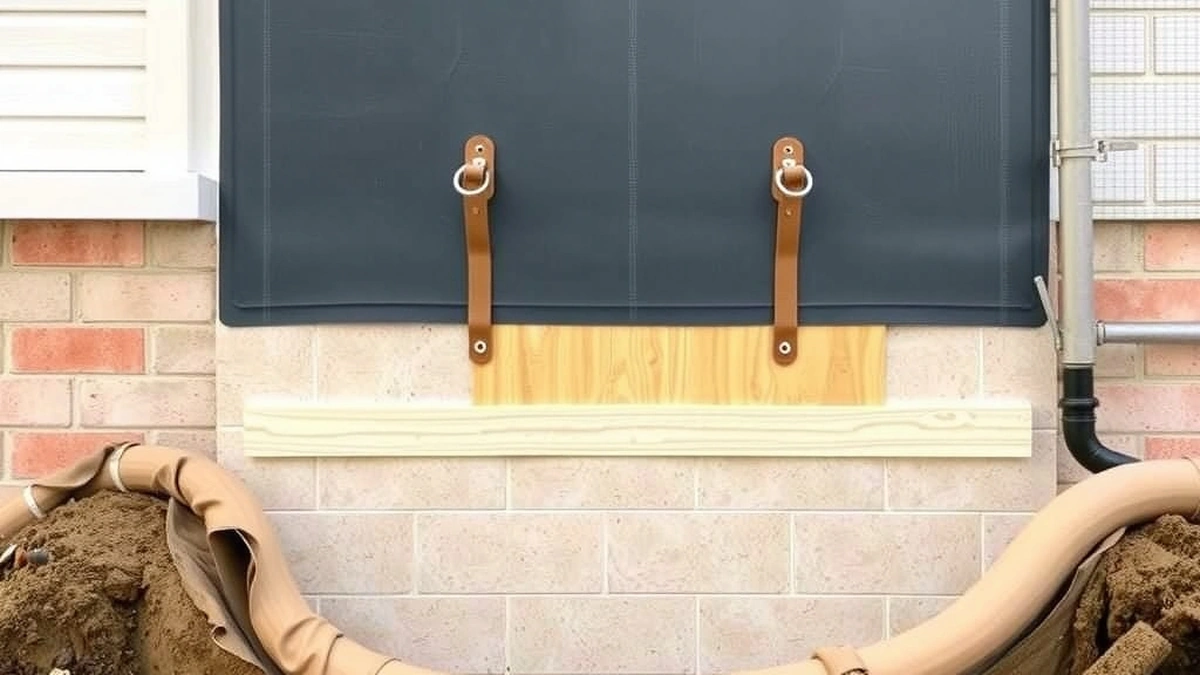
How Basement Waterproofing Works: Exterior vs Interior
Waterproofing stops water at the wall or manages it inside. See the membrane, the drain, the sump, and how each part works together.
Read the guide →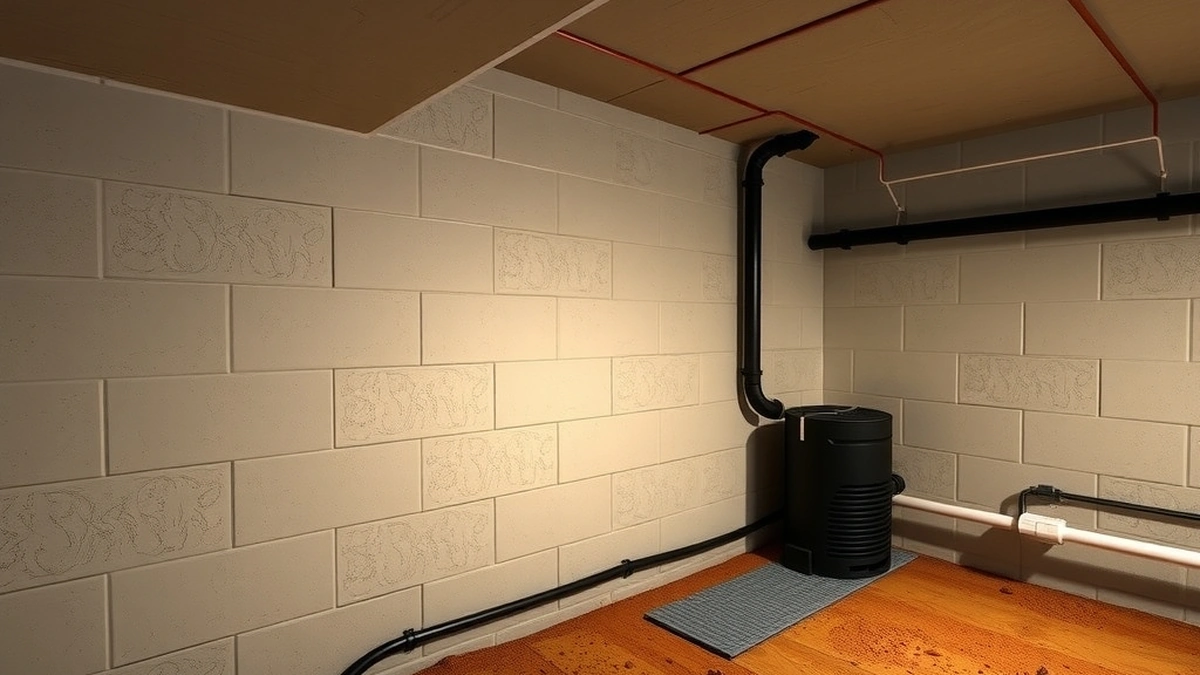
Basement Waterproofing Methods Explained
Compare interior and exterior basement waterproofing methods, costs, and when each applies to foundation moisture problems.
Read the guide →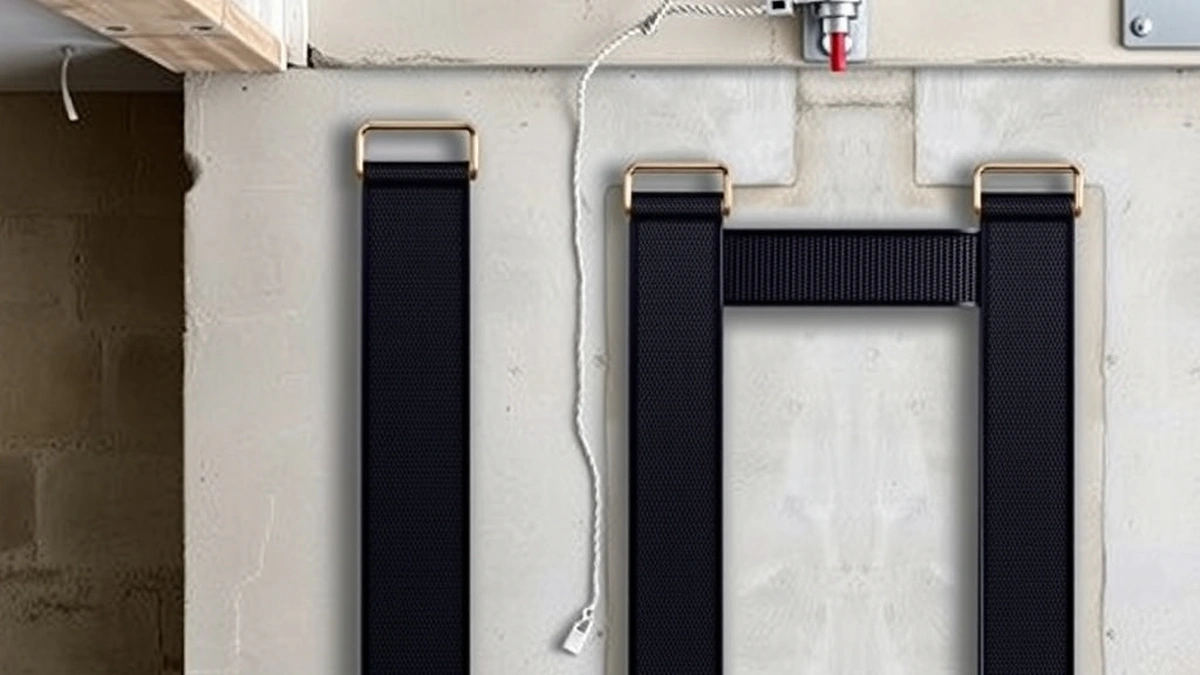
Carbon Fibre vs Steel Straps for Foundation Walls
Compare carbon fibre and steel straps for bowing basement walls, including cost, installation, and when each method applies.
Read the guide →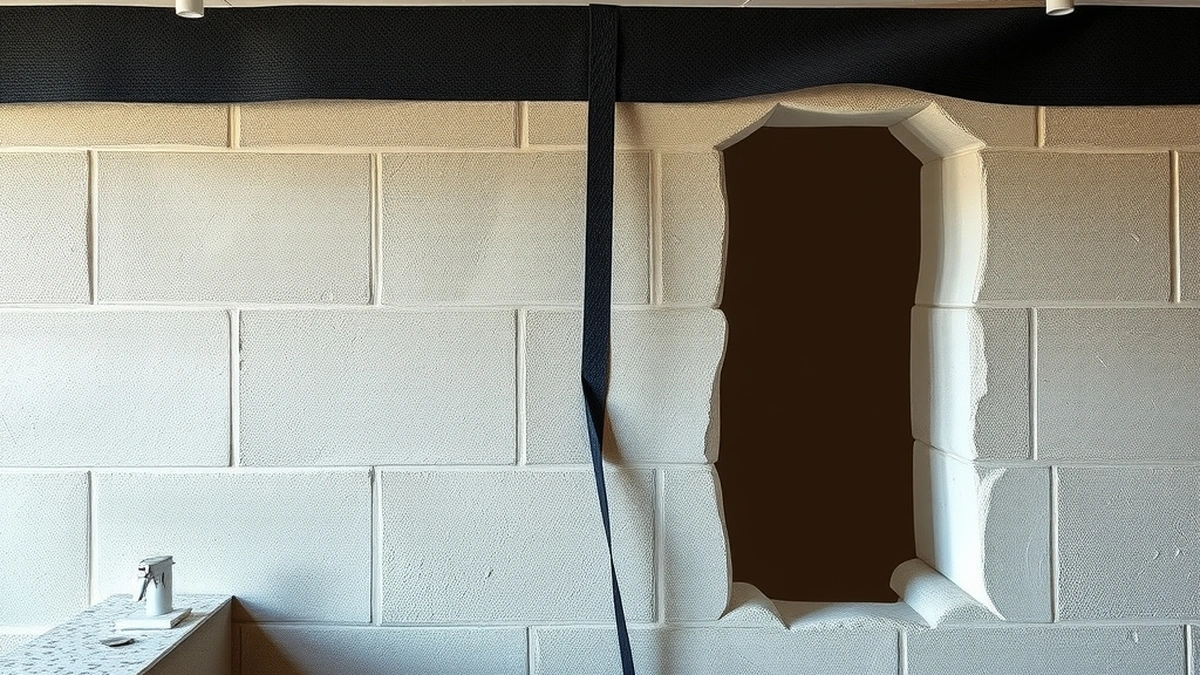
How Carbon Fibre Straps Work on a Bowing Wall
Carbon fibre straps bond to the inside of a wall and carry tension the concrete cannot. See the bond, the anchors, and the limits.
Read the guide →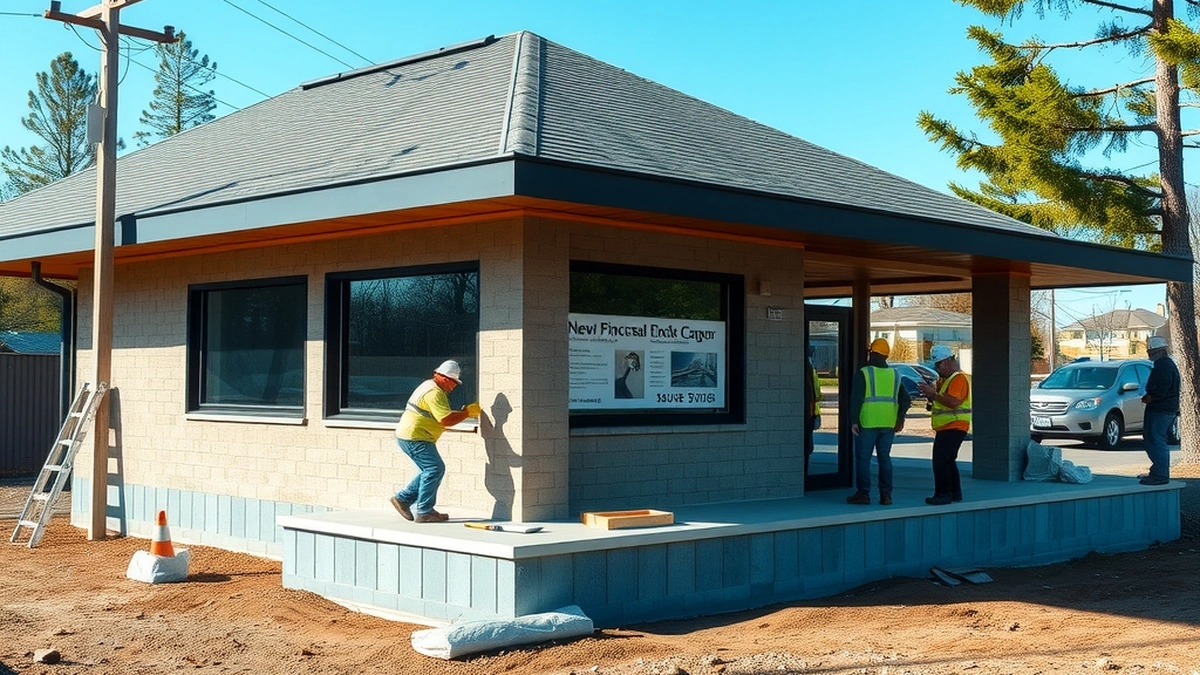
Commercial foundation repair
How commercial foundation repair is diagnosed, priced, phased around tenants, and documented, using the same per-unit pricing as residential work.
Read the guide →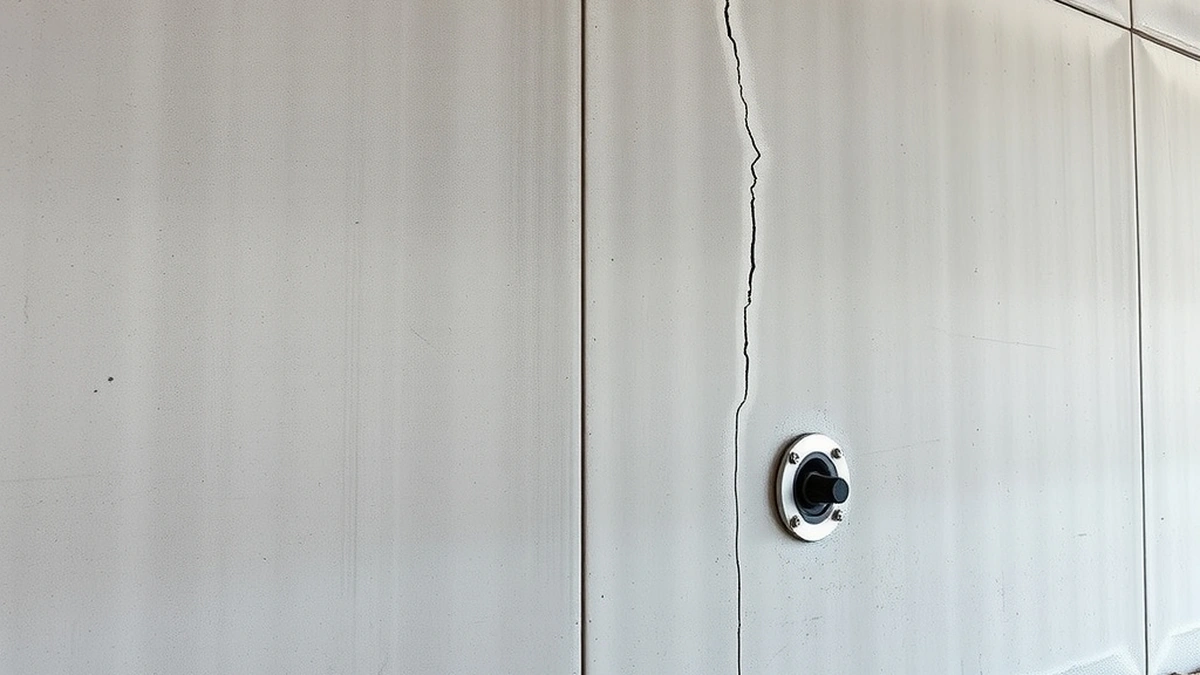
Concrete Foundation Repair: Cracks, Spalling, and Piers
Poured concrete fails in predictable ways: shrinkage cracks, spalling from rebar corrosion, and settlement. Match the repair to the failure.
Read the guide →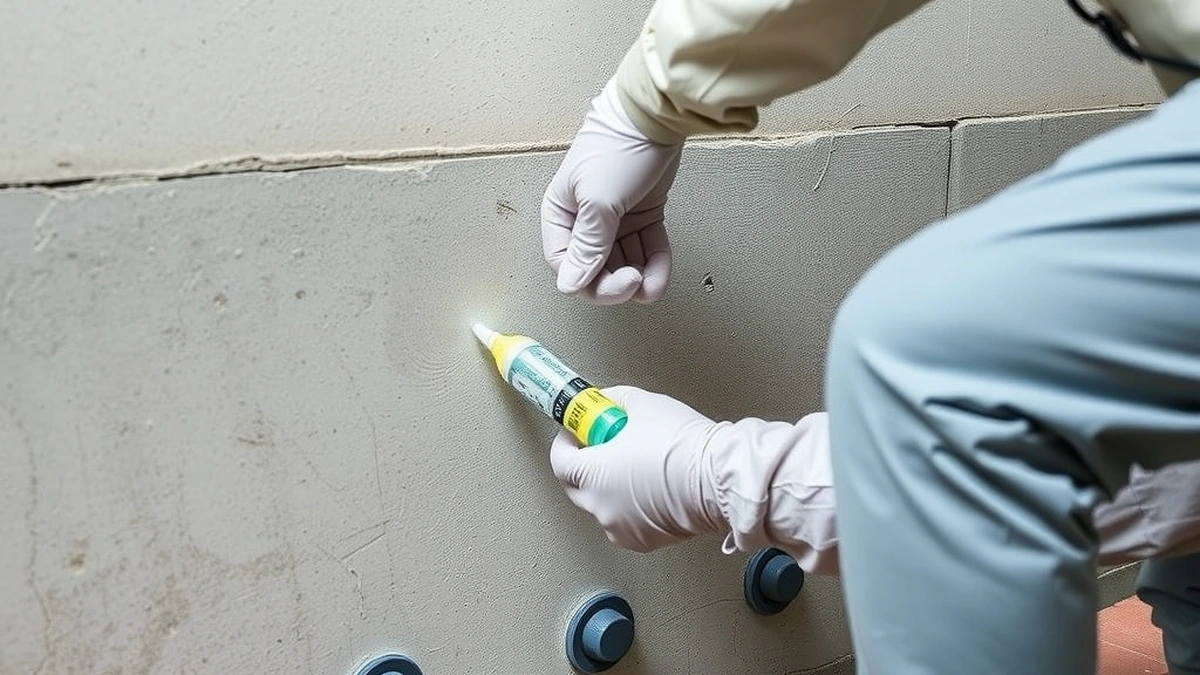
Crack Injection: Epoxy vs Polyurethane for Foundation.
Crack Injection: Epoxy vs Polyurethane for Foundation Cracks: practical numbers, costs, and trade-offs, written independently.
Read the guide →
How Crack Injection Works: Ports, Resin, Pressure
Crack injection pumps epoxy or polyurethane into a crack under pressure. See the ports, the sealing, and why the wall must be stable.
Read the guide →
Crawl Space Dehumidifier Sizing for Moisture Control
How to size a crawl space dehumidifier by square footage, moisture load, and ventilation, with cost context and installation factors.
Read the guide →
How Crawl Space Encapsulation Works
Encapsulation seals the crawl space floor and walls with a liner and controls humidity. See the layers, the sealing, and the cost.
Read the guide →
Crawl Space Vapour Barrier: Spec and Cost
How to specify and price a crawl space vapour barrier, including thickness, coverage, encapsulation comparison, and labour estimates.
Read the guide →
Do It Yourself Foundation Repair: What Is Safe
Homeowners can monitor cracks, seal leaks, and fix grading. Piers, lifting, and structural work need an engineer and a contractor.
Read the guide →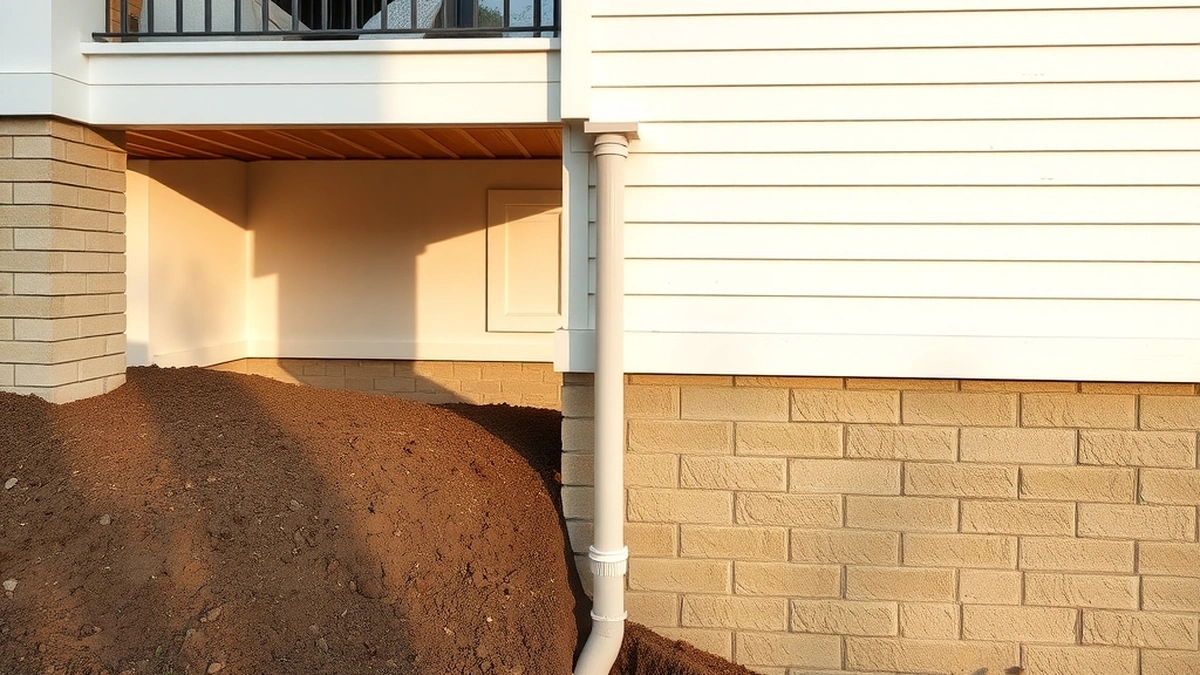
Drainage Repair Around a Foundation: Costs and Methods
How drainage repair around a foundation works, what it costs, and when to involve a structural engineer.
Read the guide →
Foundation Grouting: Compaction and Permeation Explained
How compaction and permeation grouting stabilize foundations, when each method applies, and what to expect on cost and scope.
Read the guide →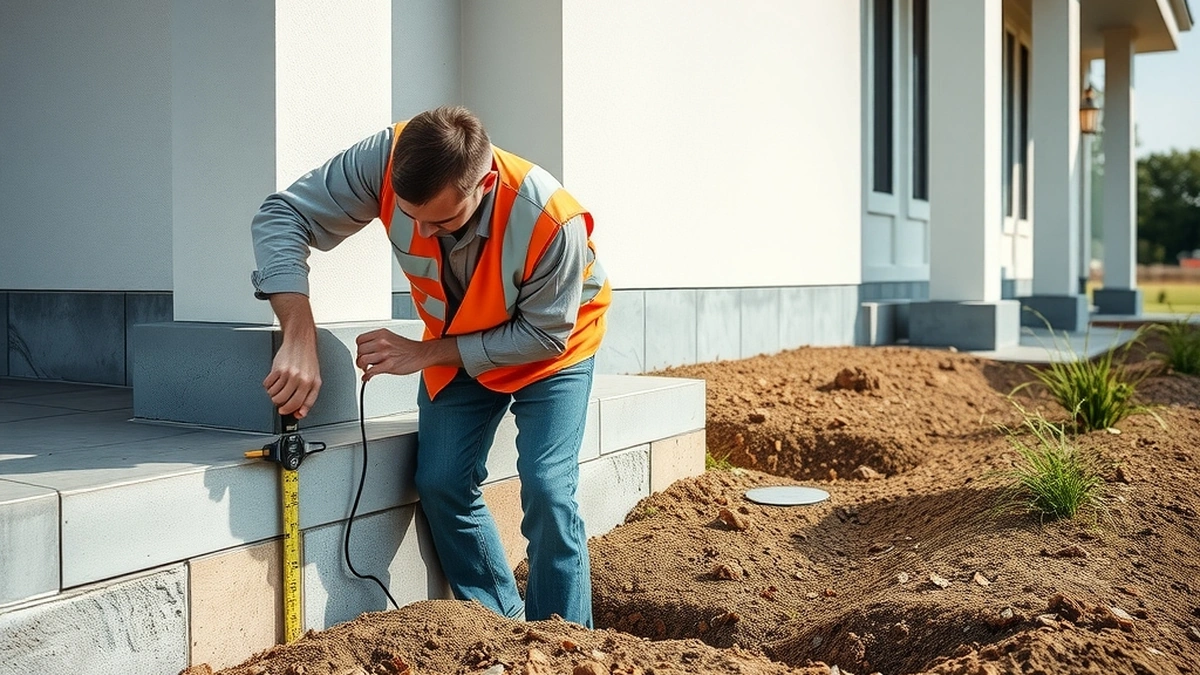
Foundation Leak Repair: Causes, Methods, and Costs
How to identify foundation leaks, choose the right repair method, and estimate costs based on crack width, pier count, and square footage.
Read the guide →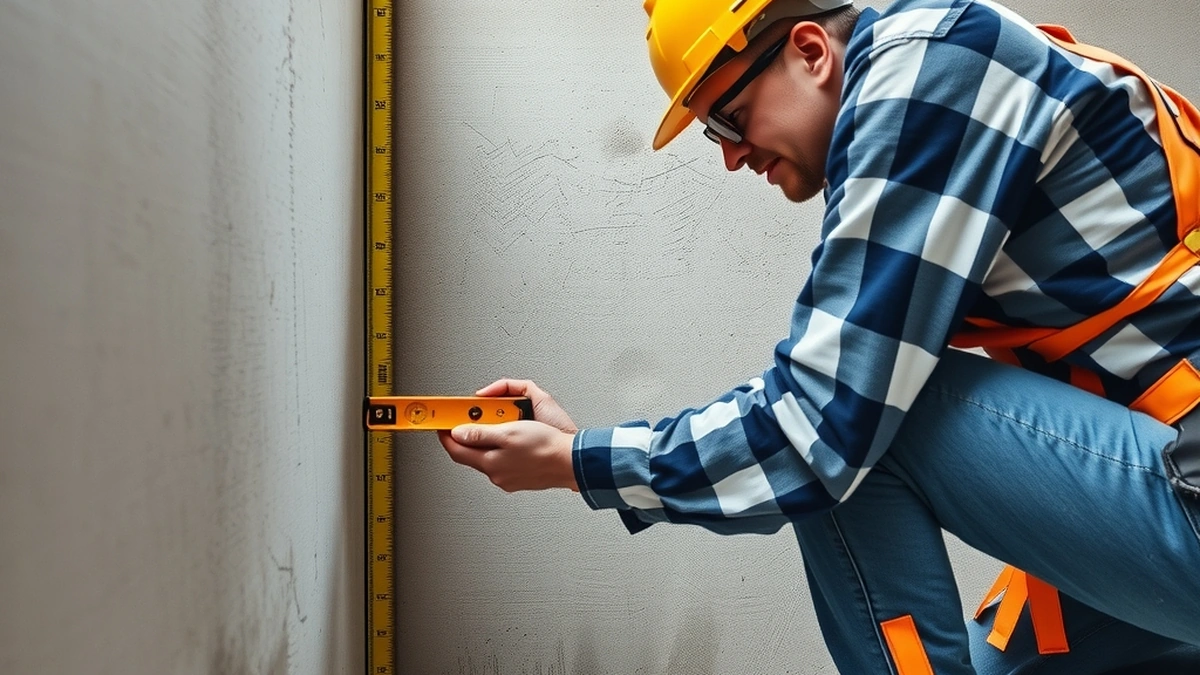
Foundation Repair: Methods, Costs, and When to Act
A numbers-first guide to foundation repair methods, crack thresholds, pier counts, and USD price ranges for homeowners.
Read the guide →
Foundation Repair Companies: How to Compare Them
Foundation repair companies range from engineer-led firms to sales-driven installers. Learn the questions that separate them before you sign.
Read the guide →
Foundation Repair Company: What One Firm Should Do
What a single foundation repair company should deliver: diagnosis, engineering, permitting, installation, and a documented warranty at handover.
Read the guide →
Foundation Repair Contractor: Hiring the Right Crew
The crew that installs the piers matters as much as the company name. See what to check in the foreman, the insurance, and the contract.
Read the guide →
Foundation Repair Contractors: Licence, Bid, Contract
What to verify before hiring a foundation repair contractor: state licence, insurance, written scope, payment schedule, and warranty terms.
Read the guide →
Foundation Repair Inspection: What It Covers
A foundation inspection costs $400 to $1,500 and measures cracks, floor elevation, wall plumb, and drainage. See what the report should contain.
Read the guide →
Foundation Repair Services: What Each One Covers
Pier installation, wall anchors, crack injection, slab lifting, and encapsulation are different services with different prices. See what each fixes.
Read the guide →
Foundation Repair Underpinning: Methods and Costs
Underpinning adds deeper support beneath an existing footing. Compare pier systems at $700 to $3,000 each with grouting and mass concrete.
Read the guide →
How a French Drain Works: Slope, Gravel, Pipe
A french drain collects groundwater in a gravel trench and carries it away. See the slope, the fabric, the pipe, and the cost.
Read the guide →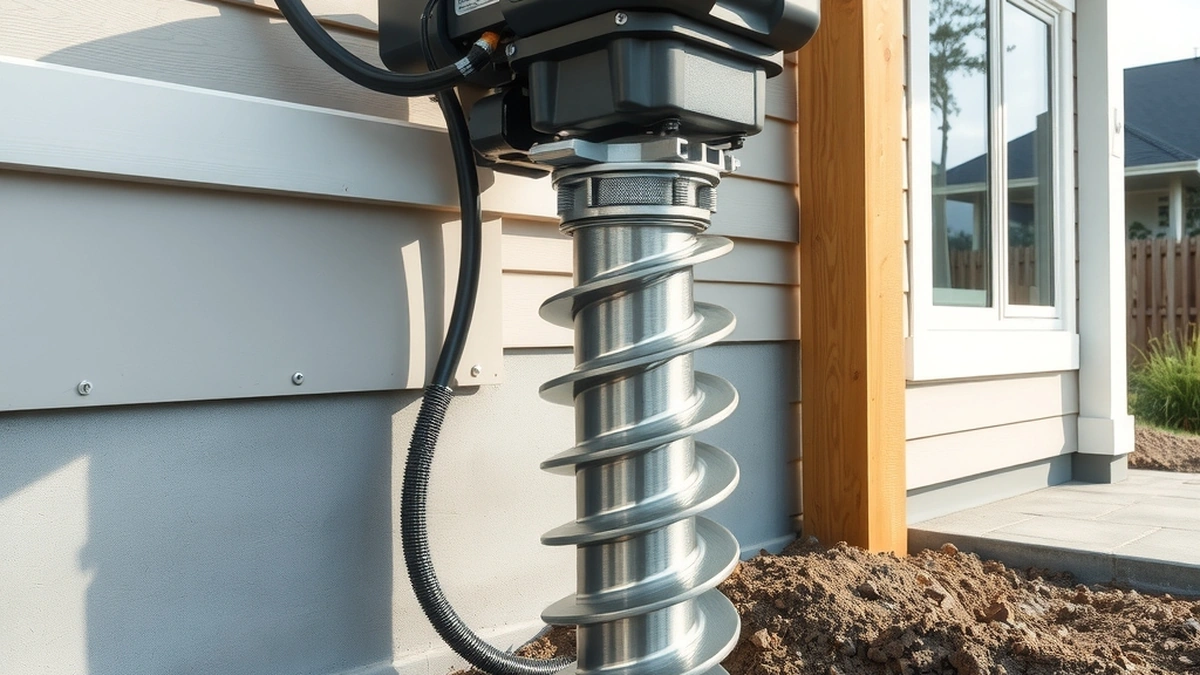
Helical Piers for Foundation Repair: How They Work
Helical piers are rotated into soil to a torque target and cost $700 to $2,500 each. See capacity, installation, and where they beat push piers.
Read the guide →
How Helical Piers Work: Torque and Capacity
Helical piers rotate into soil until torque confirms capacity. See the plates, the torque log, and why installations vary by soil.
Read the guide →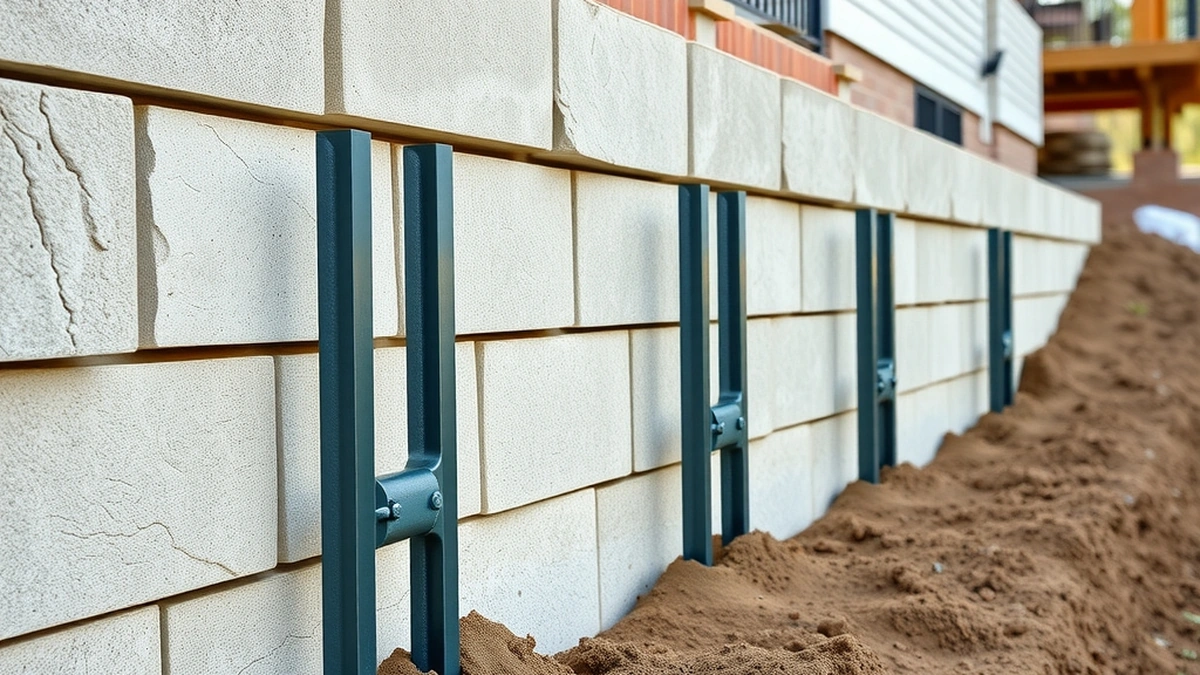
Helical Tiebacks For Retaining Guide
A numbers-first guide to helical tiebacks for retaining walls, including load basics, cost estimates, alternatives, and when to call an engineer.
Read the guide →
Home Foundation Repair: The Owner's Decision Path
From the first crack you notice to the final inspection, here is the order a homeowner should follow, with real prices at each step.
Read the guide →
House Foundation Repair: A Diagnostic Order
Foundation repair starts with measurement, not a sales visit. See the order of diagnosis, the methods that match each finding, and the costs.
Read the guide →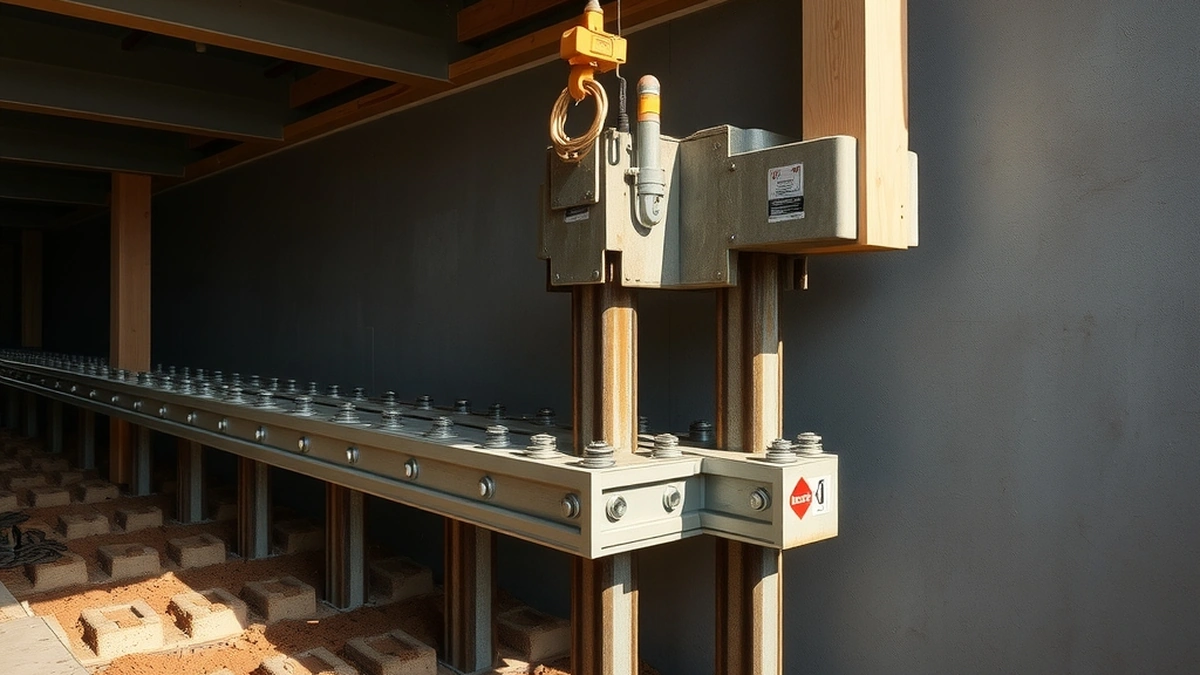
How Push Piers Work for Foundation Repair
Push piers transfer foundation weight to stable soil using steel sections driven through a bracket. Learn the process, costs, and when they apply.
Read the guide →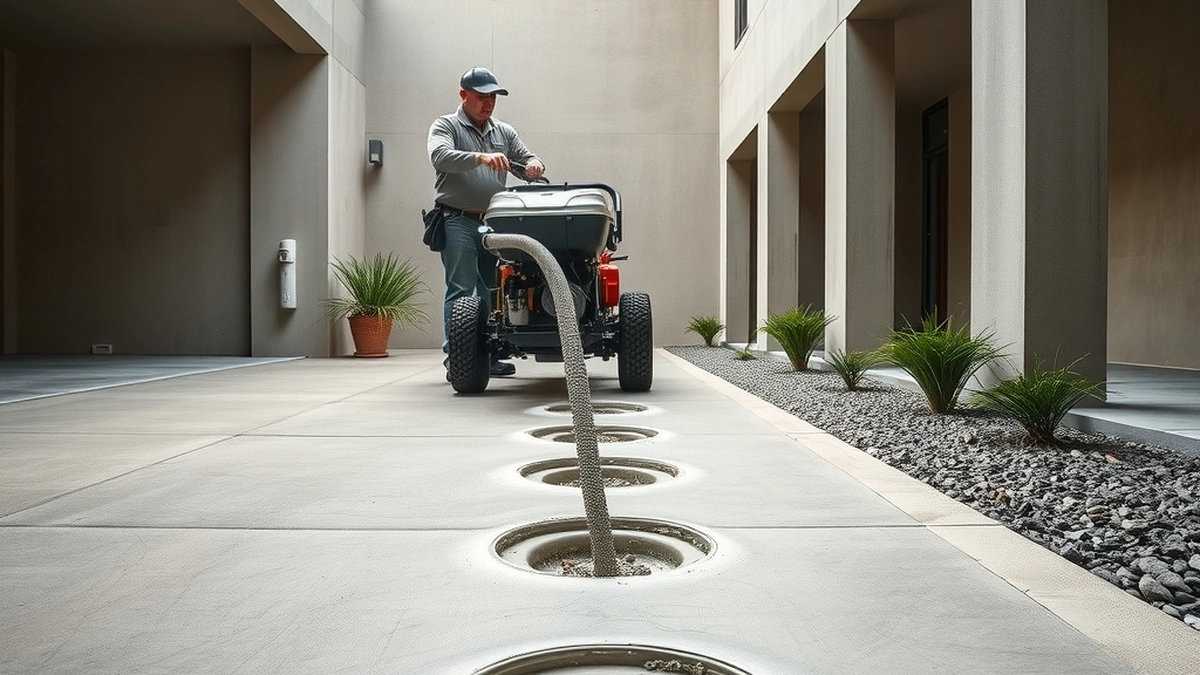
How Mudjacking Works: Slurry Lifting Explained
Mudjacking pumps a sand-cement slurry under a settled slab at $3 to $8 per sq ft. See the holes, the mix, the lift, and where it stops working.
Read the guide →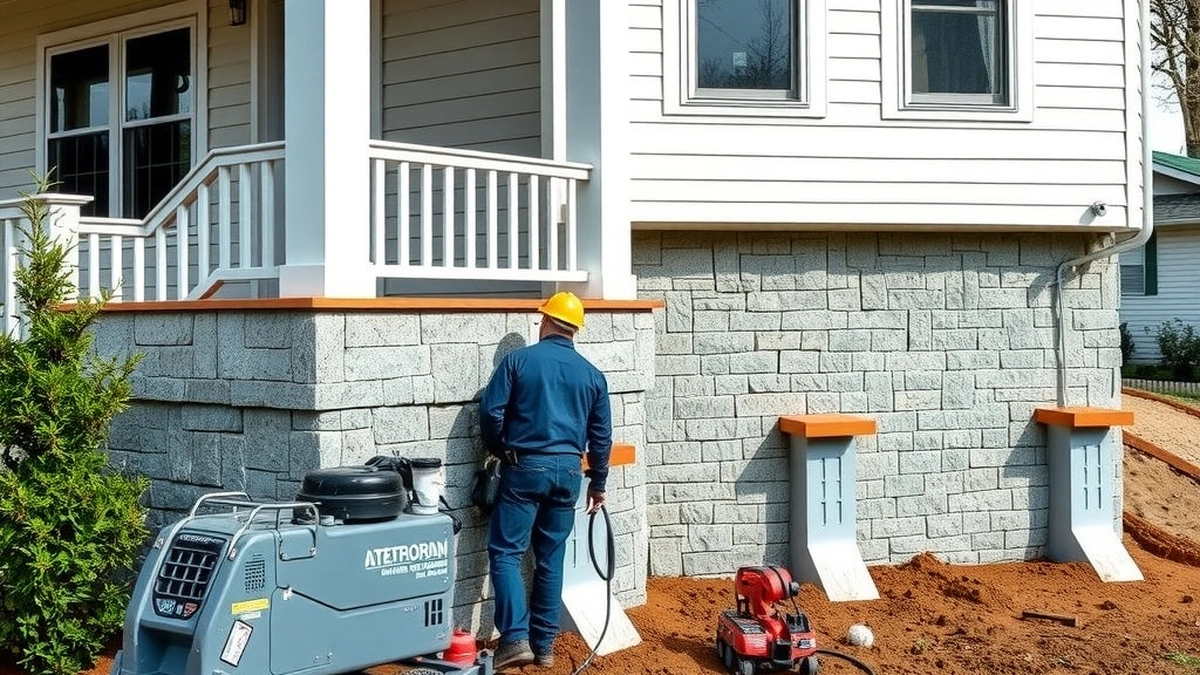
How Long Does It Take to Repair a Foundation?
Most foundation repairs take 2 to 5 days on site, with 1 to 3 weeks for permits and 1 to 2 weeks for inspection scheduling before work starts.
Read the guide →
How to Pay for Foundation Repair: Six Options
Foundation repair costs $4,000 to $40,000, and most homeowners finance it. Compare savings, HELOCs, contractor plans, and specialty loans.
Read the guide →
Is Foundation Repair Expensive? Compare Alternatives
Foundation repair runs $4,000 to $15,000, against $40,000 to $150,000 for replacement. See what makes it expensive and when waiting costs more.
Read the guide →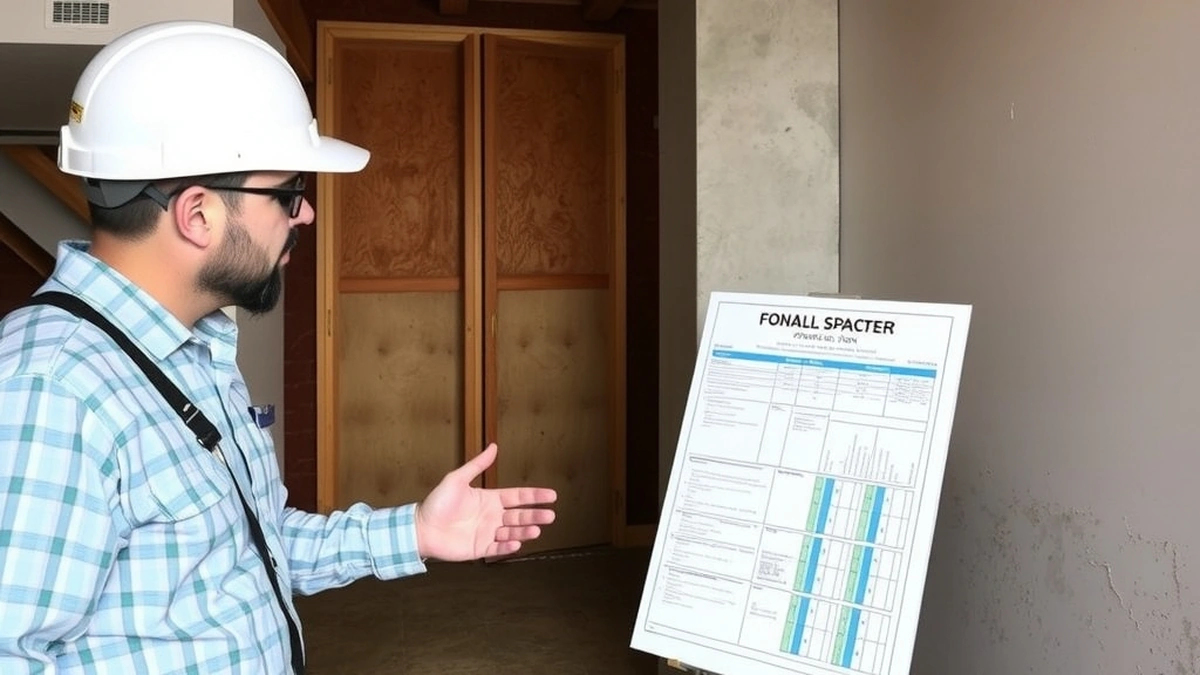
JES Foundation Repair: Evaluating a Quote
JES is a Mid-Atlantic foundation contractor. Learn what to verify in its proposal: engineering, pier count, waterproofing scope, and warranty.
Read the guide →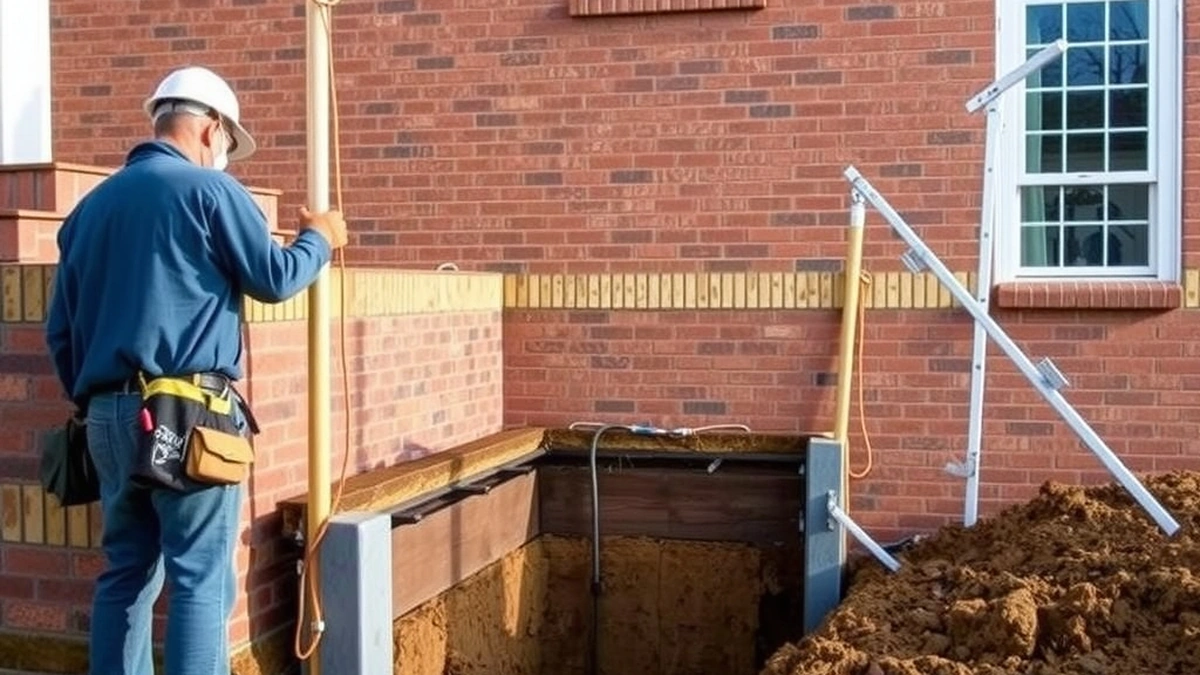
Olshan foundation repair
How Olshan foundation repair work is scoped, what the methods cost, and what to verify before signing with a large regional contractor.
Read the guide →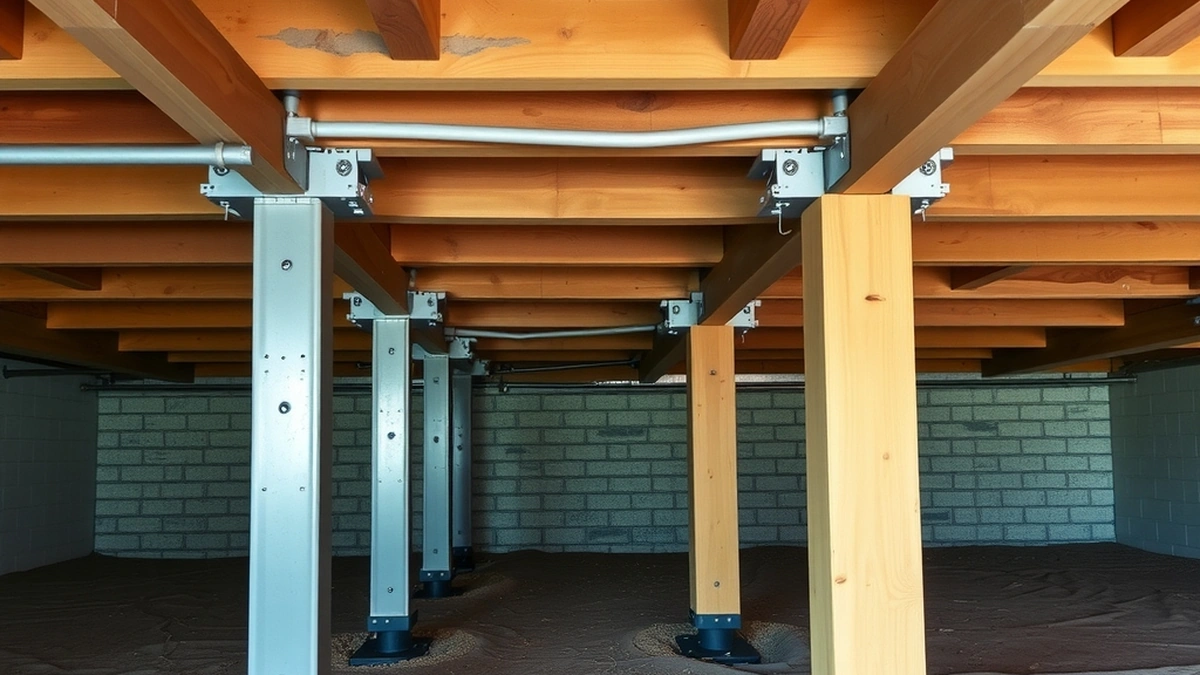
How Pier and Beam Leveling Works: A Step-by-Step Guide
Pier and beam leveling restores floor elevation by adjusting or adding piers, shimming beams, and repairing crawl space framing.
Read the guide →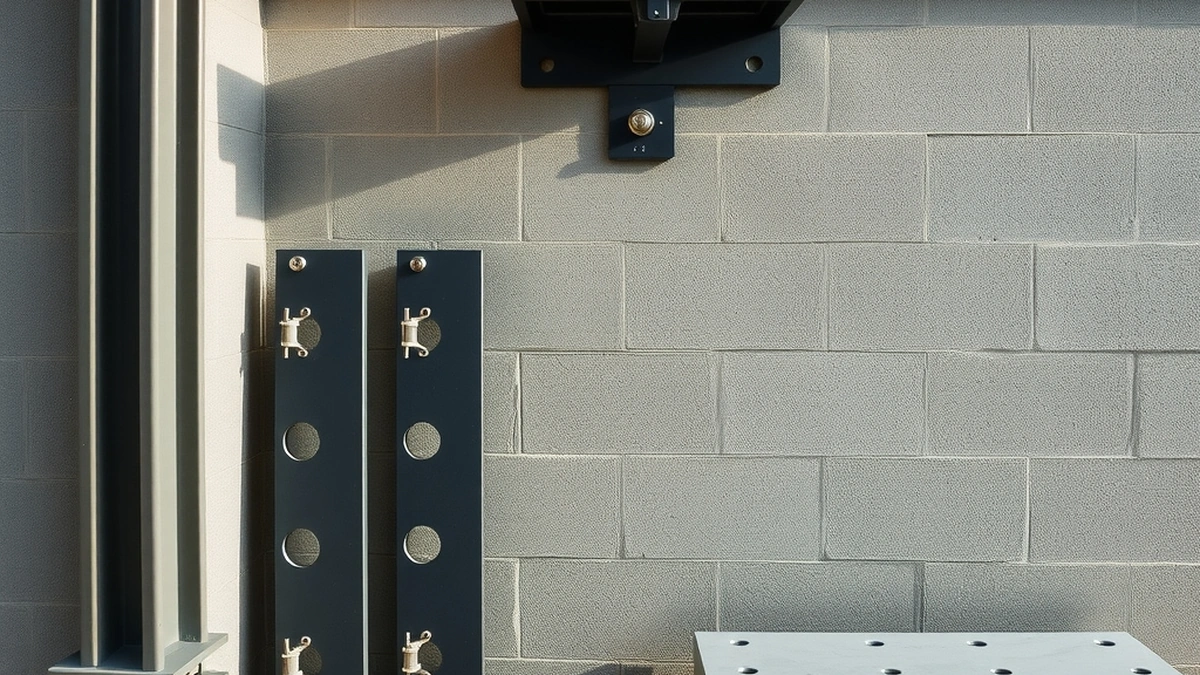
Pier foundation repair
Pier foundation repair explained: push, helical, and drilled piers, pier-and-beam leveling, costs per pier, and how the count is decided.
Read the guide →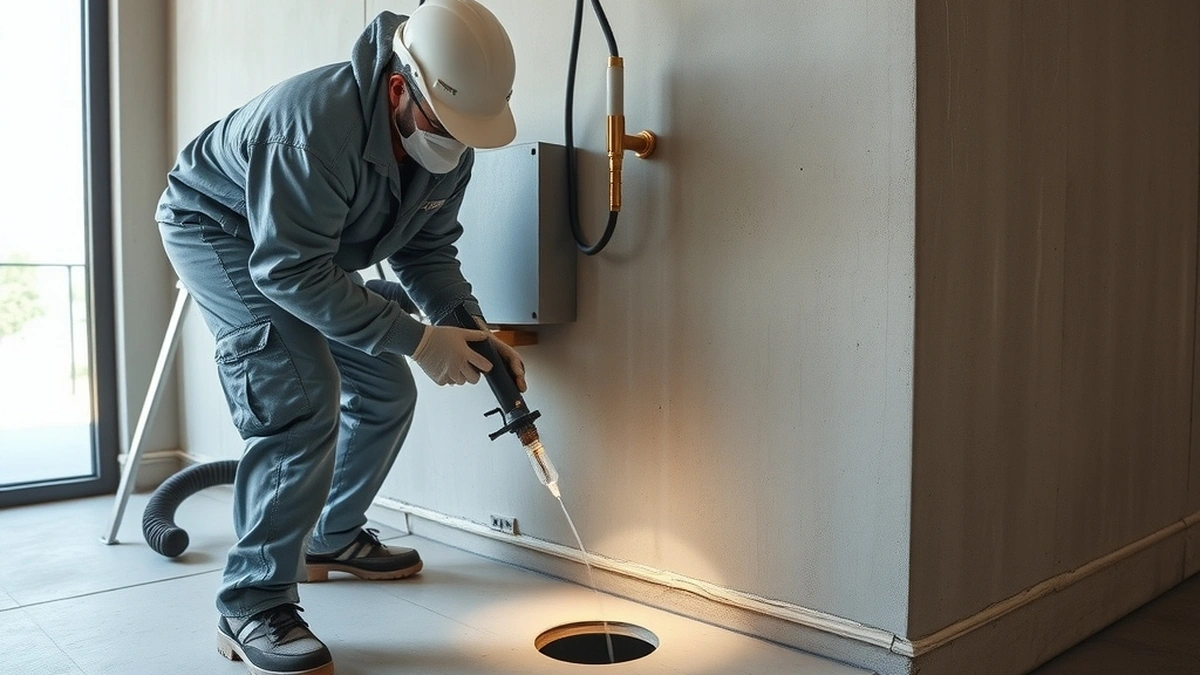
Polyurethane Foam Lifting Explained: Costs and Process
How polyurethane foam lifting works for slab foundations, typical costs per square foot, and how it compares to mudjacking and piers.
Read the guide →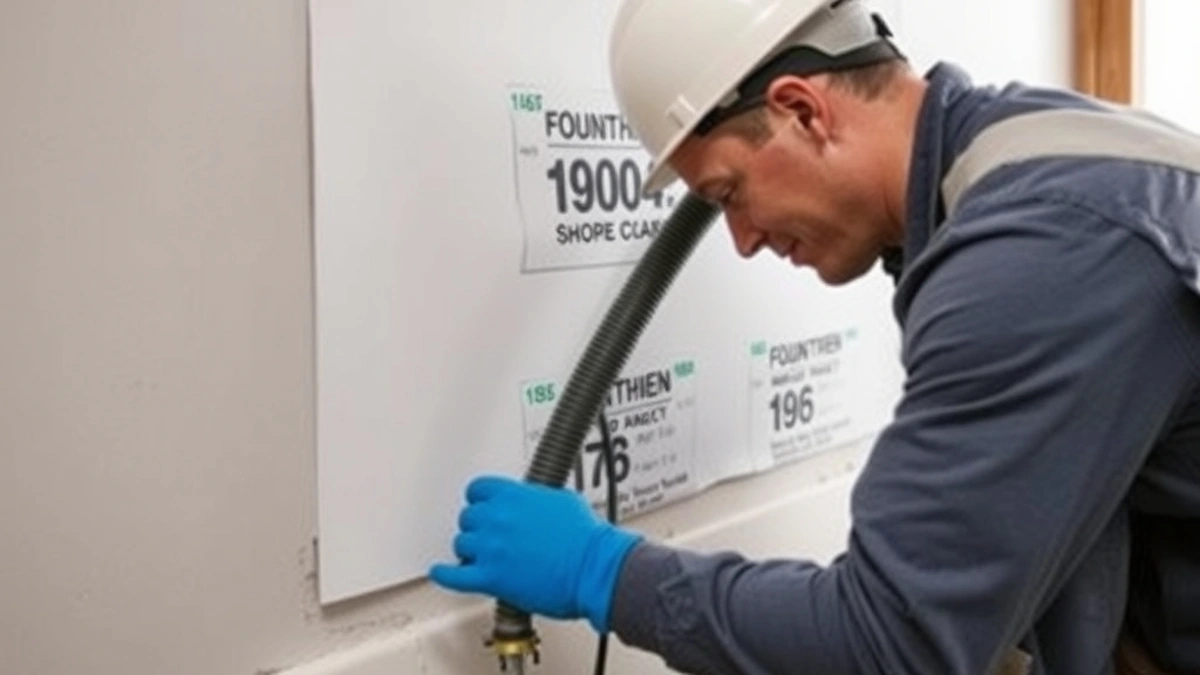
How Polyurethane Foam Lifting Works
A clear breakdown of how polyurethane foam lifting repairs settled slabs and walls, including costs and when it's used.
Read the guide →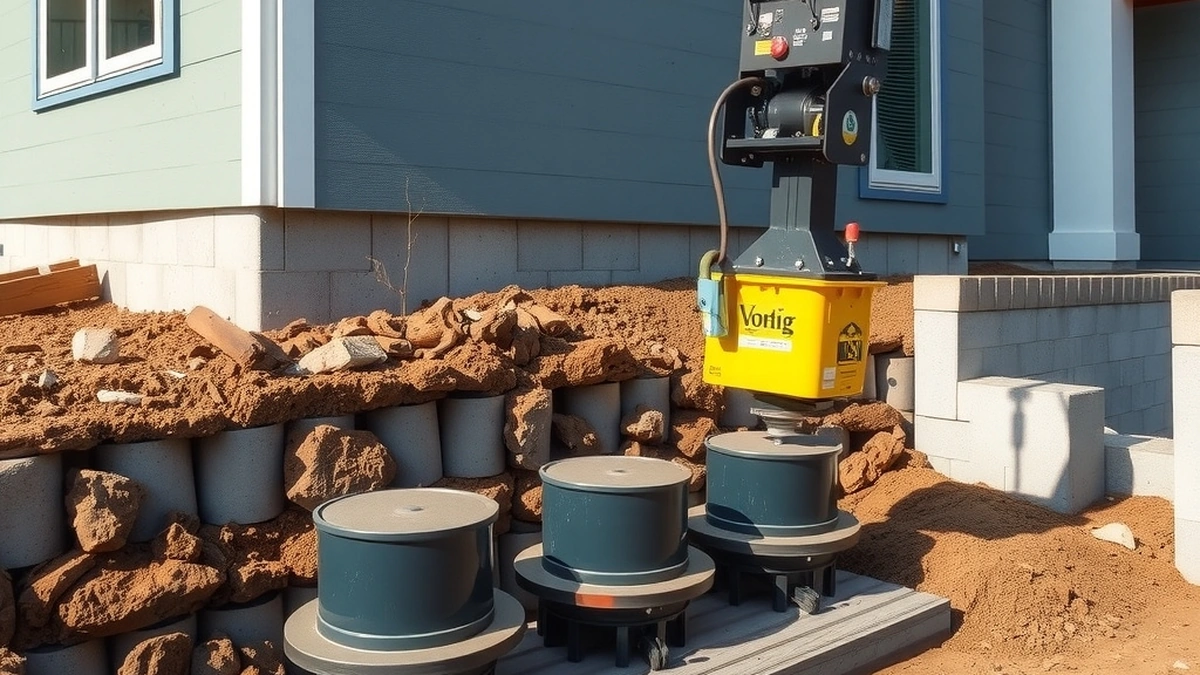
Push pier foundation repair
How push pier foundation repair works, when it is the right method, what installation involves, and what the job costs per pier and in total.
Read the guide →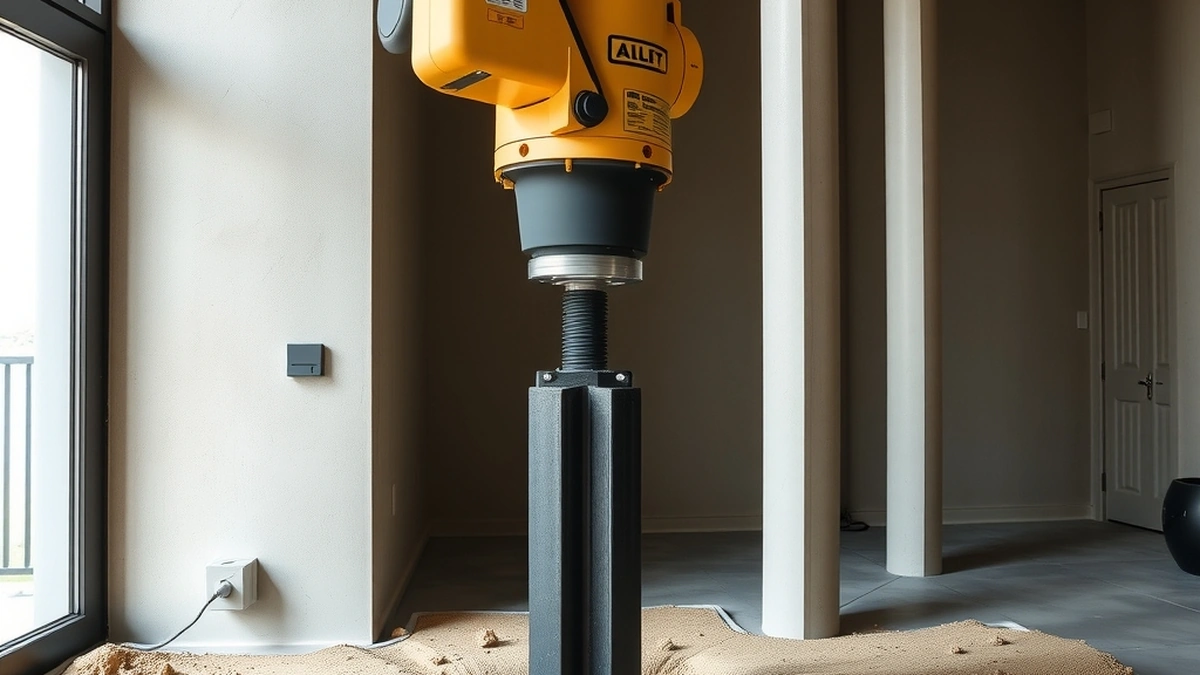
How Push Piers Work: Load Transfer Explained
Push piers drive steel to refusal and bolt to the footing. See the bracket, the ram, and how load moves from the house to bearing soil.
Read the guide →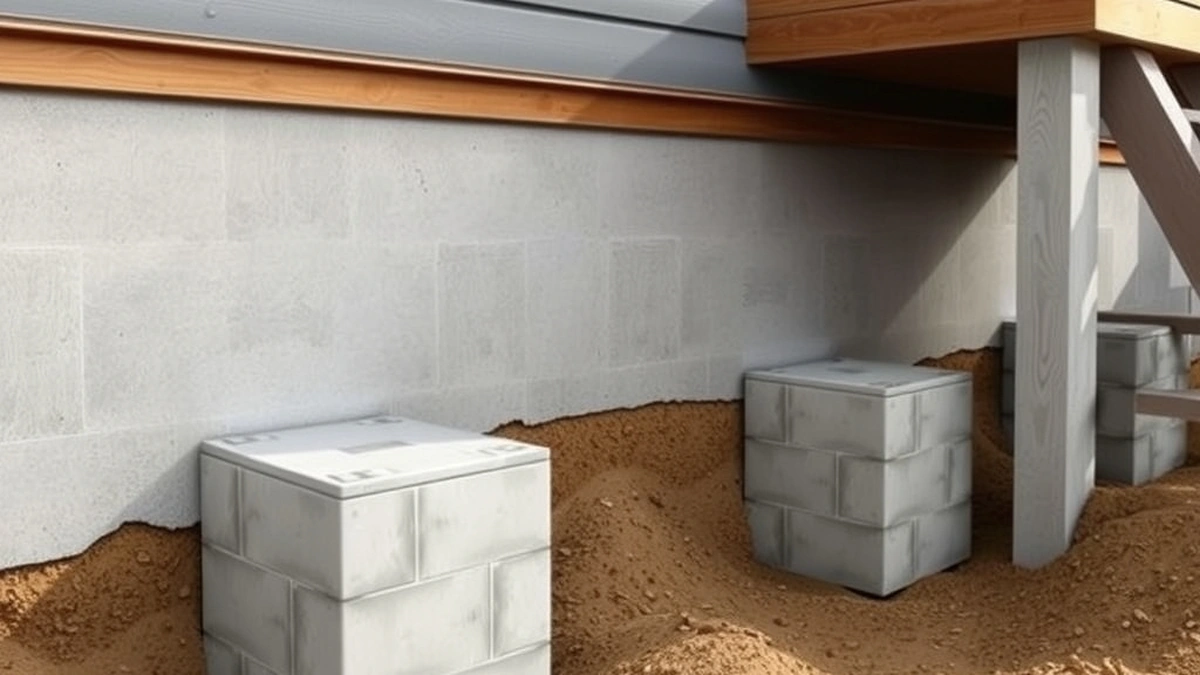
Push Piers vs Helical Piers: How to Choose
Compare push piers and helical piers by cost, installation, soil conditions, and load capacity to pick the right foundation repair method.
Read the guide →
Re-Shimming a Pier and Beam Floor: Process and Cost
Learn how re-shimming levels a pier and beam floor, when it is needed, and what the work typically costs.
Read the guide →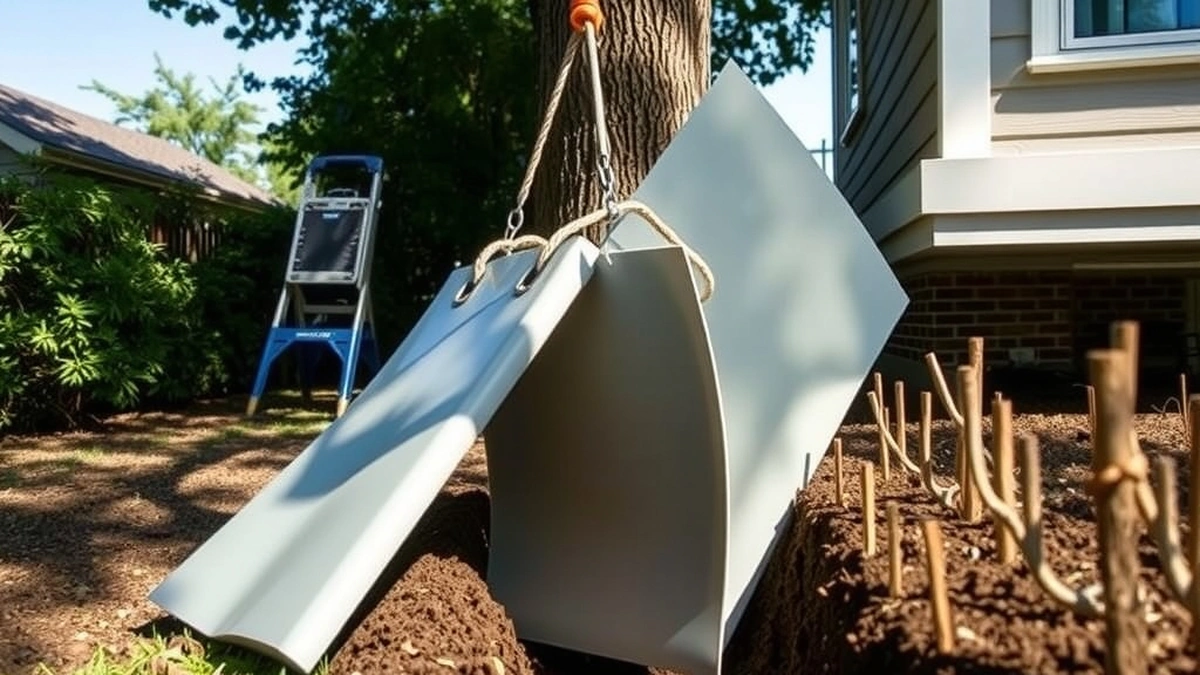
How a Root Barrier Works: Panel, Depth, Roots
A root barrier redirects tree roots away from a foundation. See the panel, the depth, the installation, and the limits.
Read the guide →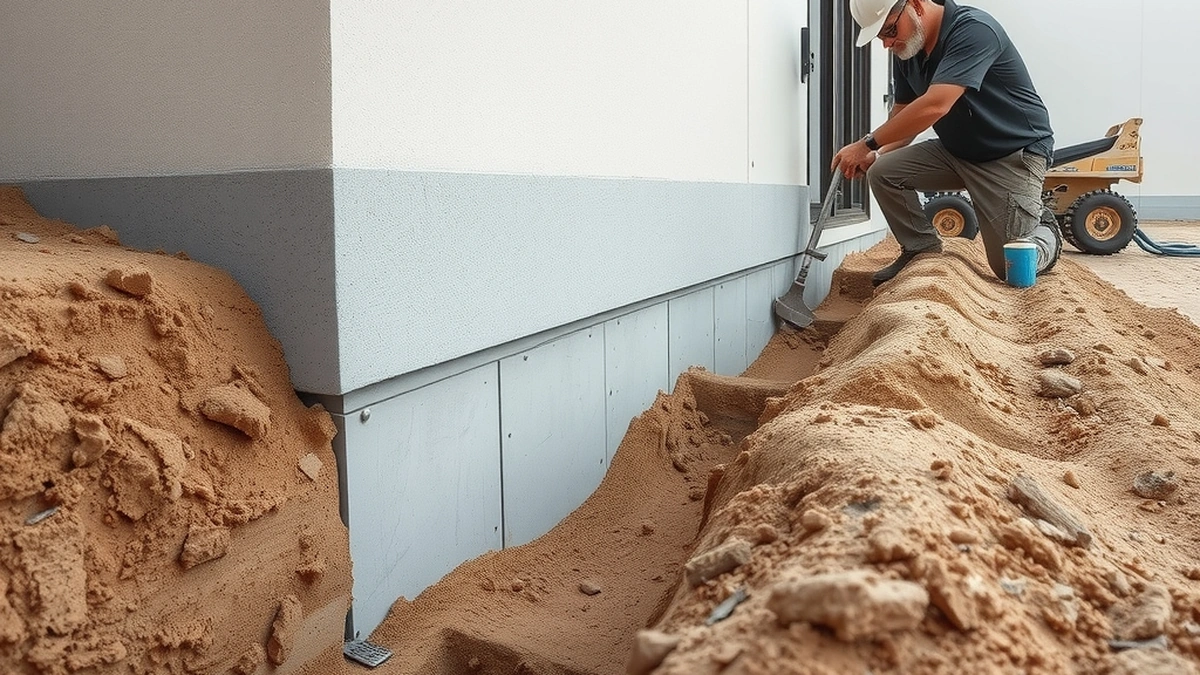
Root Barriers: Do They Protect a Foundation?
Root barriers can redirect tree roots, but they are not a substitute for structural foundation repair. Learn when they help and when they do not.
Read the guide →
Should I Buy a House With Foundation Repair?
A repaired foundation is not automatically a dealbreaker. Check the engineer's report, the warranty, the cause, and the disclosure.
Read the guide →
How Slab Lifting Works: Slurry, Foam, and Holes
Slab lifting pumps material under settled concrete to raise it. See the holes, the materials, the lift targets, and the costs.
Read the guide →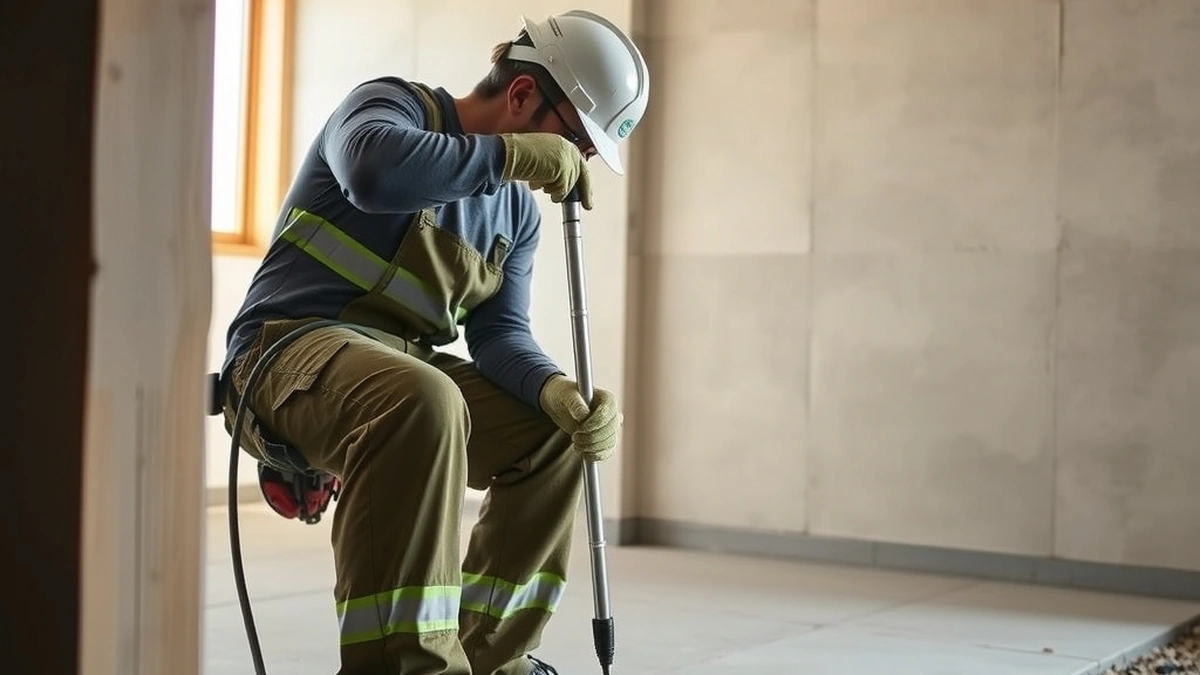
Slab Lifting Methods Guide
Compare slab lifting methods by cost, process, and best use case. Numbers-first guide for homeowners evaluating foundation repair options.
Read the guide →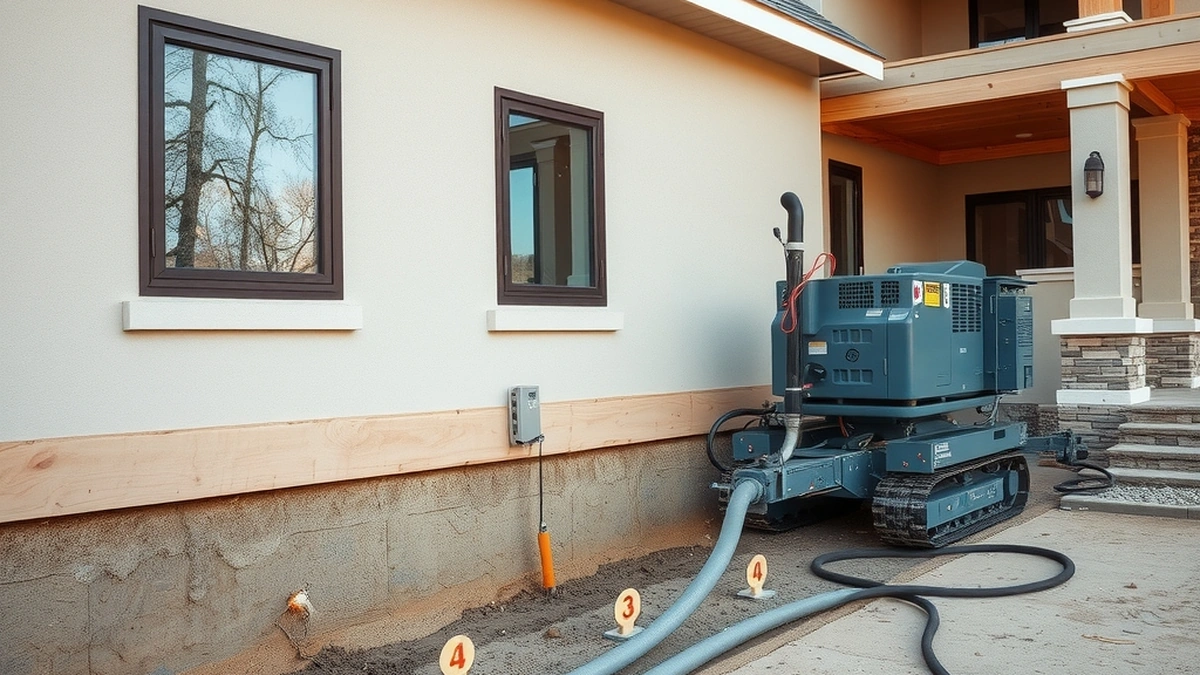
How Soil Stabilisation Works: Grout and Lime
Soil stabilisation improves the ground under a foundation with grout, lime, or compaction. See how each method changes the soil.
Read the guide →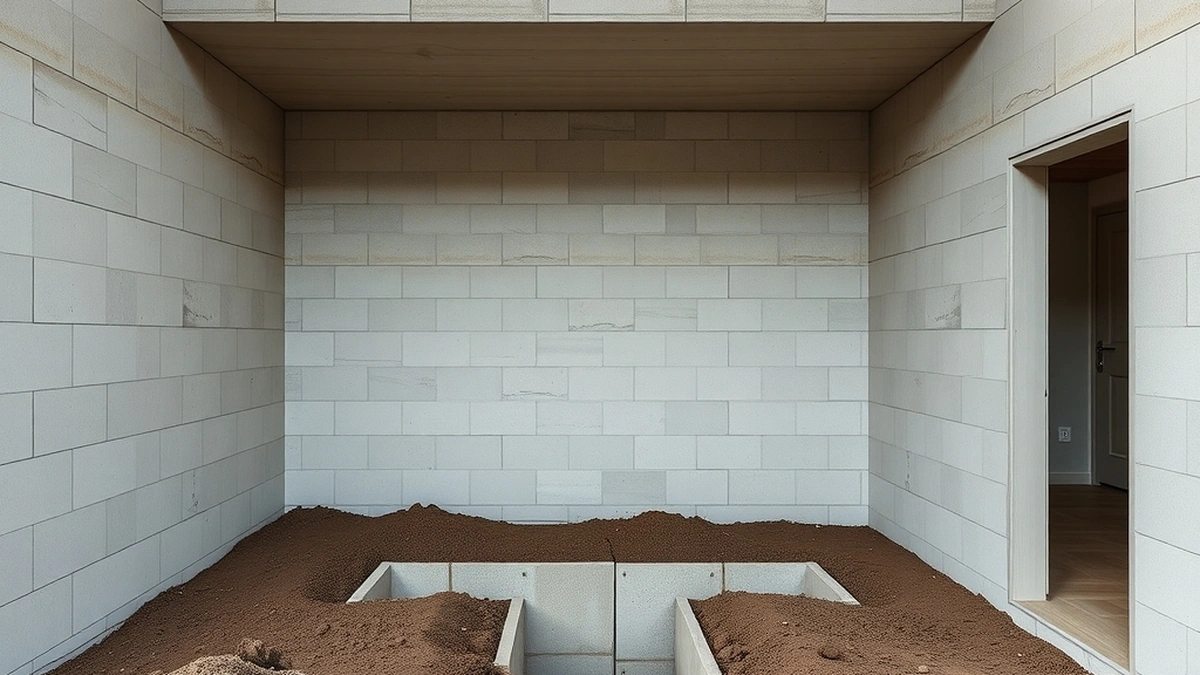
Soil Stabilisation for Foundations: Methods and Costs
How soil stabilisation works for foundation repair, when it applies, and what common methods cost in the US.
Read the guide →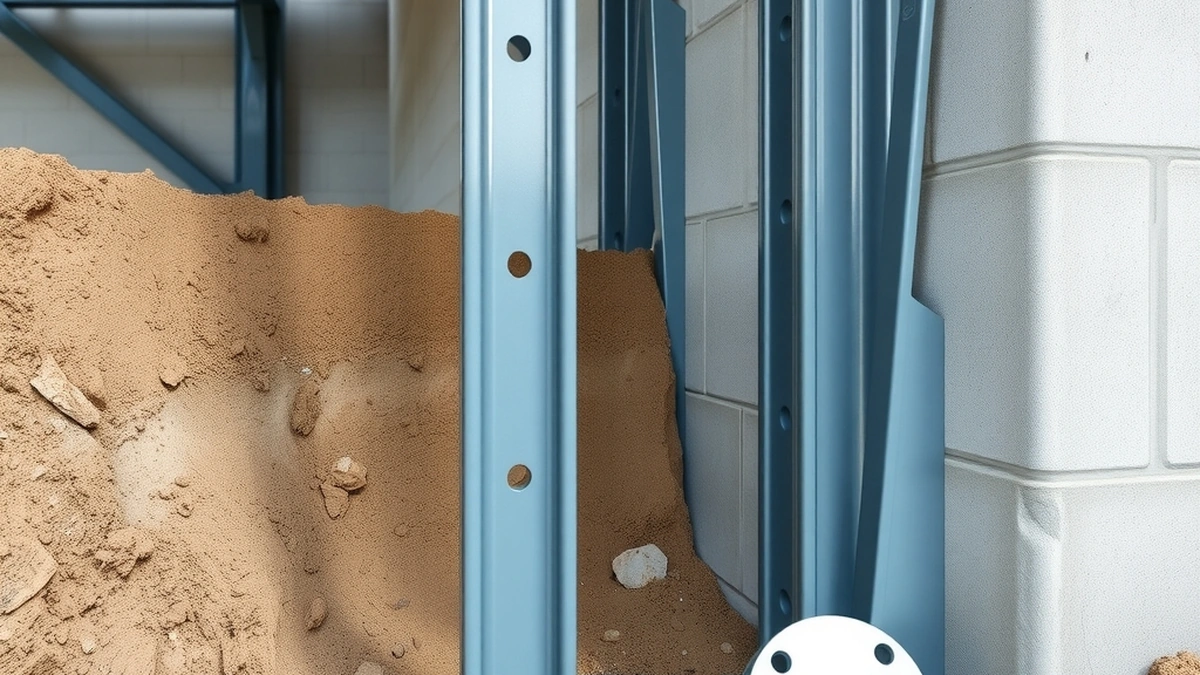
Structural Foundation Repair: When It Is Required
Structural repair addresses load-bearing failure, not cosmetic cracks. See the thresholds, the methods, and the $4,000 to $40,000 cost bands.
Read the guide →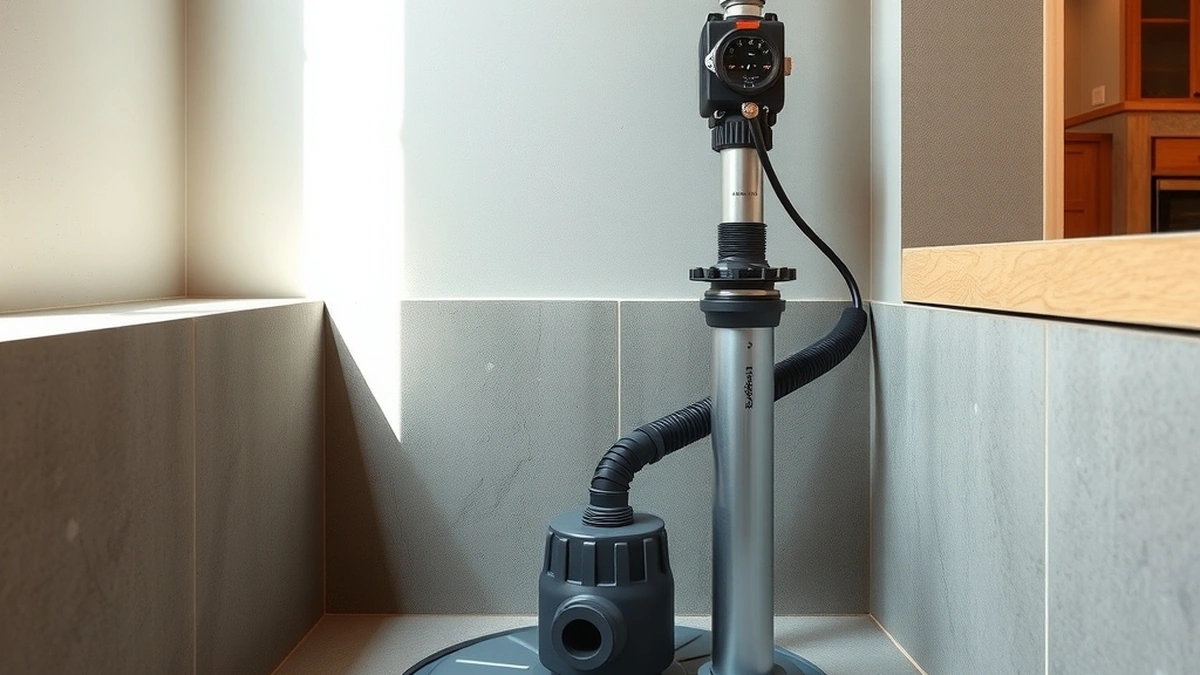
How a Sump Pump Works: Float, Pit, Check Valve
A sump pump sits in a pit, switches on as water rises, and pushes it outside. See the float, the check valve, and the discharge.
Read the guide →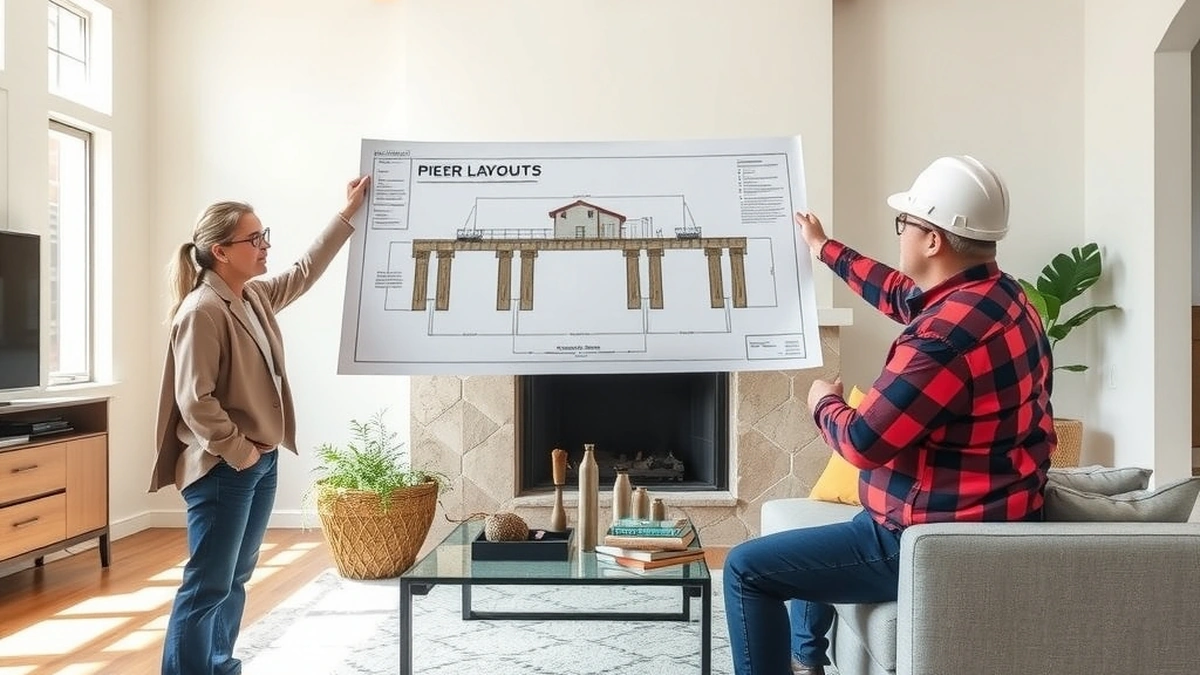
Thrasher Foundation Repair: How to Read the Quote
Thrasher is a large Midwestern foundation contractor. Here is what to verify in its quote: pier count, design depth, warranty transfer, and scope.
Read the guide →
How Underpinning Works
Learn how underpinning stabilizes your foundation, from push piers to mudjacking, without the contractor sales pitch.
Read the guide →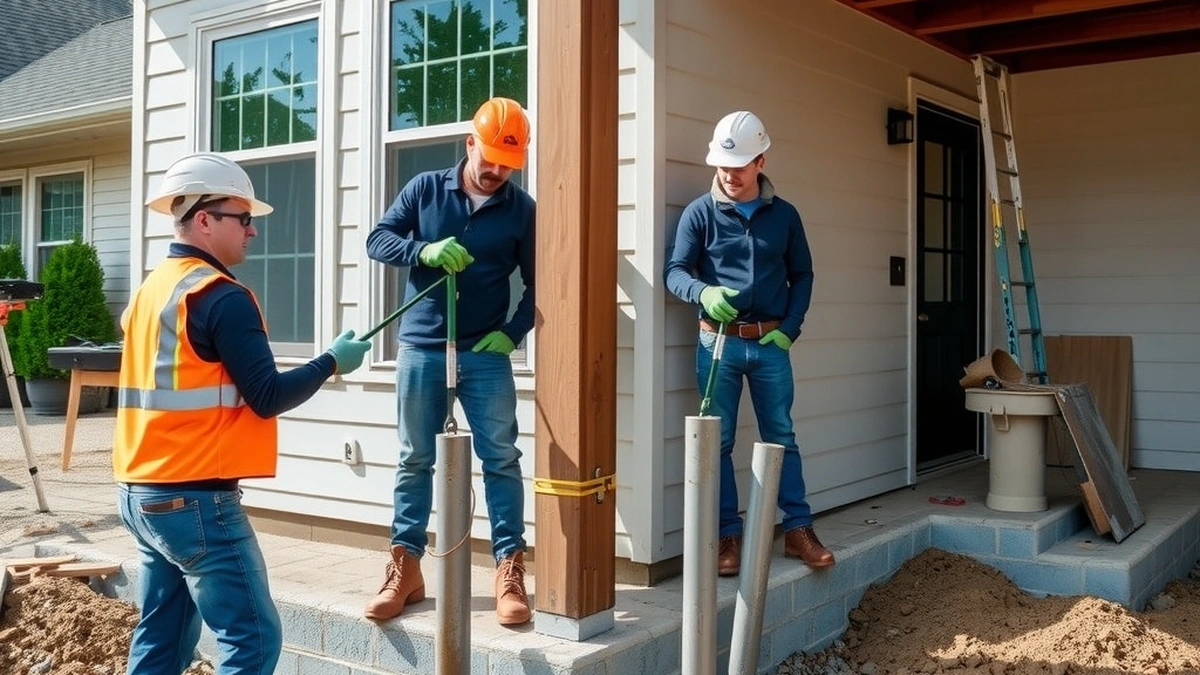
Underpinning Methods: Pit, Pile, Beam and Soil
A numbers-first guide to underpinning methods including pit, pile, beam, and soil stabilization, with typical costs and when each applies.
Read the guide →
Filling Voids Under a Slab: Methods and Costs
Voids under a slab are filled with slurry, grout, or expanding foam at $3 to $15 per sq ft. See how each method finds and fills the gap.
Read the guide →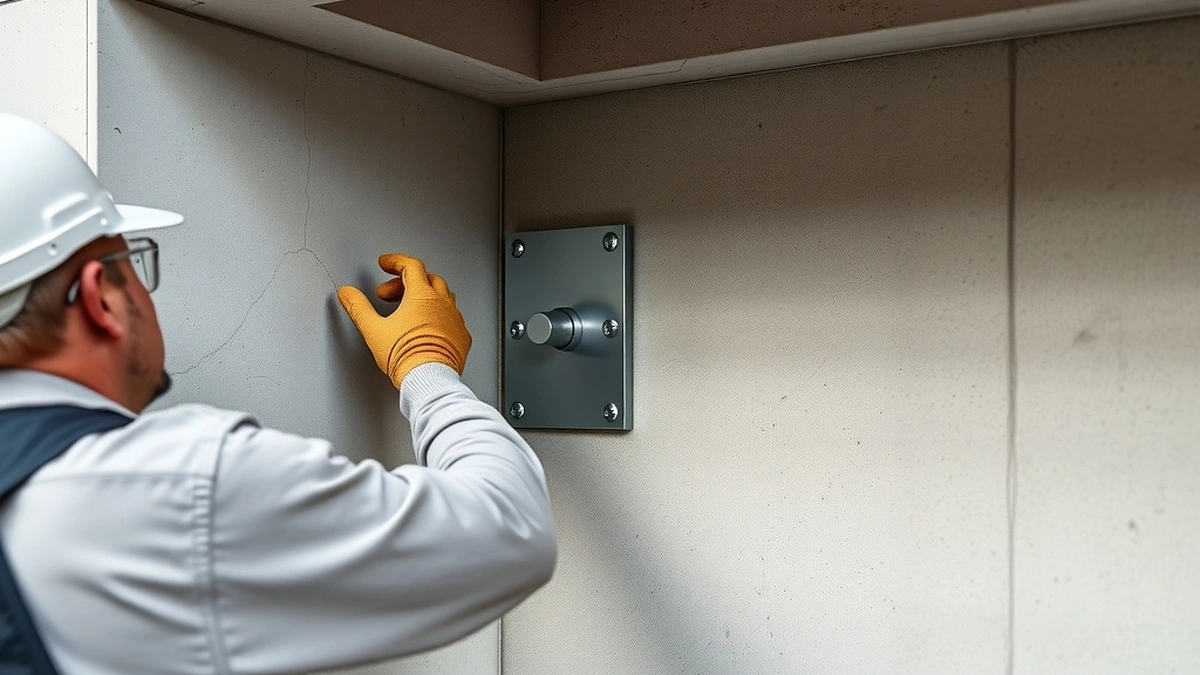
Wall Anchors Explained: What They Do and Cost
A numbers-first guide to wall anchors for basement foundation walls, including how they work, when to use them, and typical pricing.
Read the guide →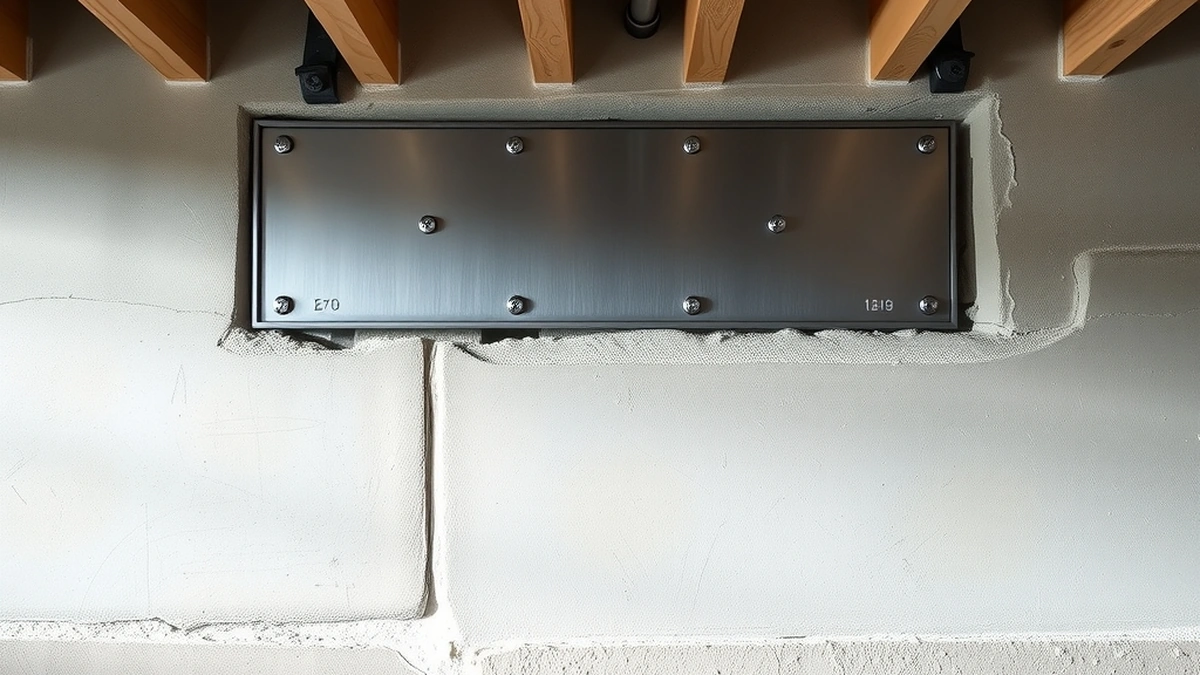
How Wall Anchors Work: Pulling a Wall Back
Wall anchors tie a basement wall to buried plates and can be tightened over time. See the rod, the anchor, and the installation.
Read the guide →