Foundation Leak Repair: Causes, Methods, and Costs
How to identify foundation leaks, choose the right repair method, and estimate costs based on crack width, pier count, and square footage.
Foundation leak repair typically costs $4,000 to $15,000, starting with crack measurement and drainage grading before selecting piers, sealants, or encapsulation.
- Typical repair cost
- $4,000 - $15,000
- Major repair cost
- $20,000 - $40,000
- Engineer inspection
- $400 - $1,500
- Inspection lead time
- 1 - 2 weeks
- Permit timeline
- 1 - 3 weeks
Some links on this page are affiliate links.If you buy through them we may earn a commission at no extra cost to you. We do not accept payment for rankings. Read the full disclosure.
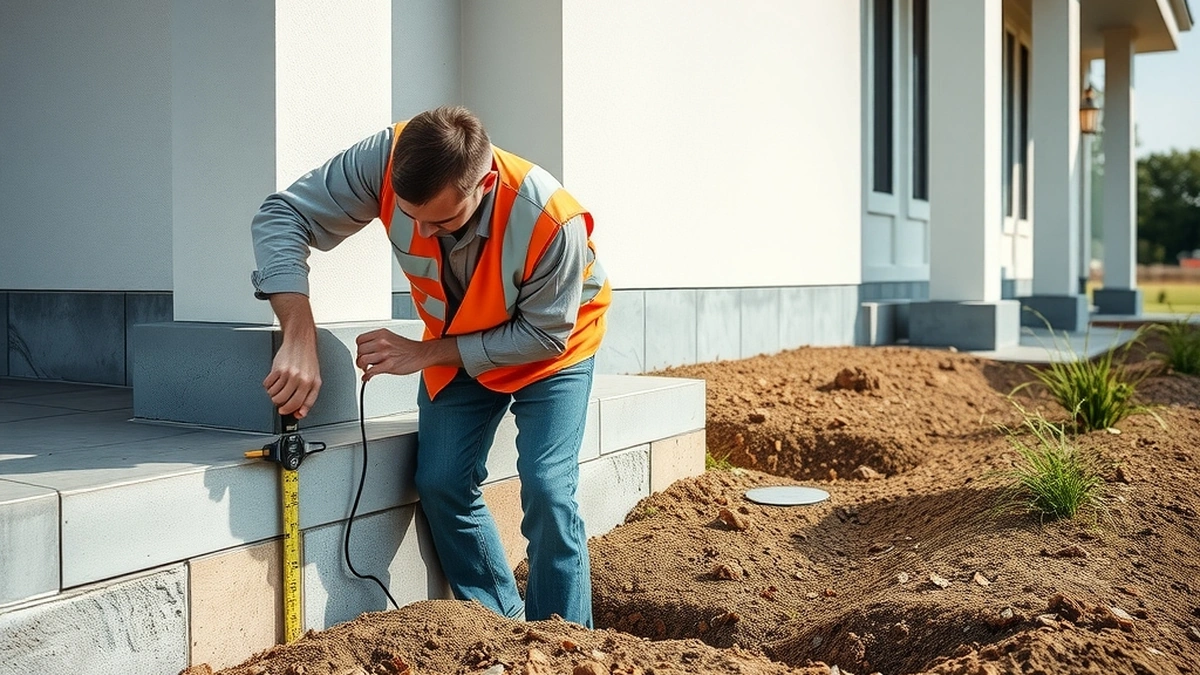
Foundation leak repair starts with measuring water entry points, not guessing at a fix. A crack narrower than 1/16 inch is usually cosmetic, while anything over 1/8 inch or any horizontal movement needs closer review. The right method depends on whether the leak comes from surface water, hydrostatic pressure, or structural settlement.
Measure the Leak Before Choosing a Method
Water enters foundations through three main paths: cracks in walls or slabs, joints where the wall meets the footing, and porous masonry under hydrostatic pressure. The first step is measuring crack width and displacement. A crack at or below 1/16 inch is typically cosmetic and can be sealed with epoxy or polyurethane injection. Cracks between 1/16 and 1/8 inch enter a watch category; monitor them seasonally before spending on structural repairs. Cracks wider than 1/8 inch, stair-step cracks in block walls, or any wall movement approaching 2 inches suggest structural movement that may require piers or anchors before waterproofing will hold.
Check exterior grading next. Soil should slope away from the foundation at least 6 inches over the first 10 feet. Downspouts should discharge at least 4 to 6 feet from the wall. If grading directs water toward the foundation, no interior sealant will stop the leak permanently.
Common Repair Methods and Cost Ranges
Once the source is identified, match the method to the problem. Below are estimated price ranges based on industry averages; actual quotes vary by region, access, and depth.
| Method | Typical Unit Cost | Best For |
|---|---|---|
| Epoxy or polyurethane crack injection | $300 - $1,200 per crack | Non-structural wall cracks |
| Push piers | $1,000 - $3,000 each | Settlement under load-bearing walls |
| Helical piers | $700 - $2,500 each | Lighter structures or limited access |
| Full pier job | $6,000 - $30,000 | Whole-foundation stabilization |
| Mudjacking | $3 - $8 per sq ft | Slab lifting where soil washed out |
| Polyurethane foam lifting | $5 - $15 per sq ft | Faster slab lifting, smaller holes |
| Carbon fiber straps | $400 - $1,200 each | Bowing walls under 2 inches of movement |
| Wall anchors | $500 - $1,500 each | Bowing walls with exterior access |
| Crawl space encapsulation | $3 - $8 per sq ft | Moisture control in crawl spaces |
| Crawl space encapsulation job | $4,000 - $15,000 | Full crawl space moisture barrier |
Example arithmetic: If a contractor recommends four helical piers at $1,500 each, the pier material and installation subtotal is $6,000. Adding an engineer inspection at $1,000 and minor crack sealing at $800 brings the estimated total to $7,800, before permits or landscaping repair.
Interior vs. Exterior Waterproofing
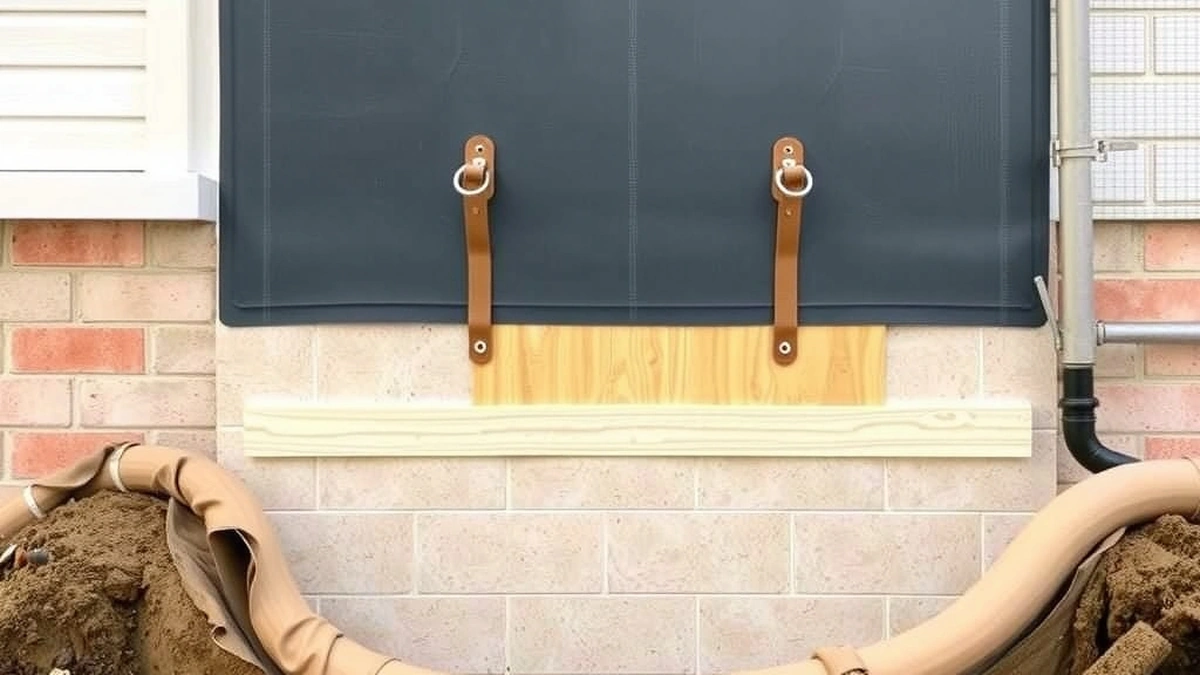
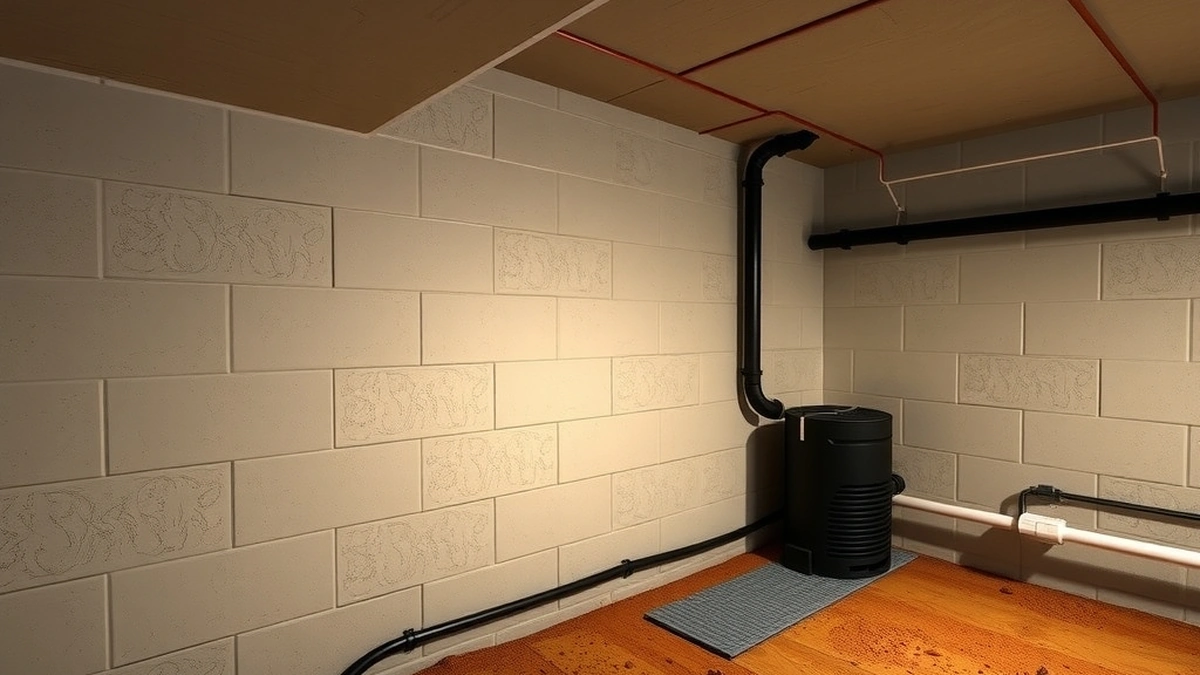
Interior drainage systems, such as a perimeter drain and sump pump, manage water after it enters the foundation. Exterior waterproofing stops water before it contacts the wall but requires excavation. Exterior work costs more because of labor and equipment, but it addresses the source. Interior systems are often less disruptive and cost less upfront, though they require a sump pump and electricity.
For crawl spaces, encapsulation involves sealing the ground and walls with a vapor barrier, often combined with a dehumidifier. At $3 to $8 per square foot, a 1,500-square-foot crawl space ranges from $4,500 to $12,000 for materials and labor, with full jobs commonly landing between $4,000 and $15,000 depending on access and existing conditions.
When Piers Are Part of Leak Repair
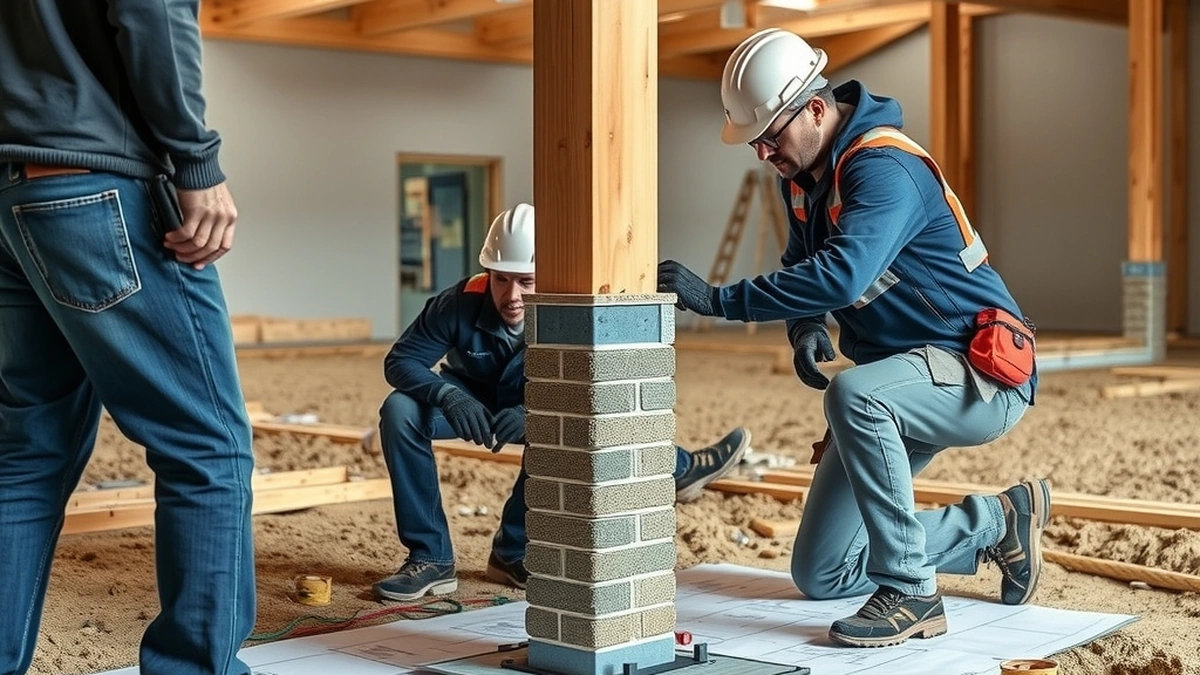
Piers do not waterproof a foundation. They stop or reverse settlement. If settlement opened a crack that now leaks, piers can close or stabilize that crack, after which sealant or waterproofing is applied. Push piers cost $1,000 to $3,000 each and are driven to bearing soil or bedrock. Helical piers cost $700 to $2,500 each and are screwed into the ground, often used when equipment access is tight or loads are lighter.
A full pier job typically runs $6,000 to $30,000. Depth to bearing determines pier count and length. If an engineer specifies ten piers at an average installed cost of $2,000 each, the pier scope alone is $20,000. That figure excludes crack repair, drainage work, and interior finishing.
Wall Movement and Structural Limits
Foundation walls can tolerate limited movement before replacement becomes the safer option. Walls moving less than 2 inches are often candidates for carbon fiber straps or wall anchors. Carbon fiber straps cost $400 to $1,200 each and are epoxied to the wall face to resist further inward movement. Wall anchors cost $500 to $1,500 each and require exterior soil access to brace the wall against stable earth.
If a wall has failed structurally—generally interpreted as movement beyond repair limits or damage affecting roughly one-third of the foundation—replacement may be indicated. Foundation replacement ranges from $40,000 to $150,000 and is the last resort after stabilization and waterproofing options are exhausted.
Permits, Inspections, and Timelines
Most foundation repair work requires a permit, and requirements vary by city and county. Typical permit processing takes 1 to 3 weeks. An engineer inspection, when required for structural cracks or pier design, costs $400 to $1,500 and usually has a lead time of 1 to 2 weeks. Schedule the inspection before signing a repair contract so the scope is based on measured conditions rather than a sales estimate.
Warranty terms matter for long-term cost. Pier warranties are commonly lifetime and transferable. Transfer fees typically range from $100 to $500. Mudjacking carries an estimated life of 5 to 15 years, while polyurethane foam and encapsulation systems vary by manufacturer and site conditions.
Restoration Value and Resale
Foundation repairs typically restore 10 to 25 percent of lost structural value, depending on the method and local market. A $10,000 repair on a home with foundation-related devaluation may recover part of that loss at resale, but repairs are not guaranteed to increase market value dollar for dollar. Disclose repairs and retain inspection reports, permits, and warranty documents for future buyers.
Choosing a Contractor
Request a written scope that lists crack width measurements, pier count, depth to bearing, drainage corrections, and unit prices. Compare at least three estimates. Avoid contractors who quote a single price without measuring cracks or reviewing drainage. Confirm whether the quote includes permits, engineer stamps, and warranty transfer fees.
Related cost references: foundation repair cost, pier and beam foundation repair cost, and foundation crack repair cost. For slab-specific work, see mudjacking cost, helical pier cost, push pier cost, carbon fiber foundation repair cost, and wall anchor cost.
Foundation leak repair is a measurement-driven process. Start with crack width and water source, correct grading and drainage, then select sealants, piers, anchors, or encapsulation based on the data. Estimates in this article are national averages; local quotes depend on soil conditions, labor rates, and municipal requirements.
Frequently asked questions
What causes foundation leaks?
Poor surface grading, clogged or missing gutters, hydrostatic pressure, and cracks wider than 1/16 inch can allow water to enter foundation walls or slabs.
When is a foundation crack structural?
Cracks wider than 1/8 inch, horizontal cracks, or wall movement approaching 2 inches generally warrant an engineer inspection before cosmetic repair.
How much does foundation leak repair cost?
Most jobs fall between $4,000 and $15,000; major structural work can reach $20,000 to $40,000, while full replacement ranges from $40,000 to $150,000.
Do piers stop foundation leaks?
Piers stabilize settlement and can close some cracks, but they do not waterproof by themselves; drainage and sealants are separate steps.
Are repair warranties transferable?
Pier warranties are typically lifetime and transferable; transfer fees usually run $100 to $500 depending on the contractor and jurisdiction.
How long does an inspection take to schedule?
Engineer inspections generally have a lead time of 1 to 2 weeks, and permits vary by city and county, typically requiring 1 to 3 weeks.
Sources
Some links are affiliate links.If you buy through them we may earn a commission at no extra cost to you. We do not accept payment for rankings. Read the full disclosure.