Root Barriers: Do They Protect a Foundation?
Root barriers can redirect tree roots, but they are not a substitute for structural foundation repair. Learn when they help and when they do not.
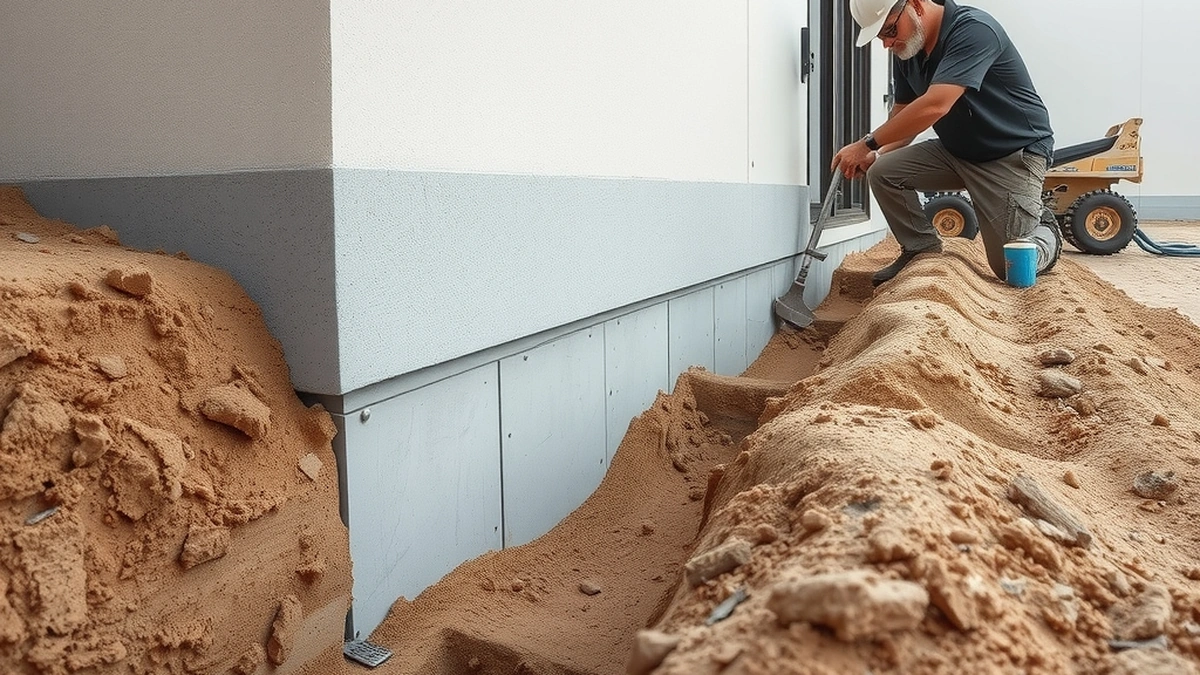
Root barriers can help manage root-related soil moisture changes near a foundation, but they do not repair existing structural damage or replace piers when settlement has occurred.
- Typical barrier depth
- 18-36 inches
- Installed cost estimate
- $2-$6 per linear foot
- Best used for
- Moisture management, not structural repair
- Structural repair alternative
- Push or helical piers
Some links on this page are affiliate links.If you buy through them we may earn a commission at no extra cost to you. We do not accept payment for rankings. Read the full disclosure.
Root barriers can help manage tree roots near a home, but they do not protect a foundation from structural failure on their own. If the foundation is already settling or cracked, installing a barrier will not lift it or close the crack. A barrier is a moisture-management tool, not a structural repair.
Homeowners often ask whether a root barrier is worth the cost before calling a contractor. The answer depends on what is actually happening under the slab. This guide explains what root barriers do, when they are appropriate, and how they compare with structural options such as piers.
What a Root Barrier Actually Does
A root barrier is a physical sheet, usually high-density polyethylene (HDPE), installed vertically in a trench between a tree and a foundation. Its purpose is to redirect roots downward or away from the structure so they do not draw moisture from the soil directly beneath the footing.
Tree roots consume water. In clay-heavy soil, that moisture loss can cause the soil to shrink, which may contribute to differential settlement. A barrier does not stop roots from growing entirely, and it does not add support to a foundation. It only changes where roots can explore near the building.
If a foundation is already cracked or sloping, the cause may be poor compaction, drainage, plumbing leaks, or soil consolidation rather than roots. Installing a barrier in that situation treats a symptom that may not exist.
Measure First: Cracks and Movement
Before spending money on any barrier, measure the foundation. Crack width and displacement determine whether the issue is cosmetic or structural.
- Hairline cracks up to 1/16 inch are typically cosmetic.
- Cracks at or above 1/8 inch warrant closer monitoring.
- Lateral wall movement beyond 2 inches generally indicates a serious structural condition.
A tape measure and a crack monitor cost far less than a barrier system. If cracks are active or widening, a structural engineer inspection is the right first step. Inspection fees typically run $400 to $1,500, and lead times are usually 1 to 2 weeks. That data determines whether you need a barrier, piers, or nothing at all.
When Root Barriers Make Sense
Root barriers are most reasonable when:
- A large tree sits within 10 to 20 feet of the foundation.
- Soil is expansive clay that shrinks and swells with moisture changes.
- There is no active structural movement yet, and the goal is to reduce future risk.
- Drainage and plumbing have already been ruled out as causes of soil movement.
In these cases, a barrier can be part of a long-term moisture management plan. It should be paired with proper gutter discharge, grading that slopes away from the home, and leak checks on sewer lines.
When Root Barriers Do Not Help
A root barrier will not:
- Lift a settled slab.
- Stabilize a bowing basement wall.
- Repair a cracked foundation.
- Replace the need for piers if bearing soil has failed.
If the foundation shows active settlement, the correct method is usually piers, not a barrier. Push piers cost roughly $1,000 to $3,000 each, while helical piers run about $700 to $2,500 each. A full pier job often totals $6,000 to $30,000 depending on pier count and depth to bearing. A root barrier cannot avoid those costs if structural support is required.
Cost Arithmetic for Barriers vs. Repairs
Installed root barriers are commonly estimated at $2 to $6 per linear foot. For a 100-foot run along one side of a home, the material and labor estimate would be:
100 feet × $2 = $200
100 feet × $6 = $600
So the job might range from $200 to $600, though site conditions, depth, and access can change that figure. By comparison, a single push pier at $1,000 to $3,000 can exceed the entire barrier budget. A four-pier job at $2,000 each would be $8,000 before excavation or engineering.
Average foundation repair costs typically fall between $4,000 and $15,000, while major repairs can reach $20,000 to $40,000. Full replacement may run $40,000 to $150,000. A barrier costing a few hundred dollars is not a substitute for any of those scopes.
Installation Basics
A contractor typically:
- Locates utilities and marks the trench line.
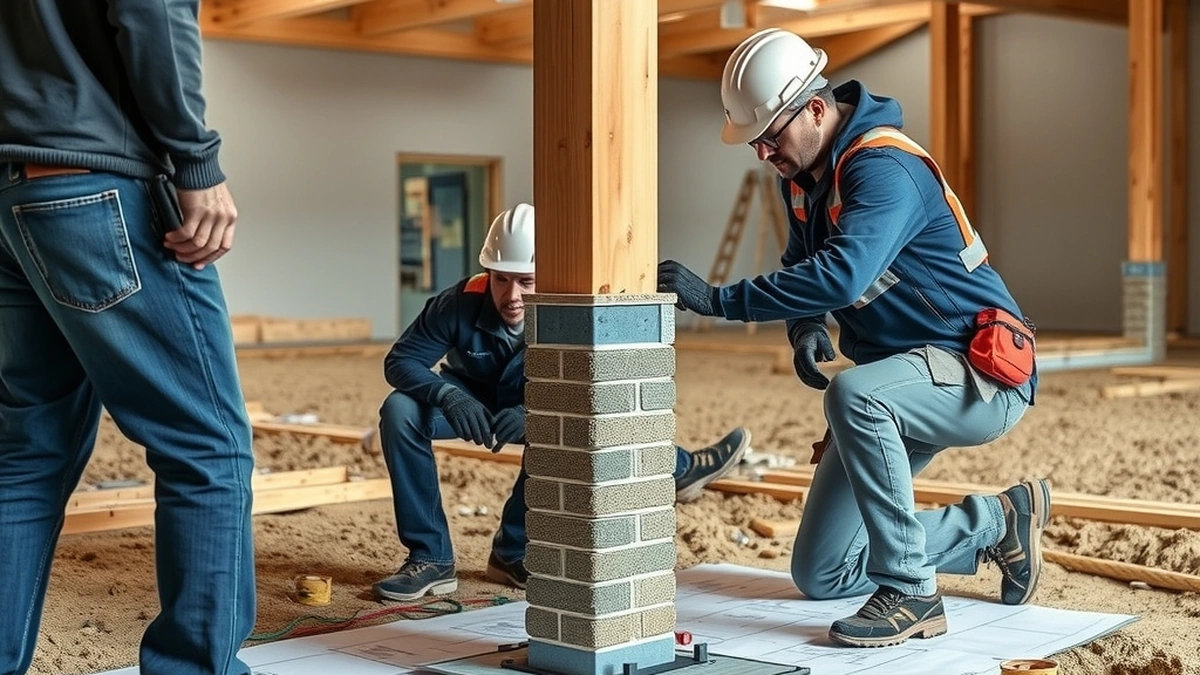
- Excavates a trench 18 to 36 inches deep along the foundation or tree line.
- Places the barrier panel into the trench with the top edge slightly above grade or at slab level, depending on design.
- Backfills and compacts the soil in layers.
Barrier depth matters. A shallow barrier at 12 inches may be bypassed by roots that grow deeper or over the top. Deeper installation increases cost but improves the chance of redirecting root growth away from the footing zone.
No barrier guarantees that roots will not eventually affect soil moisture. Roots can grow around ends, under poorly keyed edges, or through gaps at joints. Treat the installed life as an estimate, not a warranty.
How Barriers Compare With Structural Repairs
If measurement shows foundation movement, structural options carry different costs and outcomes:
- Push piers: $1,000 to $3,000 each; lifetime transferable warranties are common.
- Helical piers: $700 to $2,500 each; often used when soil conditions favor screw-type installation.
- Slab lifting with mudjacking: $3 to $8 per square foot; typical life 5 to 15 years.
- Polyurethane foam lifting: $5 to $15 per square foot.
- Carbon fiber straps for wall cracks: $400 to $1,200 per strap.
- Wall anchors: $500 to $1,500 each.
A root barrier sits outside this hierarchy. It is preventive or adjunctive, not corrective. If a home needs piers, spending $500 on a barrier first delays the real repair and risks further movement.
Permits and Timing
Permit requirements vary by city and county, typically taking 1 to 3 weeks when required. Trenching near a foundation may trigger inspection rules depending on local code. Engineer inspection lead times are usually 1 to 2 weeks. Schedule the inspection before any excavation so the repair method matches the measured condition.
Bottom Line
Root barriers can reduce root-related moisture changes near a foundation, but they do not protect against structural failure and they do not repair existing damage. Measure crack width and displacement first. If movement is active or beyond cosmetic limits, pursue piers or another structural repair. Use a barrier only as a secondary moisture-management step after the structure is stable.
Learn more about typical foundation repair pricing
Frequently asked questions
Do root barriers stop foundation cracks?
No. Root barriers may reduce future soil moisture changes from roots, but they do not close or repair existing foundation cracks.
How deep should a root barrier be?
Barriers are typically installed 18 to 36 inches deep, depending on root species and local soil conditions.
Can I install a root barrier myself?
Homeowners can install simple barriers, but trenching near a foundation carries risk if footing depth or utility lines are unknown.
Do root barriers work on all tree types?
Effectiveness varies by species, root structure, and barrier material; some aggressive roots can grow over or around shallow barriers.
Will a root barrier lower my repair costs?
It may help avoid future moisture-related movement in some cases, but it will not reduce the cost of piers or other structural repairs already needed.
How long does a root barrier last?
Rigid HDPE barriers can last decades if installed correctly, while fabric or thin plastic barriers may degrade sooner.
Sources
Some links are affiliate links.If you buy through them we may earn a commission at no extra cost to you. We do not accept payment for rankings. Read the full disclosure.