
Problems guides
Cracks, settling, bowing walls, water and uneven floors — diagnosed before anyone quotes.
Read the crack before you read the quote
Most foundation problems announce themselves long before anything structural fails: a crack that widens, a door that stops closing, a floor that slopes toward one corner. The diagnosis is in the pattern, the direction and the rate of change — not in the size of the crack alone.
| Symptom | Likely cause | What proves it | Typical response |
|---|---|---|---|
| Vertical crack in a basement wall | Concrete shrinkage, often harmless | Width stable over 12 months; no displacement | Epoxy or polyurethane injection if leaking |
| Stair-step crack in block | Differential settlement of a footing | Level survey; crack monitor | Piers under the settled corner |
| Horizontal crack in a block wall | Lateral soil pressure, bowing | Plumb measurement; wall survey | Carbon fibre, anchors or rebuild |
| Doors and windows stick | Frame racking from movement | Check square of openings; floor level | Diagnose the cause before adjusting |
| Sloping or bouncy floor | Joist or footing settlement | Crawl space inspection; laser level | Piers, joist repair or slab lifting |
| Water in the crawl space | Grading, downspouts, water table | Moisture readings; drainage survey | Drainage first, encapsulation second |
| Gap between wall and ceiling | Framing movement or settlement | Measurement over time | Engineer if growing |
The three measurements that matter
Width. A hairline crack under 1/16 inch that has not changed in a year is usually cosmetic. A crack over 1/8 inch, or one that has widened since you last looked, is worth an engineer.
Displacement. Run a finger across the crack. If one side is proud of the other, the wall has moved in or out of plane — that is a structural signal, not a cosmetic one.
Rate. Install a $20 crack monitor and read it monthly. A crack that moves 1/16 inch in a season is a different problem from one that moved in 2015 and stopped.
What NOT to do first
- Do not patch a moving crack with hydraulic cement and call it repaired — it will reopen and hide the evidence.
- Do not let a contractor quote piers before anyone has measured floor levels or inspected the crawl space.
- Do not treat a wet basement as a structural problem until drainage is fixed; water is often the cause, not the symptom.
- Do not accept "all houses settle" as an answer to a crack that is actively widening.
Symptoms that are not foundation problems
Sticking doors in a humid summer, a crack above a doorway from a previous renovation, and a slab crack that follows a control joint are usually not structural. The test is whether the movement is progressive and whether it is tied to a load path. A $300 engineer's inspection is cheaper than a $12,000 pier system sold to fix a humidity problem.
The foundation types hub explains which failures belong to slab, crawl space, basement and pier-and-beam construction, and the repair methods hub covers what each fix does. Start with the crack types guide if the symptom is a visible line.
When should I worry about a foundation crack?
When it is wider than 1/8 inch, when one side is displaced, when it is horizontal in a block wall, or when it is growing. Width alone is not the test — change over time is.
Can a foundation problem fix itself?
No. Soil movement can pause in a dry season, but the void and the lost bearing capacity remain. Monitoring is reasonable; assuming it is over is not.
How much does an inspection cost?
A structural engineer typically charges $400–$1,500 for a site visit and a stamped letter. Contractor inspections are usually free — and usually end in a quote, which is why the independent letter matters.
All problems guides
Basement Waterproofing Problems and Limits
Waterproofing fails when the water source is missed, the drain clogs, or the wall was never structurally repaired. See the limits.
Read the guide →
Bowing Basement Guide
How to measure bowing basement walls, compare repair methods, and understand costs without contractor pressure.
Read the guide →
Bowing Walls Repair: What It Costs and How to Fix
Practical guide to bowing walls repair costs, methods, and when to act.
Read the guide →
Cracks in Brick Veneer: Causes and Repair Costs
How to measure cracks in brick veneer, when they indicate foundation problems, and what repairs typically cost.
Read the guide →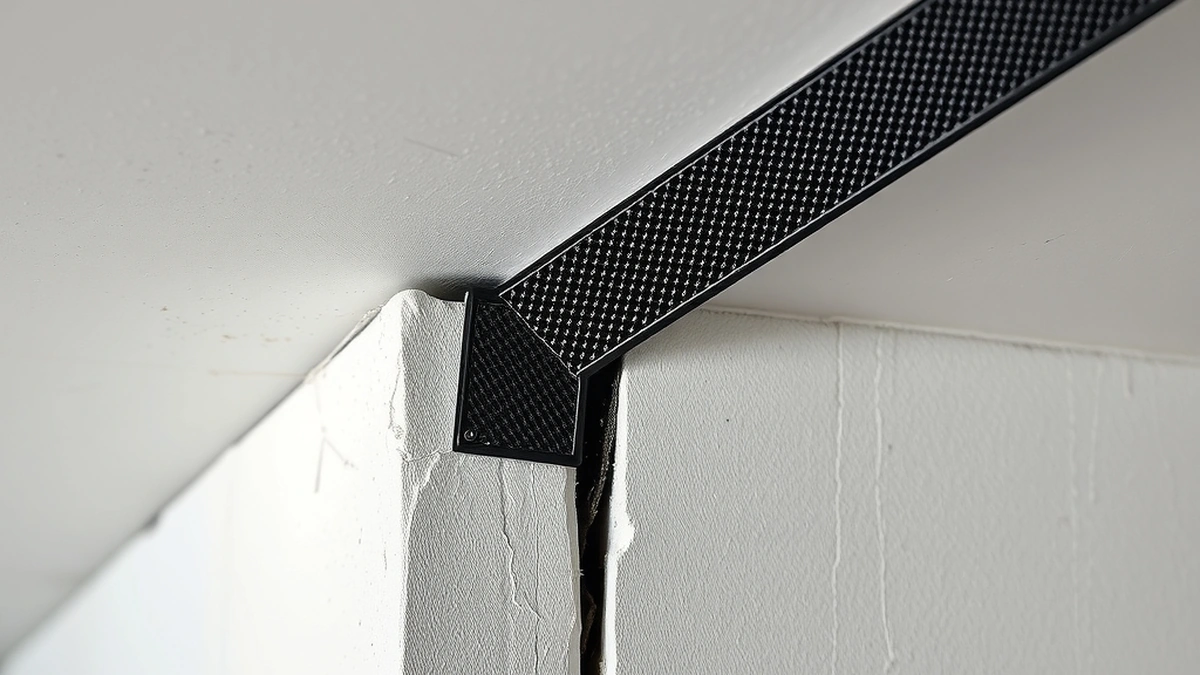
Carbon Fibre Strap Problems: Bond, Bow, Limits
Carbon fibre straps fail when the surface is not prepared, the wall is too far gone, or the water is not fixed. See the limits.
Read the guide →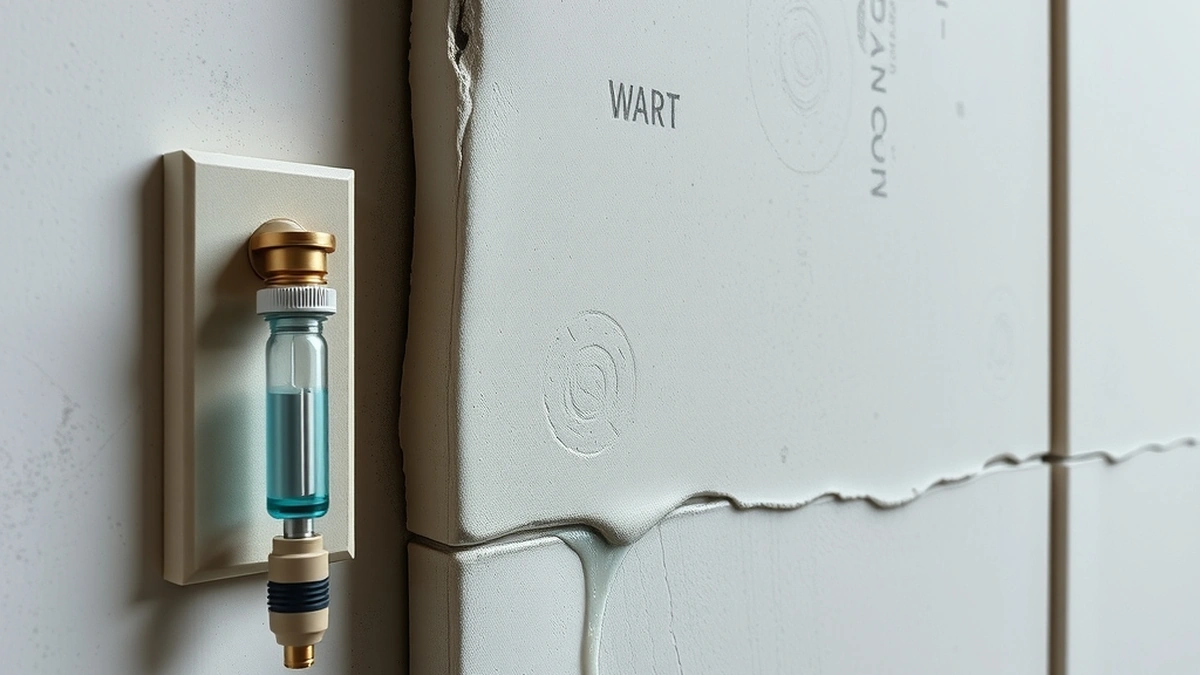
Crack Injection Problems: Wet Cracks That Return
Injection fails on moving walls, wet cracks, and wide voids. See why a sealed crack reopens and what the repair really requires.
Read the guide →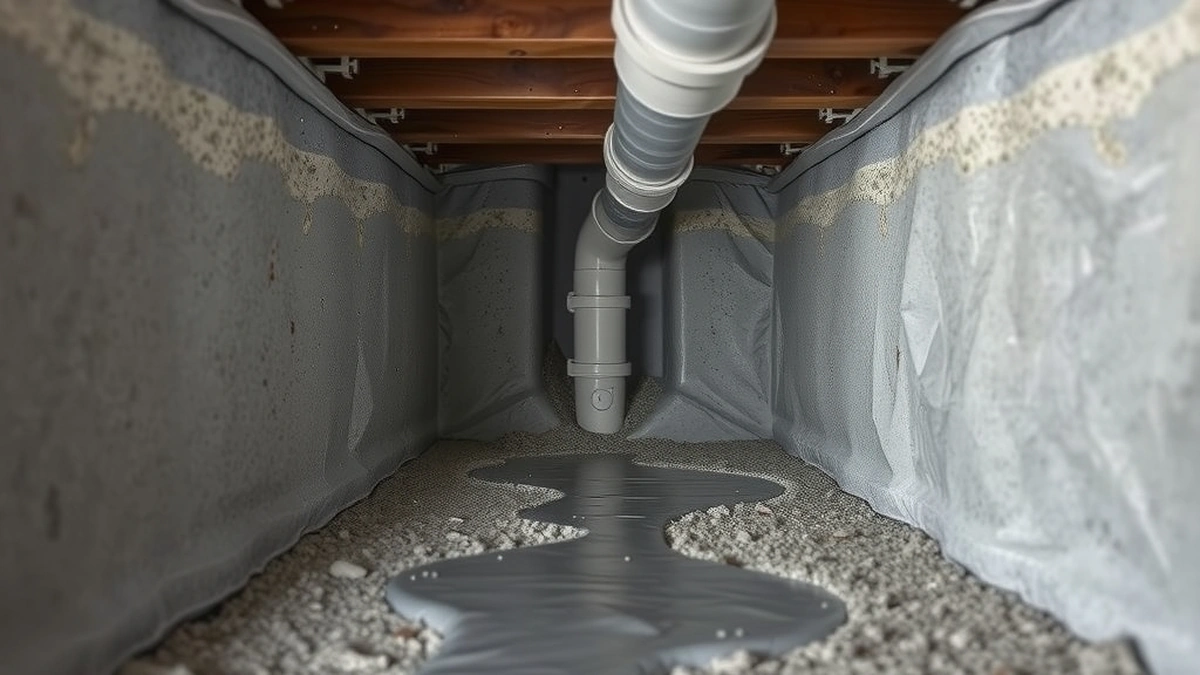
Crawl Space Encapsulation Problems and Limits
Encapsulation problems include trapped water, unsealed penetrations, undersized dehumidifiers, and mold left in place. See the limits.
Read the guide →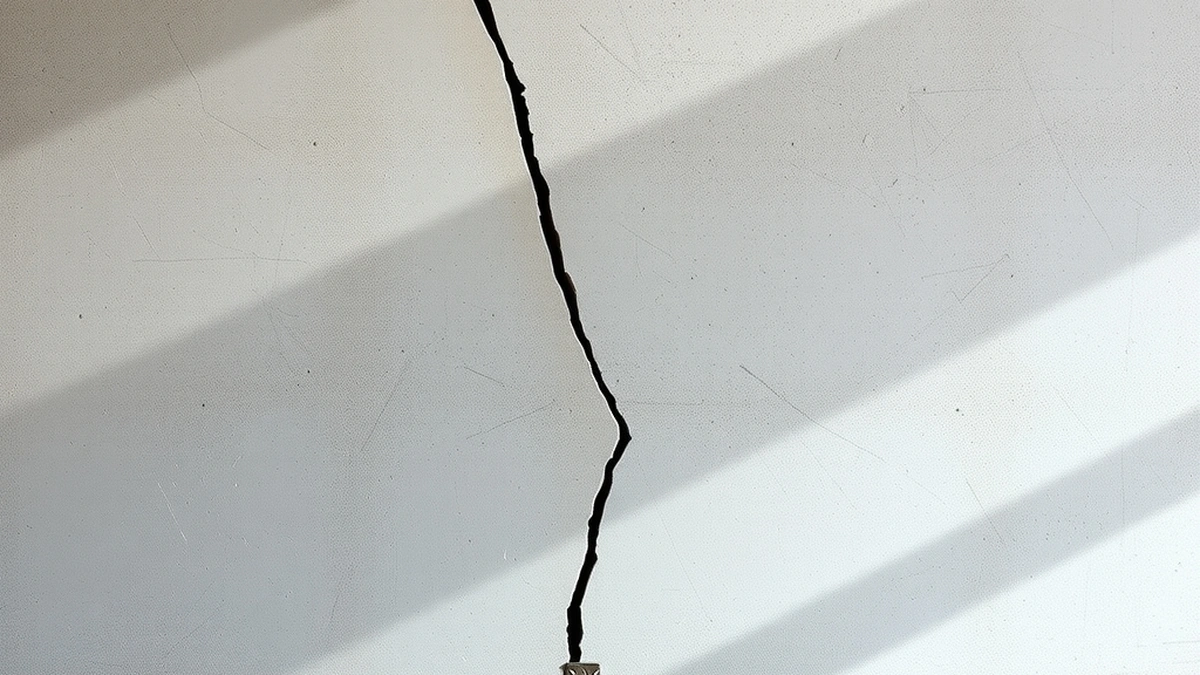
Differential Settlement Explained: Causes and Fixes
What differential settlement means for your foundation, how to measure it, and typical repair costs.
Read the guide →
Expansive Clay Repair: Managing a Swelling Soil
Expansive clay swells when wet and shrinks when dry, moving foundations. See the repair options and what each one costs.
Read the guide →
Expansive Clay Soil and Foundation Movement
How expansive clay soil causes foundation movement, how to measure it, and what repair options typically cost.
Read the guide →
Foundation Crack Repair: When to Fix and What It Costs
Learn how to measure foundation cracks, choose the right repair method, and estimate costs for US homes.
Read the guide →
Foundation Crack Types and What Each Means
Learn how to identify foundation crack types, measure width and displacement, and understand what each pattern means for repair.
Read the guide →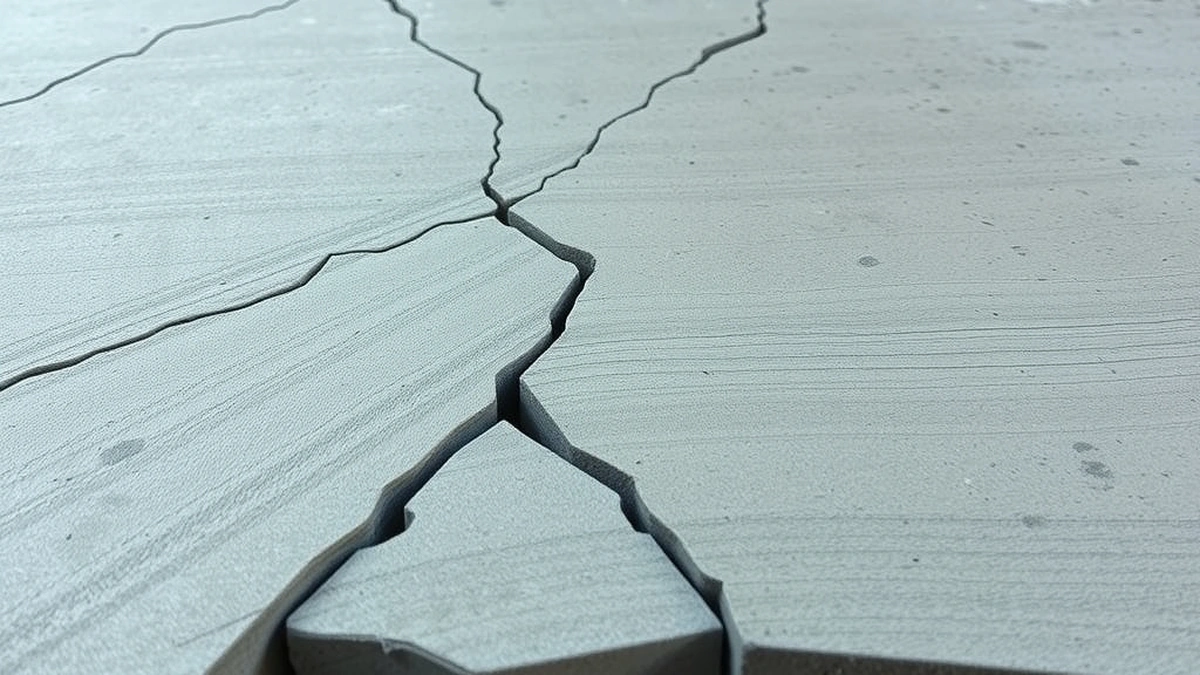
Foundation Heave: When the Ground Pushes Up
Foundation heave occurs when soil expands and lifts a slab or footing. Learn causes, warning signs, repair methods, and cost ranges.
Read the guide →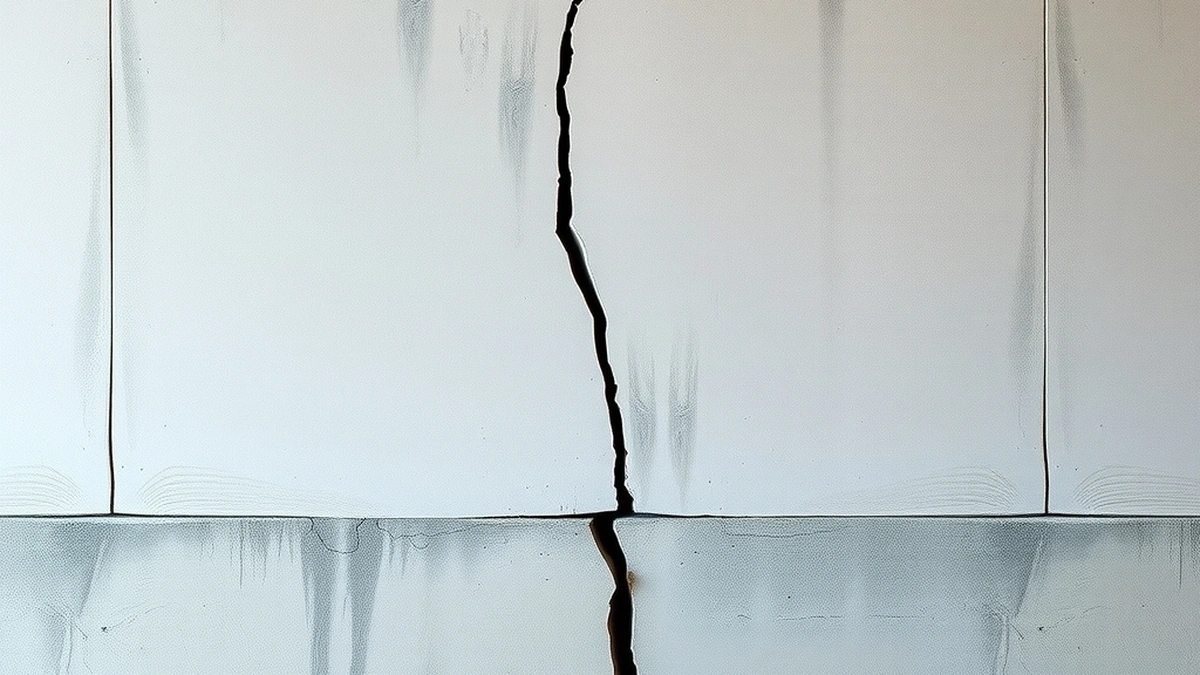
Foundation Heave Repair: When the Ground Pushes Up
Foundation heave is upward movement from expanding soil, not settlement. See how to identify it and why piers make it worse.
Read the guide →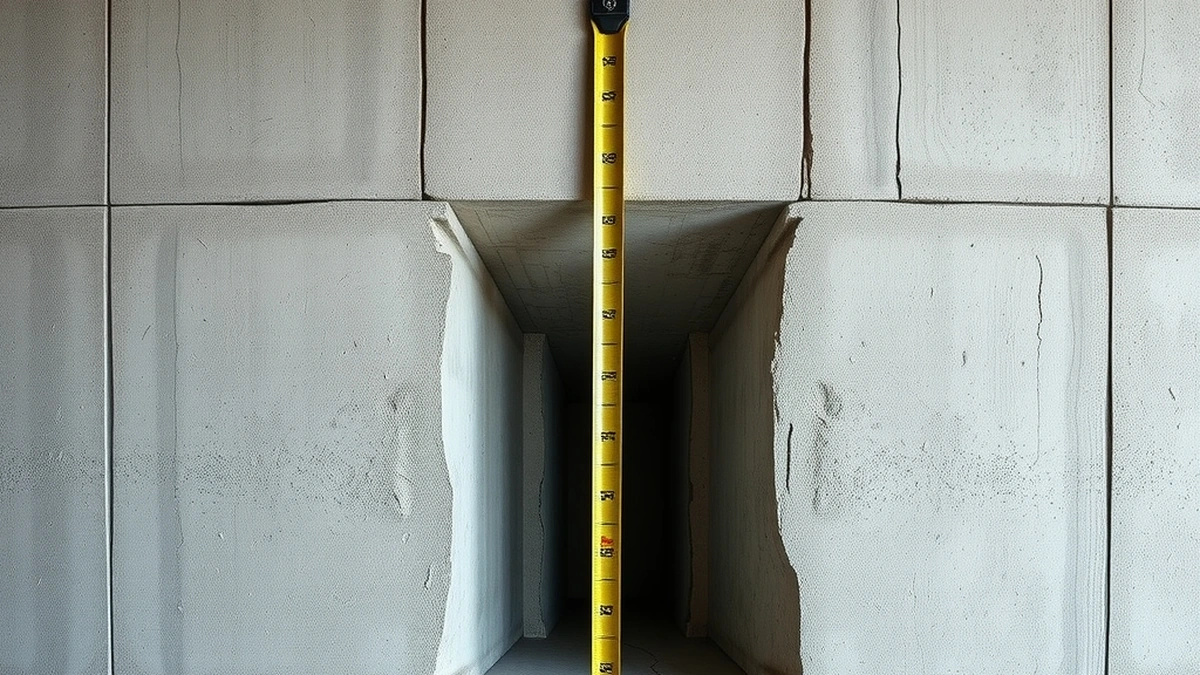
Movement vs Settlement: What Is the Difference
Foundation movement and settlement are not the same problem. Learn how to tell them apart and what each means for repair.
Read the guide →
Foundation Settlement Repair: Methods and Costs
Settlement repair stabilizes a footing that has dropped into weak soil. Compare piers at $700 to $3,000 each with grouting and slab lifting.
Read the guide →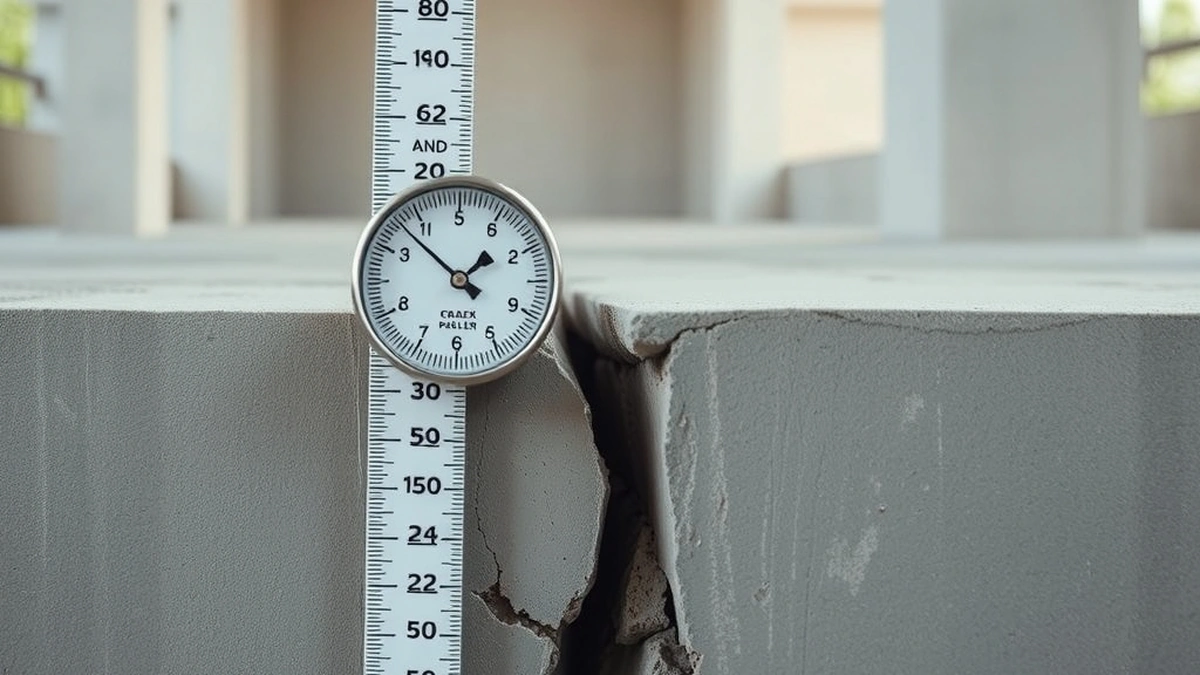
Foundation Settling Repair: Stage by Stage
Settling moves in stages, and the repair changes with each one. See what to do at 1/8 inch, at 1 inch, and at the 2 inch limit.
Read the guide →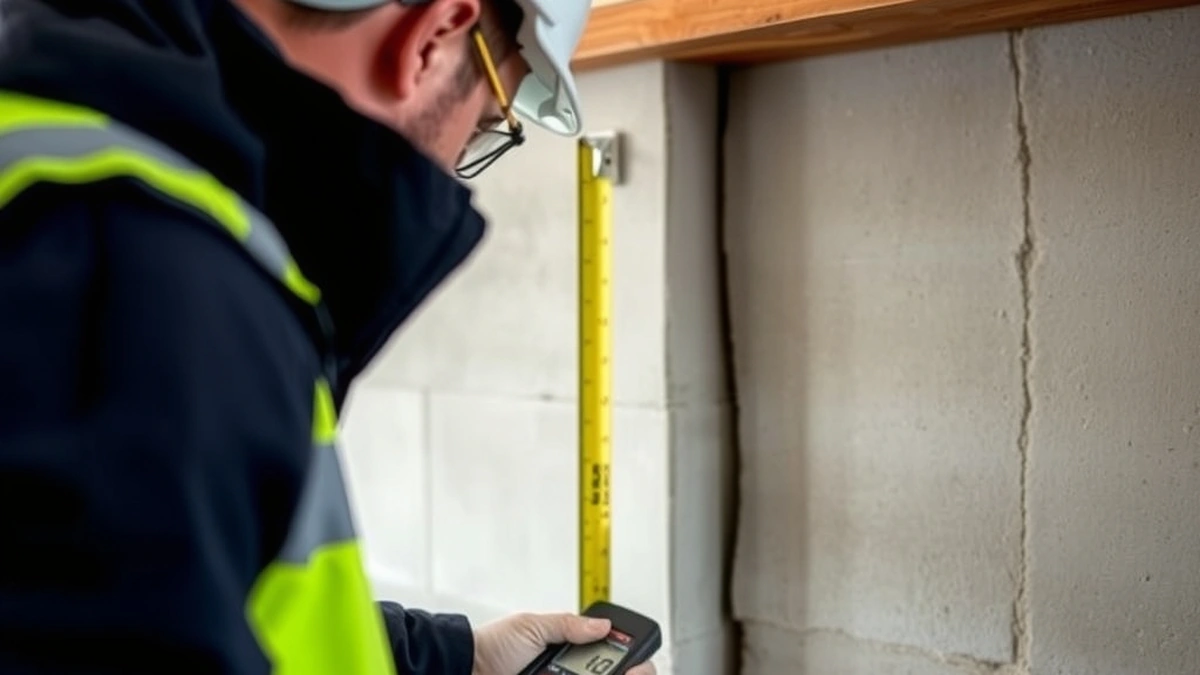
Signs a Foundation Is Settling: What to Measure First
A numbers-first guide to identifying foundation settlement, including crack widths, displacement limits, and repair cost ranges.
Read the guide →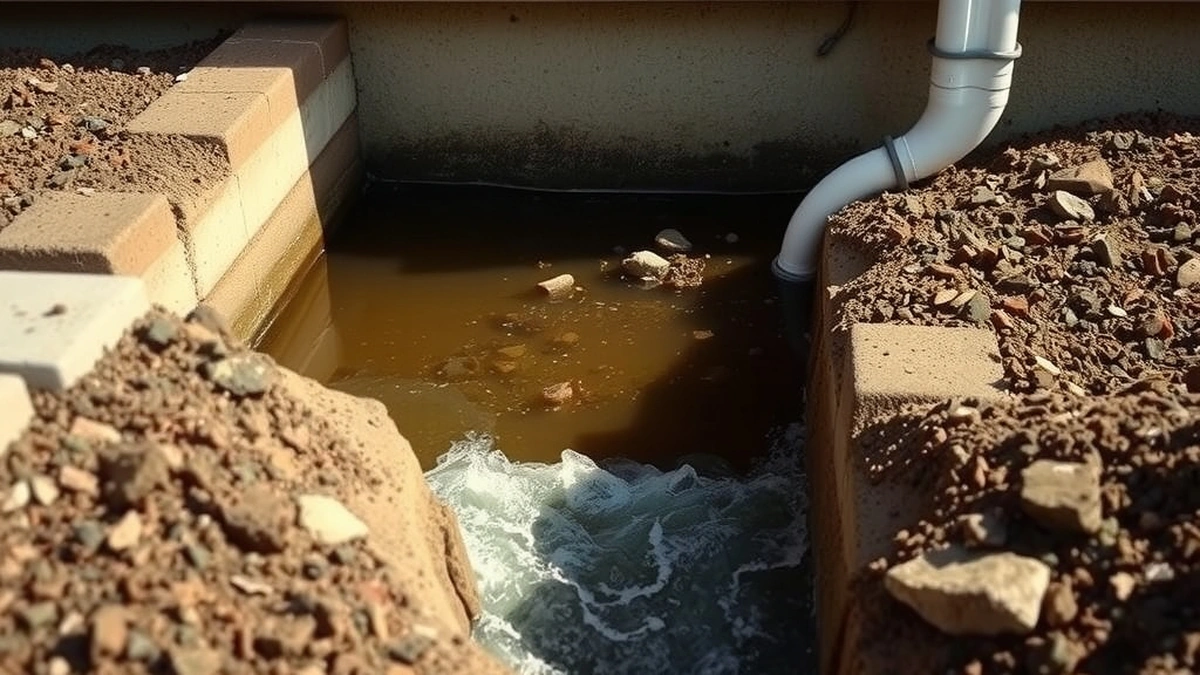
French Drain Problems: Clogs, Slopes, and Failures
French drains fail from silt, flat pipe, wrong stone, and bad discharge. See how to diagnose a failing drain and what a rebuild costs.
Read the guide →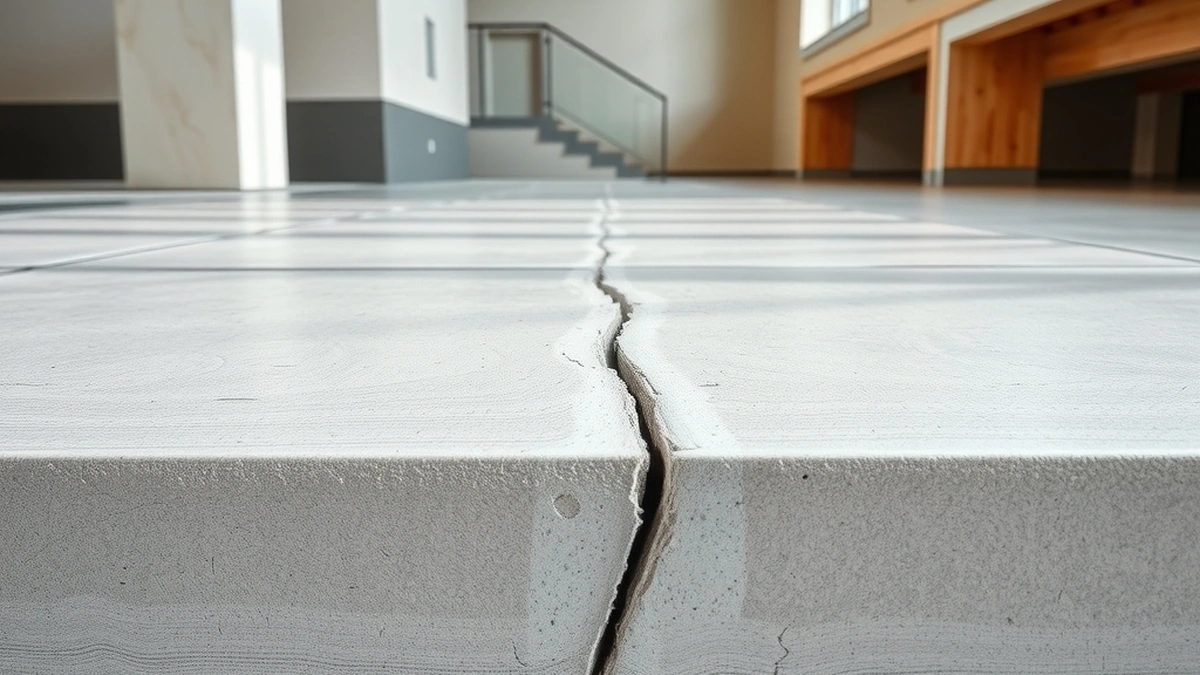
Frost Heave and Foundation Damage: What It Costs to Fix
How frost heave moves foundations, how to measure the damage, and what repair methods typically cost.
Read the guide →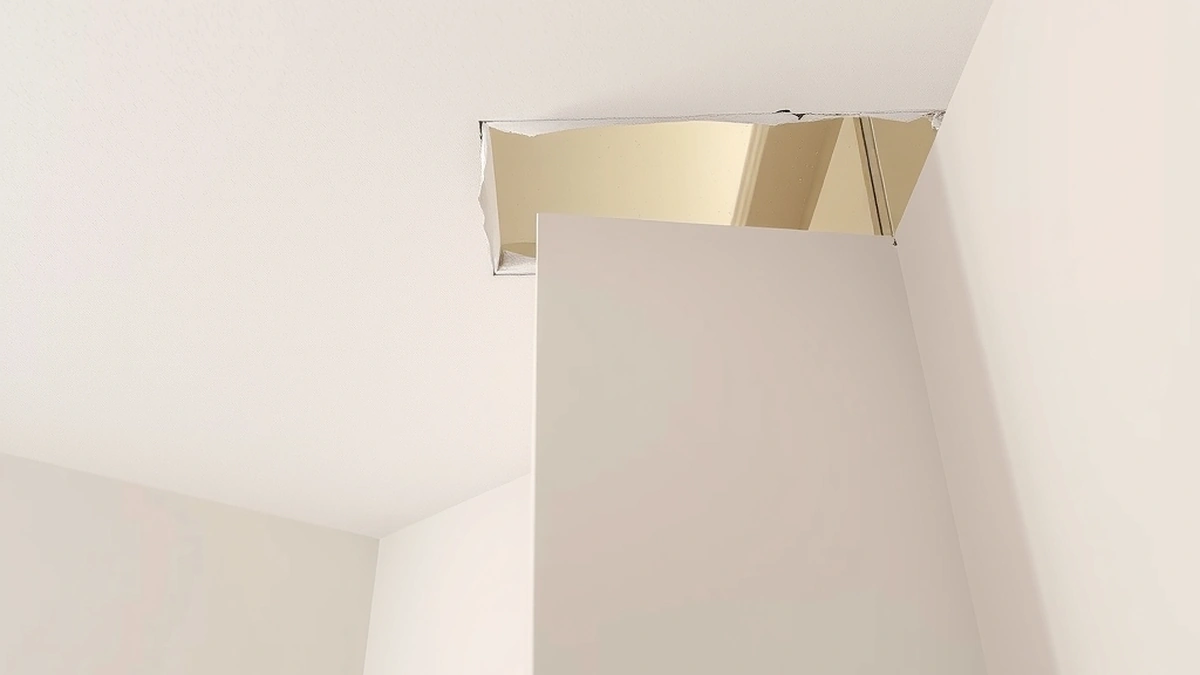
Gap Between Wall and Ceiling: Causes and Repair Costs
A gap between wall and ceiling often signals foundation movement. Learn how to measure it, what causes it, and what repairs typically cost.
Read the guide →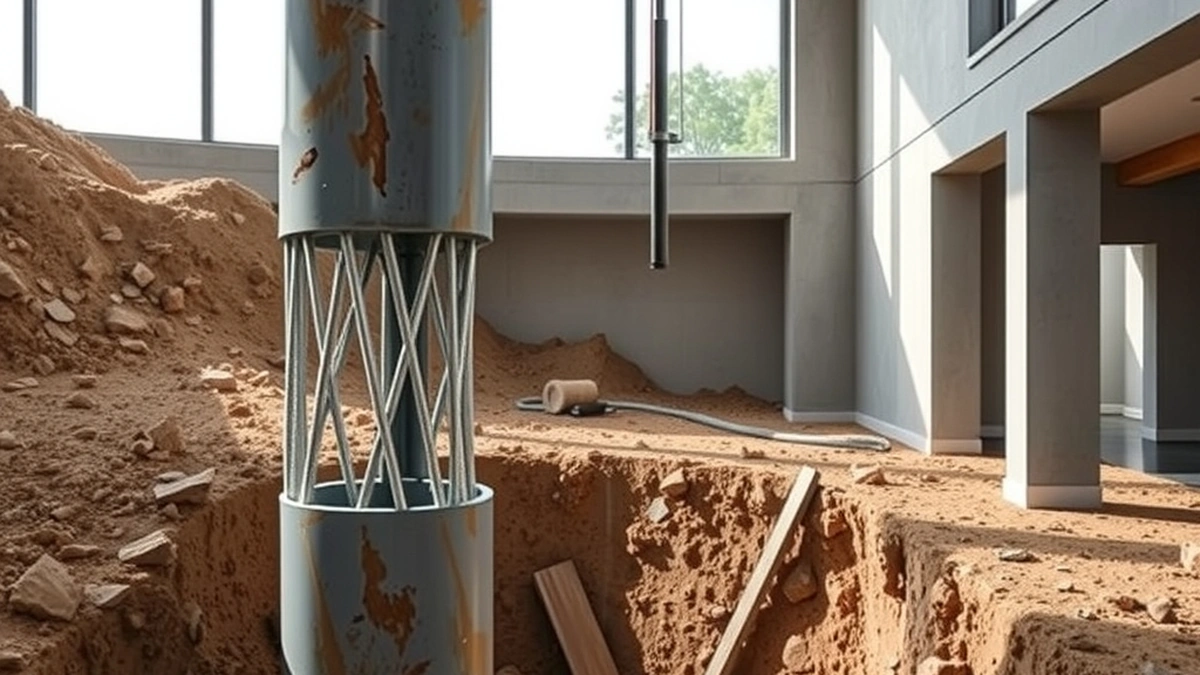
Helical Pier Problems: Torque, Soil, and Limits
Helical pier problems come from false torque, obstructions, corrosion, and use on the wrong structure. See the limits and the checks.
Read the guide →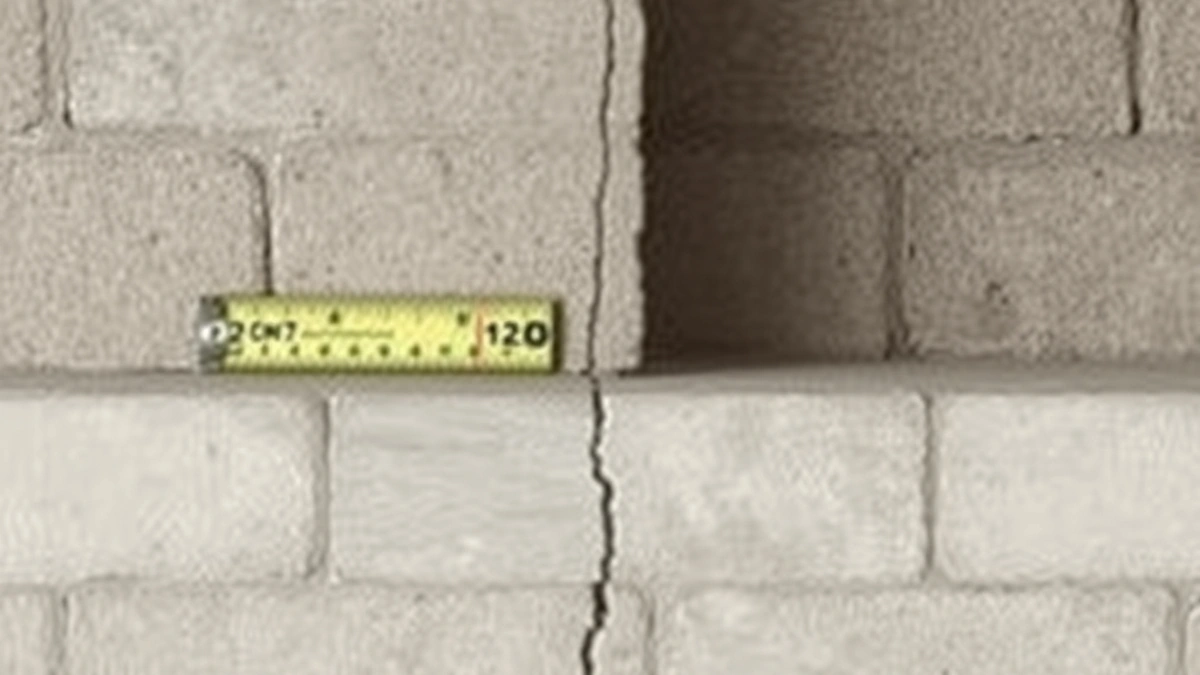
Horizontal Foundation Cracks: Cause and Repair
A horizontal crack in a foundation wall signals lateral soil pressure, not settlement. See how to measure it and which repairs hold.
Read the guide →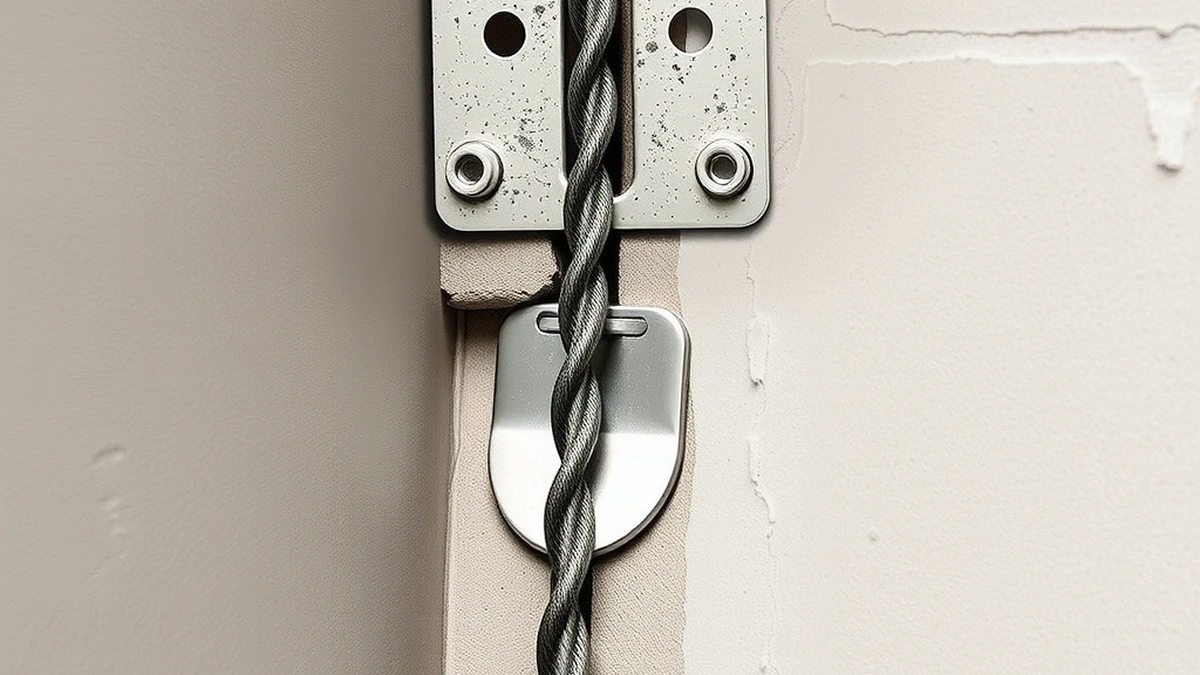
Horizontal Foundation Crack Repair: Methods That Hold
Horizontal cracks need restraint, not filler. Compare wall anchors at $500 to $1,500 each with carbon fibre straps at $400 to $1,200 each.
Read the guide →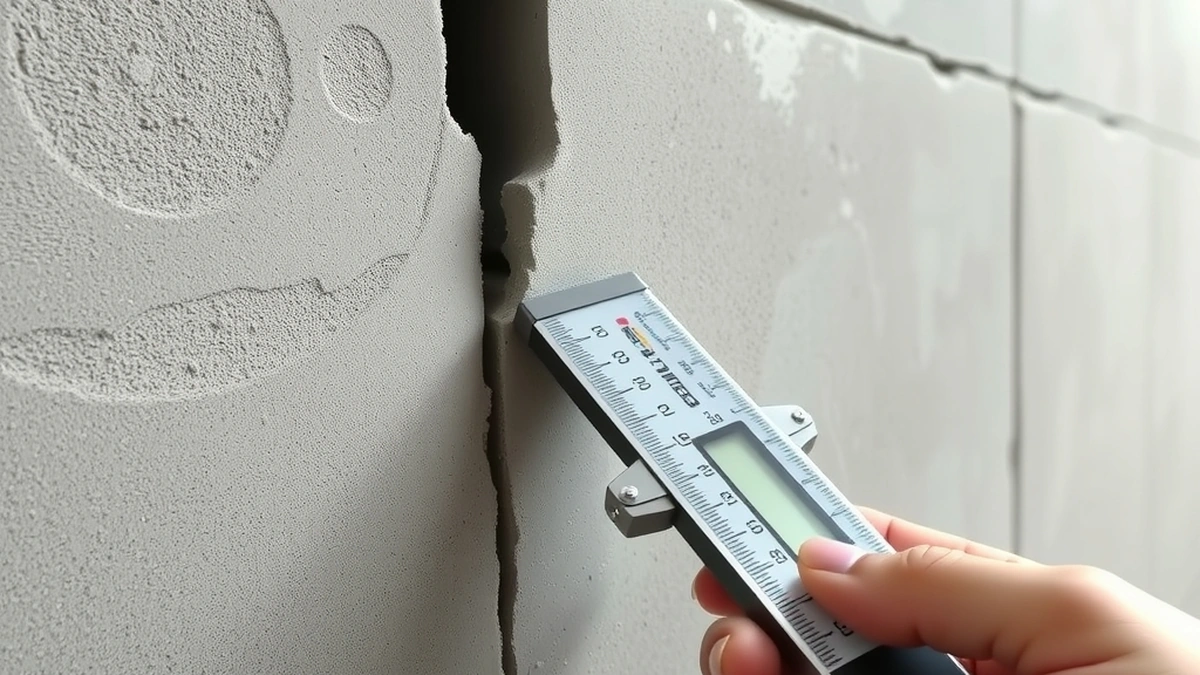
How to repair a cracked foundation
A step-by-step guide to measuring foundation cracks, sealing the cosmetic ones, and recognising when a crack needs structural repair.
Read the guide →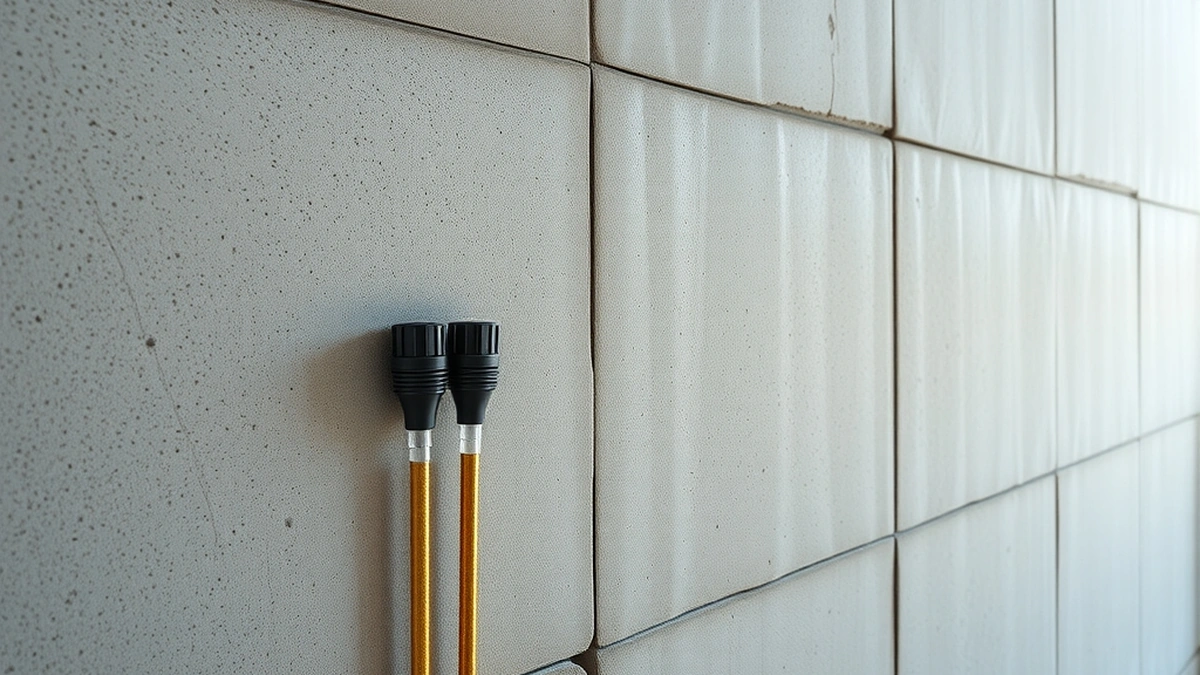
How to repair foundation cracks
Repair methods for foundation cracks by location: poured walls, slabs, brick, and block, with injection steps and when a crack needs an engineer.
Read the guide →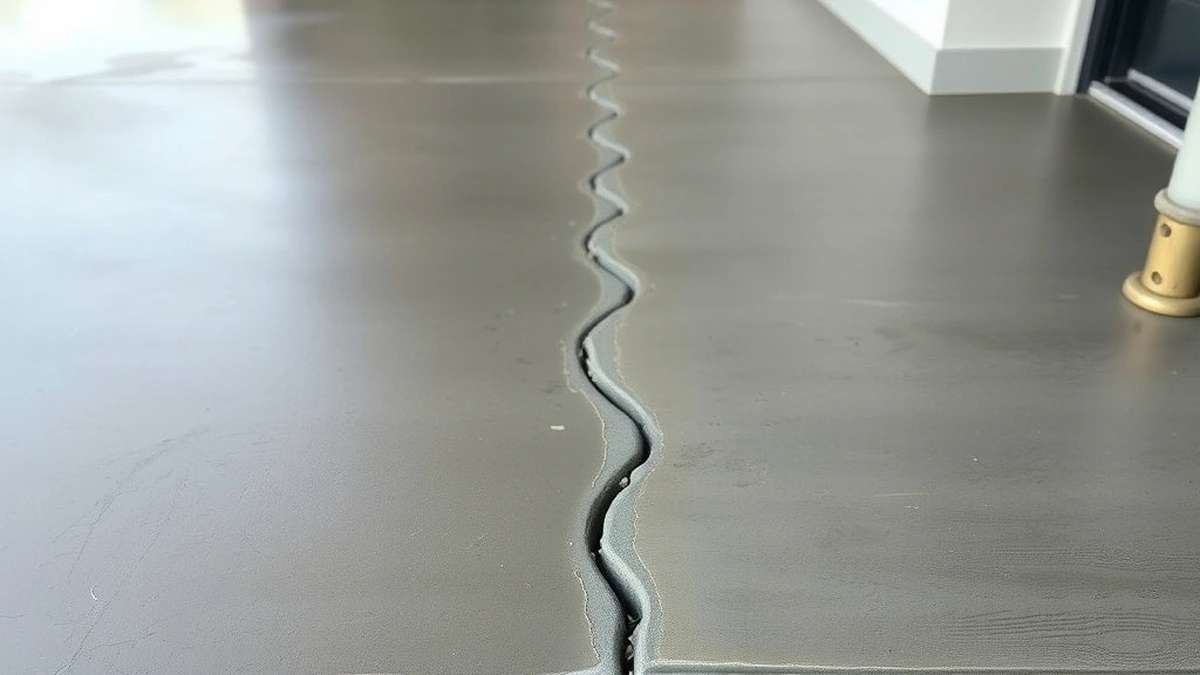
Mudjacking Problems: Limits and Failed Lifts
Mudjacking fails when the void returns, the slab is broken, or the mix is wrong. See the limits and what a failed lift costs.
Read the guide →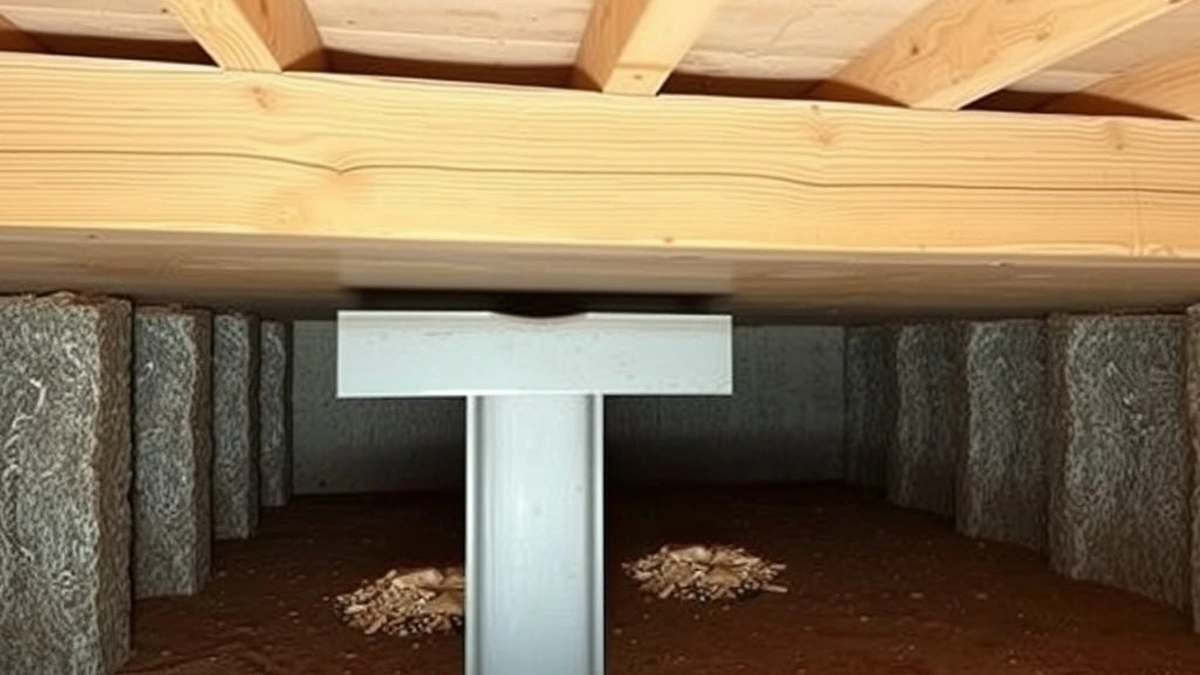
Pier and Beam Leveling Problems and Limits
Pier and beam leveling problems include crushed shims, rotted beams, and piers set on bad soil. See the limits and the costs.
Read the guide →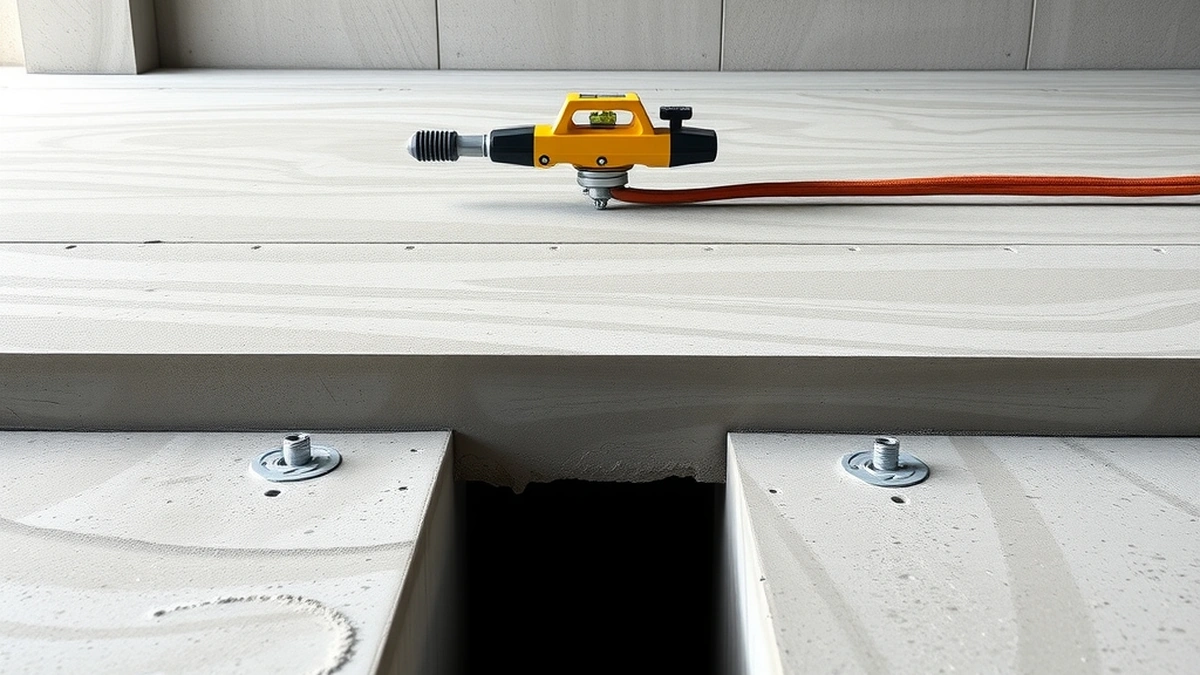
Polyurethane Foam Lifting Problems and Limits
Foam lifting fails when the cause is not fixed, the slab is broken, or the foam is injected too deep. See the limits and the checks.
Read the guide →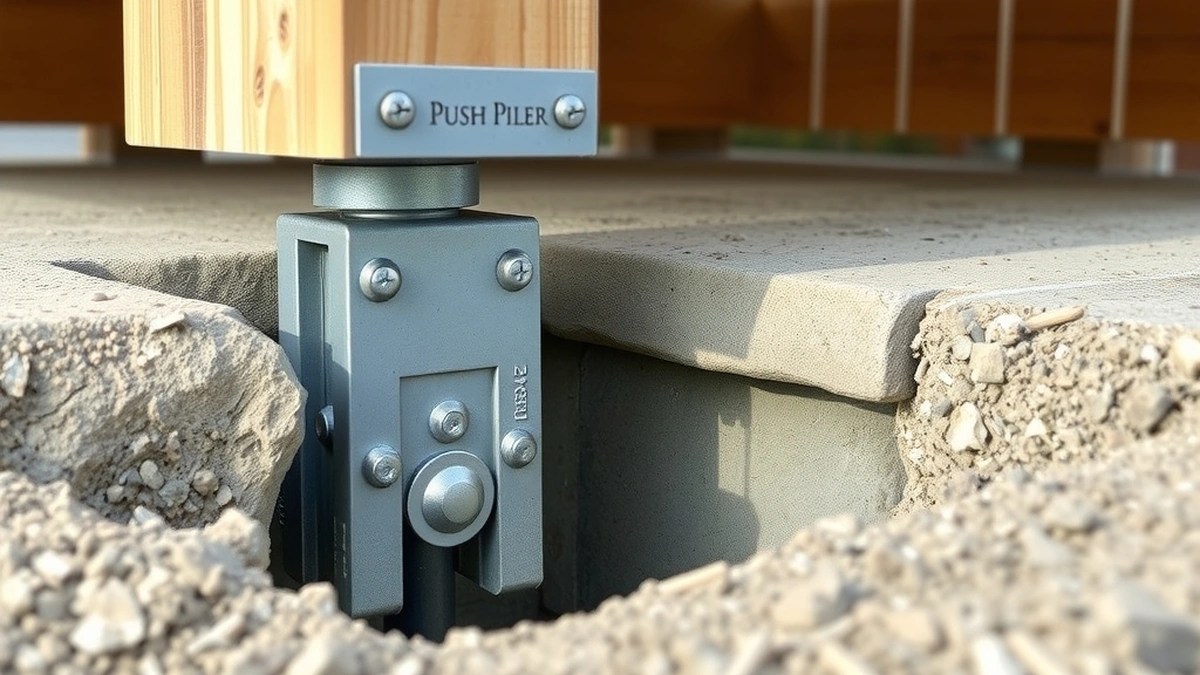
Push Pier Problems: Limits and Failure Modes
Push piers fail when they stop above bearing soil, miss a footing, or are used for the wrong movement. See the limits and the fixes.
Read the guide →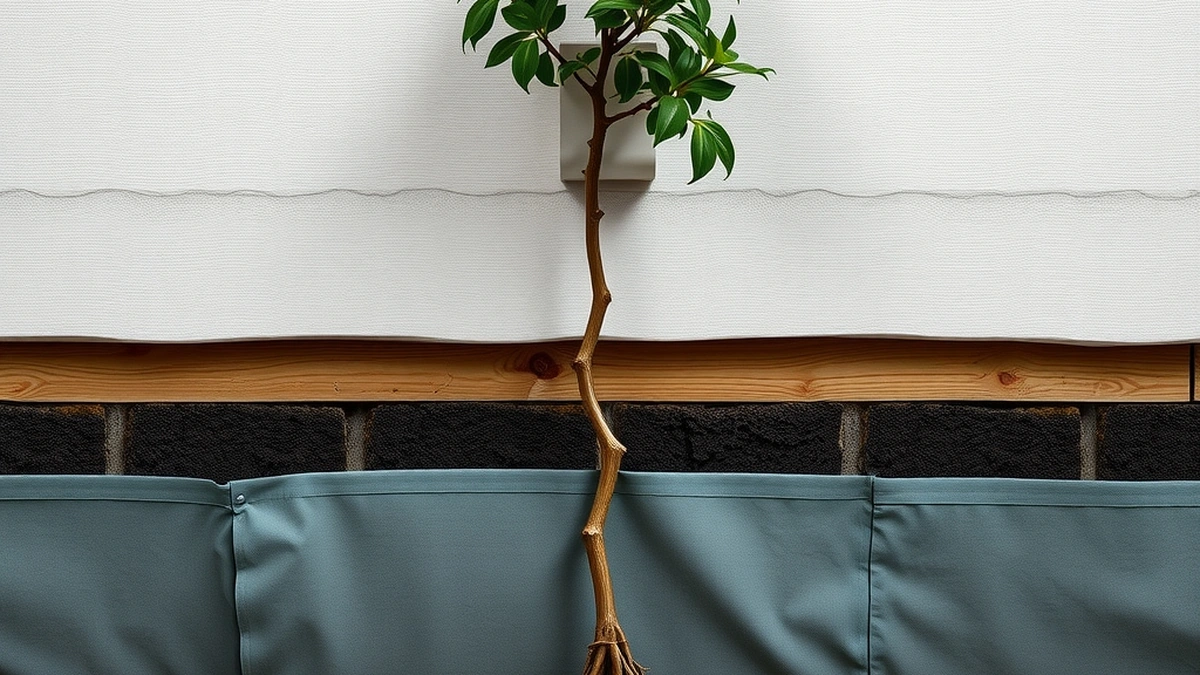
Root Barrier Problems: Depth, Gaps, and Tree Stress
Root barriers fail when they are too shallow, too short, or badly placed. See the limits and how to protect both tree and foundation.
Read the guide →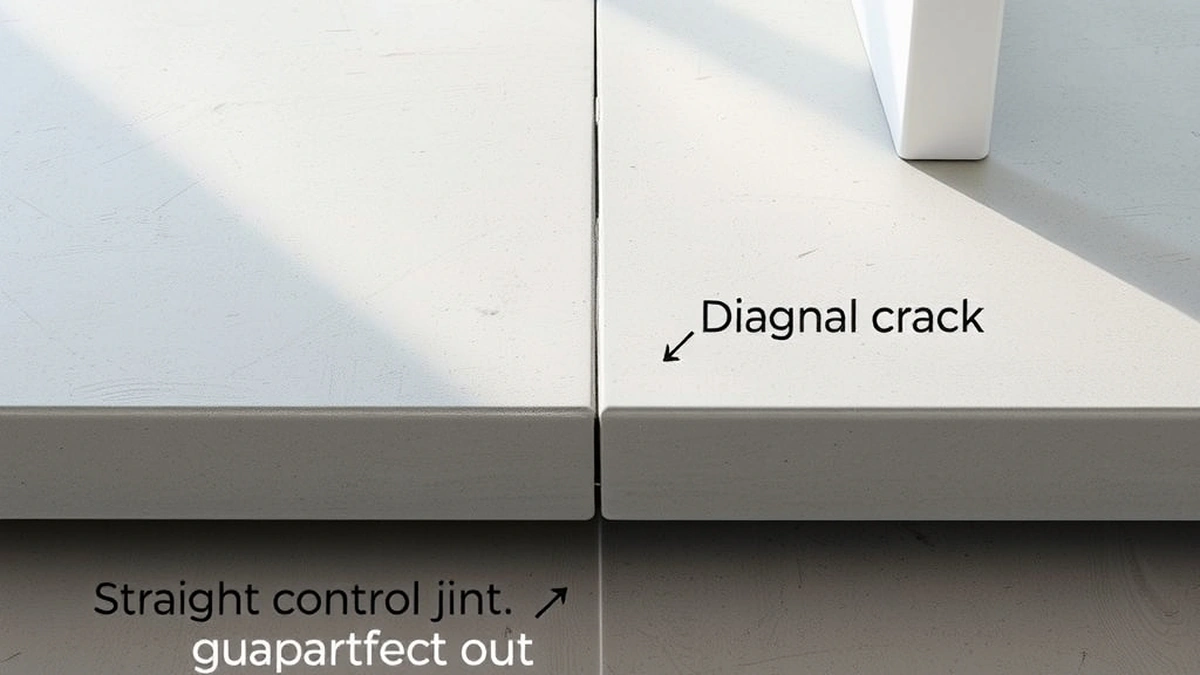
Slab Cracks: Control Joints vs Damage
Learn how to tell normal control joint cracks from structural slab damage and what repairs typically cost.
Read the guide →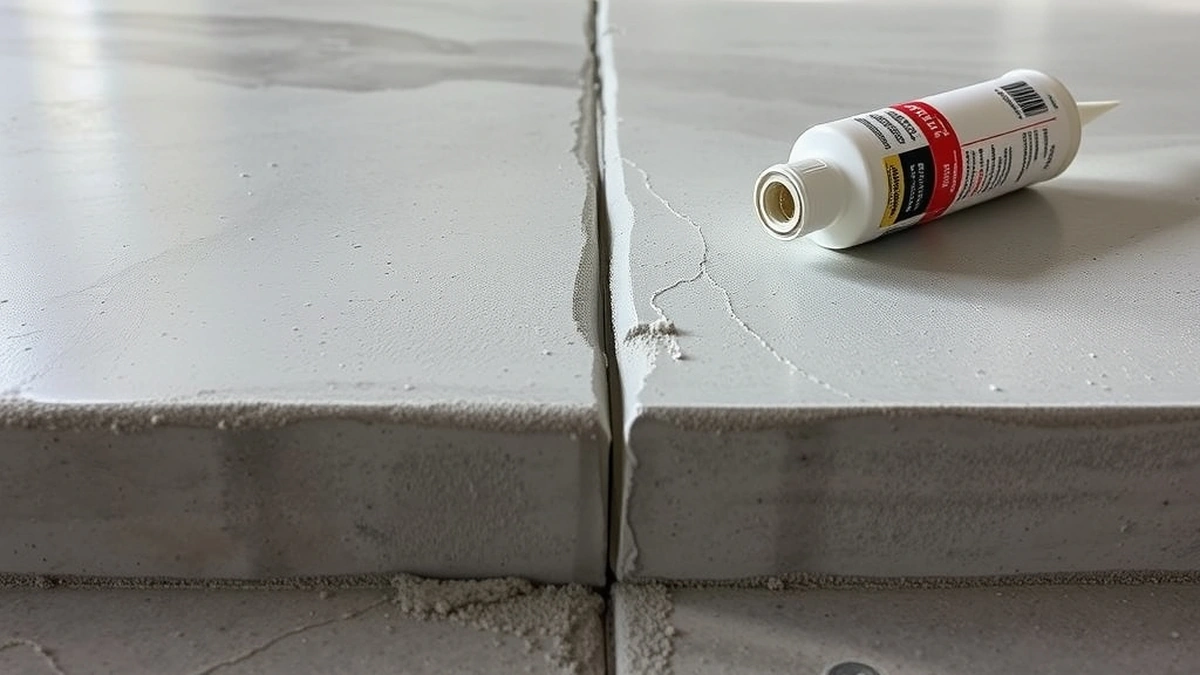
Slab Cracks Repair: Seal, Lift, or Replace
Slab cracks are repaired by sealing at $3 to $8 per sq ft, injection at $400 to $1,200, or replacement. See which crack needs which fix.
Read the guide →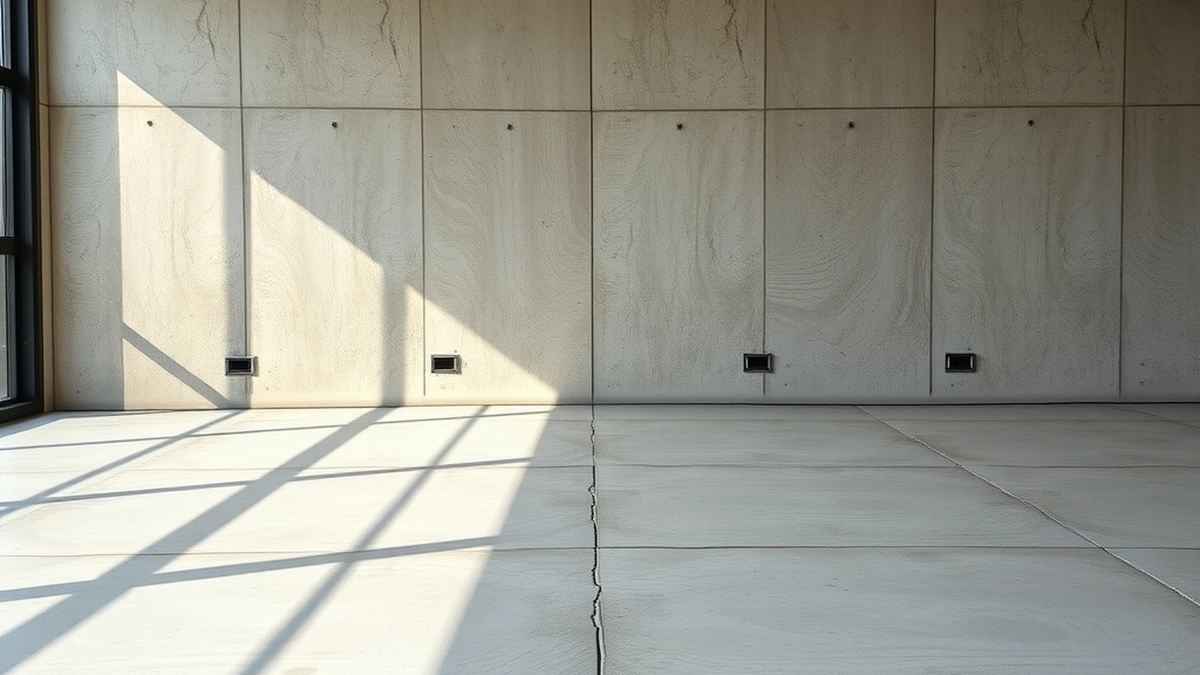
Slab Lifting Problems: Failure Modes and Limits
Slab lifting fails on broken slabs, when water is not controlled, and when the lift overshoots. See the limits and the costs.
Read the guide →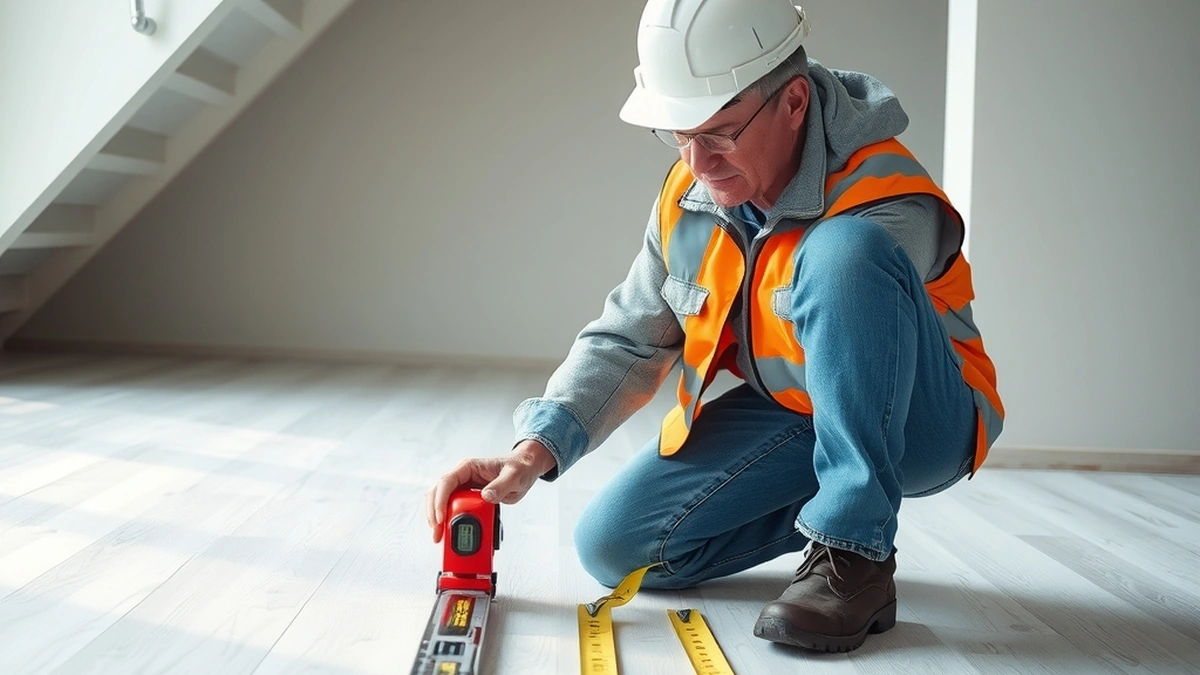
Sloping Floors: Structural or Cosmetic?
How to tell if a sloping floor is a cosmetic issue or a structural problem, with measurement steps and repair cost estimates.
Read the guide →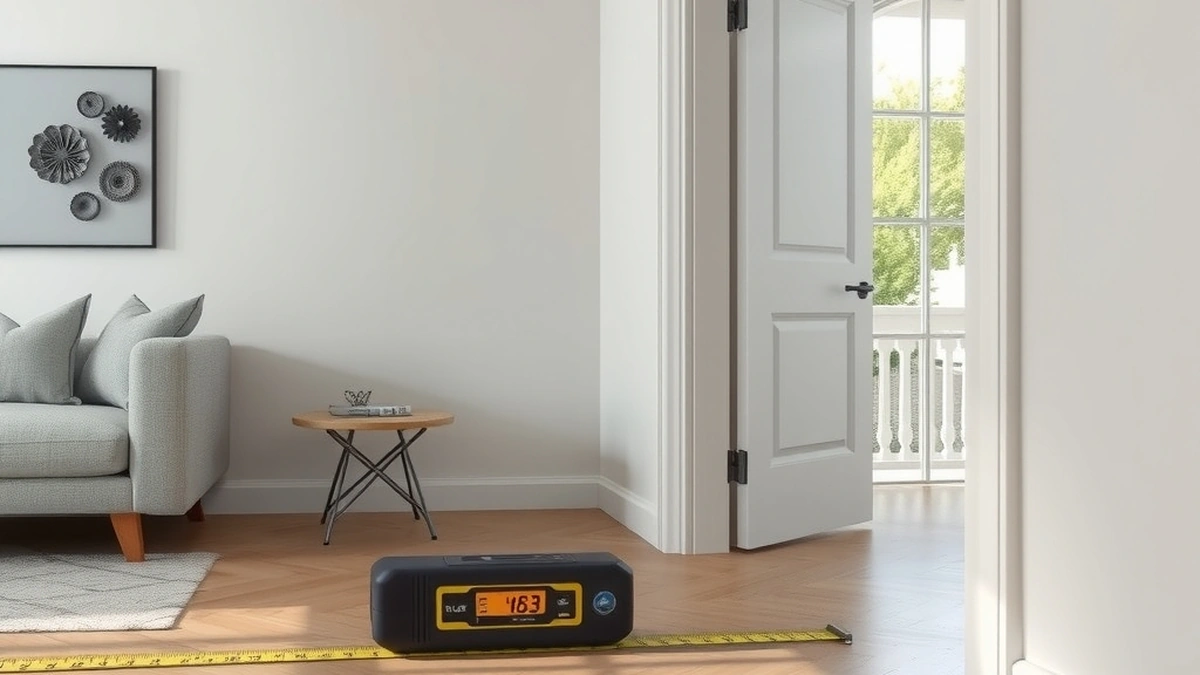
Sloping Floors Repair: Diagnosis and Cost
A sloping floor can come from the foundation, the beams, or the joists. See how to find the cause and what each repair costs.
Read the guide →
Soil Stabilisation Problems and Limits
Stabilisation fails when the wrong technique is used, the dosage is wrong, or the water is not controlled. See the limits and the checks.
Read the guide →
Stair Step Cracks Repair: Reading the Diagonal
A stair-step crack in block follows the mortar joints and usually means settlement. See how to measure it and what repair costs.
Read the guide →
Stair-Step Cracks in Brick and Block: What They Mean
How to measure stair-step foundation cracks in brick and block, when to repair, and what common methods cost.
Read the guide →
Sticking Doors and Foundation Movement: What to Check
Sticking doors often signal foundation movement. Learn how to measure cracks, check door frames, and estimate repair costs before calling a contractor.
Read the guide →
Sticking Doors Repair: Foundation or Hinge?
A sticking door is often a hinge or humidity problem, not a foundation failure. See how to test the cause before paying for repair.
Read the guide →
Sump Pump Problems and Limits: A Diagnostic Guide
Sump pump problems include stuck floats, short cycling, no discharge, and power loss. See how to diagnose each and what repairs cost.
Read the guide →
Tree Roots and Foundations: What Actually Happens
How tree roots interact with foundations, when to worry, and what repairs cost.
Read the guide →
Tree Roots Repair: Damage, Barriers, and Cost
Tree roots can dry soil, lift slabs, and crack foundations. See how to diagnose root damage and what a root barrier costs.
Read the guide →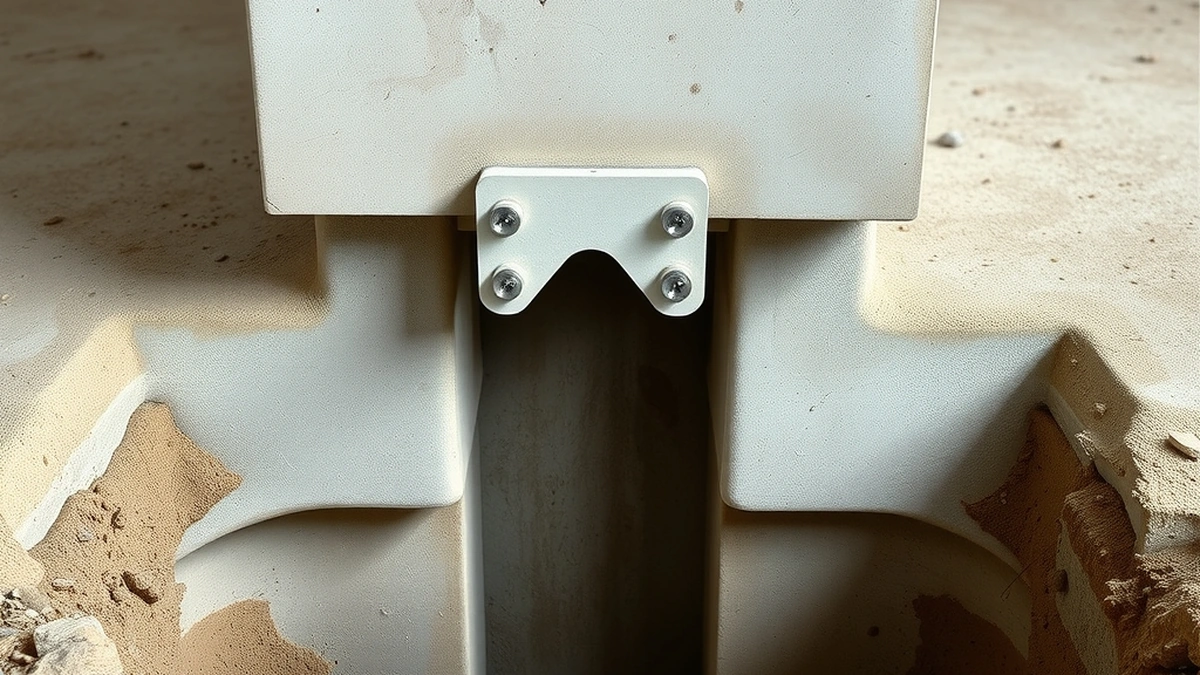
Underpinning Problems and Limits: What Goes Wrong
Underpinning fails when piers stop short, brackets miss the footing, or the water cause is ignored. See the limits and the checks.
Read the guide →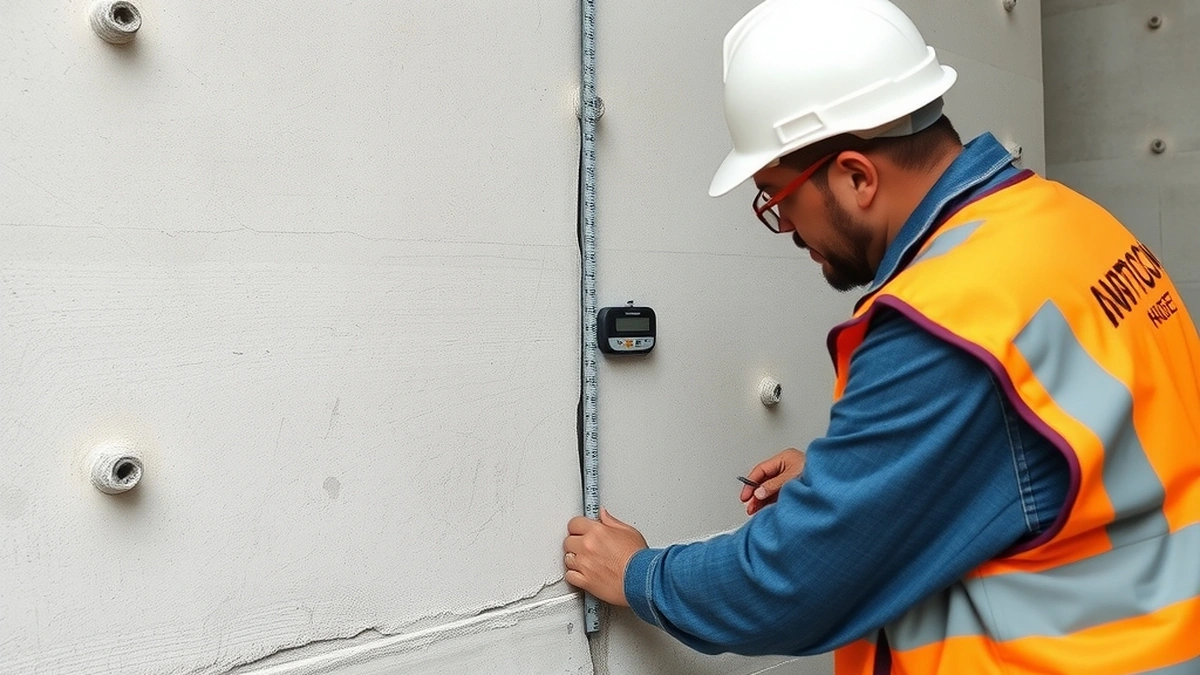
Vertical Foundation Cracks: Causes, Measurement, and.
A numbers-first guide to vertical foundation cracks, including crack width thresholds, repair methods, and cost ranges for U.S. homeowners.
Read the guide →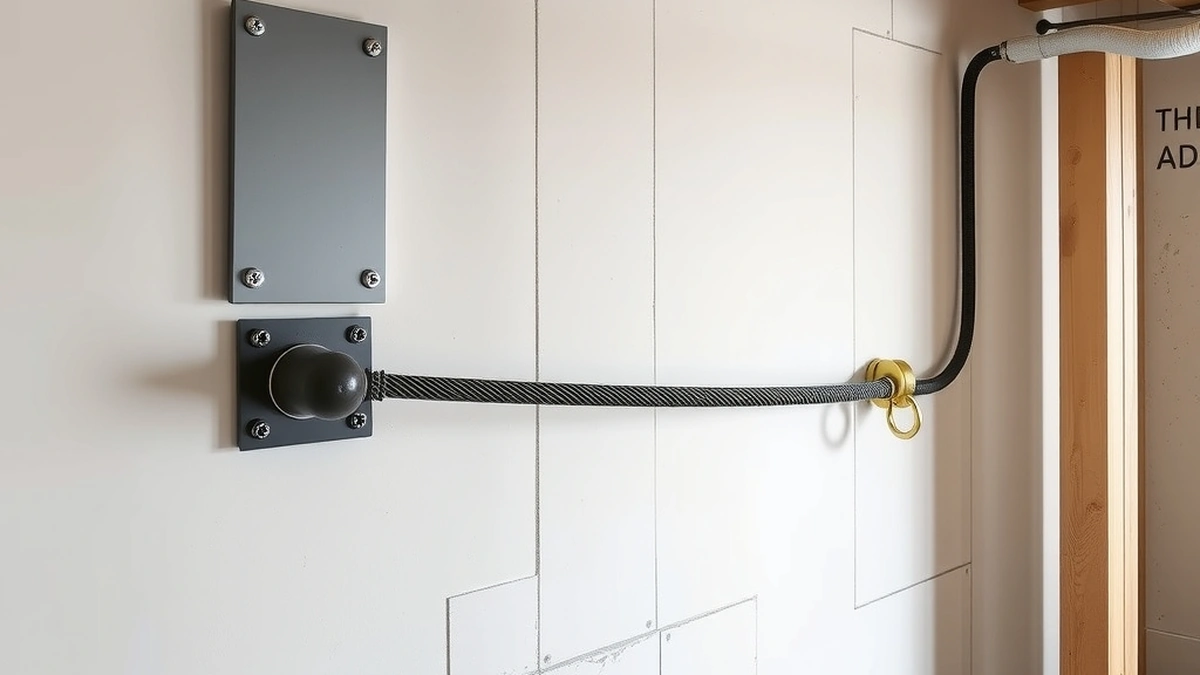
Wall Anchor Problems: Plates, Soil, and Limits
Wall anchors fail when the outside plate sits in bad soil, the wall is too far gone, or the rod is not tensioned. See the limits.
Read the guide →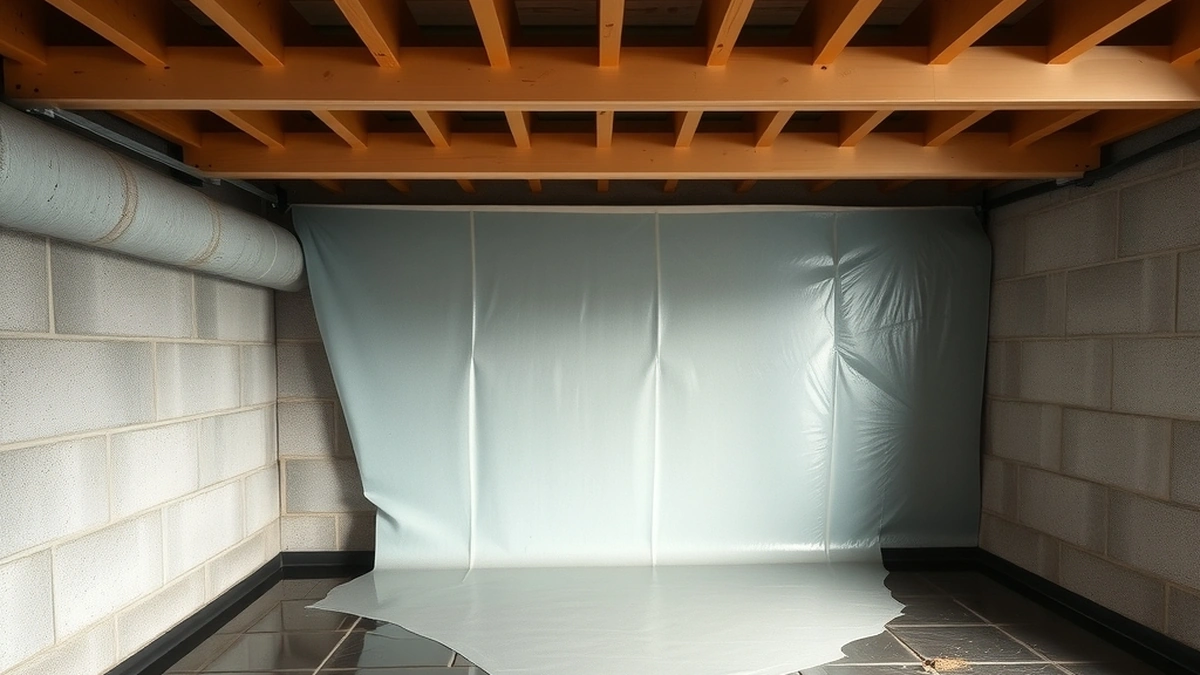
Water in the Crawl Space: Causes and Fixes
Standing water in a crawl space comes from grading, drainage, or groundwater. See the fixes, from $300 in downspout work to encapsulation.
Read the guide →