How Crack Injection Works: Ports, Resin, Pressure
Crack injection pumps epoxy or polyurethane into a crack under pressure. See the ports, the sealing, and why the wall must be stable.
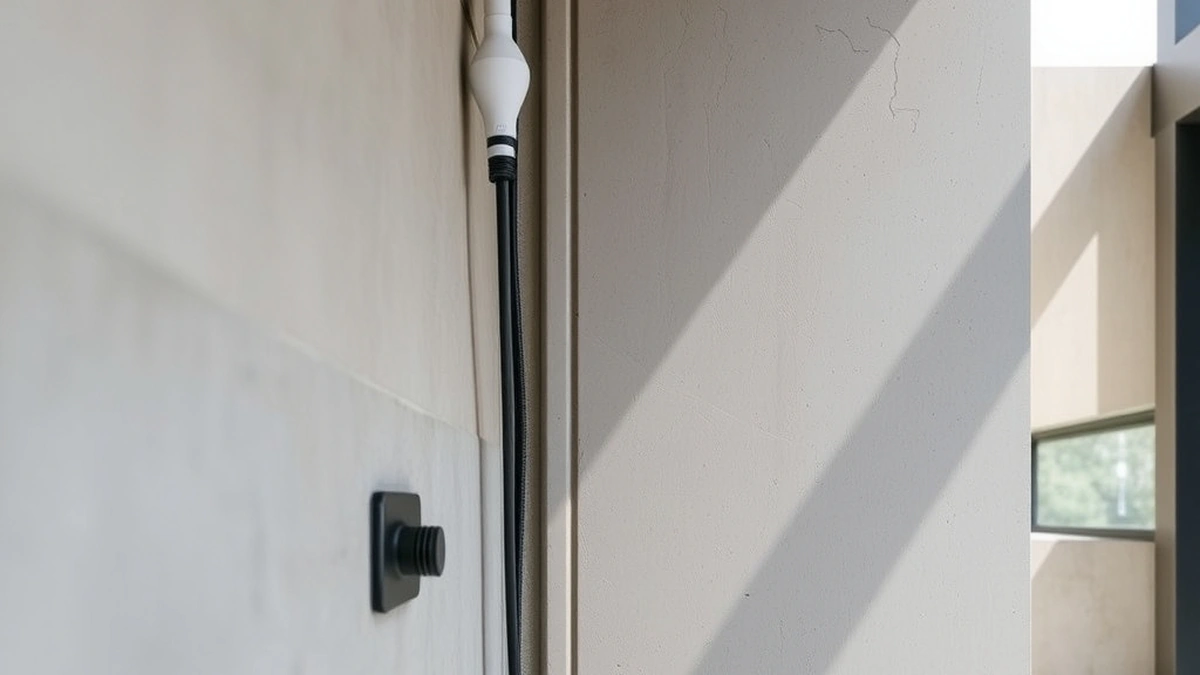
Crack injection works by sealing the crack surface, installing ports along its length, and pumping resin in under pressure until it fills the crack and bonds the faces. It costs $400 to $1,200 per crack and only works on a stable wall.
- Cost per crack
- $400 - $1,200
- Port spacing
- 6 - 12 inches
- Epoxy cure
- Hours to 1 day
- Polyurethane cure
- Minutes to hours
- Best for
- Stable, leaking cracks
Some links on this page are affiliate links.If you buy through them we may earn a commission at no extra cost to you. We do not accept payment for rankings. Read the full disclosure.
Crack injection works by filling a crack from the inside out. Ports are bonded along the crack, the surface is sealed, and resin is pumped in under pressure until it travels the full length and cures. It costs $400 to $1,200 per crack, and it only works on a crack that has stopped moving.
The Ports
Ports are small plastic or metal fittings bonded to the wall over the crack at intervals of 6 to 12 inches. They are the entry points for the resin, and their spacing depends on the crack width and the resin viscosity.
A narrow crack needs closer ports because the resin has less space to travel. A hairline crack may need ports every 6 inches, while a quarter-inch crack can be injected from a foot apart. A wider crack can be injected from farther apart. The installer usually starts at the lowest port and works upward, which pushes air ahead of the resin rather than trapping it.
The Surface Seal
Before injection, the face of the crack is sealed with an epoxy paste or a fast-setting hydraulic cement. The seal keeps the resin from leaking out of the crack while it is being pumped.
The seal is temporary. After the resin cures, the seal and the ports are removed and the surface is patched. On a finished wall, that patching is the only visible trace of the repair.
The paste has to cure before pumping starts, usually a few hours. A crew that pumps into a wet seal will blow the paste out and lose the resin into the room. That is why a small injection job still takes most of a day.
The Resin
| Resin | Strength | Flexibility | Best for |
|---|---|---|---|
| Epoxy | High | Low | Dry structural cracks |
| Polyurethane | Moderate | High | Wet or seeping cracks |
| Microcement | Moderate | Low | Wide cracks in mass concrete |
Epoxy bonds the two faces and restores some structural continuity. Polyurethane reacts with water, expands, and stays flexible, which makes it the right choice for an active leak. The choice is a technical decision, and a contractor who uses one product for every crack is not making it.
Pressure and Flow
The resin is pumped at low pressure, usually under 100 psi for residential work. Higher pressure can widen the crack or force resin into voids where it is not needed.
The pump operator watches for resin appearing at the next port, which indicates the crack is full between those two points. The process repeats up the crack until the top is reached.
A crack that will not take resin is telling you something. It may be blocked with debris, it may be wider inside than at the surface, or it may connect to a void where the resin disappears. The operator should stop and report it rather than pumping harder.
A Costed Example
A 10-foot vertical crack injected with epoxy at $30 per linear foot:
10 × $30 = $300
Add the minimum mobilization of $300 to $600 and patching:
$300 + $450 + $100 = $850
That sits inside the $400 to $1,200 per-crack range.
The Sequence
- Clean the crack and remove loose material.
- Install the ports at the specified spacing.
- Seal the surface between ports.
- Inject from the lowest port upward.
- Stop when resin reaches the next port.
- Cure, remove the ports, and patch.
- Recheck for leaks after a wet season.
Why the Wall Must Be Stable
Injection fills a crack. It does not stop the wall from bending, and a wall that is still bending will open a new crack or reopen the injected one. That is why a horizontal crack in a bowing wall is not an injection candidate.
The order of work is stabilization first, injection second. If a contractor proposes injection alone for a wall that is out of plumb, ask what is being done about the movement. The answer should be anchors, straps, or piers.
It does not fix the water source. If the soil outside the wall is saturated, the pressure remains, and the next crack will appear nearby. It does not fix a cold joint that is still separating, and it does not restore a wall that has lost section.
It also does not fix a crack with vertical offset. When the two sides have shifted, the resin fills the gap but cannot realign the concrete. That crack needs a structural repair, not a seal. When the two sides have shifted, the resin fills the gap but cannot realign the concrete. That crack needs a structural repair, not a seal.
What to Ask a Contractor
Ask which resin and why, how many ports, and whether the wall has been checked for movement. Ask whether the price includes patching and whether the water source will be addressed. Ask for a warranty in writing, and expect a one-year term rather than a lifetime promise on a crack in a wall that has not been stabilized. Ask what happens if the leak returns in the same place within the warranty period, and get the answer before the crew arrives.
For the cost detail, read what crack injection costs and crack injection epoxy versus polyurethane. If the crack is horizontal, horizontal foundation crack repair explains the restraint that has to come first.
Frequently asked questions
How does crack injection work?
Ports are installed along the crack, the surface is sealed, and resin is pumped in under pressure from the lowest port upward until it fills the crack and cures.
What is the difference between epoxy and polyurethane injection?
Epoxy is stronger and bonds the crack faces, suited to dry structural cracks. Polyurethane foams and stays flexible, suited to wet cracks and minor movement.
How much does crack injection cost?
It runs $400 to $1,200 per crack, or roughly $15 to $40 per linear foot, with a minimum mobilization charge of $300 to $600.
Can injection fix a moving crack?
No. Injection seals a crack that is stable. If the wall is still moving, the crack reopens, so the movement has to be addressed first.
How long does injected resin last?
A properly injected stable crack can last the life of the wall. An injected moving crack may reopen within a season.
Is injection messy?
It is controlled. The surface seal and ports are removed and patched afterward, leaving a small scar. Interior work is contained with plastic and ventilation.
Sources
Some links are affiliate links.If you buy through them we may earn a commission at no extra cost to you. We do not accept payment for rankings. Read the full disclosure.