Foundation Repair Company: What One Firm Should Do
What a single foundation repair company should deliver: diagnosis, engineering, permitting, installation, and a documented warranty at handover.
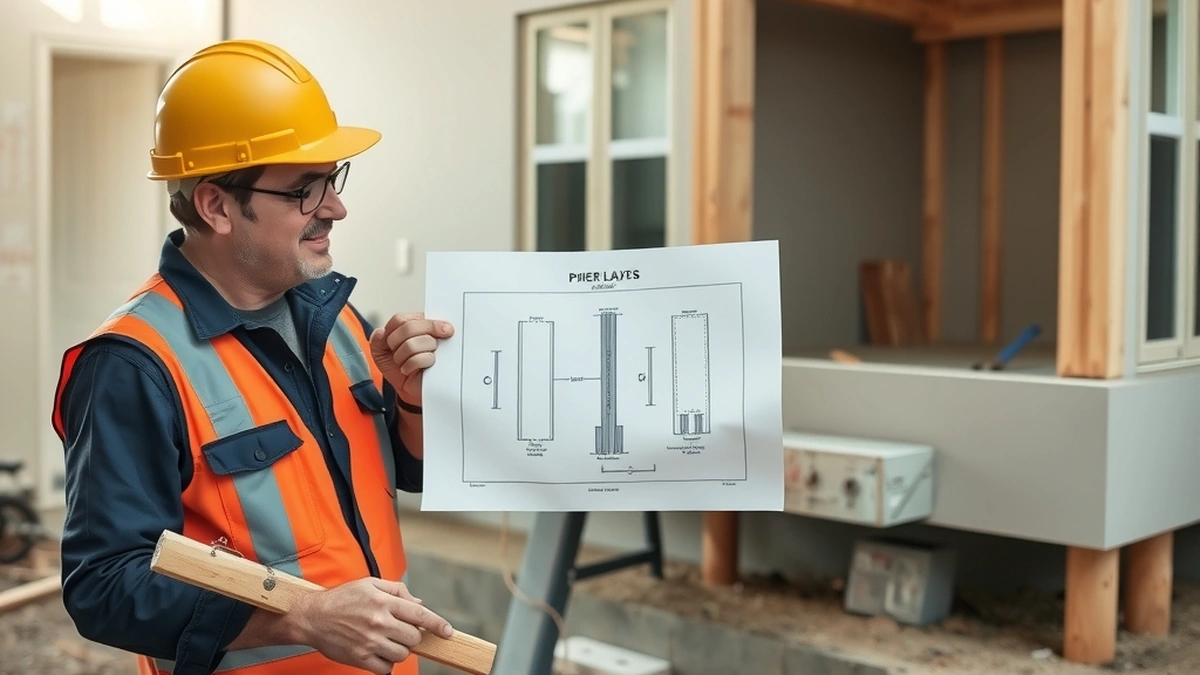
A foundation repair company should diagnose with measurements, provide or follow an engineer's design, pull the permit, install to a stated pier count, and hand over a lift record and written warranty. Typical jobs run $4,000 to $15,000.
- Typical job
- $4,000 - $15,000
- Engineering
- $400 - $1,500
- Permit timeline
- 1 - 3 weeks
- Warranty transfer
- $100 - $500
- Payment on completion
- 10% - 20% held back
Some links on this page are affiliate links.If you buy through them we may earn a commission at no extra cost to you. We do not accept payment for rankings. Read the full disclosure.
A foundation repair company should do five things in order: measure the failure, work from an engineered design, obtain the permit, install to a stated pier count, and hand over documentation. A firm that skips the measurements and the design is selling installation, not repair. Most jobs run $4,000 to $15,000, and the documentation is what protects that spend.
The Diagnosis Stage
The first visit should produce numbers. Crack widths, floor elevations, wall plumb, and a note on drainage. A company that arrives with a clipboard and a sales binder but no level and no crack gauge is not diagnosing anything.
Ask what the measurements were and write them down. If the company recommends piers, ask how many and why that number. If it recommends injection, ask how it ruled out active movement. The answers tell you whether the recommendation is a diagnosis or a script.
Design and Engineering
There are two legitimate models. The company retains a licensed engineer who designs the repair, or the homeowner hires an independent engineer and sends the report out for bids. Both produce a design; only the second gives the homeowner an opinion with no financial interest in the sale.
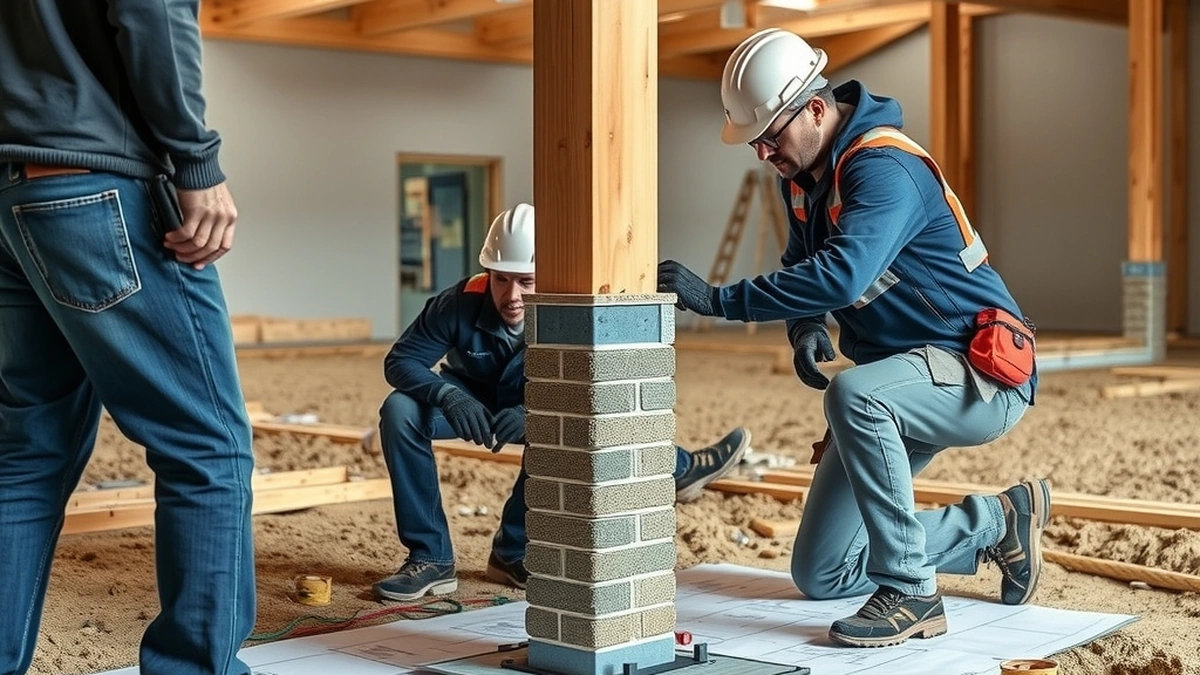
For a wall out of plumb, a house with a second story, or a lift beyond an inch, the engineered design is not optional. It sets the pier type, spacing, design depth, and lift tolerance, and it is the document the permit office reviews.
What the Company Manages
| Stage | Company responsibility | Your check |
|---|---|---|
| Permit | Apply and schedule inspections | Confirm the number is posted |
| Utility locate | Call the one-call service | Ask for the ticket number |
| Installation | Piers, anchors, or straps to design | Count piers against the contract |
| Lift | Raise and lock off to tolerance | Review the lift record |
| Restoration | Backfill, grade, and interior repair | Walk the punch list |
| Warranty | Provide the document and transfer terms | Read the exclusions |
Project management is where good companies separate from cheap ones. A firm that schedules the inspection, calls the utility locate, and tells you the day before the crew arrives is managing the job. A firm that leaves those steps to you is subcontracting the risk.
Scheduling deserves its own question. Ask which crew will be on site, whether they are employees or subcontractors, and who the foreman will be. A company that sells the job with one team and installs it with another is common in this trade, and the warranty is only as good as the crew that actually drove the piers. If the foreman cannot explain the design on day one, call the office before excavation starts.
A Costed Handover
A completed job with six push piers at $2,000 each:
6 × $2,000 = $12,000
Add engineering at $900 and a permit at $300:
$12,000 + $900 + $300 = $13,200
The final 15% held back until sign-off is:
$13,200 × 0.15 = $1,980
That holdback is your leverage to get the punch list finished. Release it only when the inspection is signed and the lift record is in hand.
The Documents That Matter
Ask for the lift record, which shows the elevation readings before and after. Ask for the pier refusal log, which shows the depth and pressure at which each pier stopped. Ask for the permit inspection sign-off, the warranty, the final invoice, and lien waivers from the company and its suppliers.
Those documents do three things. They prove the work was done to design. They support a warranty claim years later. And they satisfy a buyer’s inspector at resale, which is when most homeowners discover that the paperwork was never completed.
Warranty Terms to Read
A lifetime pier warranty typically covers the piers and the lift for the life of the structure, and it is usually transferable for a $100 to $500 fee. Workmanship and waterproofing warranties are shorter.
Read the exclusions carefully. Many warranties exclude damage caused by changed grading, roof water discharge, or plumbing leaks after the repair, which means a future homeowner can void the coverage without knowing it. Ask what maintenance the warranty requires and put it in the house file.
Questions for the Company
- Who measured the cracks, and may I see the readings?
- Who designed the repair, and is the engineer licensed in this state?
- How many piers are in the scope, at what depth?
- Who pulls the permit, and when will the inspection be scheduled?
- What documents will I receive at completion?
- What voids the warranty, and what is the transfer fee?
When to Walk Away
Walk away from a company that will not put the pier count in writing, will not name the engineer, or asks for most of the money before mobilization. Walk away from one that offers a discount for signing during the visit. And walk away from one that has no answer for what happens if the piers hit refusal early.
For the comparison across firms, read foundation repair companies and national versus local foundation contractor. If the company is proposing wall anchors rather than piers, wall anchors explained covers what the installation should involve.
Finally, ask the company what it does after a failed inspection. The best answer is specific: the crew returns, the deficiency is corrected, and the re-inspection is scheduled at the company’s cost. A vague answer about “working with the inspector” is not a plan, and the re-inspection fee is a small test of whether the company intends to stand behind the work.
Frequently asked questions
What does a foundation repair company actually do?
It measures the failure, follows an engineered design, obtains permits, installs piers or anchors, lifts and locks the structure, and provides a warranty with the lift record.
Should the company provide the engineer?
Either the company provides a licensed engineer or you hire one independently. Independent engineering gives you an opinion you own and a design three companies can bid against.
How long does a foundation company take to start work?
Permits typically take one to three weeks and inspection scheduling adds one to two weeks, so plan on three to five weeks between signing and the crew arriving.
What should I receive when the job is finished?
The lift record, pier refusal log, permit inspection sign-off, warranty document, final invoice, and lien waiver from the company and its suppliers.
What happens if the foundation moves again?
A lifetime pier warranty should cover re-adjustment or additional piers. Read the exclusions first, because drainage changes and plumbing leaks often void coverage.
How much should I hold back until completion?
Holding 10% to 20% until the inspection is signed off and the punch list is complete is standard, and it should be written into the payment schedule.
Sources
Some links are affiliate links.If you buy through them we may earn a commission at no extra cost to you. We do not accept payment for rankings. Read the full disclosure.