
Insurance & Warranty guides
What homeowners insurance covers, what it excludes, and how transferable warranties work.
What homeowners insurance actually covers
The short answer: usually not the repair you need. Standard US homeowners policies exclude earth movement — settlement, subsidence, sinkhole (unless endorsed), and poor drainage — and treat foundation cracks as maintenance. What they do cover is a sudden event that damages the foundation, such as a burst pipe, a vehicle impact or a fire.
| Situation | Typically covered? | Why |
|---|---|---|
| Long-term settlement | No | Earth movement exclusion |
| Poor drainage or grading | No | Maintenance exclusion |
| Burst pipe flooding the slab | Often yes | Sudden and accidental discharge |
| Vehicle hitting the house | Often yes | Sudden accidental damage |
| Sinkhole collapse | Only with an endorsement | Excluded in standard forms |
| Earthquake | Only with a separate policy | Separate peril, separate cover |
| Construction defect | Usually no | Excluded; a builder warranty question |
Read the exclusions page before the declarations page. The words that decide foundation claims are "earth movement", "settling", "cracking", "faulty workmanship" and "gradual deterioration" — if two of those appear in the exclusions, the policy is not going to pay for a pier system.
What to document anyway
- Photographs of every crack with a ruler or coin for scale, dated.
- A crack monitor reading log if movement is progressive.
- The engineer's report, even if you pay for it yourself.
- Contractor quotes showing method and pier count.
- Any plumbing leak report — the most common covered trigger.
- Grading and downspout records, which insurers ask for first.
Warranties: the part that transfers
Most pier systems carry a lifetime warranty that transfers to the next owner, sometimes for a fee and sometimes only if the transfer is registered within a set window. That matters at resale: a documented, transferable warranty is worth more than a verbal promise.
Ask for the warranty document before signing, not after. Check four things: what is covered (piers only, or the whole repair), what voids it (landscaping changes, plumbing leaks, adding a structure), whether it transfers, and who honours it if the contractor closes.
When to involve the insurer
File a claim when there is a sudden event with a date: a pipe burst, a water heater failure, a vehicle. Do not file for gradual settlement — a denied claim still goes on the property's claim history in many states and can affect renewal.
If the cause is ambiguous, an independent engineer's letter is the document that moves a claim from "earth movement" to "sudden discharge". The insurance coverage guide walks through the wording, and the cost hub shows what you are likely to pay yourself if the claim is denied.
Does homeowners insurance cover foundation cracks?
Generally no, unless the crack resulted from a covered sudden event. Cracks from settling or drainage are excluded as earth movement or maintenance.
Is a foundation warranty worth it?
Yes when it is a written, transferable warranty from a contractor with a track record. It is worth little if it is a one-year workmanship promise attached to a company that may not exist next year.
Should I disclose foundation repair when selling?
In most US states, yes — a known structural repair is a material fact. A completed repair with an engineer's letter and a transferable warranty is a selling point, not a liability.
The claim conversation, in order
If you decide to file, the sequence matters more than the wording. Report the loss with a date and a cause, attach the engineer's letter and photographs, and keep a record of every call and reference number. Adjusters work from the cause: "sudden discharge from a failed supply line" is a different claim from "the house has settled over ten years".
Expect an independent adjuster's inspection and, in disputed cases, a second engineer. Do not authorise repairs before the adjuster has seen the damage — an invoice dated before the inspection is the fastest way to have a claim questioned. If the denial cites earth movement, the engineer's letter is the document that either confirms it or challenges it.
All insurance & warranty guides
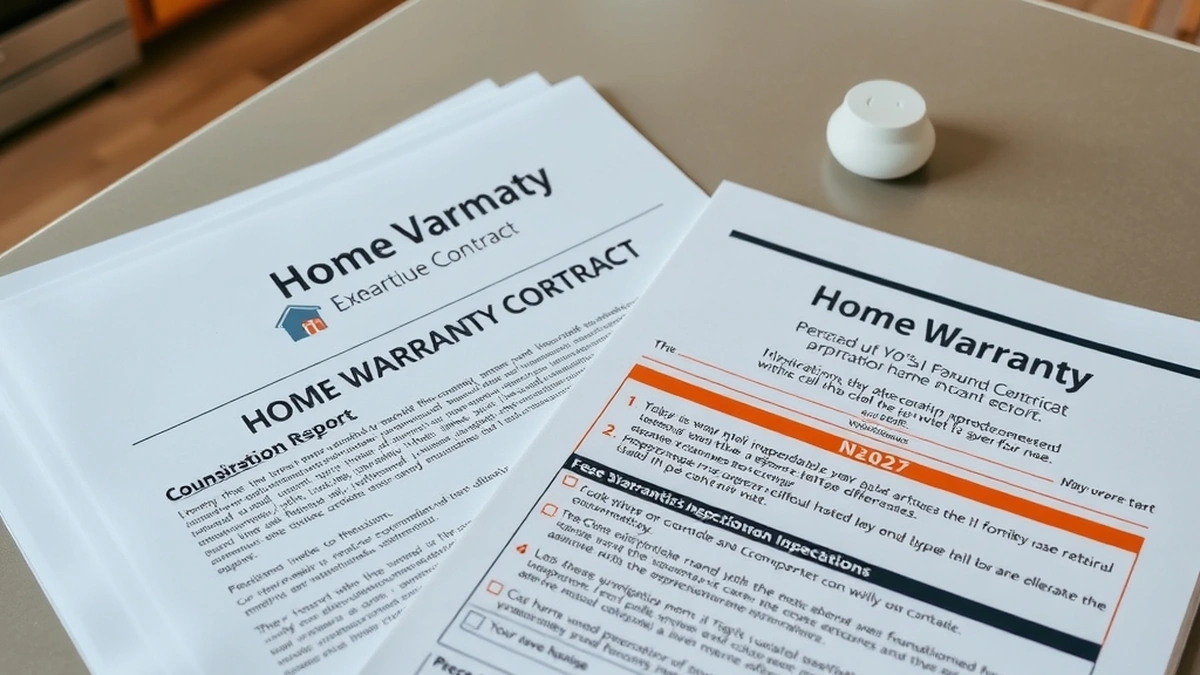
Does a Home Warranty Cover Foundation Repair?
Home warranties usually exclude structural foundation repair. See what service contracts cover, what they exclude, and how to file a claim.
Read the guide →
Does Home Insurance Cover Foundation Repair?
Does Home Insurance Cover Foundation Repair?: practical numbers, costs, and trade-offs, written independently.
Read the guide →
Does homeowners insurance cover foundation repair
What standard homeowners policies cover and exclude for foundation repair, how to file a claim, and what documentation an adjuster expects.
Read the guide →
Does house insurance cover foundation repair
How dwelling policies treat foundation damage on rental properties, second homes, and landlord policies, with the clauses that decide claims.
Read the guide →
Does insurance cover foundation repair
A peril-by-peril look at foundation coverage, including ensuing loss, actual cash value, and the clauses that decide a claim.
Read the guide →
Does State Farm Cover Foundation Repair? What to Check
State Farm homeowners policies follow standard forms that exclude earth movement and settlement. See what to check and what may be covered.
Read the guide →
Earthquake Damage and Foundation Cover
Earthquake damage to a foundation is usually excluded from a standard homeowners policy. See what endorsements cover and how claims work.
Read the guide →
An Engineering Report for an Insurance Claim
What structural engineers include in foundation reports for insurance claims, what they measure, and how it affects coverage decisions.
Read the guide →
Disclosing Foundation Repair When Selling a Home
What sellers must disclose about foundation repairs, how it affects price, and what buyers and agents expect before closing.
Read the guide →
Foundation Repair Warranties: What They Cover
A numbers-first guide to foundation repair warranties, coverage limits, transfer fees, and what voids protection.
Read the guide →
Home Warranties and Foundations: What Is Covered
Standard home warranties rarely cover foundation repair. Learn what structural warranties, builder warranties, and insurance actually pay for.
Read the guide →
Is foundation repair covered by insurance
How coverage is triggered, which policy types respond, and the endorsements that matter for foundation damage claims.
Read the guide →
Sinkhole Coverage and Endorsements Explained
What sinkhole coverage and endorsements pay for, how they differ from standard homeowners policies, and what repairs typically cost.
Read the guide →
Transferable Foundation Warranties At Guide
How transferable foundation warranties work at resale, typical transfer fees, and what coverage means for buyers and sellers.
Read the guide →
Will home insurance cover foundation repair
How to check your own policy for foundation coverage, which form number to look for, and how state rules change the answer.
Read the guide →
Will homeowners insurance cover foundation repair
Scenario-by-scenario answers on whether a homeowners policy pays for foundation repair, plus the evidence that decides a claim.
Read the guide →
Will Insurance Cover Foundation Repair? Denials and.
Most foundation claims are denied on earth movement or maintenance exclusions. See the denial reasons and how to appeal with evidence.
Read the guide →