
Compare guides
Repair vs replace, piers vs mudjacking, company vs engineer — decided on cost and risk.
The comparisons that decide the budget
Foundation work comes down to four choices: repair or replace, piers or mudjacking, engineer or contractor, and one big company or a local crew. Each has a cost answer and a risk answer, and the risk answer usually wins.
| Choice | Option A | Option B | What decides it |
|---|---|---|---|
| Repair vs replace | $6,000–$30,000 | $40,000–$150,000+ | Percentage of foundation failed; whether the house is salvageable |
| Piers vs mudjacking | $1,000–$3,000 per pier | $3–$8 per sq ft | Structural load vs slab void |
| Engineer vs contractor inspection | $400–$1,500 | $0, ends in a quote | Whether the diagnosis is independent |
| National company vs local crew | Higher price, standard warranty | Lower price, variable warranty | Who will honour the warranty in year 12 |
Repair versus replace
Replacement is rarely necessary. The rule of thumb among engineers is that a foundation with more than about one-third of its area failed, or a wall that has moved more than 2–3 inches, crosses from repair into rebuild territory. Even then, the decision is economic: a $120,000 replacement on a $250,000 house is usually the wrong spend unless the land value carries it.
Repair extends the life of the structure but does not restore the original condition. Any contractor promising "good as new" is overselling; the honest promise is "stabilised, with movement stopped and a warranty".
Piers versus mudjacking
Piers transfer load to bearing strata. Mudjacking fills a void under a slab. A settled footing needs the first; a settled driveway needs the second. The costly mistake is mudjacking a structural settle — it lifts the visible slab, cracks the connection to the footing and leaves the cause in place.
If a contractor proposes mudjacking for a problem that shows up as sticking doors and cracked brick, ask which footing is being lifted and how. The answer will tell you whether the diagnosis is real.
Engineer versus contractor inspection
A contractor inspection is free and ends with a proposal. An engineer's inspection costs $400–$1,500 and ends with a diagnosis and, if needed, a stamped letter. For anything structural — piers, anchors, wall rebuilds — the letter is what the permit office wants and what a warranty claim rests on.
The cheapest path is often: engineer first, then three quotes against the same scope. It costs a little more up front and makes the quotes comparable, which is where the real savings are.
National company versus local crew
National companies bring standardised engineering, financing and a warranty that survives a local closure. Local crews are often cheaper and sometimes better, but the warranty is only as good as the company. Ask for the warranty document, the certificate of insurance and two jobs from five years ago — a crew that can produce all three is a crew worth hiring.
The cost hub carries the price bands, the repair methods hub explains what each method does, and the contractor hub covers how to read a quote.
Is it cheaper to repair or rebuild a foundation?
Repair, in almost every case. Rebuild becomes rational only when more than about a third of the foundation has failed or the walls have moved beyond what anchors can restrain.
Are foundation repair companies worth it?
For structural work, yes — the equipment, engineering and warranty are not DIY. For cosmetic crack filling and grading, no.
How many quotes should I get?
Three, against the same engineer's scope. Three quotes for three different diagnoses are not comparable and usually cost more in confusion than they save.
The comparison that decides the warranty
Price gets the attention, but the warranty is what you are actually buying. A $2,000-cheaper job with a one-year workmanship promise and no transfer clause is more expensive at resale than a $2,000-premium job with a lifetime, transferable warranty and an engineer's letter. Ask for both documents before comparing totals, and read what voids the warranty: new landscaping, a plumbing leak or an added structure are the usual exclusions.
If a contractor will not put the warranty in writing before you sign, the comparison is over.
All compare guides
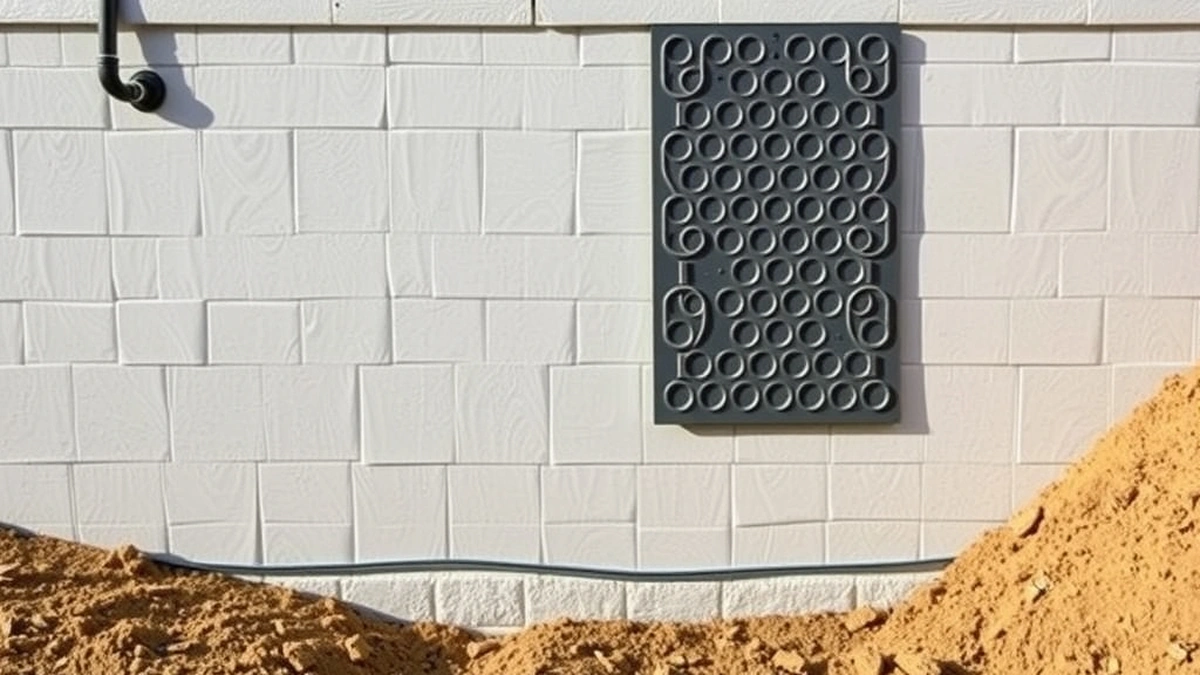
Is Basement Waterproofing Worth It? Cost and Payback
Waterproofing costs $2,000 to $12,000 and protects finishes, framing, and air quality. See when it pays back and when it does not.
Read the guide →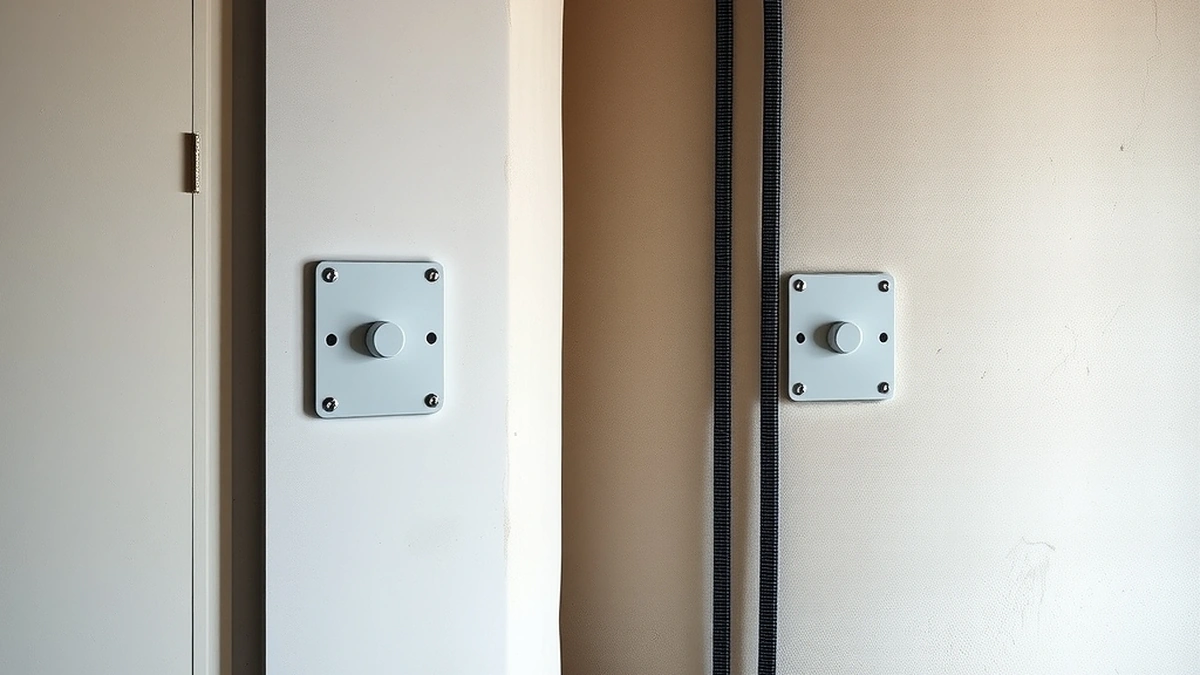
Carbon Fibre vs Wall Anchors for Basement Walls
Compare carbon fibre straps and wall anchors for bowing foundation walls, including cost, measurement, and when each method applies.
Read the guide →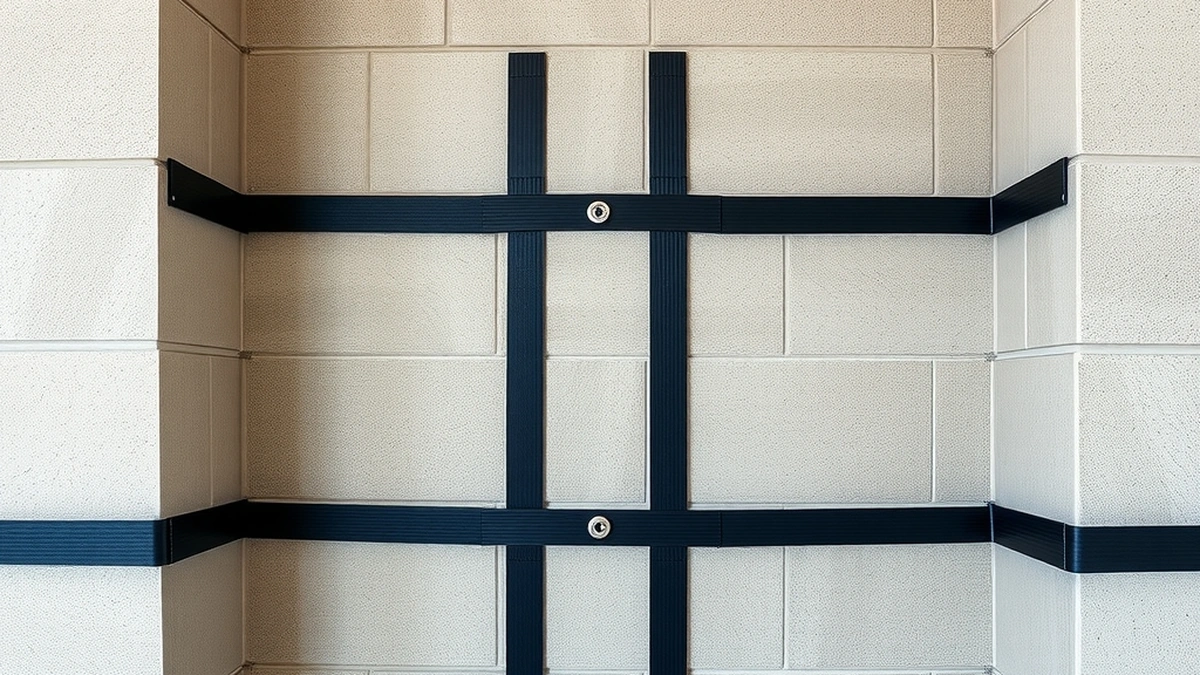
Are Carbon Fibre Straps Worth It for a Bowing Wall?
Carbon fibre straps cost $400 to $1,200 each and stop a wall from bowing further. See when they are worth it and when anchors win.
Read the guide →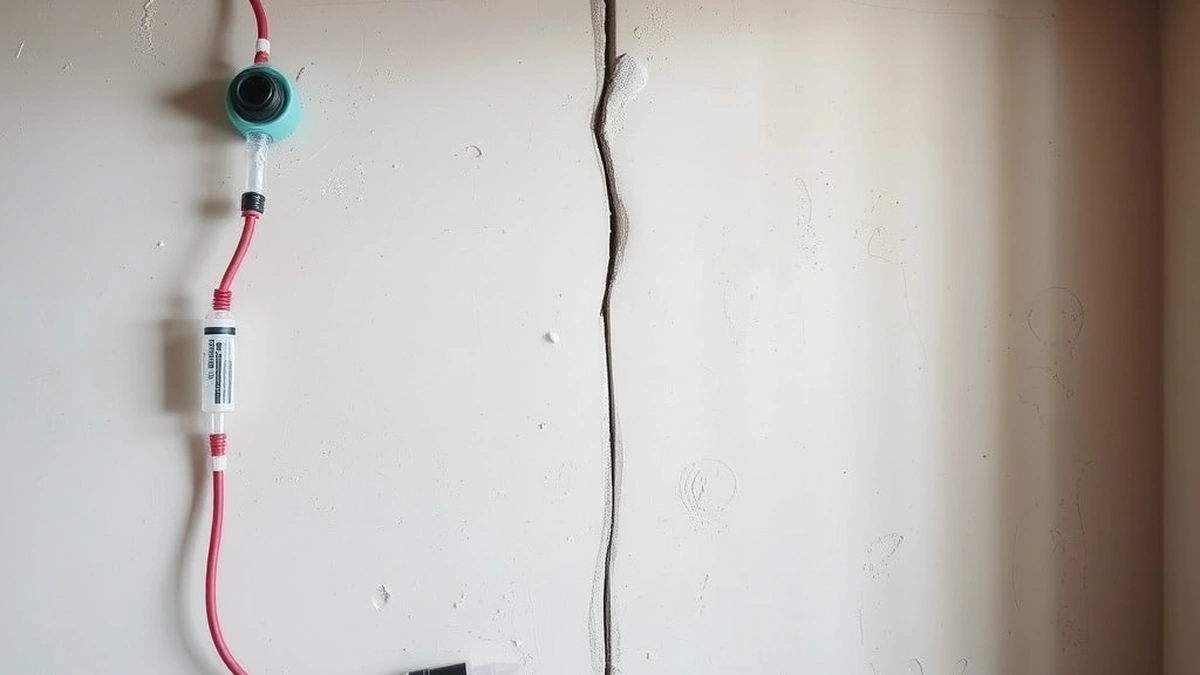
Is Crack Injection Worth It? Cost and Limits
Crack injection costs $400 to $1,200 and seals a stable leaking crack. See when it is worth it and when the wall needs restraint first.
Read the guide →
Is Crawl Space Encapsulation Worth It?
Encapsulation costs $4,000 to $15,000 and fixes humidity, musty air, and cold floors. See when it pays back and when it does not.
Read the guide →
Encapsulation vs Ventilation: Crawl Space Guide
Compare crawl space encapsulation and ventilation costs, moisture control, and foundation impact with numbers-first guidance from Foundation Repair Lab.
Read the guide →
Foundation Repair vs Replacement: How to Decide
Repair costs $4,000 to $40,000 and replacement costs $40,000 to $150,000. Compare the failure thresholds that decide which one is rational.
Read the guide →
French Drain vs Sump Pump: Which Keeps Water Out
Compare French drains and sump pumps for foundation water management, including how each works, typical costs, and when to use both.
Read the guide →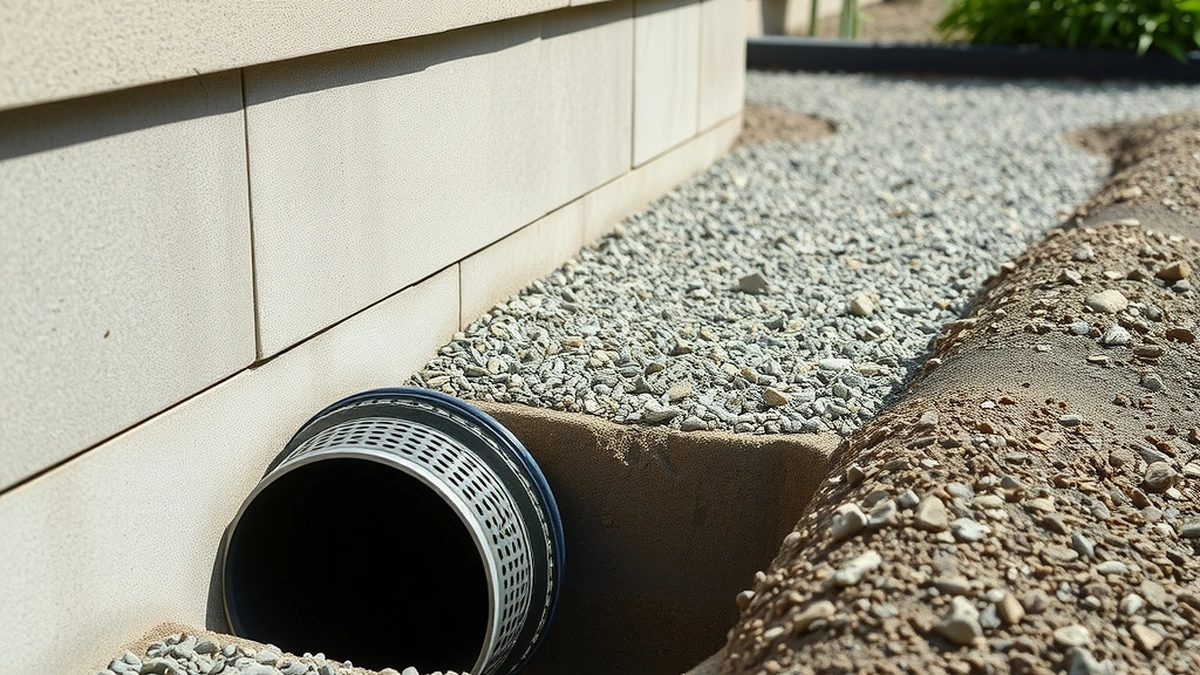
Is a French Drain Worth It? Cost and Real Payback
A french drain costs $2,000 to $6,000 and moves groundwater away from the foundation. See when it is worth it and when grading is enough.
Read the guide →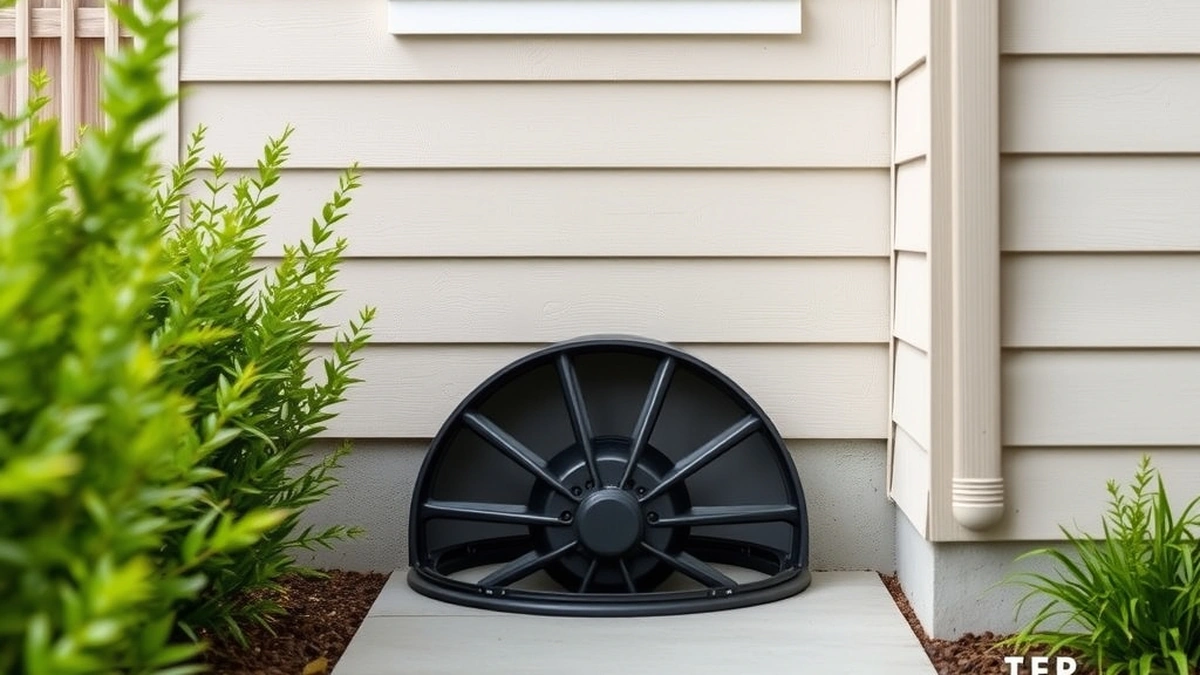
Is Helical Piers Worth It? Cost, Access, and Life
Helical piers cost $700 to $2,500 each and install with smaller equipment. See when they beat push piers and when they do not.
Read the guide →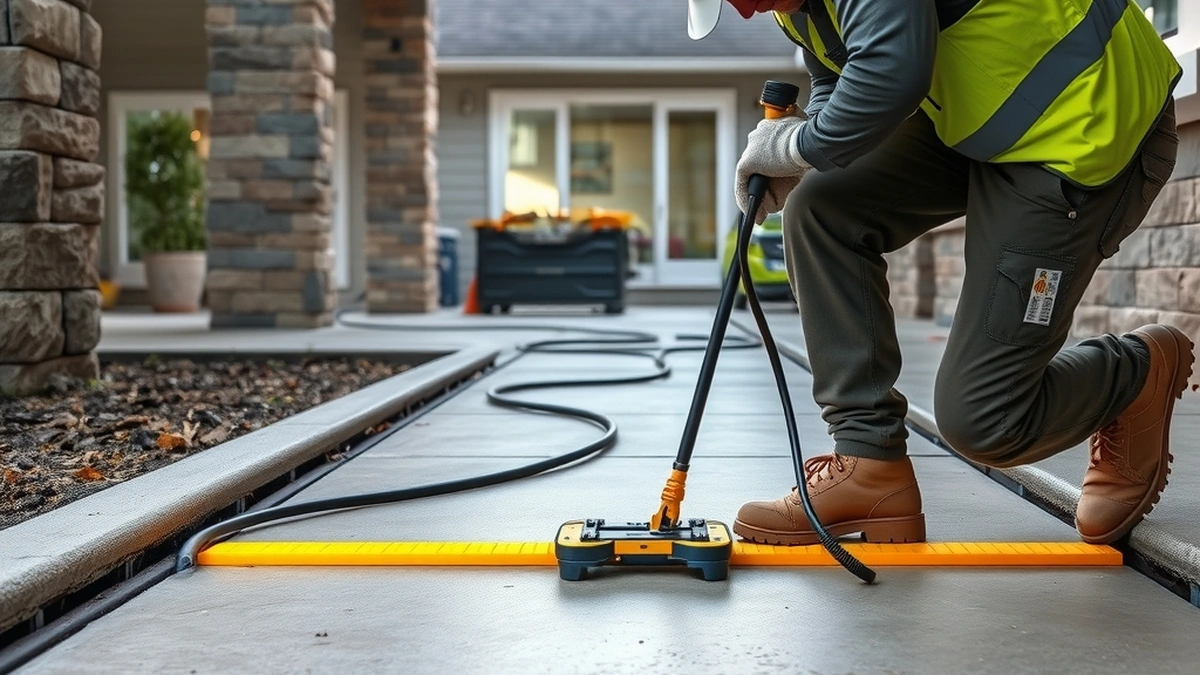
Is Mudjacking Worth It? Cost, Life, and Alternatives
Mudjacking costs $3 to $8 per sq ft and lasts 5 to 15 years. See when it is worth it, when foam wins, and when replacement is cheaper.
Read the guide →
National vs Local Foundation Contractor: How to Compare
Compare national and local foundation contractors by price, warranty, permits, and repair scope before signing a contract.
Read the guide →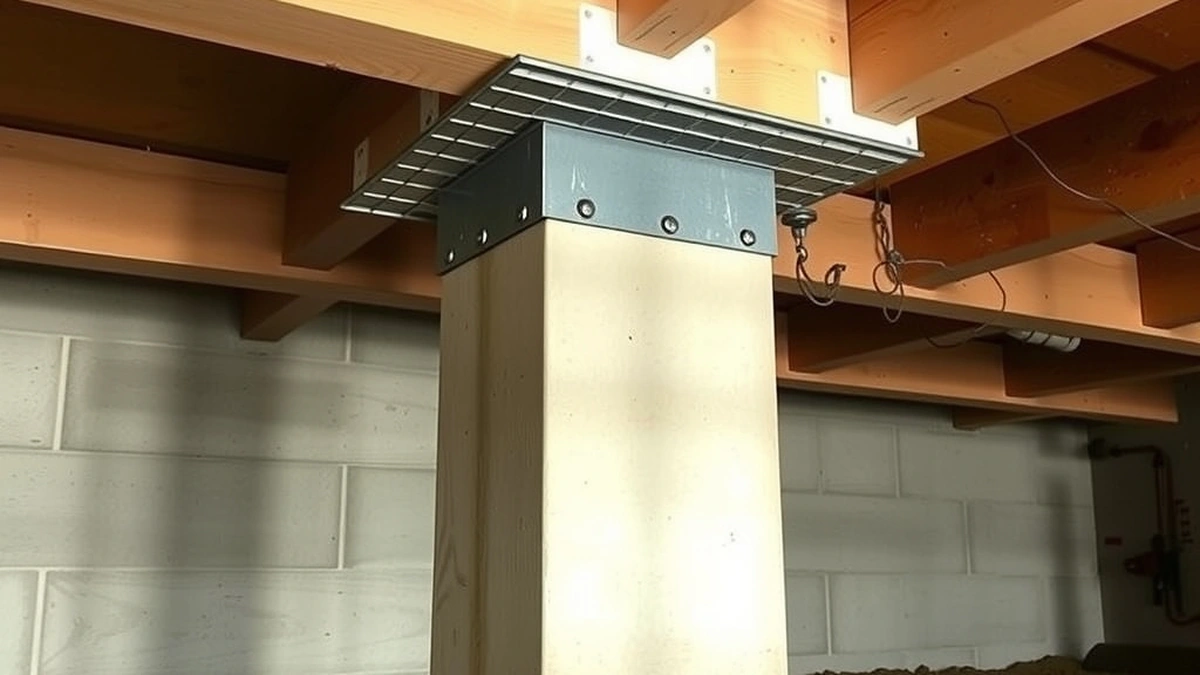
Is Pier and Beam Leveling Worth It?
Pier and beam leveling costs $1,500 to $30,000 depending on the repair. See when it is worth it and when the framing needs work first.
Read the guide →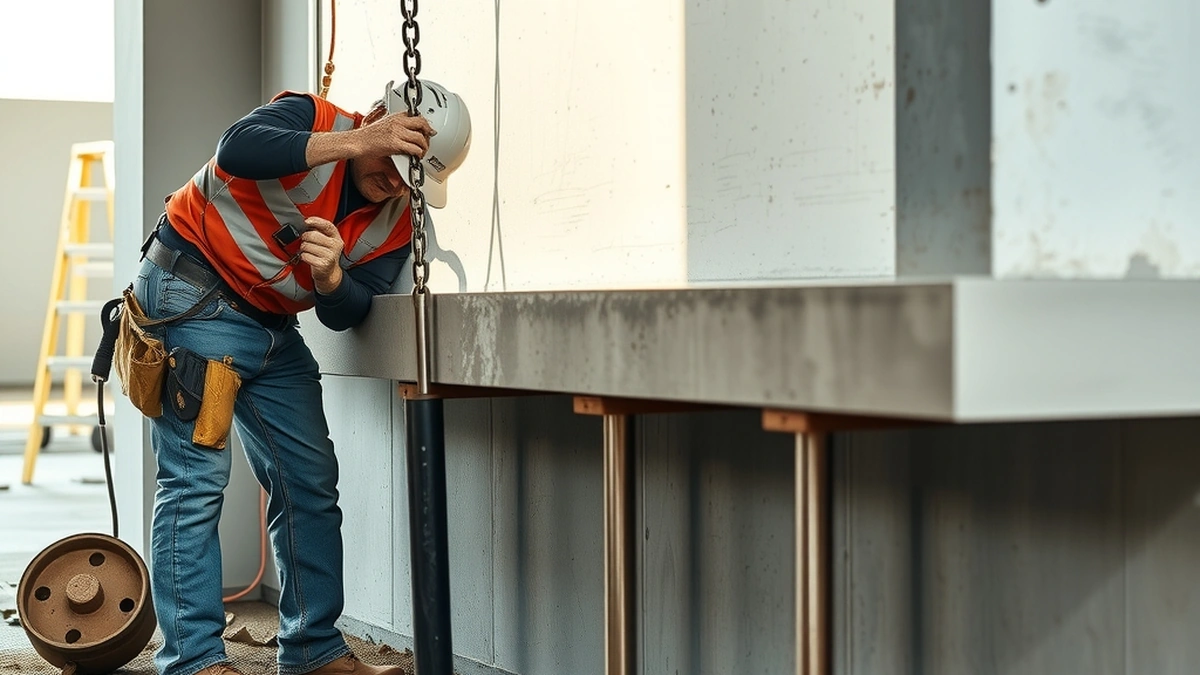
Piers vs Mudjacking: Which Foundation Fix Fits
Compare piers and mudjacking for slab and foundation repair. Costs, lifespans, and when each method applies.
Read the guide →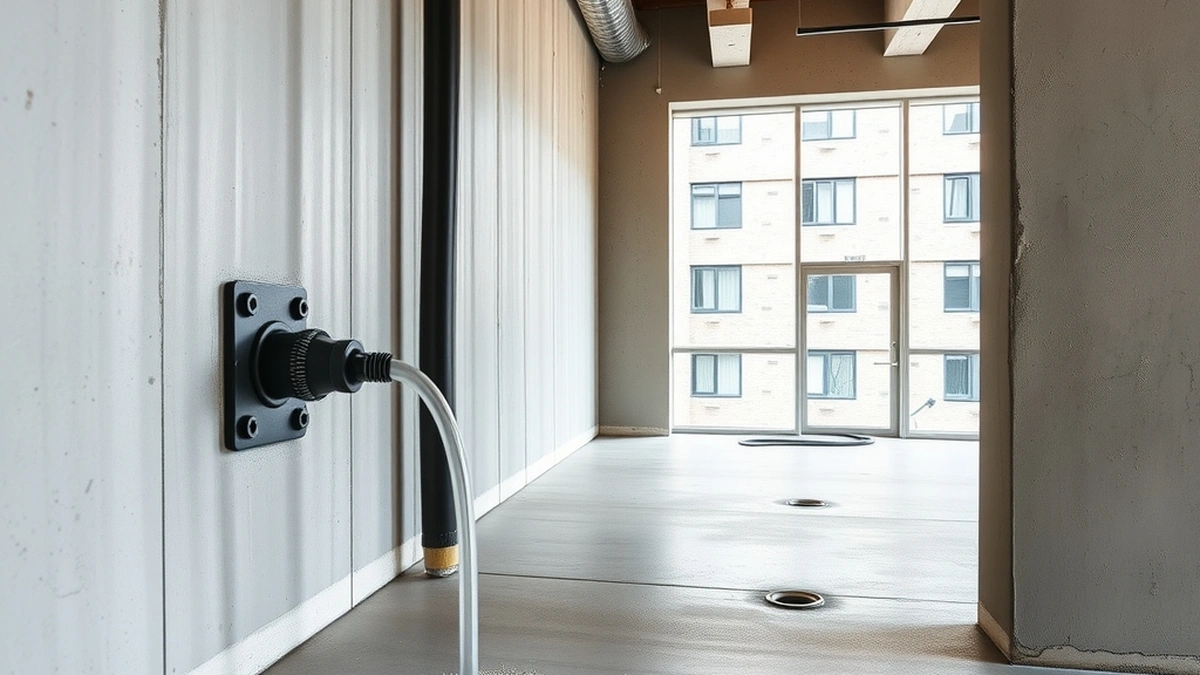
Is Polyurethane Foam Lifting Worth It?
Foam lifting costs $5 to $15 per sq ft against $3 to $8 for slurry. See what the premium buys and when it is the better spend.
Read the guide →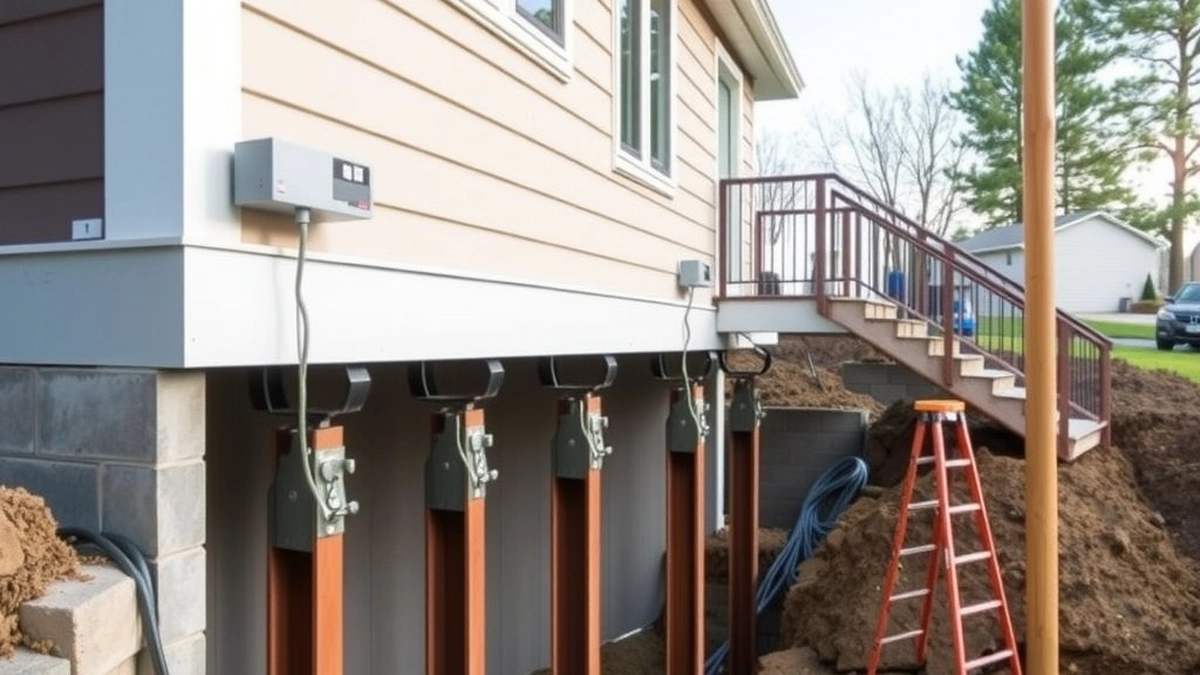
Is Push Piers Worth It? Cost, Life, and Alternatives
Push piers cost $1,000 to $3,000 each but carry a lifetime warranty. See when they are worth it and when another repair is cheaper.
Read the guide →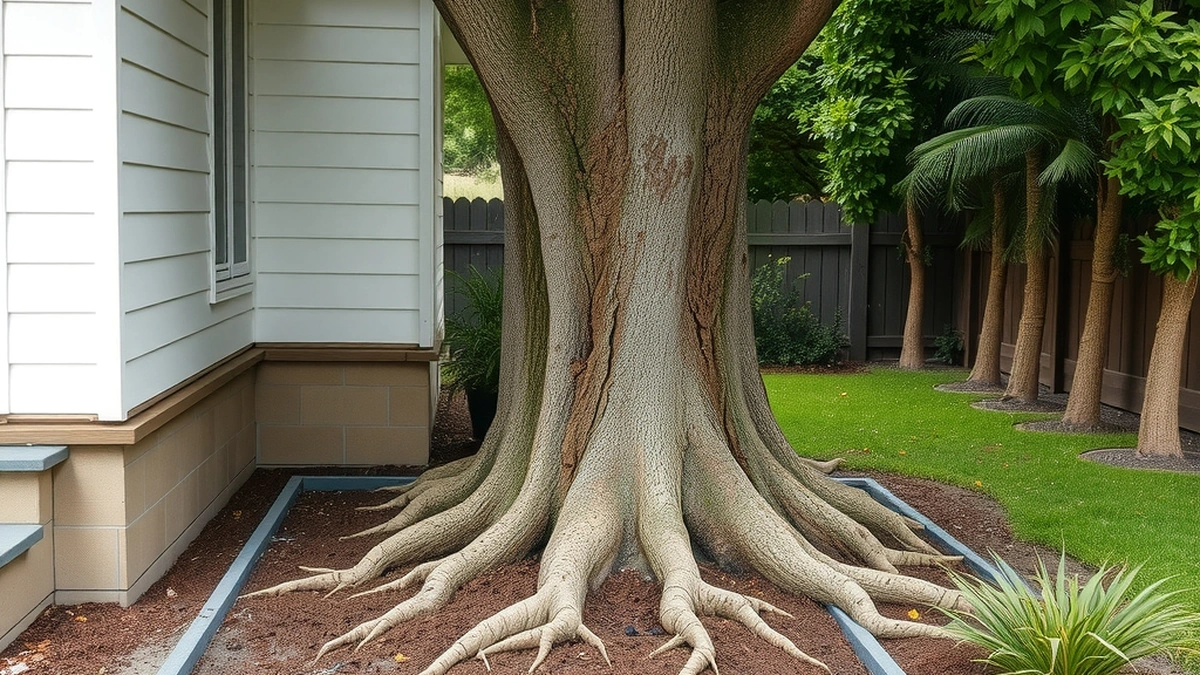
Is a Root Barrier Worth It? Cost and Tree Risk
A root barrier costs $8 to $20 per linear foot and prevents root damage. See when it is worth it and when removal is the better choice.
Read the guide →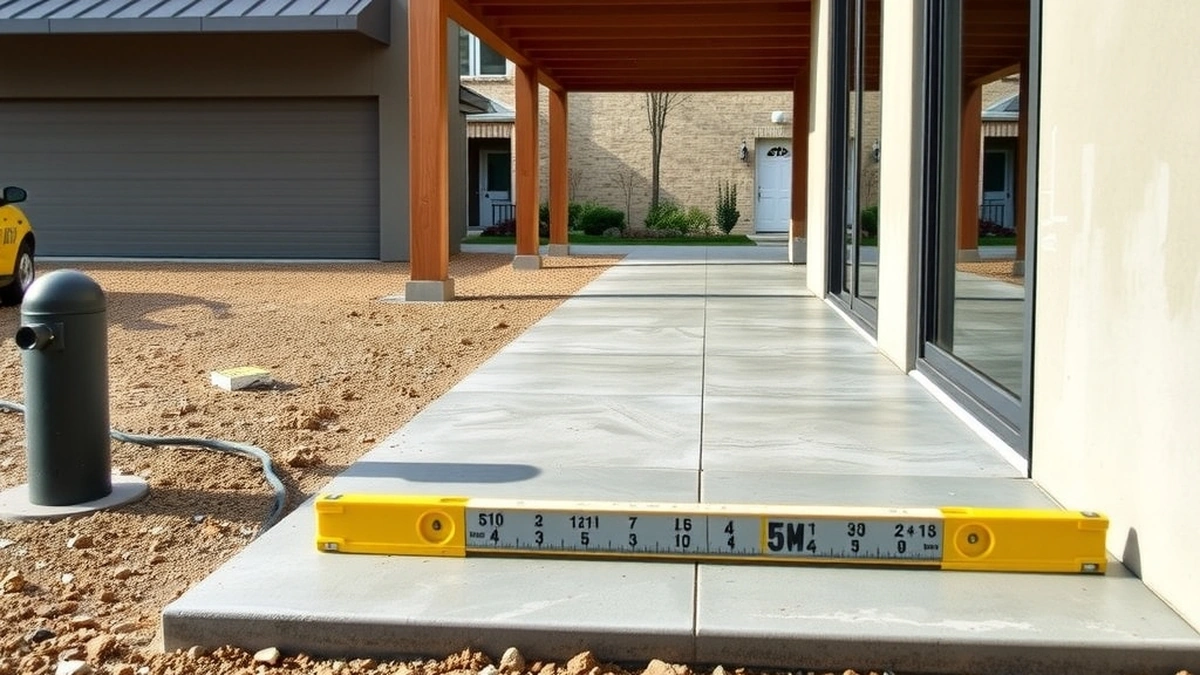
Is Slab Lifting Worth It? Cost, Life, and Replacement
Slab lifting costs $3 to $12 per sq ft against $8 to $18 for replacement. See when lifting is worth it and when the slab should go.
Read the guide →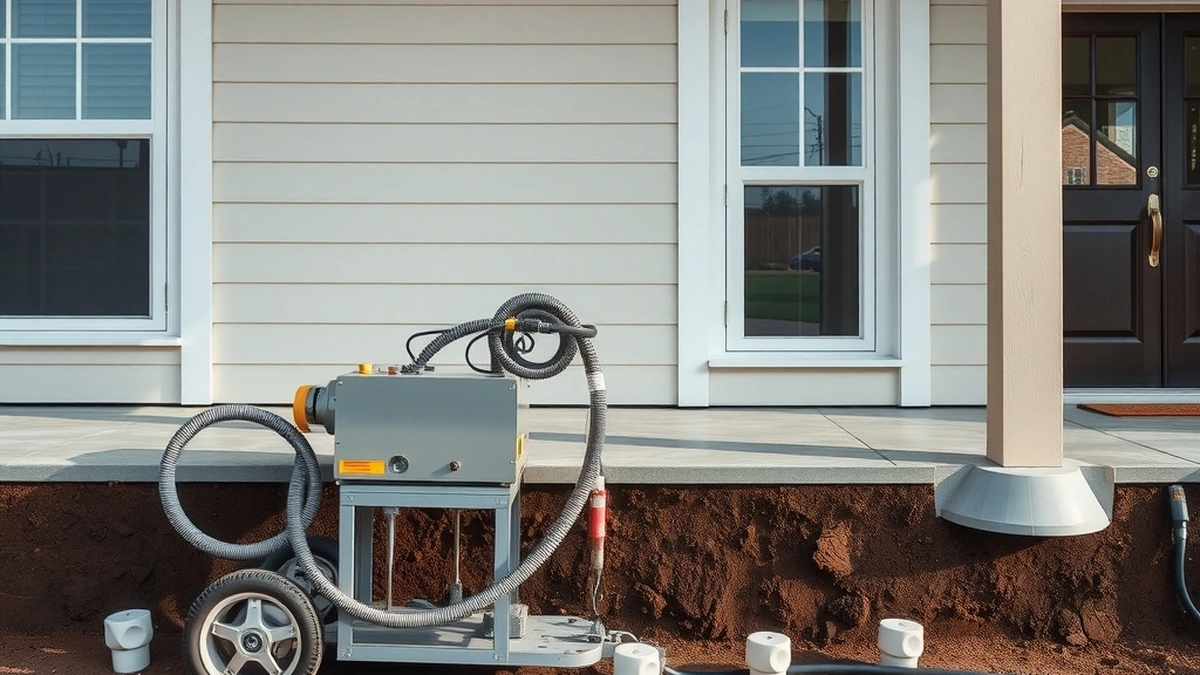
Is Soil Stabilisation Worth It? Cost and Limits
Soil stabilisation costs $3 to $10 per sq ft and treats the ground rather than the foundation. See when it is worth it and when piers win.
Read the guide →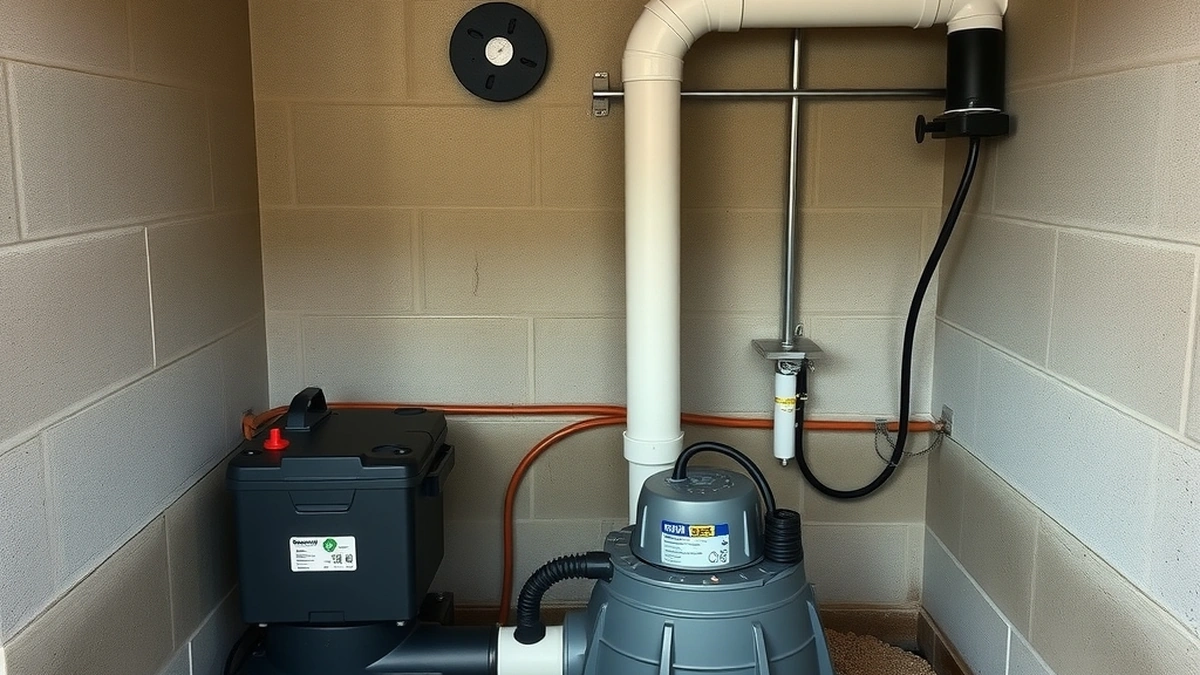
Is a Sump Pump Worth It? Cost, Risk, and Backup
A sump pump costs $600 to $3,000 installed and protects a finished basement from flooding. See when it pays back and when it is optional.
Read the guide →
Is Underpinning Worth It? Cost, Life, and Alternatives
Underpinning costs $6,000 to $30,000 and stops settlement at the source. See when it beats lifting, grouting, or replacement.
Read the guide →
Are Wall Anchors Worth It? Cost, Limits, and Value
Wall anchors cost $500 to $1,500 each and can pull a bowing wall back over time. See when they are worth it and when they are not.
Read the guide →