Should I Buy a House With Foundation Repair?
A repaired foundation is not automatically a dealbreaker. Check the engineer's report, the warranty, the cause, and the disclosure.

A house with a documented foundation repair can be a good purchase if the engineer's report, the warranty, and the cause all check out. A repair without paperwork, or one that has not held, is a reason to renegotiate or walk away.
- Engineer report
- $400 - $1,500
- Warranty transfer
- $100 - $500
- Typical repair
- $4,000 - $15,000
- Major repair
- $20,000 - $40,000
- Disclosure
- Required in most states
Some links on this page are affiliate links.If you buy through them we may earn a commission at no extra cost to you. We do not accept payment for rankings. Read the full disclosure.
A house with a documented foundation repair can be a good purchase. The repair is not the risk; the uncertainty is. If the work was engineered, permitted, and documented, and the warranty transfers, the house is in a known condition. If the paperwork is missing, the buyer is taking on an unknown.
What the Paperwork Tells You
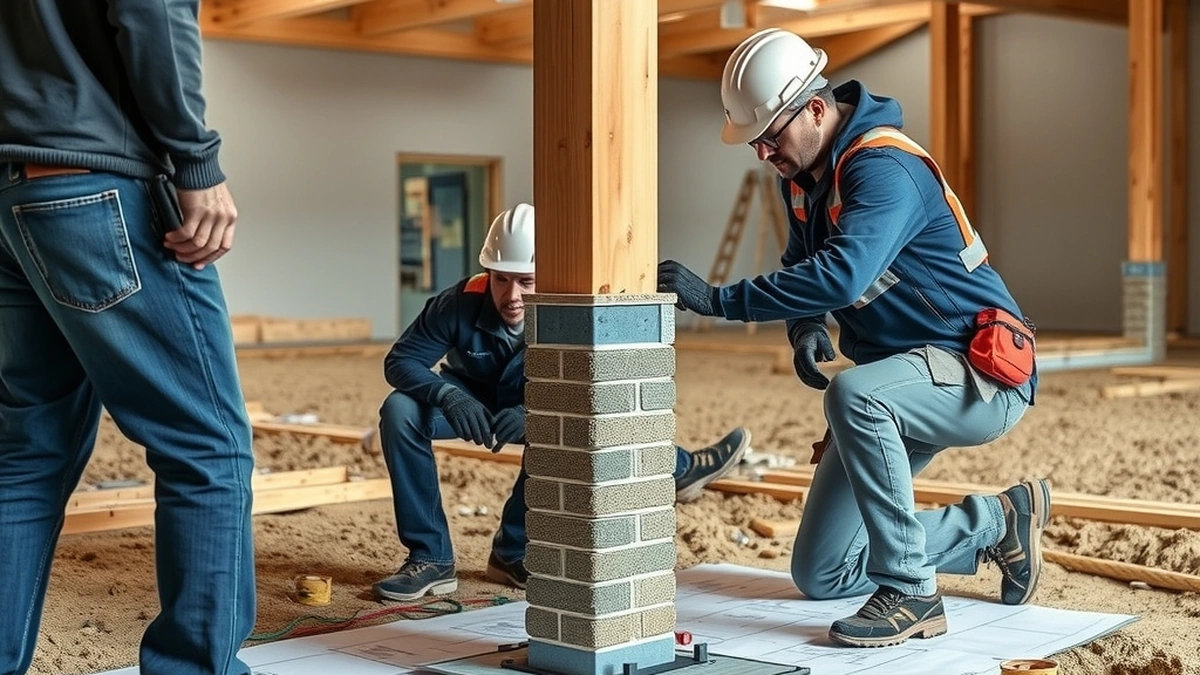
The engineer’s report states the cause, the method, the pier count, and the design depth. The permit record shows the work was inspected. The pier log shows what the piers actually reached.
Those three documents answer the questions a buyer’s inspector will ask. A seller who has them is selling a known quantity, and a seller who does not is selling a discount.
The Documents to Request
| Document | What it proves |
|---|---|
| Engineer’s report | The cause and the design |
| Permit and inspection | Code compliance |
| Pier or torque log | Installation depth and capacity |
| Lift record | The correction achieved |
| Warranty | Recourse and transfer terms |
| Invoice | What was actually done |
Ask for all six, and ask for them in writing rather than in conversation. A missing document is not automatically a dealbreaker, and it is a reason to ask why.
The Cause Matters
A repair for settlement caused by a plumbing leak is a complete repair if the leak was fixed. A repair for settlement caused by drainage is incomplete if the grade still runs toward the house.
Ask what caused the movement and what was done about it. If the answer is “piers were installed” without a cause, the repair may be addressing a symptom.
The Warranty Transfer
A lifetime pier warranty that transfers for $100 to $500 is worth real money. Ask for the transfer terms, the fee, and the deadline after closing.
Read the exclusions. Many warranties exclude damage from changed grading, plumbing leaks, or work by other contractors, and those conditions can void coverage without the new owner knowing.
Your Own Inspection
Hire your own engineer, not the seller’s. The inspection at $400 to $1,500 is the cheapest part of a home purchase and the most valuable for a house with a foundation history.
Ask the engineer to review the repair documents and to assess the current condition. A repair that has held for ten years is a different risk from one completed last spring, and the engineer can tell the difference.
The Negotiation
A documented repair supports the asking price. An undocumented repair supports a lower offer, and the discount should reflect the cost of the repair plus the uncertainty.
If the repair has not held, the negotiation is about the cost of the next repair. Get an engineer’s estimate before making an offer, and put the number in the offer rather than in a conversation.
The Insurance Question
Insurers generally accept a repaired foundation, and they may ask for the engineer’s report. The policy will still exclude future earth movement, so the repair does not change the coverage.
Ask your agent whether the repair affects the quote. In most cases it does not, and in some it prompts a request for documentation.
The Red Flags
- Fresh paint over cracks with no disclosure.
- No engineer’s report for a pier job.
- A warranty that is not transferable.
- A repair completed just before listing.
- A seller who cannot name the contractor.
- A price that ignores a known defect.
A foundation repair is like a roof replacement: it is a major maintenance event, and a documented one is a positive. The house is not cursed, and it is not automatically a bargain either. The documents decide, and they are available before closing if the buyer asks early enough.
Buying a house with a foundation history also means buying a maintenance obligation. The repaired area should be checked after every unusually wet or dry season, and the drainage that protects it should be kept in good order.
That obligation is not unusual for an older house. A roof, a furnace, and a driveway all require attention, and a repaired foundation is one more system to watch rather than a permanent defect.
The buyer’s advantage is the record. A house with a documented repair has a baseline, and a future engineer can compare against it. A house with no history is a blank page, which is sometimes worse.
If the seller is the original owner and the repair was done years ago, ask whether the warranty is still in force and whether it has ever been used. A warranty that has paid a claim once is a warranty the company stands behind.
If the house is being sold by an investor who bought it at auction, the paperwork may be missing entirely. That is a negotiation point, not necessarily a reason to walk, but the offer should reflect the risk.
Walk away when the repair has failed, the cause was never addressed, or the seller will not disclose. Those three conditions mean the next repair is yours, and it may be larger than the first, which is a cost the buyer can price before making an offer.
For the repair context, read foundation repair disclosure and transferable foundation warranty. If the repair is recent, foundation repair inspection explains what your engineer will check.
Frequently asked questions
Is it safe to buy a house with foundation repair?
Yes if the repair was engineered, permitted, documented, and has held. The paperwork is what separates a repaired house from a patched one.
What documents should I ask for?
The engineer's report, the permit and inspection record, the pier log or lift record, the warranty, and the invoice.
Does a foundation repair affect resale value?
A documented repair usually recovers the discount a buyer would demand. An undocumented repair invites a larger discount because the buyer cannot verify it.
Can I get insurance on a repaired foundation?
Usually yes. The insurer may ask for the engineer's report, and the policy will still exclude future earth movement.
Should I get my own inspection?
Yes. Hire your own engineer, not the seller's, and have them review the repair and the current condition.
What if the repair has no warranty?
Treat it as a price negotiation. A repair without a transferable warranty is worth less, and the offer should reflect that.
Sources
Some links are affiliate links.If you buy through them we may earn a commission at no extra cost to you. We do not accept payment for rankings. Read the full disclosure.