Basement Waterproofing Methods Explained
Compare interior and exterior basement waterproofing methods, costs, and when each applies to foundation moisture problems.
Basement waterproofing methods fall into interior drainage, exterior membranes, and crack repair; costs typically run $3,000–$15,000 depending on scope and excavation.
- Primary categories
- Interior, exterior, crack injection
- Typical job range
- $3,000–$15,000
- Engineer inspection
- $400–$1,500
- Permit lead time
- 1–3 weeks
Some links on this page are affiliate links.If you buy through them we may earn a commission at no extra cost to you. We do not accept payment for rankings. Read the full disclosure.
Basement waterproofing methods manage groundwater so it does not enter or damage the basement. The three standard approaches are interior drainage, exterior waterproofing, and crack repair. Choosing a method starts with measuring water entry points, not with selecting a product.
Measure the Water Problem First
Before selecting a waterproofing method, document where water enters, how much enters, and when. Look for stains at the wall-floor joint, efflorescence on block walls, and standing water after rain. Measure crack width at the widest point. Cracks at or below 1/16 inch are typically cosmetic; cracks at 1/8 inch enter a watch category. Lateral wall movement approaching 2 inches indicates a structural issue that waterproofing alone will not correct.
An engineer inspection costs $400–$1,500 and usually schedules within 1–2 weeks. That report establishes whether the problem is surface water, groundwater pressure, or a foundation defect. Permit requirements vary by city and county and typically take 1–3 weeks to process.
Interior Waterproofing: Drainage and Sump Systems
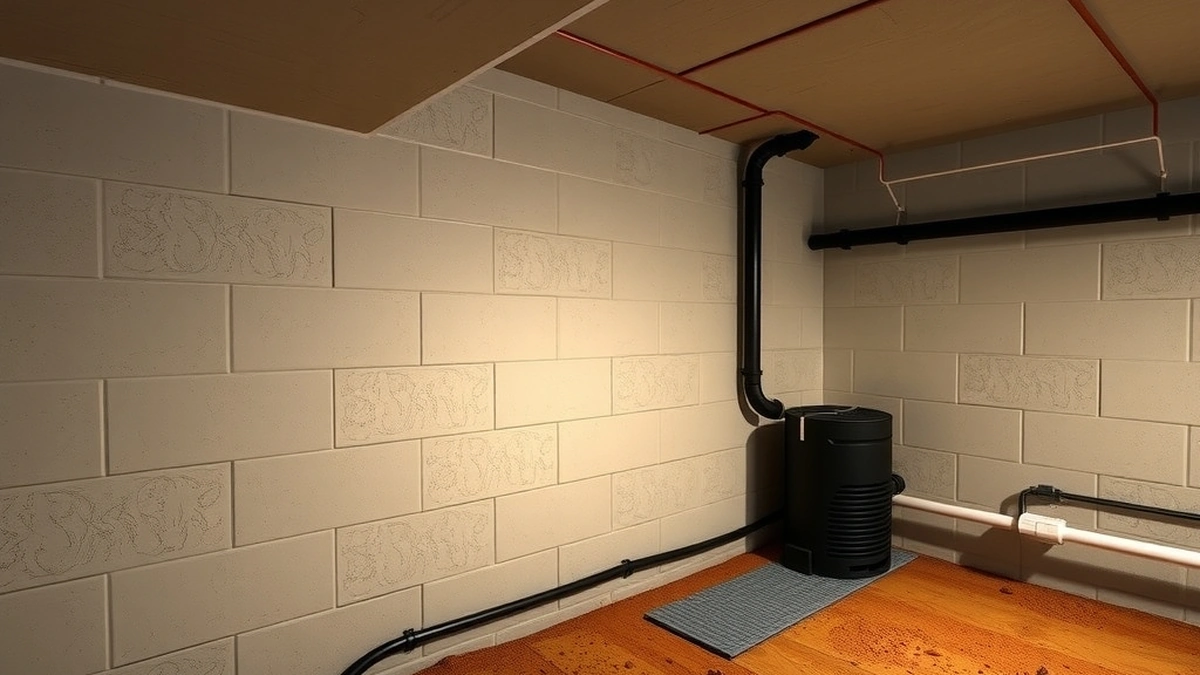
Interior basement waterproofing does not stop water from reaching the foundation wall. Instead, it intercepts water that enters and directs it to a sump pump. A common installation places a drainage channel along the inside perimeter of the basement floor, connects it to a sealed sump basin, and pumps water away from the house.
For a 1,200-square-foot basement with a 140-linear-foot perimeter, an interior drainage system might run $6,000–$12,000 installed. Adding a sump pump typically adds $800–$2,500 depending on pump horsepower and battery backup. These figures are estimates; actual pricing depends on local labor rates and floor condition.
Interior systems are often the practical choice when exterior excavation is blocked by decks, landscaping, or tight lot lines. The trade-off is that water still enters the foundation wall before being managed, so wall finishes and stored items near the perimeter remain at risk during heavy events.
Exterior Waterproofing: Membranes and Drainage Boards
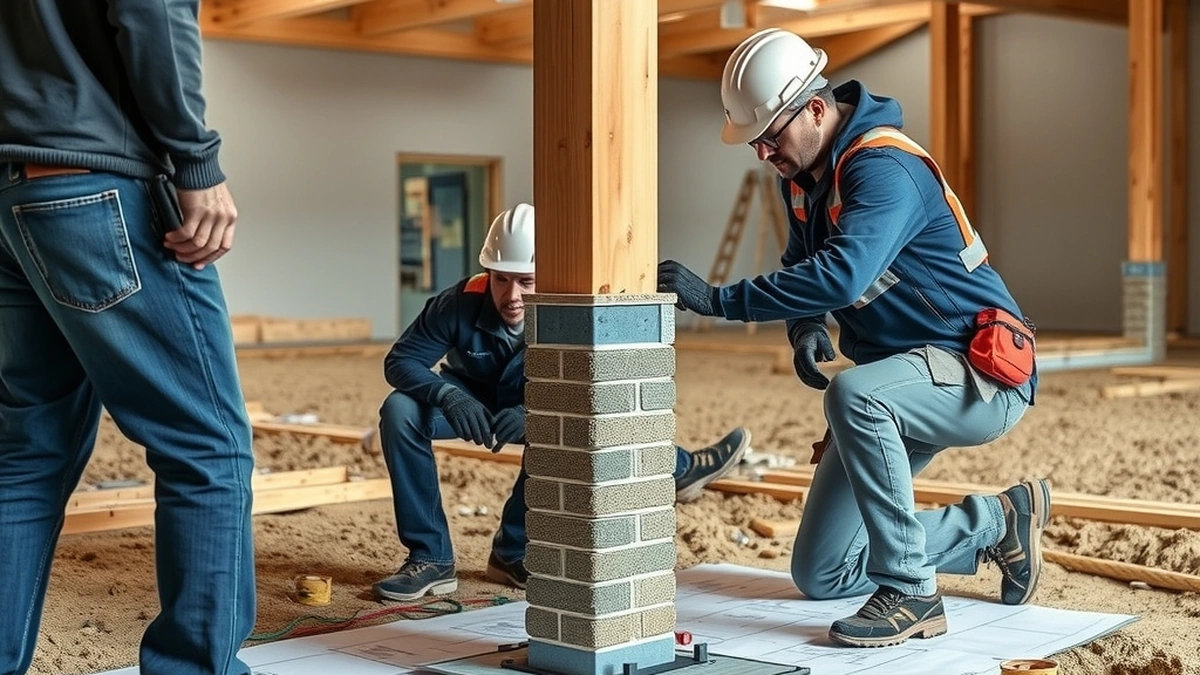
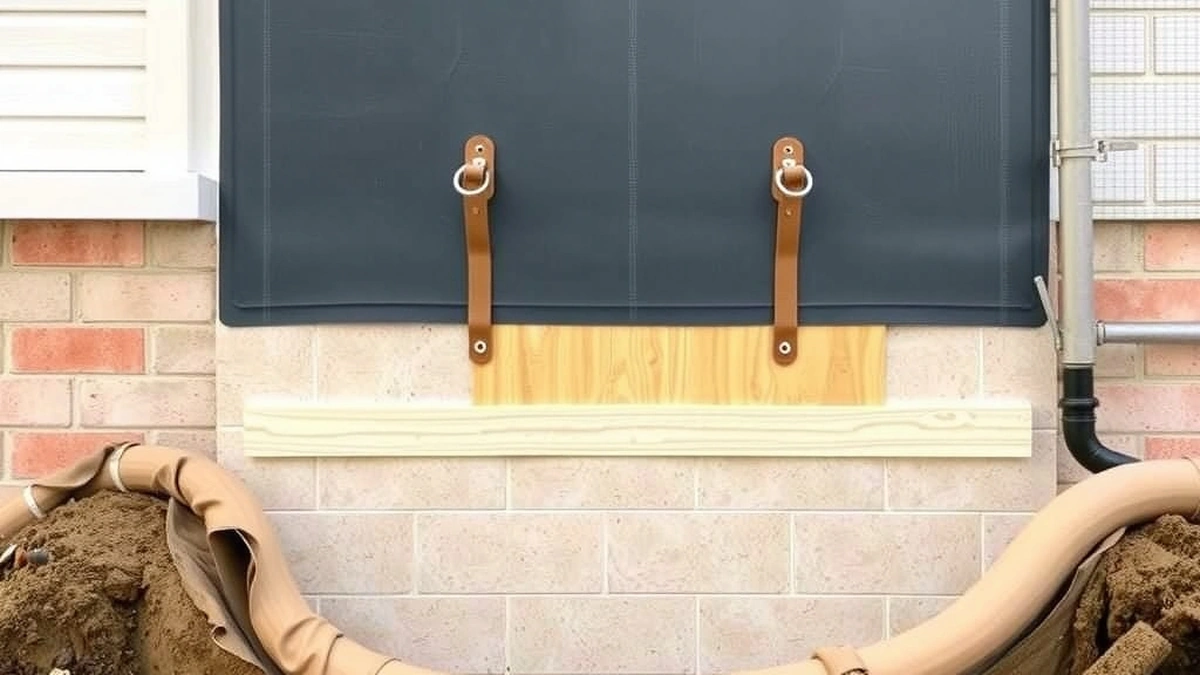
Exterior waterproofing addresses water at the source by applying a membrane or coating to the outside of the foundation wall. The process requires excavating soil around the foundation to expose the footing, cleaning the wall, applying a waterproof membrane, and often installing drainage board and a footing drain.
Exterior work on a typical 1,400-square-foot basement might range from $8,000 to $20,000 or more, driven largely by excavation depth, soil disposal, and surface restoration. If the foundation extends 8 feet below grade, excavating and backfilling that perimeter adds substantial labor compared with an interior channel.
This method keeps water out of the basement wall entirely, which protects finished spaces and storage. It is also the appropriate method when interior access is impossible or when wall deterioration requires exterior coating. The downside is cost, disruption to landscaping, and longer project timelines.
Crack Injection and Sealants
Concrete cracks are a common water entry point. Crack injection uses epoxy or polyurethane resin forced into the crack under pressure to seal the void. Epoxy is used when structural bonding is needed; polyurethane is flexible and better suited to active water leaks where slight movement continues.
For a basement with three wall cracks totaling 40 linear feet, injection might cost $1,000–$2,500. This is an estimate and varies by crack width, depth, and access. Cracks wider than 1/8 inch or those that are widening should be evaluated by an engineer before injection, because sealing a structural crack without addressing movement can mask a worsening problem.
Sealants and waterproof paints applied to interior walls are not waterproofing systems. They may reduce minor dampness but will not hold back hydrostatic pressure or fix active leaks.
How Waterproofing Relates to Foundation Repair
Waterproofing and foundation repair are separate scopes that sometimes overlap. If a basement has both water entry and settling, a contractor may recommend piers alongside drainage. Push piers cost $1,000–$3,000 each, while helical piers cost $700–$2,500 each. A full pier job often runs $6,000–$30,000. Those numbers are independent of waterproofing and should not be bundled into a waterproofing quote unless structural movement is confirmed.
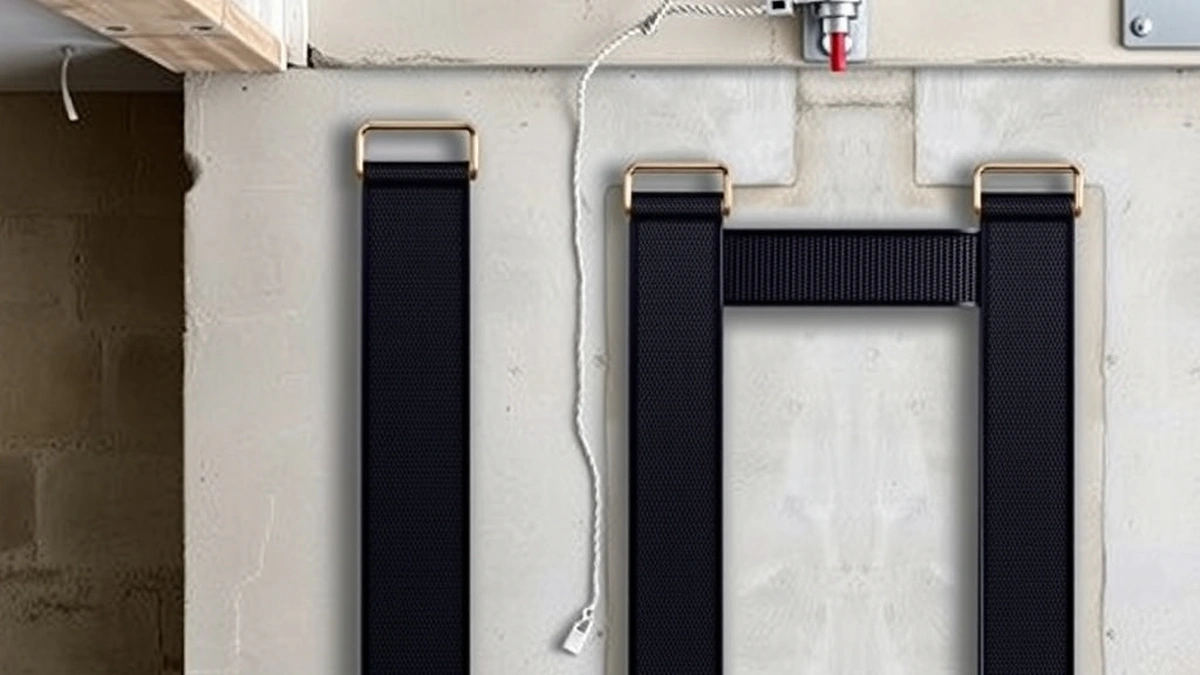
For context, other foundation repair categories include mudjacking at $3–$8 per square foot, poly foam lifting at $5–$15 per square foot, carbon fiber straps at $400–$1,200 each, and wall anchors at $500–$1,500 each. Average foundation repair falls between $4,000 and $15,000, while major repair can reach $20,000–$40,000. Full replacement ranges from $40,000–$150,000. Restoration typically costs 10–25 percent of structural replacement.
If you are comparing repair types, see /foundation-repair-cost/ for general pricing, /pier-and-beam-foundation-repair-cost/ for pier and beam systems, and /foundation-crack-repair-cost/ for crack-specific estimates.
Cost Comparison Table
The table below shows estimated ranges for common basement-related work. These are national estimates and do not include permits, engineering, or interior finish restoration.
| Method | Typical Cost Range | Notes |
|---|---|---|
| Interior drainage system | $3,000–$10,000 | Varies by linear footage |
| Sump pump installation | $800–$2,500 | Battery backup adds cost |
| Exterior waterproofing | $8,000–$20,000+ | Driven by excavation depth |
| Crack injection | $1,000–$3,000 | Per crack or linear footage |
| Engineer inspection | $400–$1,500 | Lead time 1–2 weeks |
A full basement waterproofing project commonly lands between $3,000 and $15,000. Major structural repair combined with waterproofing can push total costs toward $20,000–$40,000. Warranty transfer fees, where applicable, run $100–$500. Pier warranties are often lifetime and transferable, but waterproofing warranties vary by contractor and should be reviewed for coverage terms and exclusions.
Choosing the Right Method
Match the method to the water source. Surface water from poor grading or downspouts is corrected with grading and extensions, not basement waterproofing. Groundwater entering at the wall-floor joint suggests interior drainage or exterior waterproofing. Isolated wall cracks suggest injection. Hydrostatic pressure pushing water through multiple wall areas usually requires a drainage system with a sump pump.
Get a measurement-based scope before comparing prices. A contractor who quotes a price before inspecting crack width, wall height, soil condition, and water entry points is not following a measure-first approach. For related cost detail, see /mudjacking-cost/, /helical-pier-cost/, /push-pier-cost/, /carbon-fiber-foundation-repair-cost/, and /wall-anchor-cost/.
What to Expect During Installation
Interior drainage installation typically takes 2–5 days. Crews cut a channel in the basement floor, lay drain pipe, connect to a sump basin, and restore the concrete. Exterior waterproofing takes longer, often 1–2 weeks, because of excavation, membrane application, backfill, and surface repair. Crack injection is usually completed in one day.
Plan for dust, noise, and temporary loss of basement access. Exterior work disturbs landscaping and may require temporary removal of decks, stairs, or plantings. Interior work requires moving storage away from perimeter walls. Ask for a written scope that lists linear feet of drainage, number of sump pumps, membrane type, and crack locations.
Maintenance and Realistic Expectations
Waterproofing manages water; it does not eliminate the need for drainage maintenance. Sump pumps should be tested quarterly. Interior channels should be inspected annually for sediment. Exterior footing drains can clog over decades and may require excavation to service.
No basement waterproofing method guarantees a dry basement under every storm condition. A 100-year rainfall event can overwhelm any system. The goal is to reduce frequency and volume of water entry, protect finished space, and prevent long-term foundation deterioration. Label all cost figures as estimates until a site inspection confirms conditions.
Foundation Repair Lab is an independent guide. We do not employ contractors, accept referral fees, or sell repair services. All pricing is provided as general information and should be verified with local professionals.
Next, compare foundation repair cost, pier and beam foundation repair cost, foundation crack repair cost before you commit.
Frequently asked questions
What are the main basement waterproofing methods?
Interior drainage systems, exterior waterproofing membranes, and crack injection are the standard methods used to manage basement moisture.
How much does basement waterproofing cost?
Most basement waterproofing jobs fall between $3,000 and $15,000, depending on whether the work is interior or requires excavation.
Is interior waterproofing cheaper than exterior?
Yes, interior drainage and sump pump systems usually cost less because they avoid exterior excavation and foundation exposure.
Do I need a permit for basement waterproofing?
Permit requirements vary by city and county; typically 1-3 weeks, so check with your local building department before starting.
Can waterproofing fix structural foundation cracks?
No, waterproofing manages water entry; structural cracks wider than 1/8 inch or wall movement near 2 inches need separate foundation repair.
How long does an inspection take to schedule?
Inspection lead time is typically 1-2 weeks, and an engineer inspection costs $400–$1,500.
Sources
Some links are affiliate links.If you buy through them we may earn a commission at no extra cost to you. We do not accept payment for rankings. Read the full disclosure.