Foundation Repair Contractor: Hiring the Right Crew
The crew that installs the piers matters as much as the company name. See what to check in the foreman, the insurance, and the contract.
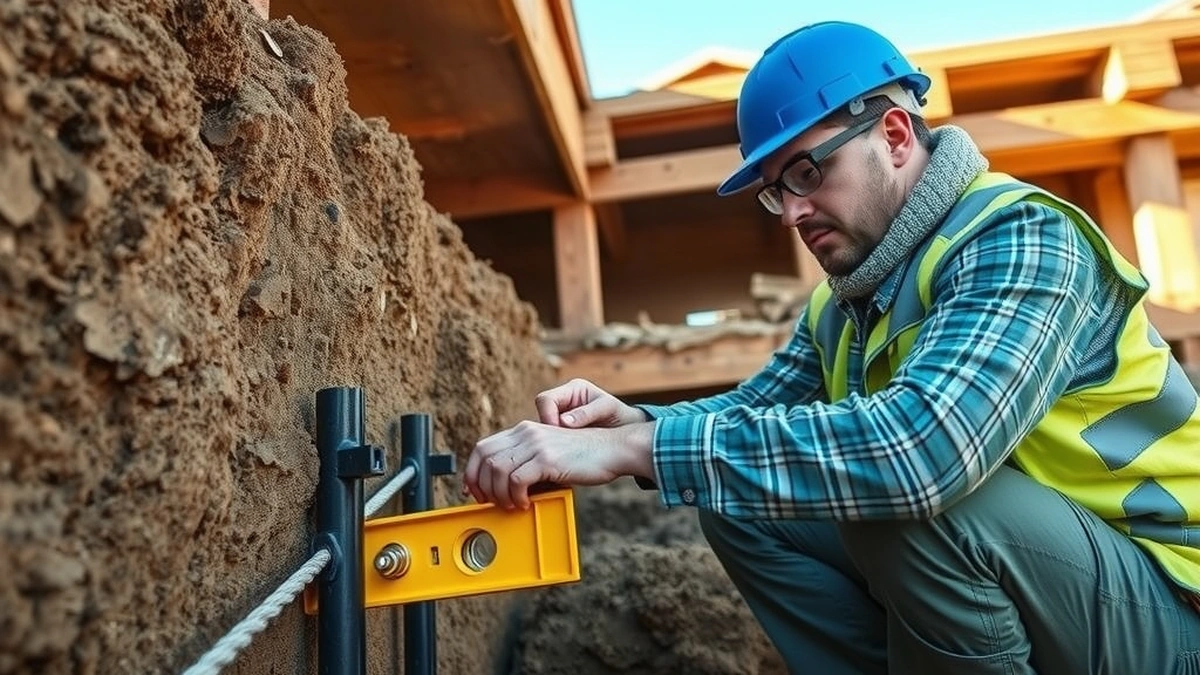
A foundation repair contractor should show a state licence, current liability and workers compensation insurance, a written scope with pier counts, and a foreman who can explain the design. Typical jobs cost $4,000 to $15,000.
- Typical job
- $4,000 - $15,000
- Licence
- State verified
- Insurance
- Liability plus workers comp
- Deposit
- Under one third
- Warranty transfer
- $100 - $500
Some links on this page are affiliate links.If you buy through them we may earn a commission at no extra cost to you. We do not accept payment for rankings. Read the full disclosure.
A foundation repair contractor is judged on three things before any work starts: the licence, the insurance, and the scope. The crew that arrives matters as much as the company name on the estimate, because the foreman is the person who decides whether the piers go to the design depth. Most jobs cost $4,000 to $15,000, and the hiring decisions are what protect that money.
Verify the Licence First
Ask for the licence number and check it yourself in the state database. Confirm the business name matches the contract, the classification covers structural work, and the status is active. A licence that belongs to a different company name is a licence that will not protect you.
Unlicensed structural work creates three problems. The contractor usually cannot pull a permit, the work may not pass inspection, and there is no board to complain to if the repair fails. The price savings are rarely worth those risks.
Insurance and the Crew
| Coverage | Why it matters | How to confirm |
|---|---|---|
| General liability | Damage to your property | Certificate from insurer |
| Workers compensation | Injury on your site | State verification |
| Commercial auto | Vehicles and equipment | Certificate |
Ask the insurer to send the certificate directly to you. A photocopy can be edited; a direct certificate cannot. If a worker is injured in your yard and the contractor has no workers compensation, the claim can reach you in some states.
The Written Scope
A usable scope names the method, the pier type, the count, the spacing, and the design depth. It states who pulls the permit and what restoration is included. It lists exclusions explicitly, because exclusions are where the surprises live.
Compare “stabilize foundation as needed” with “install eight push piers at 7-foot spacing, design depth 22 feet, engineering included, permit included, interior repair excluded.” The second is enforceable. The first is a conversation.
A Costed Comparison
Bid A: six piers at $2,300 = $13,800 Bid B: eight piers at $1,900 = $15,200
Bid A is cheaper by $1,400 and includes two fewer piers. Per pier, Bid A is $2,300 against Bid B’s $1,900. Unless the engineer specified six, Bid A is the smaller repair, not the better price. That is the comparison to make, every time.
The Foreman Question
Ask who the foreman will be and whether that person has read the engineer’s report. On the day the crew arrives, ask the foreman to explain the design: where the piers go, how deep, and what the lift target is. A foreman who can answer is running the job. One who says “we do what the office said” is following a work order without understanding it.
Ask, too, whether the crew is employed or subcontracted. Large firms use both, and a subcontractor crew may be working for three companies in the same week. That is not automatically bad, but the warranty is only as good as the crew that installed the work.
Payment and Holdback
| Milestone | Typical share | Trigger |
|---|---|---|
| Deposit | 10% - 33% | Contract signing |
| Mobilization | 25% - 40% | Crew on site |
| Installation | 25% - 40% | Piers driven |
| Final | 10% - 20% | Inspection sign-off |
Hold the final payment until the inspection is signed and the lift record is delivered. That holdback is your leverage for the punch list, and it should be written into the contract rather than negotiated at the end.
The Sequence to Follow
- Get an independent engineer’s report.
- Verify the licence and insurance.
- Get three bids on the same scope.
- Sign a contract with a count, depth, and payment schedule.
- Confirm the permit and the utility locate before excavation.
- Review the lift record at completion.
- Release the holdback after inspection.
Red Flags and Failed Work
A contractor who will not give a licence number, will not put the pier count in the contract, or asks for half the money before mobilization is a contractor to walk away from. So is one who offers a discount that expires when the visit ends.
A repair that does not hold usually fails in one of three ways. The piers did not reach competent soil, the drainage that caused the settlement was never corrected, or the lift exceeded what the frame could tolerate. The first is a design or installation failure and should be covered by the warranty. The second is a scope gap, and it is why the drainage line belongs in the original contract. The third is a judgment call that the engineer’s tolerance is meant to prevent.
Document everything before you call the contractor back. Photograph the new cracks, note the dates, and compare them with the pre-repair readings. A warranty claim with measurements is a claim that gets resolved; a claim described as “the cracks came back” is a conversation that goes in circles. Send the documentation in writing, keep a copy, and ask for a written response with a site visit date rather than a phone assurance. Most reputable firms will respond within a week, and the ones that do not have told you something useful about how they will handle the next problem.
For the fuller hiring process, read foundation repair contractors and contractor licence check. If you are comparing a large firm with a local one, national vs local foundation contractor sets out the trade-offs.
Frequently asked questions
What should a foundation repair contractor provide?
A state licence number, insurance certificates, a written scope with unit counts and design depth, a permit, a payment schedule, and a warranty document at completion.
How do I verify a foundation contractor's licence?
Look up the number in the state's online licensing database and confirm the business name, classification, and status match the contract.
Should I hire the lowest bid?
Only after normalising the scope. A lower bid with fewer piers or no engineering is not cheaper, it is a smaller repair. Compare counts, depths, and exclusions first.
What is a reasonable deposit?
Under one third of the contract price is normal for residential work. Hold the last 10% to 20% until the inspection is signed off and the lift record is delivered.
What if the contractor is unlicensed?
Do not hire them for structural work. Unlicensed contractors usually cannot pull permits, and you have little recourse if the repair fails or a crew member is injured.
How long should foundation work take?
Pier work usually runs two to five days on site. Permits add one to three weeks, and inspection scheduling adds one to two weeks before the crew arrives.
Sources
Some links are affiliate links.If you buy through them we may earn a commission at no extra cost to you. We do not accept payment for rankings. Read the full disclosure.