How Polyurethane Foam Lifting Works
A clear breakdown of how polyurethane foam lifting repairs settled slabs and walls, including costs and when it's used.
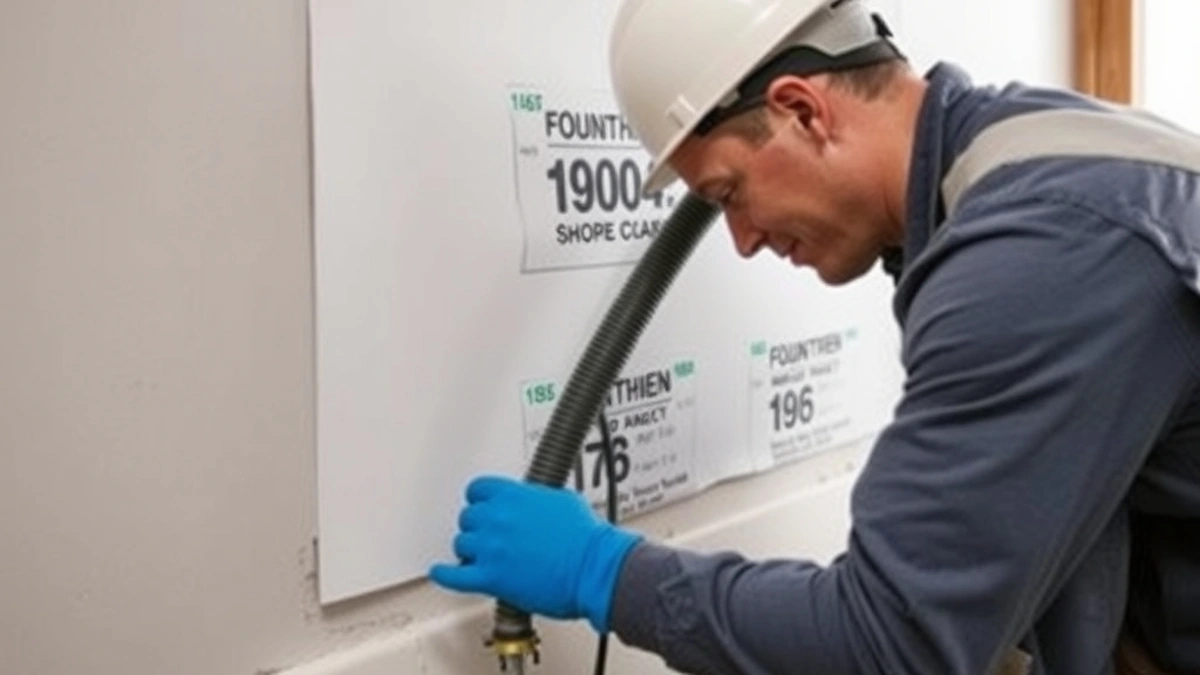
Polyurethane foam lifting involves injecting expanding foam into shallow voids beneath a slab to lift the concrete back to level. It is best for minor cracks and light settlement, priced at $5-$15 per square foot.
- Typical range
- Varies by system and site
- First step
- Measure the space and confirm the load
- Professional help
- Recommended for structural or electrical work
Some links on this page are affiliate links.If you buy through them we may earn a commission at no extra cost to you. We do not accept payment for rankings. Read the full disclosure.
How Polyurethane Foam Lifting Works
Polyurethane foam lifting is a method that uses expanding chemical compounds to raise settled concrete slabs and walls back to their original position. The process involves drilling small holes into the concrete, injecting expanding foam into the underlying voids, and allowing the foam to expand and harden before sealing the holes. Because it addresses the root cause—voids beneath the slab—without removing large amounts of concrete, it is a targeted approach for specific cosmetic or minor structural issues. Measure first, method second, price third. The correct method depends entirely on the measured damage, such as crack width and displacement, and the depth to bearing.
The Injection Process Step-by-Step
The application of polyurethane foam lifting follows a precise sequence to ensure effective lifting without damaging the existing concrete. First, a professional drills small holes—typically 3/8 inch in diameter—into the concrete surface along the crack or low spot. Next, a specialized gun injects the expanding polyurethane foam into these drilled holes. The foam reacts with the moisture in the concrete, expanding rapidly to fill the void space completely. Once fully expanded and cured, the foam chemically locks into the surrounding aggregate, creating a solid, load-bearing material that lifts the slab. Finally, the technician seals the drilled holes with an epoxy patch to restore the finished appearance of the concrete.
Load Capacity and Structural Arithmetic
Understanding the load capacity of the foam is critical to ensuring the repaired slab can support its intended weight. The success of polyurethane foam lifting depends heavily on the measured crack width and displacement, as well as the depth to bearing. A standard injection typically lifts a 4-inch slab up to 15 pounds per square inch (psi), which is sufficient for residential loads up to several thousand pounds per foot of slab length. For example, a 1,500-square-foot slab weighing 150 pounds per cubic foot requires roughly 6,000 pounds of total weight. With a typical 4-inch lift depth, the injected foam must displace enough void volume to accommodate this weight distribution while pushing upward against the sub-slab soil. If the void extends deeper than 6 feet, the foam lacks sufficient bearing area to support the slab’s weight, leading to continued sinking despite successful initial lifting.
Foam Lifting Versus Alternative Methods
Polyurethane foam lifting is not the only option for repairing settled foundations. Contractors typically compare it against mudjacking and pier installation to determine the most appropriate repair strategy based on the severity of the damage. Foam lifting excels at addressing shallow voids and minor cosmetic cracks, whereas mudjacking is better suited for moderate settlement over broader areas. Pier systems, such as helical piers ($700-$2,500 each) or push piers ($1,000-$3,000 each), are reserved for deeper foundation failures that require substantial load transfer to stable bearing layers. When choosing a method, homeowners should evaluate the cost of mudjacking ($3-$8 per square foot) versus the unit price of polyurethane foam ($5-$15 per square foot) to see which provides the best value for their specific situation. Learn more about general foundation repair costs. Compare pier and beam foundation repair costs. See mudjacking cost details.
Cost Breakdown and Estimates
The unit price for polyurethane foam lifting is generally estimated between $5 and $15 per square foot, depending on the complexity of the crack pattern and the number of injection points required. To calculate the total cost for a typical 1,500-square-foot residential slab, multiply the area by the unit price: 1,500 sq ft × $12/sq ft = $18,000. This estimate covers materials and labor but excludes engineer inspection fees, which run between $400 and $1,500 depending on local requirements. For larger jobs exceeding 10,000 square feet, the per-square-foot rate may decrease due to economies of scale, but the overall job cost typically ranges from $6,000 to $30,000 for pier jobs, reflecting the higher material and labor expenses of alternative methods.
Warranty Terms and Transferability
Reputable contractors often provide a warranty for their repair work, and understanding the terms is crucial for long-term protection. For pier-based repairs, the standard warranty is lifetime and transferable, meaning if you sell the property, the new owner can claim the same protection. However, polyurethane foam warranties are typically shorter, often lasting 5 to 15 years, and may have specific conditions regarding crack monitoring. Crack cosmetic repairs, which use similar injection techniques, also carry varying warranty lengths. Wall anchors, another common repair, carry a standard warranty of 5 to 10 years, though the warranty transfer fee ranges from $100 to $500. Read more about carbon fiber foundation repair costs.
Limitations and Failure Thresholds
Polyurethane foam lifting has clear boundaries regarding what it can fix. It is effective for minor cracks under 1/16 inch and light wall movement up to 2 inches. However, if the foundation has shifted more than 2 inches laterally, the concrete has likely experienced significant structural stress, and foam injection will merely push the slab up until the void beneath it is too large for the expanding foam to contain. Furthermore, if more than 33% of the slab shows active failure, the repair is considered failed and must be addressed with a more permanent solution. Major structural repairs, which involve extensive underpinning, cost between $20,000 and $40,000, while full concrete replacement ranges from $40,000 to $150,000.
Permits and Inspection Timelines
Before any foundation repair begins, a permit is usually required by the city or county, with processing times varying by jurisdiction and typically taking 1 to 3 weeks. Failing to secure a permit can halt your project and result in fines. Engineer inspections are also required for pier installations to verify load calculations and structural integrity, costing between $400 and $1,500. These inspections confirm that the proposed repair aligns with local building codes and ensures the structural integrity of the existing foundation before work commences. Allocating at least 1 to 2 weeks for inspection lead time before starting work ensures compliance and prevents unexpected project delays.
Next, compare foundation repair cost, pier and beam foundation repair cost, foundation crack repair cost before you commit.
Frequently asked questions
What is polyurethane foam lifting?
It is a process where expanding foam is injected beneath a concrete slab to fill voids and lift the slab back to its original position.
How much does polyurethane foam cost?
The cost typically ranges from $5 to $15 per square foot, depending on crack width and job size.
When should I choose foam lifting over pier repair?
Choose foam lifting for minor cracks under 1/8 inch and light settlement; use piers for deeper issues or structural failure.
Does foam lifting require a permit?
Yes, permits are required in most cities and counties, typically taking 1 to 3 weeks to process.
Can I transfer the warranty on polyurethane foam work?
Yes, pier warranties are often lifetime and transferable, though foam warranty terms vary by contractor.
What happens if the foam lifting fails after 33% replacement?
If more than 33% of the slab fails structurally, full replacement is usually necessary rather than just re-lifting.
Sources
Some links are affiliate links.If you buy through them we may earn a commission at no extra cost to you. We do not accept payment for rankings. Read the full disclosure.