Vertical Foundation Cracks: Causes, Measurement, and.
A numbers-first guide to vertical foundation cracks, including crack width thresholds, repair methods, and cost ranges for U.S. homeowners.
Most vertical foundation cracks under 1/8 inch are cosmetic or minor settlement; wider or growing cracks need structural evaluation and may require piers or wall anchors.
- Cosmetic crack limit
- 1/16 inch
- Monitor threshold
- 1/8 inch
- Typical repair cost
- $4,000–$15,000
- Major repair cost
- $20,000–$40,000
- Engineer inspection
- $400–$1,500
Some links on this page are affiliate links.If you buy through them we may earn a commission at no extra cost to you. We do not accept payment for rankings. Read the full disclosure.
Vertical foundation cracks are common in poured concrete and block walls, and most are caused by normal settlement rather than collapse. A crack narrower than 1/8 inch is usually cosmetic or minor, while wider cracks or cracks that continue to grow need structural evaluation. Measure the width, track movement, and identify the load path before choosing a repair method.
What Vertical Foundation Cracks Mean
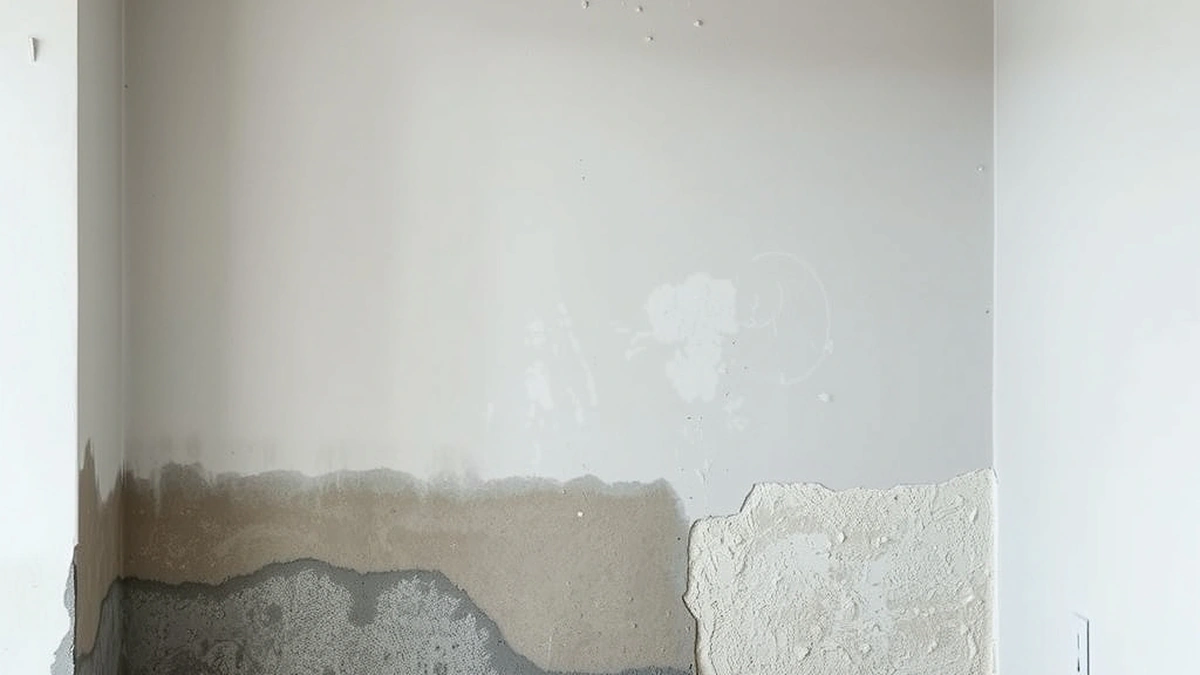
Vertical cracks run up and down, or nearly so, and often appear in the middle of a wall or near corners. In poured concrete, they frequently result from concrete shrinkage during curing or minor settlement as the soil beneath the footing compacts. In concrete block walls, vertical cracks can step along mortar joints and may indicate differential settlement.
The direction matters less than the width and behavior. A vertical crack that stays at 1/16 inch is typically cosmetic. A crack at 1/8 inch enters the watch category: measure it, mark the ends with a pencil, and re-check after seasonal changes. If the crack widens, shifts laterally, or allows water through, it is no longer cosmetic.
How to Measure a Vertical Crack
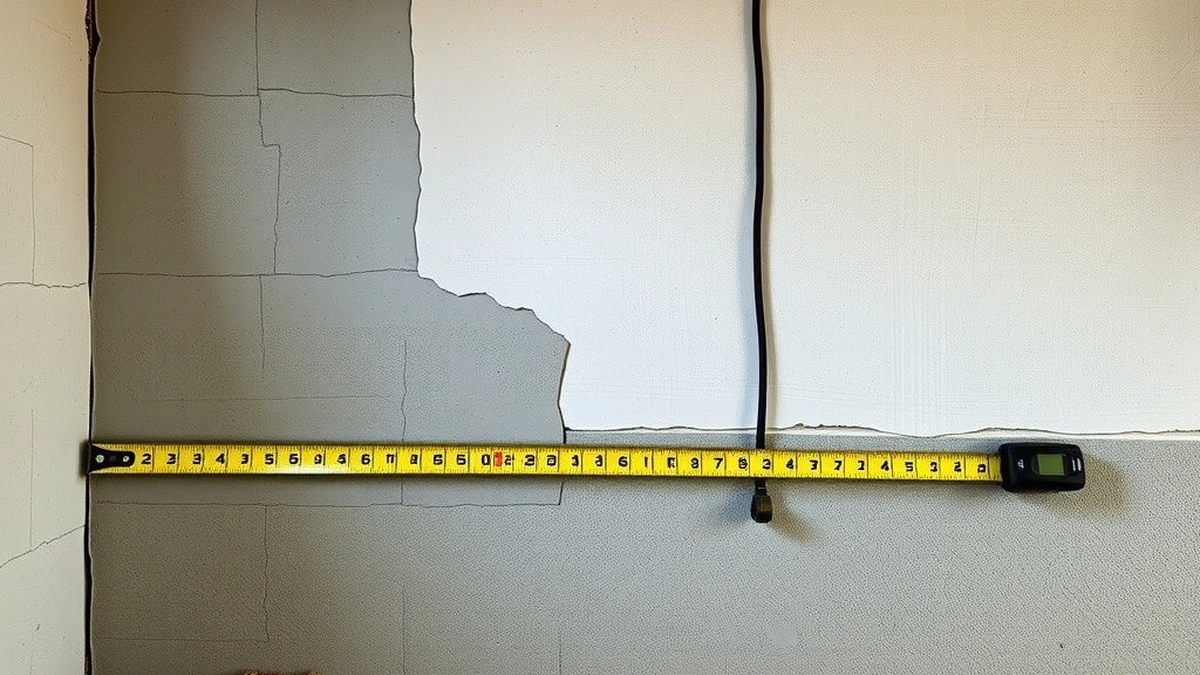
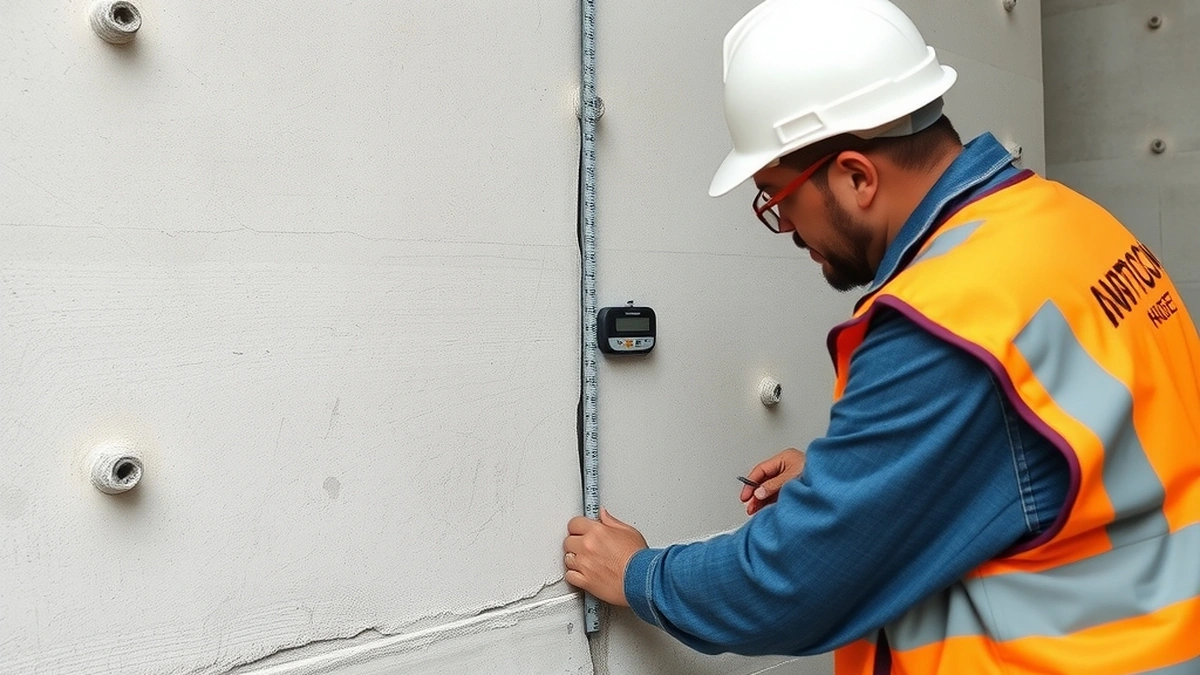
Use a crack comparator card or feeler gauge to measure width at the widest point. Record the measurement in inches, not fractions of an inch estimated by eye. Note the crack length, whether it is wider at the top or bottom, and whether it leaks during rain.
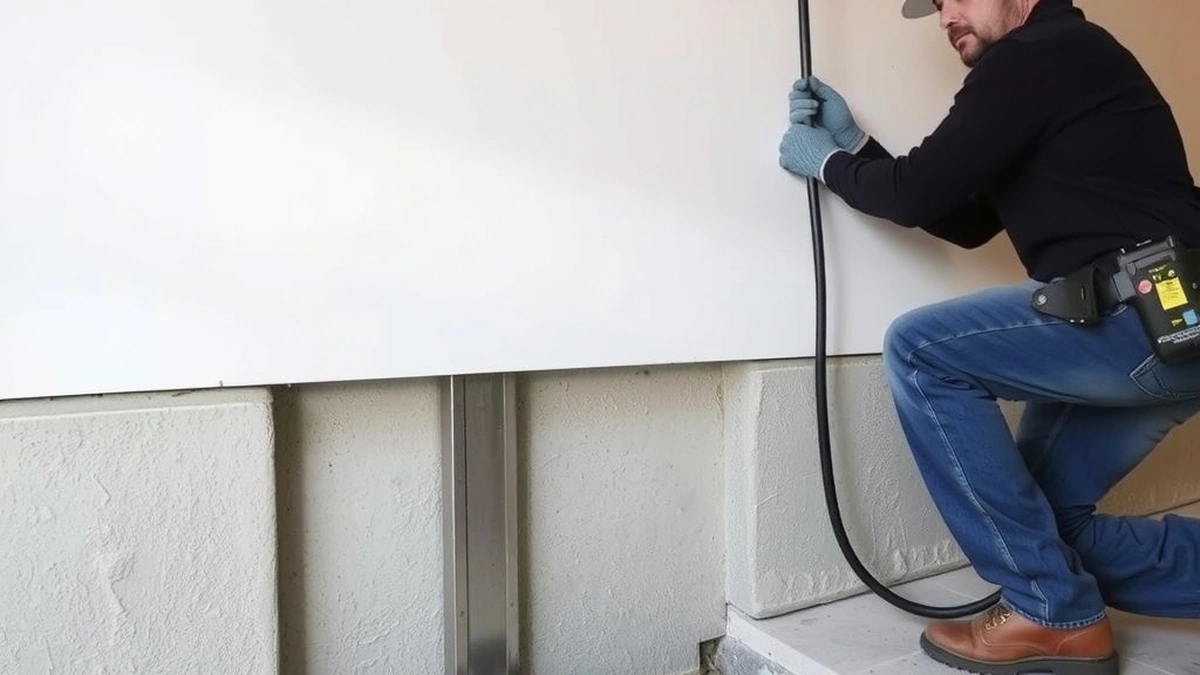
Displacement matters as much as width. If one side of the crack is pushed in or out relative to the other, the wall is moving laterally. Foundation walls should not move more than 2 inches from plumb before replacement is seriously considered. Any measurable displacement combined with a crack over 1/8 inch warrants an engineer inspection.
Estimated inspection cost: $400–$1,500, with a typical lead time of 1–2 weeks.
When to Repair Versus Monitor
Cracks at or below 1/16 inch generally do not require structural repair. Sealing them with epoxy or polyurethane prevents water intrusion and keeps insects out, but it is not a structural fix.
Cracks between 1/8 inch and 1/4 inch with no active movement can be monitored and sealed. Cracks wider than 1/4 inch, cracks with displacement, or cracks accompanied by sticking doors, sloping floors, or stair-step cracks in adjacent walls need a structural evaluation. Repair options depend on whether the problem is settlement beneath a footing or lateral pressure against a wall.
Repair Methods and Cost Estimates
For settlement-related vertical cracks, piers transfer the load to deeper bearing soil. Push piers cost approximately $1,000–$3,000 each, and helical piers cost roughly $700–$2,500 each. A full pier job commonly ranges from $6,000–$30,000 depending on pier count and depth to bearing.
Example arithmetic: If an engineer specifies six push piers at $2,000 each, the pier material and installation subtotal is 6 × $2,000 = $12,000. If the same job uses helical piers at $1,500 each, the subtotal is 6 × $1,500 = $9,000. These are estimates; actual prices vary by region and site conditions.
For bowed or laterally moving foundation walls, carbon fiber straps cost about $400–$1,200 per strap and are appropriate for minor movement. Wall anchors cost roughly $500–$1,500 each and are used when the wall has moved inward enough to require external bracing.
Average foundation repair costs land between $4,000–$15,000. Major repairs can reach $20,000–$40,000. Full foundation replacement runs $40,000–$150,000 and is generally considered only when more than one-third of the foundation has failed structurally.
Interior vs. Exterior Cracks
A vertical crack visible inside a basement may not extend through the entire wall, and an exterior crack may be hidden by backfill or siding. Check both sides when possible. Interior cracks that leak often respond to injection sealants, but injection does not stop soil movement. Exterior cracks require excavation to assess the footing and apply waterproofing or drainage if needed.
Do not assume an interior crack is less serious because it is narrow. A narrow crack on a finished basement wall can hide significant movement behind drywall or paneling.
Choosing a Contractor and Permits
Request a written scope that lists pier count, depth to bearing, unit price, and warranty terms. Pier warranties are commonly lifetime and transferable, though transfer fees run about $100–$500. Mudjacking or polyurethane slab lifting carries shorter estimated life spans of 5–15 years and costs roughly $3–$12 per square foot depending on the method.
Permits vary by city and county and typically take 1–3 weeks to obtain. Confirm who pulls the permit before work begins.
Cost Context and Alternatives
If the foundation is sound but a slab section has settled, mudjacking costs about $3–$8 per square foot and poly foam lifting about $5–$15 per square foot. Crawl space encapsulation runs roughly $3–$8 per square foot, or $4,000–$15,000 per job, and addresses moisture rather than structural cracks.
Restoration after structural repair, such as patching drywall or repainting, typically adds 10–25 percent of the structural repair cost. These figures are estimates and should be confirmed with a local contractor after an inspection.
Measure first, method second, price third. A vertical crack that measures under 1/8 inch and is not moving usually needs sealing, not piers. A wider or active crack needs an engineer’s measurement before any repair contract is signed.
Learn more about full repair pricing
Frequently asked questions
Are vertical foundation cracks serious?
Many vertical cracks are minor settlement, but cracks wider than 1/8 inch or cracks that are growing need inspection to rule out structural movement.
When should I repair a vertical crack?
Repair when the crack exceeds 1/8 inch, shows active movement, leaks water, or accompanies sticking doors and uneven floors.
How much does vertical crack repair cost?
Cosmetic crack injection often runs a few hundred dollars; structural repair with piers typically falls between $6,000 and $30,000 per job.
Can I fix a vertical foundation crack myself?
Small non-structural cracks can be sealed with epoxy or polyurethane, but structural cracks require a professional diagnosis and repair method.
Do piers fix vertical cracks?
Piers stabilize the foundation and can close or arrest crack movement, but they do not always cosmetically close existing cracks.
Will homeowners insurance cover foundation cracks?
Coverage depends on the cause; sudden events like a vehicle impact may be covered, while normal settlement usually is not.
Sources
Some links are affiliate links.If you buy through them we may earn a commission at no extra cost to you. We do not accept payment for rankings. Read the full disclosure.