Pier and Beam Leveling Problems and Limits
Pier and beam leveling problems include crushed shims, rotted beams, and piers set on bad soil. See the limits and the costs.
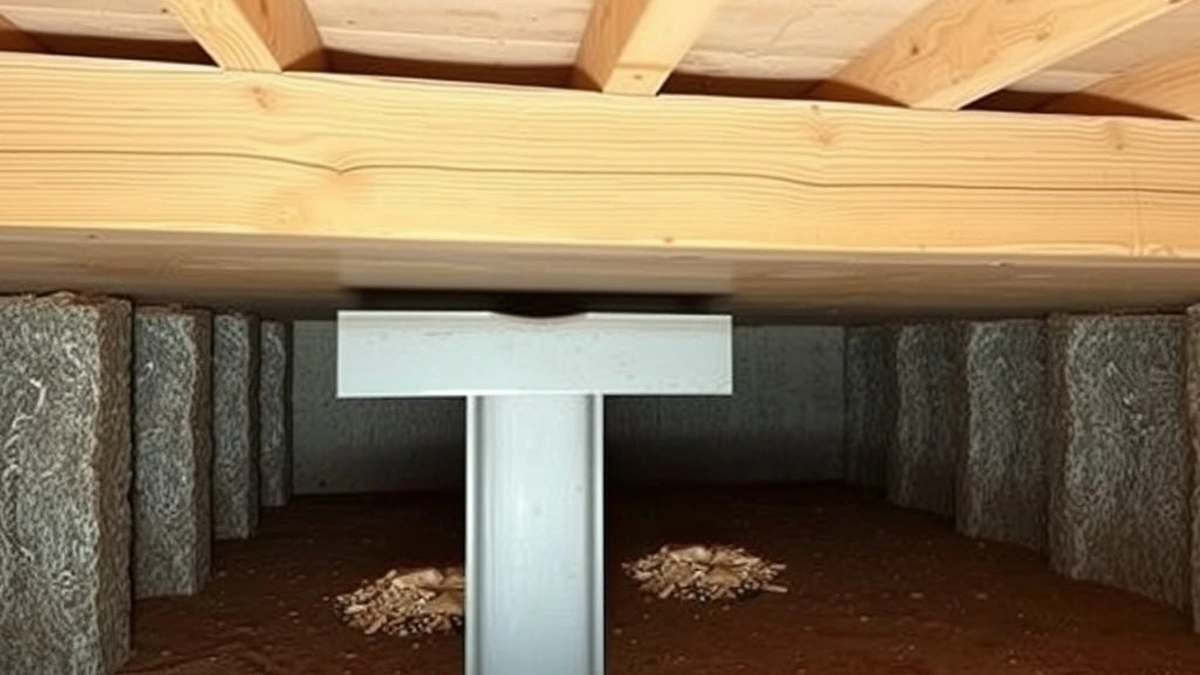
Pier and beam leveling problems include crushed shims, rotted girders, piers bearing on soft soil, and joists that are too small for the span. Re-shimming costs $1,500 to $5,000; new piers cost $6,000 to $30,000.
- Re-shimming
- $1,500 - $5,000
- Joist repair
- $2,000 - $8,000
- Pier repair
- $6,000 - $30,000
- Slope threshold
- 1 inch across a room
- Engineering report
- $400 - $1,500
Some links on this page are affiliate links.If you buy through them we may earn a commission at no extra cost to you. We do not accept payment for rankings. Read the full disclosure.
Pier and beam leveling problems start with the shims. Wood shims compress, rot, or fall out, and the beam drops a fraction of an inch at each pier. Multiply that across a house and the floor slopes. The second group of problems is the beam itself: a girder that has sagged or rotted cannot be leveled by shimming alone. A beam that has deflected permanently has lost stiffness, and lifting it back to level does not restore that stiffness.
A third group is access. Crawl spaces are not designed for people, and a 12-inch clearance limits the tools a crew can use. That is why the same job can cost twice as much in a low crawl space as in a full basement.
Crushed Shims
Shims are the adjustable layer between the pier and the beam. Wood shims are common and cheap, and they compress over time, especially when the crawl space is damp.
| Shim type | Life | Notes |
|---|---|---|
| Wood | 5 - 15 years | Compresses, rots |
| Steel | 20+ years | Does not compress |
| Adjustable pier | Permanent | Can be re-leveled |
Replacing wood shims with steel or with an adjustable pier head is the durable fix. The adjustable head is the better long-term choice because it can be re-leveled in a few years without reopening the pier. A crew that simply adds more wood is repeating the original problem.
Rotted Beams
A girder that has absorbed moisture loses strength and sags between piers. Shimming a rotted beam lifts the rot rather than fixing it, and the beam continues to deflect.
The repair is sistering a new member alongside the old one, replacing the section, or replacing the beam. That work is priced separately from leveling, and it should be decided before the leveling scope is set. If the beam is rotted at its bearing, no amount of shimming will hold the floor, and the repair is carpentry rather than foundation work.
Piers on Soft Soil
A pier is only as good as the soil under its base. A concrete block pier sitting on soft fill will settle, and the beam above it drops. Adding shims to a settling pier is a temporary correction.
The fix is a pier that reaches competent soil, either a deeper concrete footing or a steel pier. That is underpinning, and it costs more than re-shimming but lasts. A crew that shims a settling pier is charging for a repair that will be repeated.
Undersized Joists
| Symptom | Cause | Repair |
|---|---|---|
| Bounce in the middle | Undersized joists | Sister or add a beam |
| Slope across the room | Settled beam or pier | Level or underpin |
| Localized dip | Broken or rotted joist | Replace the joist |
| Squeaks and movement | Loose subfloor | Refasten and shim |
Leveling does not fix a bounce that comes from joist size, and re-shimming a bouncy floor can make the bounce feel sharper by removing the slack that was absorbing it. If the floor feels springy but is level, the repair is structural framing, not piers. A 2 by 8 joist spanning 14 feet is undersized no matter how well it is supported at the ends, and the fix is a larger joist or a mid-span beam.
A Costed Repair
A 1,500 sq ft house with a sagging center girder and six loose piers. Re-shimming five and replacing one rotted pier:
Re-shim: 5 × $350 = $1,750 New pier: $1,800 Beam sistering: $2,400 Engineering: $800
Total: $6,750
That sits between the re-shimming and pier-repair bands, which is typical when the job includes both. A quote for leveling alone would have been cheaper and would not have fixed the sag.
The Limits
Leveling restores elevation. It does not fix rot, undersized framing, or soft soil. It also does not fix a beam that has failed in bending, because lifting a failed member redistributes the load rather than restoring its capacity.
In a very low crawl space, access limits what can be done, and the crew may have to work in shifts or use hand tools rather than a jack. A 12-inch clearance may not allow a jack or a new pier, and the repair may require excavation from outside or a different approach.
The Sequence to Avoid Problems
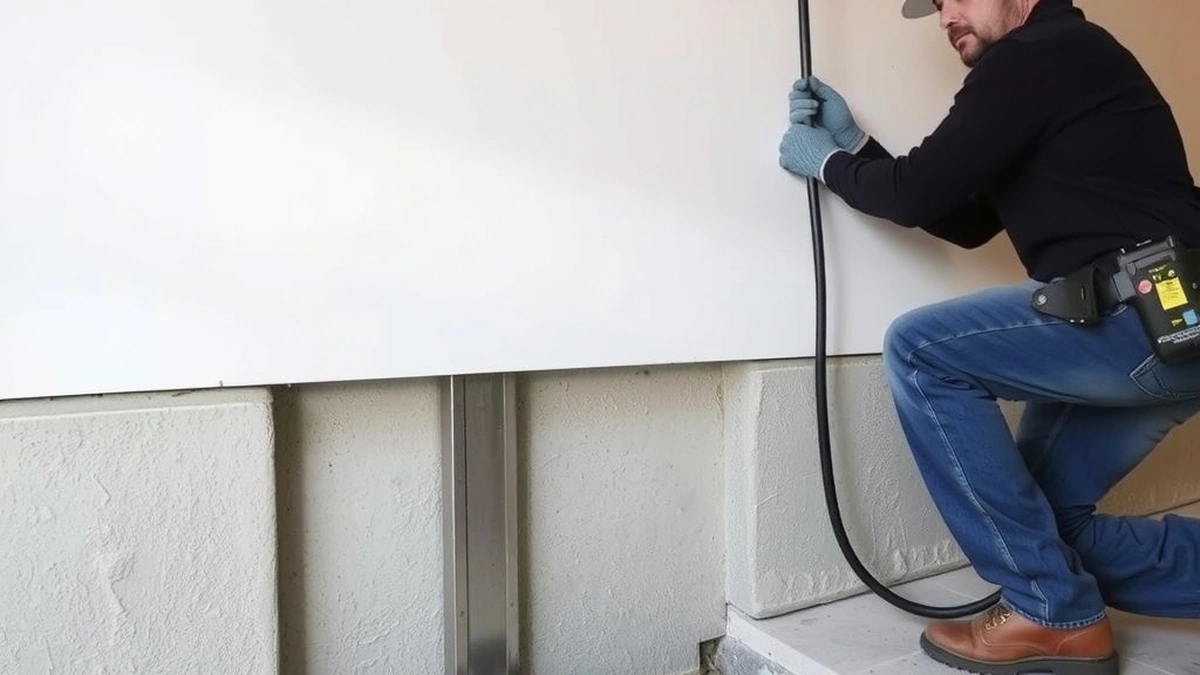
- Inspect the crawl space and photograph every pier and beam.
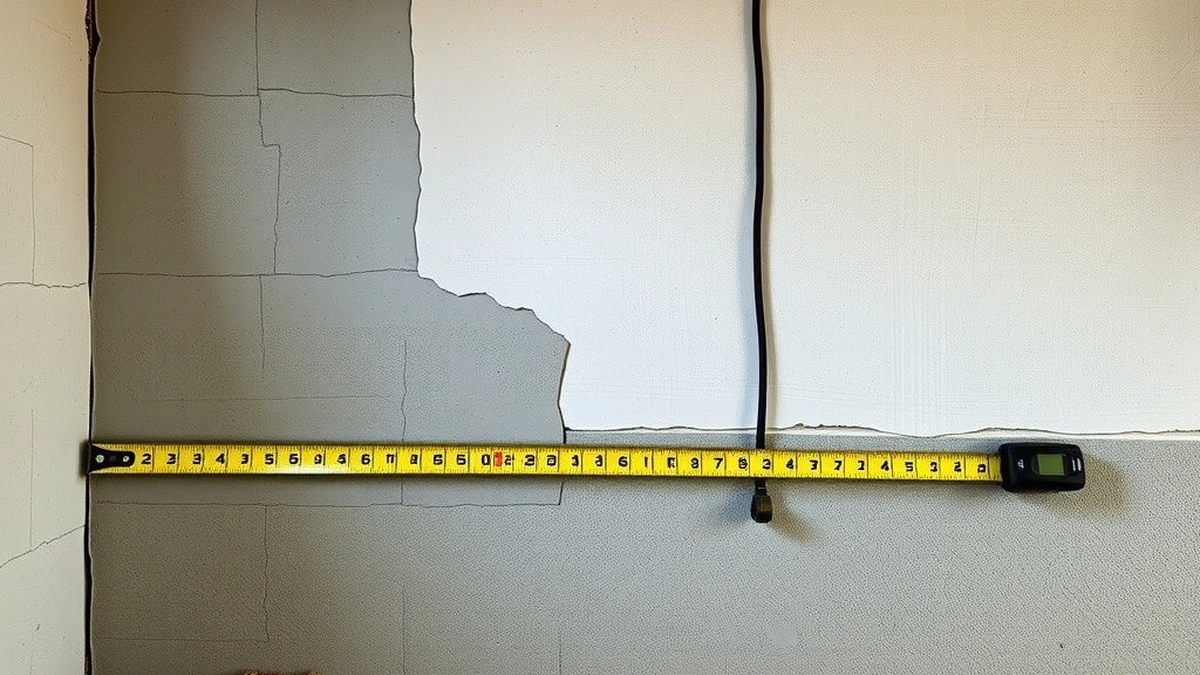
- Measure the slope in two directions.
- Identify rot, crushed shims, and soft soil.
- Repair rot and framing before leveling.
- Replace shims or piers as the inspection requires.
- Level in increments and check doors and walls.
- Recheck after one wet season.
What to Ask a Contractor
Ask whether the shims will be wood or steel, and why. Ask how the beam condition was assessed and whether any rot was found. Ask whether the piers bear on competent soil or on fill. Ask for the slope measurements before and after, and compare them with your own readings. A contractor who cannot show a before and after is asking you to take the result on faith.
For the method detail, read pier and beam leveling and re-shimming pier and beam. If the issue is a settled footing rather than a shim, underpinning cost is the closer comparison.
Frequently asked questions
What are the common problems with pier and beam leveling?
Crushed or rotten shims, girders that have sagged or rotted, piers bearing on soft soil, and joists that are undersized for the span.
Why do shims crush?
Wood shims compress under load, especially when the pier is not in full contact with the beam or the wood has absorbed moisture. Steel shims or adjustable piers last longer.
How much does pier and beam leveling cost?
Re-shimming runs $1,500 to $5,000. New piers run $6,000 to $30,000 depending on the count and depth. Joist repair runs $2,000 to $8,000.
Can I re-shim a pier and beam foundation myself?
It is within reach for a careful homeowner with a sound structure and a low crawl space, but lifting a beam carries risk. Any rot, sag, or significant movement should be engineered.
How much slope is acceptable?
A quarter inch over 4 feet is common in older homes. More than an inch across a room is worth investigating, and 2 inches is a clear structural signal.
Does leveling fix bouncy floors?
It can reduce bounce if the cause is a gap at the pier. Bounce from undersized joists needs sistering or added support, which is a different repair.
Sources
Some links are affiliate links.If you buy through them we may earn a commission at no extra cost to you. We do not accept payment for rankings. Read the full disclosure.