Foundation Heave Repair: When the Ground Pushes Up
Foundation heave is upward movement from expanding soil, not settlement. See how to identify it and why piers make it worse.
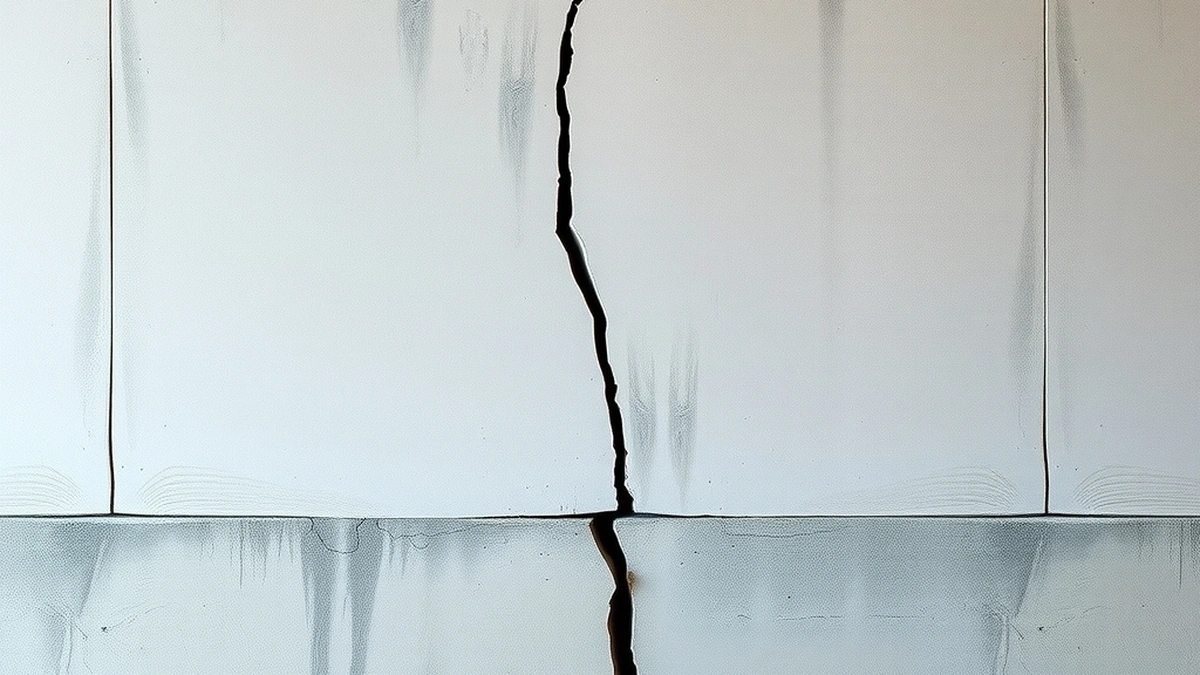
Foundation heave repair addresses upward movement from expanding soil, at $5,000 to $30,000 depending on the method. Piers do not fix heave and usually make it worse, so the soil has to be corrected or isolated first.
- Moisture control
- $500 - $3,000
- Soil correction
- $8,000 - $25,000
- Deep piers
- $6,000 - $30,000
- Engineering report
- $400 - $1,500
- Crack pattern
- Wide at the top
Some links on this page are affiliate links.If you buy through them we may earn a commission at no extra cost to you. We do not accept payment for rankings. Read the full disclosure.
Foundation heave repair addresses the opposite problem from most foundation work: the ground is pushing the structure up rather than letting it down. It costs $500 to $3,000 for moisture control and $8,000 to $25,000 for soil correction. Piers do not fix heave, and installing them without correcting the soil usually makes the cracking worse.
What Heave Is
Foundation heave is the upward movement of a footing or slab caused by soil expansion beneath it. The usual driver is expansive clay, which swells as it absorbs water and can exert enough pressure to lift a slab or crack a wall. Frost heave does the same thing seasonally in cold climates.
The mechanism matters because it determines the repair. Settlement is a loss of support, fixed by adding support below. Heave is an addition of pressure, fixed by removing or isolating the source of that pressure.
The Crack Signature
| Pattern | Heave | Settlement |
|---|---|---|
| Crack shape | Wide at top, narrow at bottom | Wide at bottom, narrow at top |
| Floor | High in the middle or at one side | Low at one corner |
| Season | Worse in wet weather | Worse in dry weather |
| Doors | Bind in spring, free in fall | Bind consistently |
| Exterior | Soil pushing against the wall | Gap at the soil line |
The seasonal test is the most reliable. If the doors bind after a wet spring and free up in a dry August, the soil is expanding and contracting, and that is heave rather than settlement.
Why Piers Make It Worse
A pier holds a footing at a fixed elevation. When the soil beneath continues to expand, the pier resists the movement at that point while the rest of the slab continues to rise. The result is a stress concentration that cracks the slab or the wall somewhere else.
That is why a reputable contractor will not sell piers for a heaving slab without addressing the soil. If a bid proposes piers alone for upward movement, ask what is being done about the expansion. If the answer is nothing, the diagnosis is wrong.
The Repair Options
| Method | Cost | What it does |
|---|---|---|
| Grading and drainage | $500 - $3,000 | Stabilizes soil moisture |
| Soaker hose management | $100 - $400 | Keeps moisture consistent |
| Soil removal and replacement | $8,000 - $25,000 | Removes expansive material |
| Deep piers below active zone | $6,000 - $30,000 | Isolates structure from movement |
| Root barrier | $8 - $20 per linear ft | Stops tree roots drying soil |
The cheapest option is moisture management, and it is often enough for mild heave. The most effective is removing the expansive soil and replacing it with compacted granular fill, but it is expensive and disruptive.
A Costed Example
A 1,600 sq ft house has heaved along one side, with cracks wide at the top. The engineer specifies removal of 3 feet of expansive clay along a 40-foot wall and replacement with compacted fill.
Excavation and replacement: 40 ft × $350 per ft = $14,000
Add drainage correction at $2,500 and engineering at $1,000:
$14,000 + $2,500 + $1,000 = $17,500
That sits in the $8,000 to $25,000 soil correction band. A pier alternative would be cheaper per unit but would not address the cause.
The Repair Sequence
- Record the crack pattern and the seasonal movement.
- Get a geotechnical report if expansive soil is suspected.
- Correct grading and drainage to reduce the wet-dry cycle.
- Remove and replace expansive soil, or isolate with deep piers.
- Repair the cracks after the movement stops.
- Monitor through a full wet and dry season.
What Homeowners Can Do
Keep water away from the foundation and keep it consistent. A gutter that overflows at the corner saturates the soil in one place, and a dry summer shrinks it everywhere else. Extending downspouts, grading to a 6-inch fall over 10 feet, and watering evenly during drought all reduce the cycle.
Do not landscape with plants that need heavy irrigation right against the wall, and do not let a sprinkler head soak one corner. The goal is uniform moisture, not more water.
Frost heave is the seasonal cousin. In cold climates, water in the soil freezes and expands, lifting shallow footings and slabs each winter. The fix is depth: footings below the frost line, and drainage that keeps water from pooling where it will freeze. If the cracking appears every February and closes in May, frost is the driver and the repair is a deeper footing rather than a pier.
When to Call an Engineer
Call one when the cracks are wide at the top, when the movement reverses with the seasons, or when a previous pier repair has not held. The report at $400 to $1,500 will separate heave from settlement and specify a repair that addresses the cause. Ask specifically whether the design isolates the footing from the active zone, because that is the difference between a repair that holds and one that moves with the soil.
For the soil context, read expansive clay soil and frost heave. If the movement is downward rather than upward, foundation settlement repair covers the correct methods.
Frequently asked questions
How much does foundation heave repair cost?
It depends on the method. Moisture control runs $500 to $3,000, soil correction runs $8,000 to $25,000, and deep piers that isolate the structure run $6,000 to $30,000.
How do I tell heave from settlement?
Heave moves up and usually produces cracks that are wide at the top. Settlement moves down and produces cracks that are wide at the bottom, with floor slope toward the low side.
Will piers fix foundation heave?
No. Piers hold a footing down, which resists the upward movement and can crack the slab or the wall somewhere else. Heave needs the soil corrected or the structure isolated from it.
What causes foundation heave?
Expansive clay that absorbs water and swells, frost in cold climates, and soil that was improperly compacted or contains sulfates are the common causes.
Can heave be fixed by improving drainage?
Sometimes. Keeping water away from the foundation reduces the swelling cycle. Severe heave may need the expansive soil removed or the footing deepened below the active zone.
Is heave covered by insurance?
Usually not. Most policies exclude earth movement and soil expansion, though a sudden event such as a burst pipe may be covered. Read the exclusions page.
Sources
Some links are affiliate links.If you buy through them we may earn a commission at no extra cost to you. We do not accept payment for rankings. Read the full disclosure.