Carbon Fibre Strap Problems: Bond, Bow, Limits
Carbon fibre straps fail when the surface is not prepared, the wall is too far gone, or the water is not fixed. See the limits.
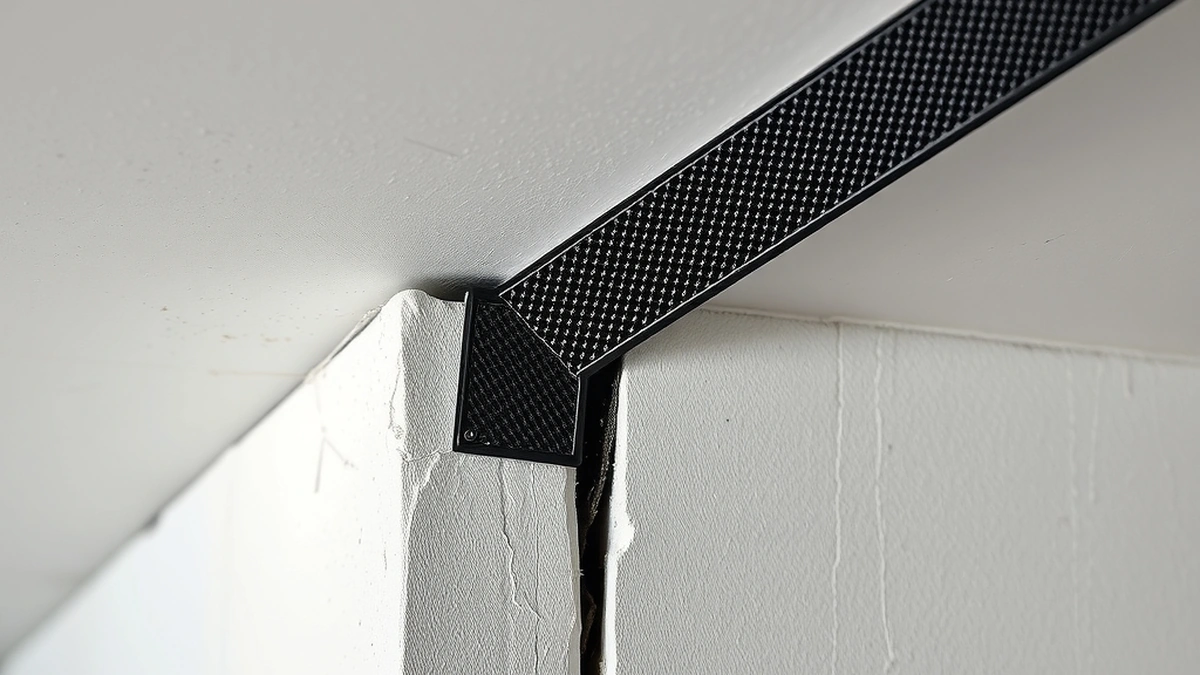
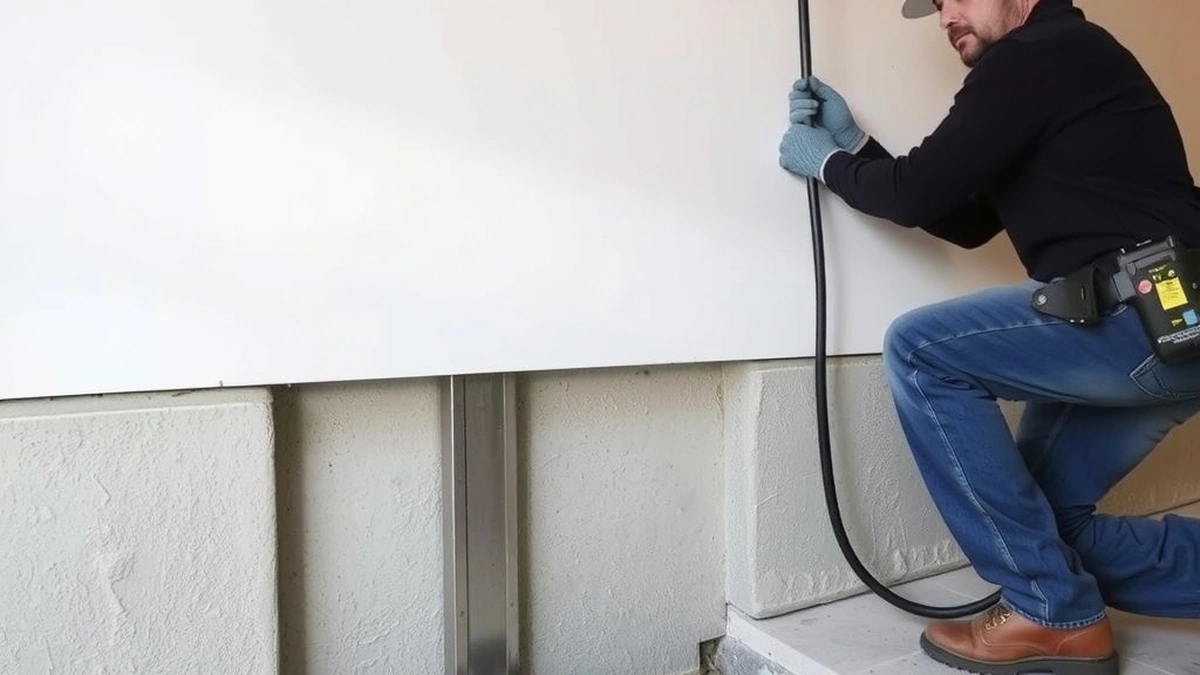
Carbon fibre strap problems include debonding from poor surface preparation, use on walls that have bowed past 2 inches, and unaddressed water that keeps loading the wall. Straps cost $400 to $1,200 each.
- Cost per strap
- $400 - $1,200
- Spacing
- 4 - 6 feet
- Common failure
- Debonding
- Movement limit
- 2 inches
- Engineering report
- $400 - $1,500
Some links on this page are affiliate links.If you buy through them we may earn a commission at no extra cost to you. We do not accept payment for rankings. Read the full disclosure.
Carbon fibre strap problems are almost always bond problems. The strap itself does not fail at residential loads, because carbon fibre has a tensile strength far beyond what a basement wall can generate. What fails is the connection between the strap and the wall, and that connection depends on surface preparation that nobody sees after the job is finished.
Debonding
Debonding is the failure mode. The epoxy lets go, the strap peels, and the wall is back to where it started, often with a visible strip hanging off the wall.
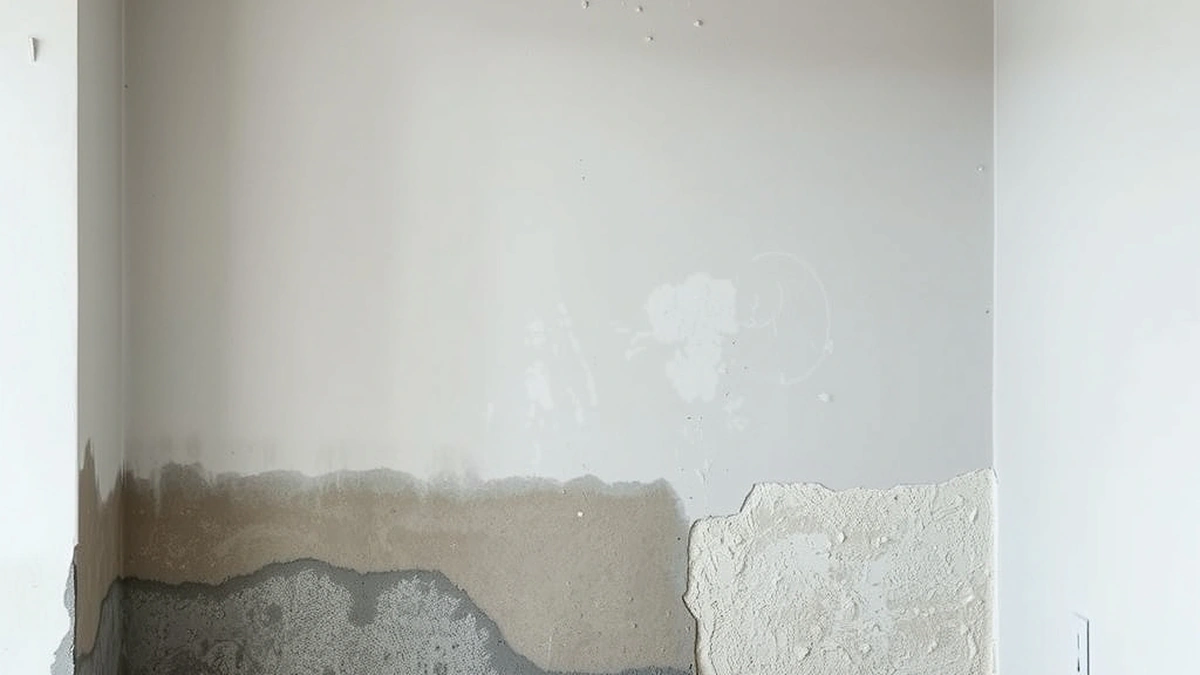
The causes are predictable. Paint, efflorescence, dust, or a damp surface prevents the epoxy from bonding. So does a wall that is spalling or crumbling, because the epoxy bonds to the loose layer rather than the sound concrete beneath it. A wall that has been painted with a waterproof coating is the worst case, because the coating looks sound and fails under load.
The inspection is simple. Scrape a small area with a screwdriver. If the surface comes off in flakes or powder, the preparation has to go deeper. A contractor who refuses to test a small spot is telling you the wall will not pass.
Surface Preparation
| Step | What it removes | Why it matters |
|---|---|---|
| Grinding | Paint, coatings, laitance | Exposes sound concrete |
| Wire brushing | Loose material | Prepares the pore structure |
| Dust removal | Grinding residue | Epoxy needs a clean surface |
| Priming | None | Improves adhesion in some systems |
A crew that skips the grinding is saving an hour and losing the repair. The cost of the extra labour is a few hundred dollars; the cost of a failed bond is the whole job. Ask how the surface will be prepared, and look at the wall after preparation but before the strap goes on. It should be bare, sound, and clean, with no dust visible on a gloved hand.
The Movement Limit
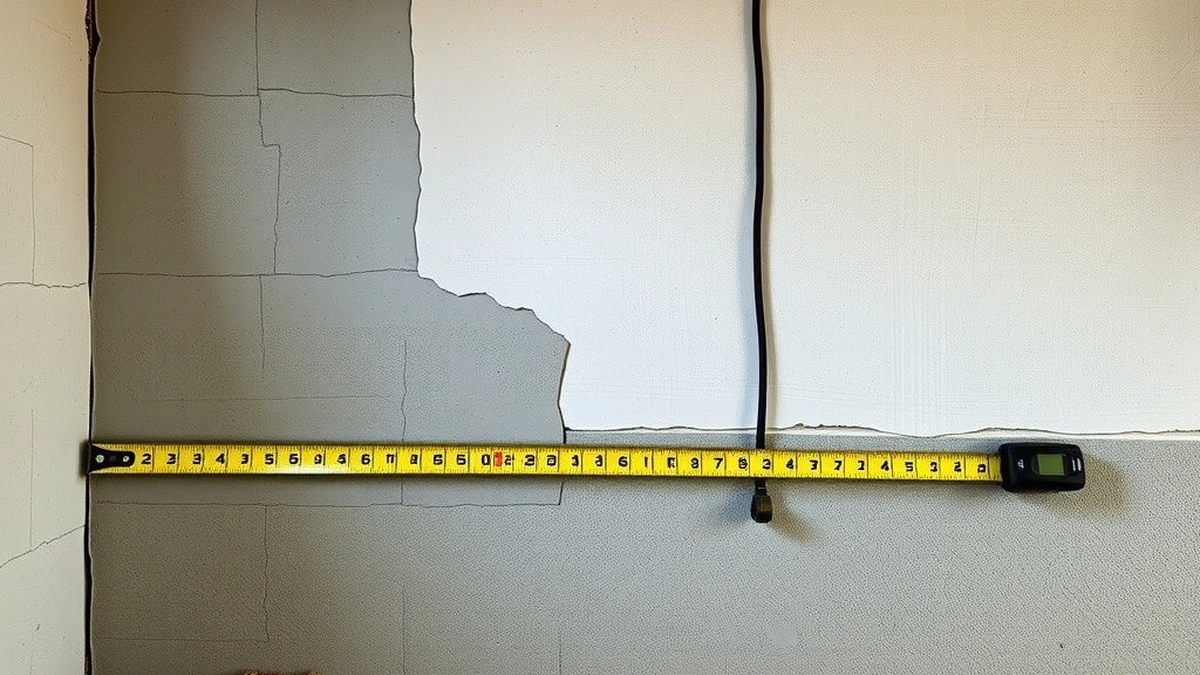
Straps restrain a wall that is bowing. They do not correct a wall that has already moved past the point where restraint is enough. Beyond about 2 inches of movement, the wall is out of plumb enough that the floor and the frame have accommodated the bow, and the strap simply holds it there.
At that point the options are straightening, which is a separate and more expensive operation, or replacement of the wall section. A contractor who proposes straps alone for a 3-inch bow is either optimistic or selling. Ask what the target is after the repair, and if the answer is “the same bow, but stable,” the homeowner should decide whether that is acceptable before the work starts.
Water Still Loading the Wall
A strap holds a wall against pressure. If the pressure keeps increasing because the soil is saturated, the strap is being asked to do more than it was designed for. The wall may stop moving, but the next wet season tests it.
Drainage correction belongs in the scope. Grading, downspouts, and a footing drain reduce the load, and they are cheaper than a second set of straps. A strap that holds a saturated wall is a strap that is working at its limit, and limits get tested in a wet spring.
A Costed Failure
A 20-foot wall with four straps at $900 that debonds after three years. Re-doing the work with proper preparation and drainage:
Straps: 4 × $900 = $3,600 Drainage: $2,000 Engineering: $900
Total: $6,500
The first repair cost $3,600 and is now wasted, which is the argument for asking about preparation before the price. The second job is not just more expensive; it is more difficult, because the old epoxy has to be removed from the wall.
The Limits
Straps work on block and poured walls that are bowing but structurally sound, with the water controlled and the movement under about 2 inches. They do not work on crumbled walls, on walls that have moved past the limit, or on walls where the anchor at the floor or rim cannot develop the load.
They also do not fix a settled footing, and they do not fix a wall that has lost section through spalling. If the concrete is gone, there is nothing for the epoxy to bond to. A wall that has dropped needs piers, and a strap across a settled wall does nothing for the vertical movement.
The Sequence to Avoid Problems
- Measure the bow and the wall plumb.
- Correct drainage and soil pressure.
- Get an engineer’s spacing and strap specification.
- Grind to bare, sound concrete.
- Remove dust and prime if specified.
- Bond the straps and install anchors.
- Inject cracks and inspect the bond.
What to Ask a Contractor
Ask how the surface will be prepared, what epoxy is specified, and how the anchors are embedded. Ask what happens if the wall is spalled under the strap location. Ask for the engineer’s calculation and the warranty terms. Ask, too, whether the strap will be covered by finishes, because the answer changes how the wall should be detailed and what the finished basement will look like.
For the method context, read how carbon fibre straps work and what carbon fibre straps cost. If the wall has moved past the limit, bowing walls repair covers straightening and replacement.
Frequently asked questions
What are the common problems with carbon fibre straps?
Debonding from poor surface preparation, straps used on walls that have moved too far, and water pressure that keeps loading the wall after the repair.
Why do carbon fibre straps peel off?
The epoxy did not bond to sound concrete, usually because the surface was painted, dirty, or spalled. The bond is the system, so a weak bond is a failed repair.
Do carbon fibre straps straighten a wall?
No. They stop further movement. A wall that has bowed past about 2 inches needs straightening or replacement rather than restraint alone.
How long do carbon fibre straps last?
The system is designed to last the life of the wall when correctly bonded and protected from water. Debonded straps can fail within a few years.
Are straps suitable for a poured wall?
They can be, though anchors are often preferred on poured walls under active pressure because they can be tightened. The engineer decides.
What voids the warranty on a strap repair?
Poor preparation, water intrusion, and later work that damages the strap are common exclusions. Read the warranty before signing.
Sources
Some links are affiliate links.If you buy through them we may earn a commission at no extra cost to you. We do not accept payment for rankings. Read the full disclosure.