Helical Pier Problems: Torque, Soil, and Limits
Helical pier problems come from false torque, obstructions, corrosion, and use on the wrong structure. See the limits and the checks.
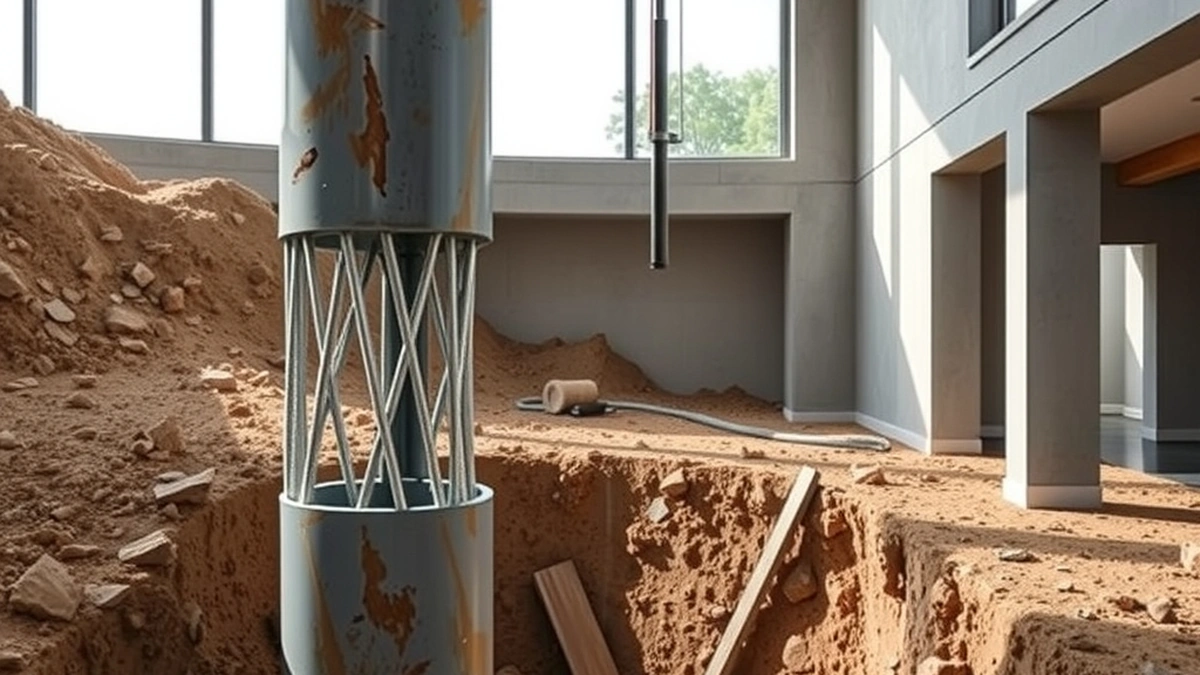
Helical pier problems include false torque readings, deflection on obstructions, corrosion in aggressive soil, and use on loads the pier was not designed for. Typical piers run $700 to $2,500 each.
- Cost per pier
- $700 - $2,500
- Typical depth
- 10 - 30 feet
- Common problem
- False torque
- Corrosion
- Aggressive soils
- Engineering report
- $400 - $1,500
Some links on this page are affiliate links.If you buy through them we may earn a commission at no extra cost to you. We do not accept payment for rankings. Read the full disclosure.
Helical pier problems usually trace back to the torque reading. Torque is the proof of capacity, and torque can be misleading when it comes from friction, an obstruction, or a shaft that is not aligned. The second group of problems is environmental: corrosion, obstructions, and loads the pier was never designed to carry. Both groups are predictable, which means both are preventable with a design and a log.
False Torque
A helical pier is installed to a specified torque, and the torque is assumed to reflect the soil’s resistance at the plates. If the shaft is rubbing against a rock or a utility, the motor works harder without the plates engaging more soil, and the reading overstates capacity.
The installer should watch the torque curve, not just the final number. A steady increase suggests plate engagement. A sudden spike followed by a drop suggests an obstruction. A reading that is achieved at an unexpectedly shallow depth deserves a second look. Soil does not usually get hard at 4 feet when the design assumed 20, and the explanation is usually an obstruction rather than a lucky find.
Deflection and Obstructions
Helical piers are slender and can deflect when they strike a boulder, a buried stump, or a utility. A deflected pier is no longer vertical, and its capacity is reduced. In some cases the shaft bends and the installation has to be abandoned.
The utility locate is the first defence. The second is a probe or a test pit at each location where obstructions are likely, which is cheaper than a bent pier and a lost day. The second is the installer’s attention to the torque curve and to the alignment of the shaft. If a pier deflects, the honest response is to withdraw it and start a new location, not to load it and hope. A bent shaft left in the ground is a hidden defect, and it will not appear in any log the homeowner receives. If the contractor proposes to keep a deflected pier, ask for the engineer’s approval in writing.
Corrosion
| Soil condition | Risk | Mitigation |
|---|---|---|
| Neutral, drained | Low | Standard galvanized |
| Wet clay | Moderate | Galvanized, inspect coating |
| Coastal or fill | High | Coating or stainless |
| Sulfate-bearing | High | Specialized coating |
Galvanized steel is the residential default and performs well in most soils. In aggressive conditions, the coating is the difference between a pier that lasts decades and one that thins out in a few years. Ask what the soil report says and what coating is specified. In coastal areas, ask whether the pier is galvanized after fabrication or whether the coating was applied over cut ends, because a cut end is where corrosion starts.
Load and Structure Mismatch
Helical piers are often used on lighter structures, and using them on a heavy masonry house without the right capacity is a design error. The pier has to be sized for the load, not selected because it fits the equipment.
The reverse is also a problem. A pier that is oversized for a light structure costs more than necessary and may be harder to install without deflection. The engineer’s load calculation is what settles it, and the calculation should be in the report rather than in the sales conversation.
A Costed Fix
A failed helical installation with four piers that need replacement at $1,500:
4 × $1,500 = $6,000
Add engineering at $900 and restoration at $1,000:
$6,000 + $900 + $1,000 = $7,900
That is the cost of starting over, and it is avoidable with a proper locate and a monitored installation. It is also avoidable by asking for the log before the invoice is paid.
The Limits
Helical piers need soil that allows the plates to engage without obstruction. They need a load within their capacity. They need the shaft to stay vertical. And they need a corrosion environment the coating can handle.
They also do not fix lateral movement, and they do not stop heave, because a pier holds a footing down while expanding soil pushes it up. A bowing wall needs restraint, not a vertical pier. Using helical piers on a horizontal crack is the same error as using push piers, and the result is the same. The wall keeps bowing, the crack widens, and the money spent on piers does nothing for the actual failure.
The Sequence to Avoid Problems
- Get a geotechnical report and a design torque.
- Locate utilities and clear the pier locations.
- Check the structure’s load against the pier capacity.
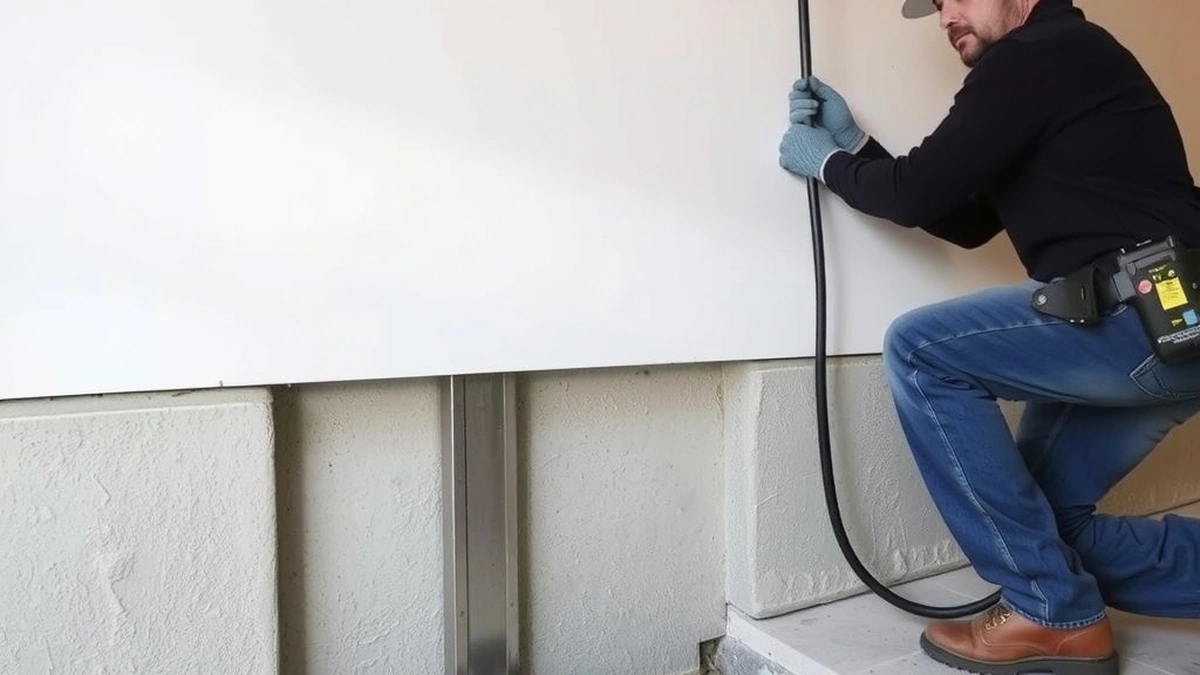
- Monitor torque and alignment during installation.
- Stop and reposition on deflection or obstruction.
- Record the torque log for every pier.
- Verify the final depth against the design.
What to Ask Before Hiring
Ask for the design torque and the correlation to capacity. Ask how the installer handles an obstruction. Ask what coating is specified and why. Ask for a sample torque log and check that the readings vary with depth, because soil does. A log with identical values for every pier is a log that was copied, not recorded.
For the method context, read how helical piers work and helical piers foundation repair. If the structure is heavy and access is good, how push piers work explains the alternative.
Frequently asked questions
What are the common problems with helical piers?
False torque readings, deflection around obstructions, corrosion in aggressive soil, and under-design for the actual load are the main issues.
What is false torque?
A torque reading that comes from friction on the shaft or an obstruction rather than the helical plates engaging bearing soil. It can make a pier appear to have capacity it does not have.
Do helical piers corrode?
Galvanized piers resist corrosion in most soils. In aggressive soils, such as some coastal or fill sites, a coating or a different material may be required.
Can helical piers be installed at the wrong angle?
Yes. A pier that is not vertical or that is installed at an angle loses capacity and can bend. The installer should check alignment as the pier advances.
How can I verify a helical pier installation?
Ask for the torque log with depth and torque for each pier, the design specification, and the engineer's torque-to-capacity correlation.
Are helical piers weaker than push piers?
They are different, not simply weaker. Push piers suit heavy structures and refusal; helical piers suit lighter loads and tight access. The engineer matches the system to the load.
Sources
Some links are affiliate links.If you buy through them we may earn a commission at no extra cost to you. We do not accept payment for rankings. Read the full disclosure.