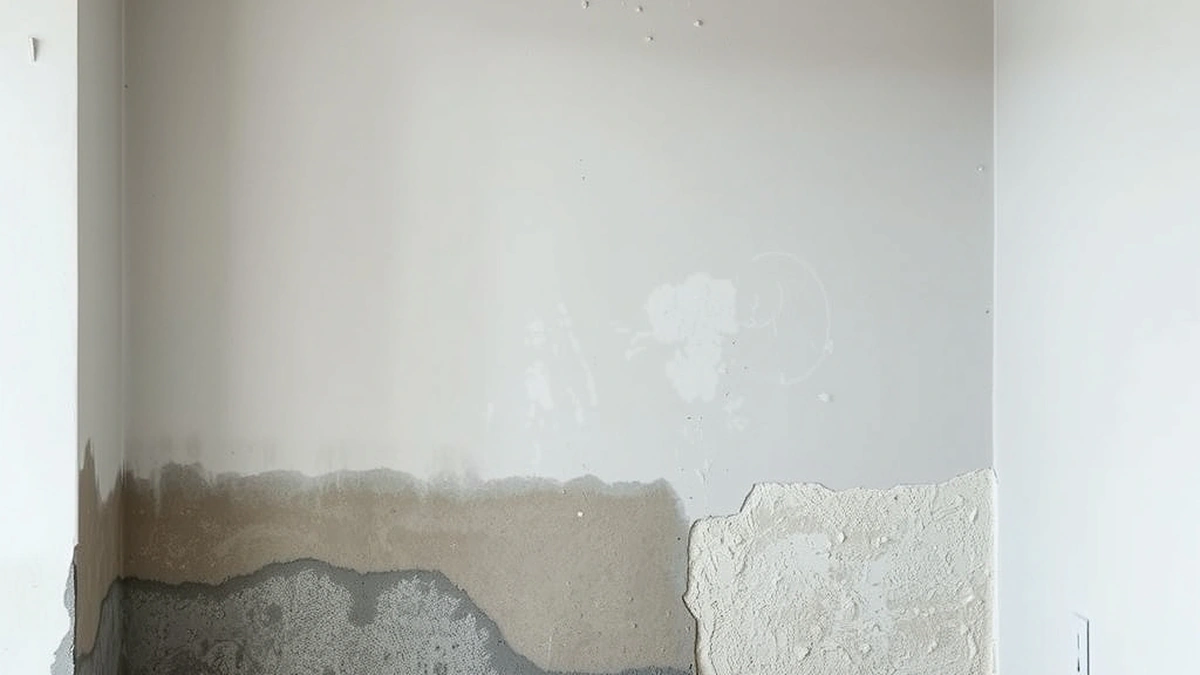
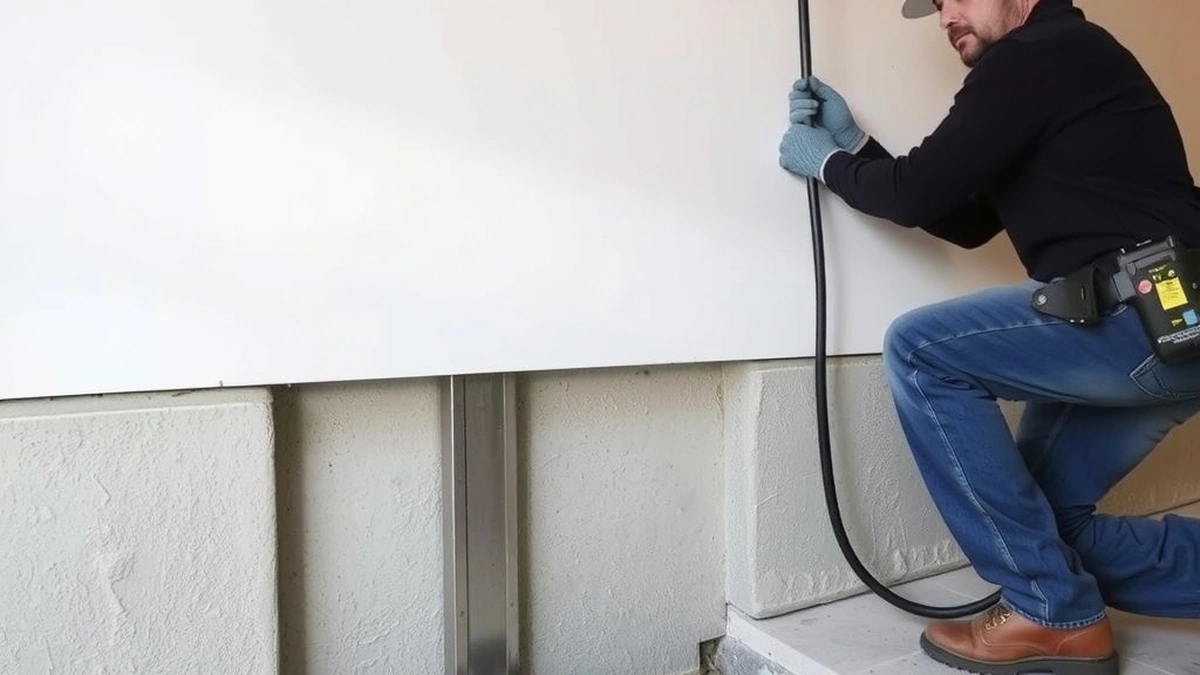
Slab Cracks: Control Joints vs Damage
Learn how to tell normal control joint cracks from structural slab damage and what repairs typically cost.
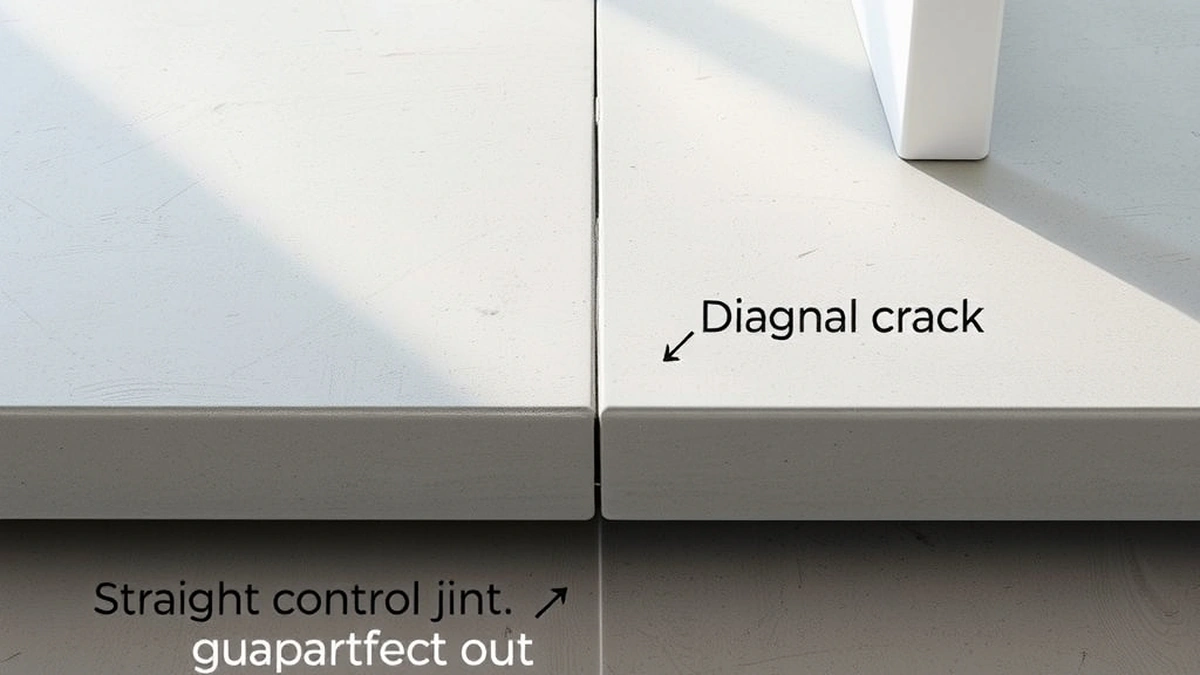
Most thin slab cracks are control joints, not damage. Measure width: under 1/16 inch is usually cosmetic; over 1/8 inch needs inspection.
- Normal crack width
- Under 1/16 inch
- Monitor threshold
- 1/8 inch
- Typical repair cost
- $4,000–$15,000
- Inspection lead time
- 1–2 weeks
Some links on this page are affiliate links.If you buy through them we may earn a commission at no extra cost to you. We do not accept payment for rankings. Read the full disclosure.
Not every crack in a concrete slab means the foundation is failing. Many cracks form exactly where the builder intended them to form. Slab cracks: control joints vs damage comes down to location, width, and movement. Control joints are intentional cuts or formed grooves that guide shrinkage cracking. Damage cracks appear outside those joints, often with width, displacement, or changing patterns over time. Measure first, method second, price third.
What Control Joints Are
Concrete shrinks as it cures. A control joint is a groove, saw cut, or formed joint placed at regular intervals to control where that shrinkage cracking happens. In residential slabs, joints are commonly spaced at 24 to 36 times the slab thickness. For a 4-inch slab, that means joints every 8 to 12 feet.
A crack that follows a control joint is usually normal. It may be hairline to 1/16 inch wide. It does not, by itself, mean the slab is settling or that the structure is at risk. Control joints can be cleaned and sealed with a polyurethane or epoxy sealant to keep water and incompressible debris out of the joint.
What Damage Looks Like
Structural slab damage tends to show up away from control joints. Signs include:
- Cracks wider than 1/8 inch
- Vertical displacement where one side of the crack is higher than the other
- Cracks that widen over time
- Diagonal cracks radiating from corners or columns
- Doors or windows that stick because the frame has shifted
- Cracks that continue through finished flooring
A single thin crack that does not move is often cosmetic. A crack that grows, displaces, or appears in a pattern outside control joints needs measurement and possibly an engineer inspection.
How to Measure a Slab Crack
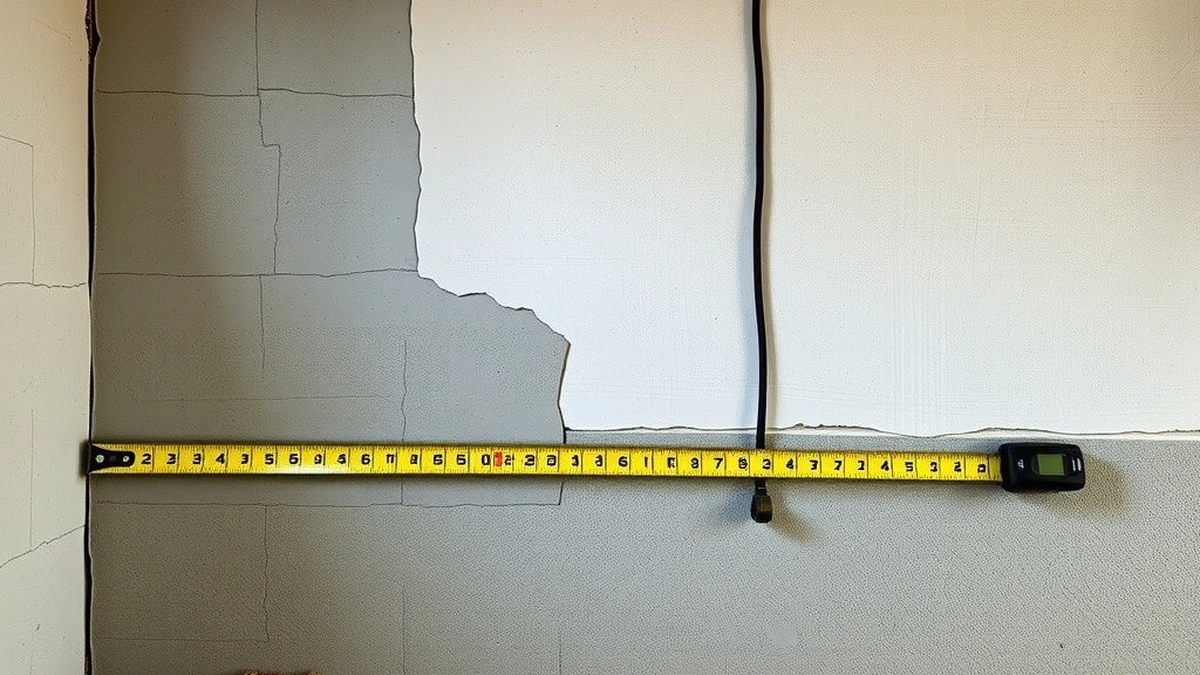
Use a crack comparator card or a feeler gauge to measure width at the widest point. Record the location, width, and date. Check back in 30 to 90 days to see if the measurement changes.
Reference benchmarks:
- Under 1/16 inch: typically cosmetic
- 1/16 to 1/8 inch: monitor and seal if needed
- Over 1/8 inch: consult a foundation professional or structural engineer
Also check for displacement. If one side of the crack is higher than the other by more than 1/8 inch, that suggests differential movement rather than simple shrinkage.
Common Repair Costs
Repair costs depend on the cause and extent of movement, not just the crack itself. These are estimates based on typical market ranges.
| Repair Type | Typical Cost Range |
|---|---|
| Crack injection or sealing | $300–$1,200 |
| Slab lifting or leveling | $3–$12 per sq ft |
| Mudjacking | $3–$8 per sq ft |
| Polyurethane foam lifting | $5–$15 per sq ft |
| Push piers | $1,000–$3,000 each |
| Helical piers | $700–$2,500 each |
| Full pier job | $6,000–$30,000 |
Example arithmetic: If a contractor recommends four push piers at $2,000 each, the pier material and installation alone is 4 × $2,000 = $8,000. A full pier job often lands between $6,000 and $30,000 depending on pier count, depth to bearing, and site access.
Average foundation repair projects typically range from $4,000 to $15,000. Major repairs can reach $20,000 to $40,000. Full slab replacement can run $40,000 to $150,000. Restoration is usually 10–25 percent of structural replacement cost when the slab is still a candidate for repair rather than replacement.
When to Call an Engineer
Not every crack needs an engineer, but some do. Call a structural engineer or foundation repair professional if:
- A crack exceeds 1/8 inch in width
- You see vertical displacement across the crack
- The crack is growing between measurements
- Multiple cracks appear in a short period
- Cracks accompany sticking doors, sloping floors, or wall cracks above the slab
An engineer inspection typically costs $400–$1,500. Lead time is usually 1–2 weeks. The engineer can determine whether the crack is active, whether piers are needed, or whether simple crack sealing is sufficient.
Repair Methods That Fit the Problem
If the crack is purely cosmetic and confined to a control joint, sealing is usually enough. Clean the joint, install backer rod if needed, and apply sealant. This keeps water out and prevents debris from locking the joint, which can cause spalling at the edges.
If the slab has settled unevenly, lifting may be appropriate. Mudjacking pumps a grout mixture under the slab at $3–$8 per sq ft. Polyurethane foam injection costs $5–$15 per sq ft and cures faster. Slab lifting generally falls in the $3–$12 per sq ft range. These methods address levelness, not necessarily the underlying soil condition.
If the slab is settling because of poor bearing soil, piers may be required. Push piers cost $1,000–$3,000 each. Helical piers cost $700–$2,500 each. Pier count depends on the load and the spacing needed to reach stable bearing depth. A typical job runs $6,000–$30,000.
For interior walls or foundation walls showing related cracking, carbon fiber straps cost $400–$1,200 and wall anchors cost $500–$1,500 each. These are separate from slab crack repair but may appear in the same project if the perimeter foundation is also moving.
Permits, Warranties, and Timing
Permit requirements vary by city and county and typically take 1–3 weeks to process. Always check with the local building department before starting structural pier work.
Pier warranties are often lifetime and transferable, though a warranty transfer fee of $100–$500 may apply when the home is sold. Mudjacking and foam lifting carry shorter service lives, typically 5–15 years, because they address symptoms rather than deep bearing support.
Replacement is generally considered when more than 33 percent of the slab has failed or when repeated repairs no longer hold. At that point, removal and replacement can cost $40,000 to $150,000.
Bottom Line
A crack along a control joint under 1/16 inch wide is usually normal concrete behavior. A crack over 1/8 inch, one with displacement, or one that is growing is damage and should be measured and evaluated. Start with a crack width measurement and a dated photo. If the numbers change, schedule an inspection. For cost context on related work, see foundation repair cost, pier and beam foundation repair cost, and foundation crack repair cost.
For slab leveling specifically, mudjacking cost and helical pier cost provide useful ranges. If wall cracks accompany the slab issue, carbon fiber foundation repair cost and wall anchor cost may be relevant.
Next, compare foundation repair cost, pier and beam foundation repair cost, foundation crack repair cost before you commit.
Frequently asked questions
What is a control joint?
A control joint is a planned gap in concrete that lets the slab shrink and expand without cracking randomly across the surface.
How wide is a cosmetic slab crack?
Cracks under 1/16 inch wide are generally considered cosmetic and do not indicate structural failure.
When should I worry about a slab crack?
Cracks at or above 1/8 inch wide, uneven edges, or vertical displacement between slabs warrant a closer look.
Can control joints be repaired?
Yes. Control joints can be cleaned and filled with sealant to keep out water and debris, but they do not need structural repair.
What does a foundation inspection cost?
An engineer inspection typically runs $400–$1,500, depending on location and scope.
How long does it take to get an inspection?
Inspection lead time is usually 1–2 weeks, depending on local availability.
Sources
Some links are affiliate links.If you buy through them we may earn a commission at no extra cost to you. We do not accept payment for rankings. Read the full disclosure.