Sticking Doors and Foundation Movement: What to Check
Sticking doors often signal foundation movement. Learn how to measure cracks, check door frames, and estimate repair costs before calling a contractor.
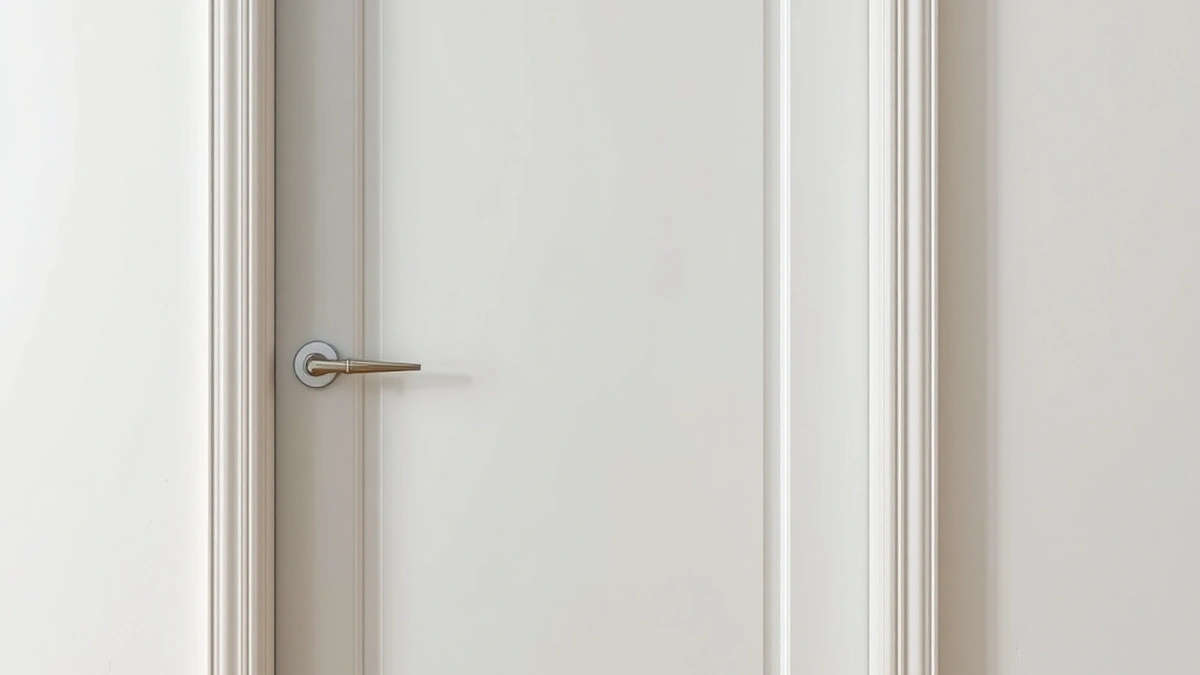
Sticking doors can indicate foundation movement, but measure crack width and frame square before assuming structural repair is needed.
- Common cause
- Differential settlement or soil moisture changes
- Measurement threshold
- Cracks wider than 1/8 inch warrant monitoring
- Typical repair range
- $4,000–$15,000
- Engineer inspection
- $400–$1,500
Some links on this page are affiliate links.If you buy through them we may earn a commission at no extra cost to you. We do not accept payment for rankings. Read the full disclosure.
Sticking doors are often the first noticeable sign of foundation movement. A door that binds at the top corner, scrapes the floor, or no longer latches usually means the frame has shifted out of square. Before assuming structural repair is required, measure the crack width, check the door frame, and confirm whether the movement is active or settled.
Why Doors Stick When Foundations Move
Foundations rarely settle uniformly. One corner of a slab or crawl space may drop while another stays level, twisting the wall above it. Door openings are narrow, rigid rectangles, so even small shifts matter. A movement of 1/4 inch across a 36-inch door frame can prevent the latch from engaging or cause the door to rub against the jamb.
Common non-structural causes include humidity swelling the wood, loose hinges, or paint buildup on the edges. Those issues are fixed with a screwdriver, sandpaper, or a dehumidifier. Foundation-related sticking tends to appear in multiple doors, often accompanied by diagonal cracks above the opening or windows that also bind.
Measure Before You Conclude
Start with the door itself. Open and close it slowly. Note where it sticks: top corner, bottom corner, or latch side. Use a 4-foot level on the head jamb and a framing square on the corners. If the head is not level by more than 1/8 inch over 36 inches, the frame is racked.
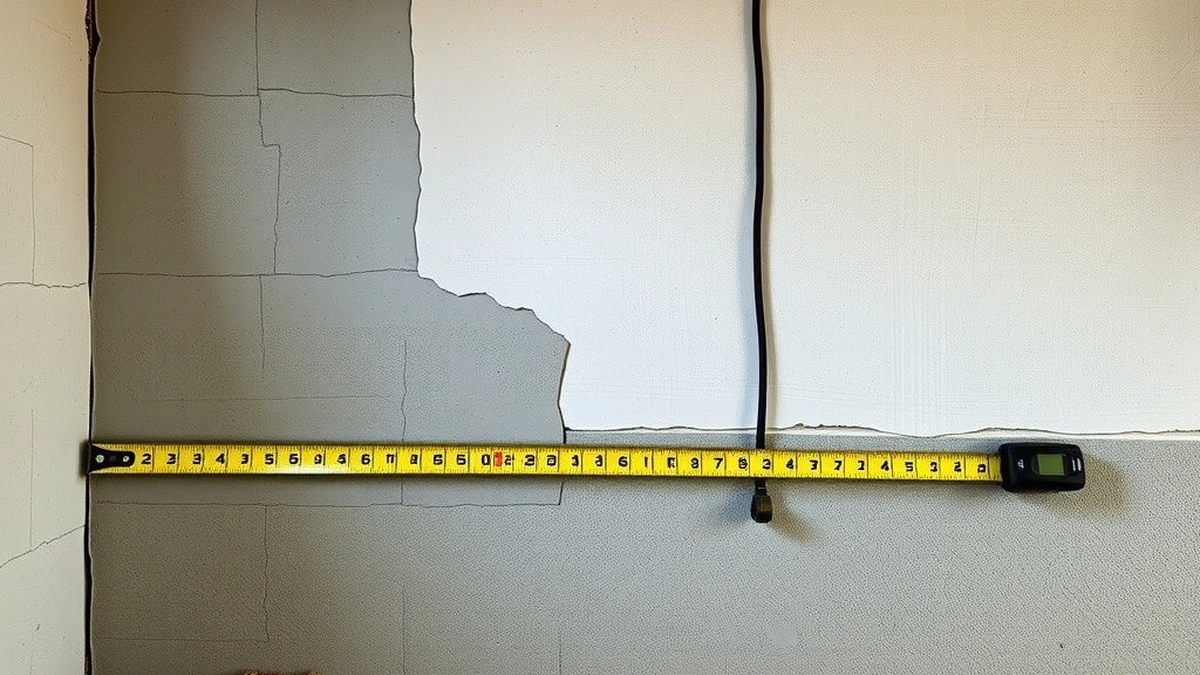
Next, inspect the surrounding wall. Measure any crack above the door with a crack gauge or feeler gauge.
- Hairline to 1/16 inch: typically cosmetic; monitor.
- 1/8 inch: watch category; mark the ends with pencil and date them.
- Wider than 1/8 inch, especially if diagonal and wider at the top: schedule an engineer inspection.
Check the floor outside the door. A ball bearing or marble should not roll noticeably toward one wall. If it does, that slope may indicate differential settlement rather than a door problem.
Common Causes of Foundation-Related Door Sticking
Soil moisture changes are a leading driver. Clay soil expands when wet and shrinks when dry, lifting or dropping sections of the foundation. Poor drainage, downspouts discharging next to the wall, or a leaking plumbing line under a slab can concentrate moisture in one spot and cause localized movement.
Tree roots near the perimeter can draw moisture from the soil during dry seasons, creating voids that allow footings to shift. In crawl spaces, uneven support from deteriorating piers or saturated soil can let one side of the house settle relative to the other.
Slab foundations may experience heaving if expansive soil wets up, or settlement if the soil beneath dries out and compacts. Either movement can rack door frames in the center of the house, not just at the perimeter.
When to Call an Engineer
If you find cracks wider than 1/8 inch, doors sticking in more than one room, or visible sloping floors, hire a structural engineer before contacting a repair contractor. An inspection costs $400–$1,500 and produces a measured report showing crack width, elevation differences, and recommended next steps.
Engineers typically use a floor level survey to map elevation changes across the foundation. They may recommend monitoring for 6–12 months if movement appears minor, or immediate underpinning if active settlement is confirmed. Do not let a contractor sell piers based solely on a sticking door without this data.
Repair Options and Estimated Costs
If the engineer confirms foundation movement, the repair method depends on foundation type, soil conditions, and the depth to stable bearing soil.
Push piers cost $1,000–$3,000 each and are driven to load-bearing strata. A typical job involving 4–10 piers runs $6,000–$30,000. Helical piers cost $700–$2,500 each and are screwed into the ground, often used when soil conditions make driving impractical.
For slab foundations, lifting with mudjacking costs $3–$8 per square foot, while polyurethane foam injection costs $5–$15 per square foot. A 500-square-foot section lifted with poly foam at $10 per square foot would cost roughly $5,000. Slab lifting generally ranges $3–$12 per square foot depending on method and access.
Crawl space encapsulation costs $3–$8 per square foot, or $4,000–$15,000 for a full job, and helps control moisture that contributes to movement. Carbon fiber straps for foundation walls run $400–$1,200 each, and wall anchors cost $500–$1,500 each, though these address wall movement more than door sticking.
Average foundation repair falls in the $4,000–$15,000 range. Major repairs can reach $20,000–$40,000. Full foundation replacement runs $40,000–$150,000 and is typically considered only when more than one-third of the structure has failed or restoration would cost 10–25 percent of replacement value.
What Not to Do
Do not replace doors, trim, or flooring until the foundation is stable. Finish repairs over a moving frame will crack again. Do not ignore a door that suddenly starts sticking after a heavy rain or drought; seasonal movement can become permanent if drainage issues are not corrected.
Do not accept a pier count or price over the phone. A legitimate scope follows an inspection and specifies pier count, depth to bearing, and unit price. Permits vary by city and county and typically take 1–3 weeks, so factor that into the timeline.
Monitoring and Next Steps
Mark crack ends with pencil and record the date. Check monthly for six months. If the crack grows beyond 1/8 inch or doors begin sticking in additional rooms, schedule the engineer inspection. Lead time is usually 1–2 weeks.
If movement is minor and stable, adjusting the door hinges, planing the edge, or shimming the frame may be all that is needed. If movement is active, address drainage and soil conditions first, then proceed with the engineer-recommended repair method. Measure first, method second, price third.
Foundation repair cost varies by method and region, so use the inspection report to compare quotes on the same scope. For pier-and-beam homes, see pier and beam foundation repair cost. For crack-specific pricing, review foundation crack repair cost.
Frequently asked questions
Can sticking doors mean foundation problems?
Yes. Doors stick when the frame racks or settles unevenly, often from foundation movement, but humidity and worn hardware can also cause it.
How do I tell if it is the foundation or the door?
Check for diagonal cracks above the door, measure frame square with a level, and look for cracks wider than 1/8 inch nearby.
Should I repair the door first or the foundation?
Measure first. If the foundation is stable, adjust the door. If movement is active, address the foundation before finish repairs.
How much does foundation repair cost?
Average repairs run $4,000–$15,000; major jobs can reach $20,000–$40,000 depending on pier count and depth.
Do I need a permit for foundation repair?
Permit requirements vary by city and county and typically take 1–3 weeks to process.
How long does an inspection take to schedule?
Engineer inspection lead time is usually 1–2 weeks.
Sources
Some links are affiliate links.If you buy through them we may earn a commission at no extra cost to you. We do not accept payment for rankings. Read the full disclosure.