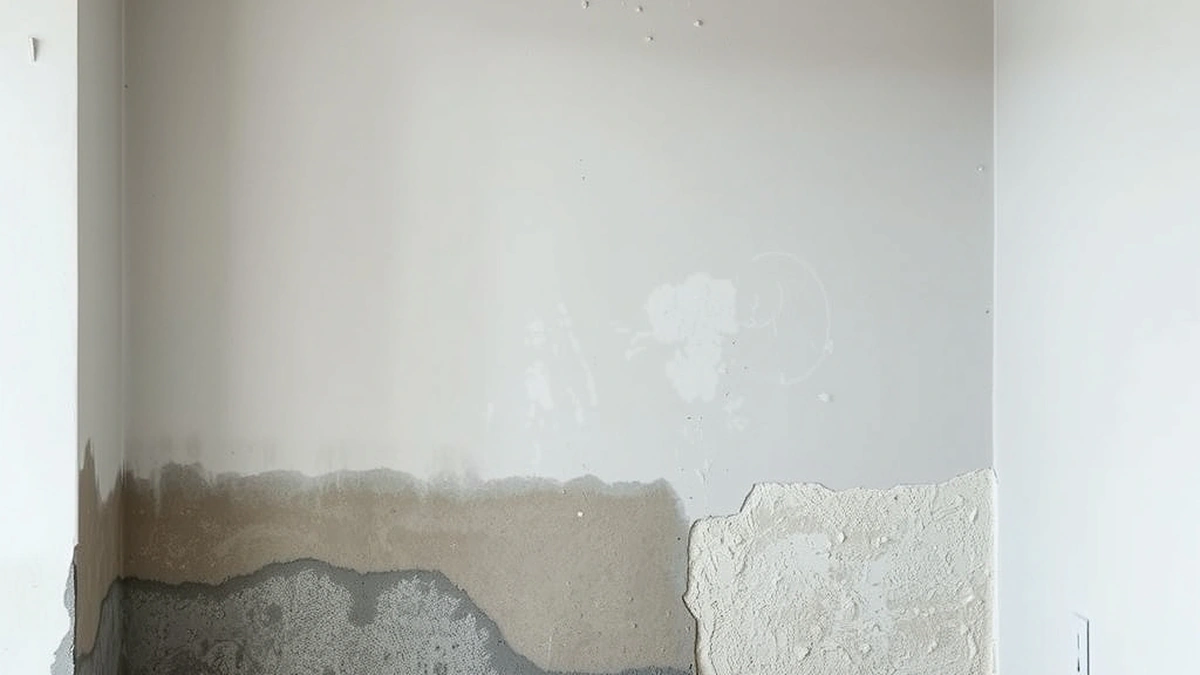
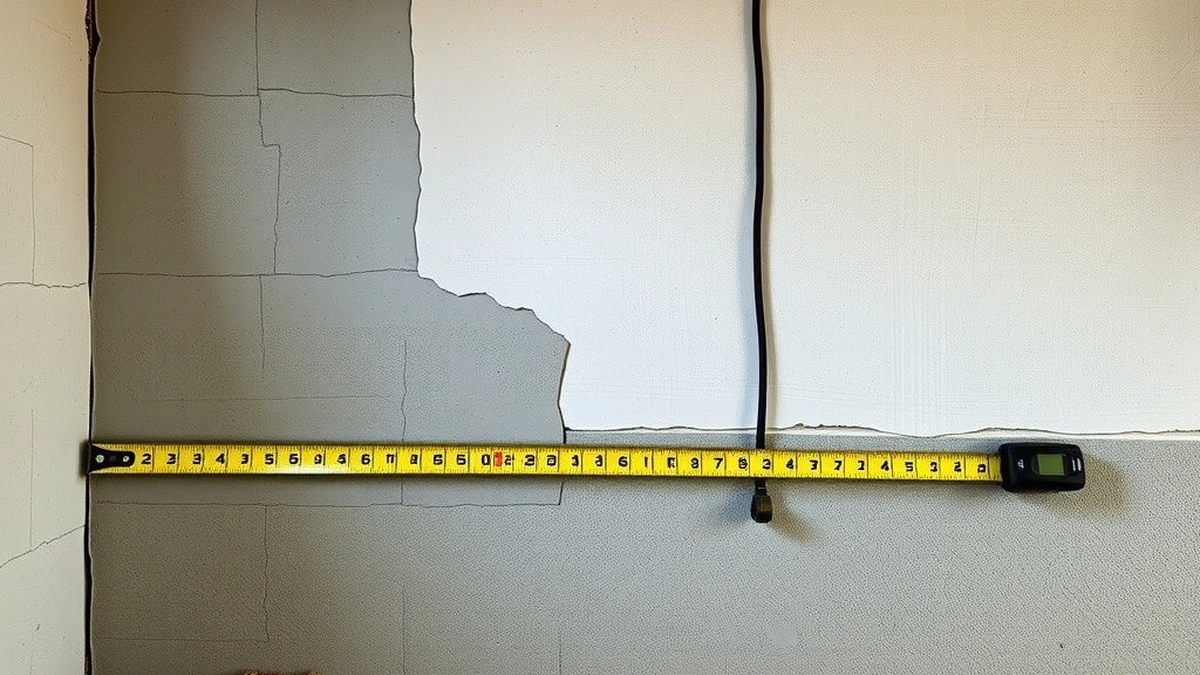
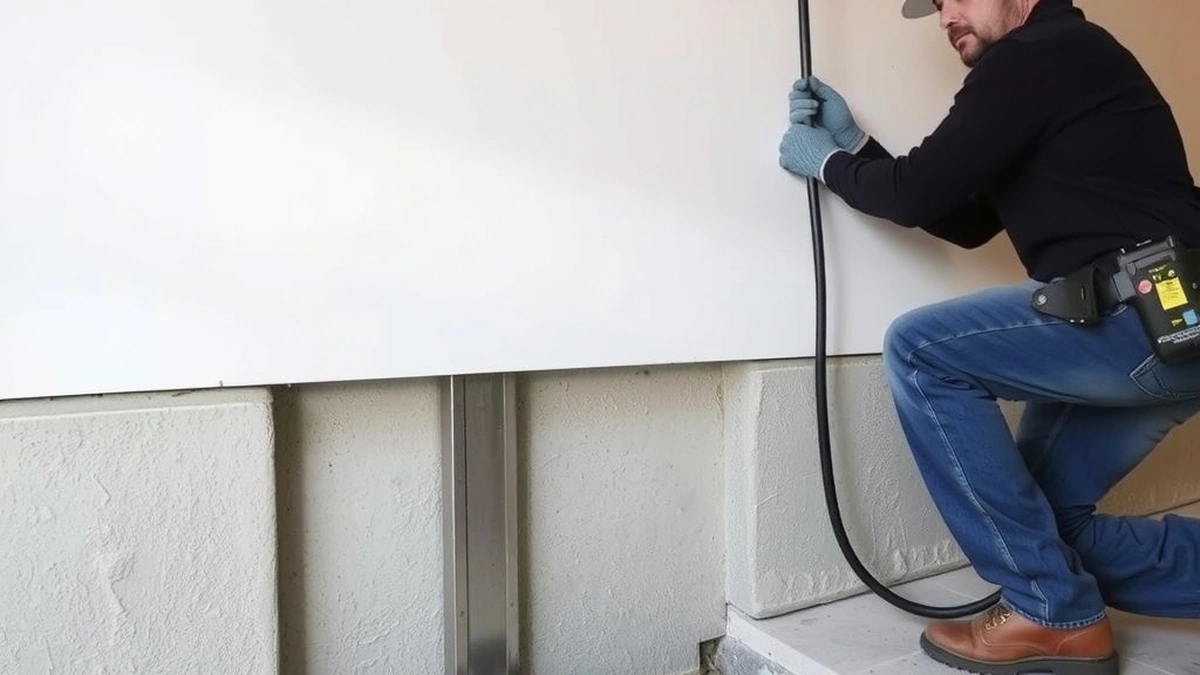
Foundation Crack Types and What Each Means
Learn how to identify foundation crack types, measure width and displacement, and understand what each pattern means for repair.
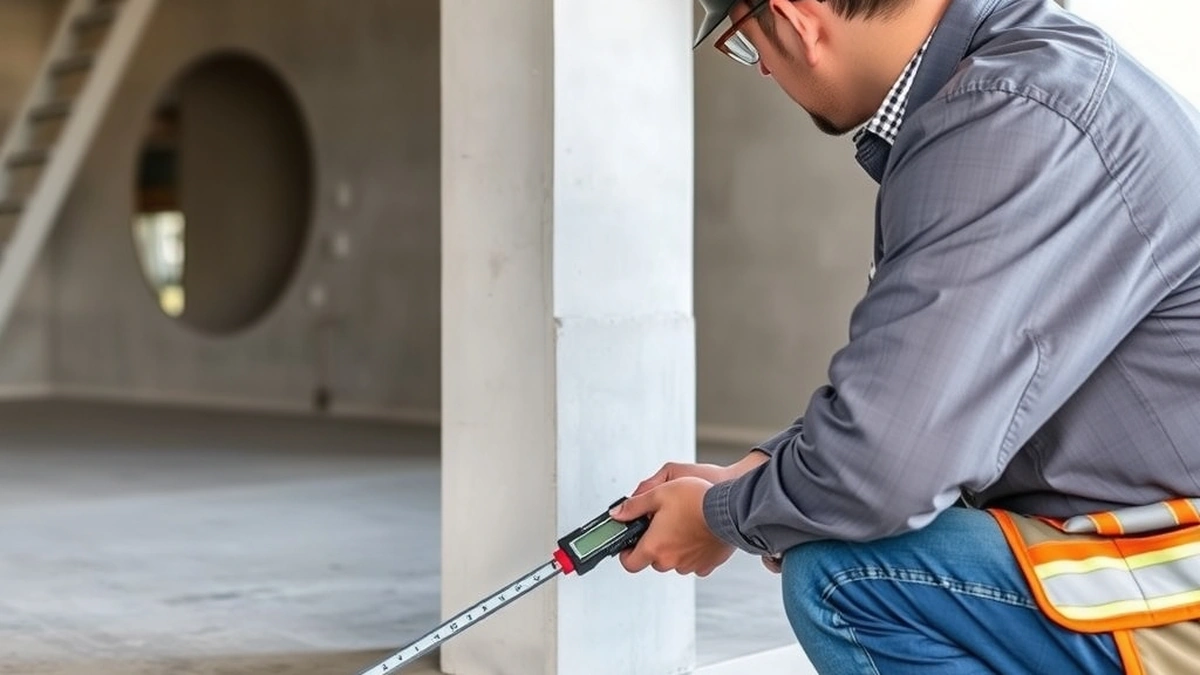
Crack width, direction, and movement determine whether a foundation crack is cosmetic or structural. Measure first, then choose a repair method.
- Cosmetic limit
- 1/16 inch
- Monitor threshold
- 1/8 inch
- Wall movement limit
- 2 inches
- Typical repair cost
- $4,000–$15,000
Some links on this page are affiliate links.If you buy through them we may earn a commission at no extra cost to you. We do not accept payment for rankings. Read the full disclosure.
Foundation crack types are sorted by shape, direction, width, and movement. A narrow vertical crack is often cosmetic, while a widening diagonal or stair-step crack can signal structural stress. Measure crack width and displacement first, then decide whether monitoring, repair, or engineering review is needed.
Why Crack Type Matters
Not every crack means the foundation is failing. Concrete shrinks as it cures, and minor settling happens in most homes. The distinction matters because repair methods and costs track directly to the crack’s classification.
Hairline cracks at or below 1/16 inch are typically cosmetic. Cracks at or above 1/8 inch enter a watch category where width and movement should be recorded. Wall movement beyond 2 inches generally indicates a serious condition that may require piers, wall anchors, or, in rare cases, replacement.
Hairline and Shrinkage Cracks
Hairline cracks are thin, often uniform in width, and commonly appear in poured concrete walls or slabs within the first few years after construction. They result from concrete shrinkage, minor temperature changes, or shallow surface stress.
These cracks usually run vertically or in slight random patterns. If the width stays at or below 1/16 inch and there is no displacement between the two sides, the crack is typically non-structural. Cosmetic crack repair or sealant application may be chosen for appearance or moisture control, but structural reinforcement is not usually required.
Vertical Cracks
Vertical cracks run straight up and down or within about 30 degrees of vertical. They are among the most common foundation crack types and are frequently caused by settlement or concrete curing.
A vertical crack that remains narrow and even in width is often cosmetic. However, if one side is pushed forward or backward relative to the other, or if the crack widens over time, it may indicate differential settlement. Displacement is measured by placing a straightedge across the crack and checking for offset. Any measurable movement should be tracked and may justify an engineer inspection, which typically costs $400–$1,500.
Diagonal Cracks
Diagonal cracks run at an angle, often starting narrow at one end and wider at the other. They commonly appear near corners, windows, or doors and are frequently associated with differential settlement, where one part of the foundation sinks more than another.
Because the width varies along the length, measure the widest point. A diagonal crack under 1/8 inch may be stable, but a crack that continues to widen or shows displacement suggests ongoing movement. Repair options depend on the cause and can include underpinning with piers. Push piers typically cost $1,000–$3,000 each, while helical piers typically cost $700–$2,500 each. A full pier job often lands between $6,000 and $30,000 depending on pier count and depth to bearing.
Stair-Step Cracks
Stair-step cracks follow the mortar joints in concrete block or brick foundations, moving in a step pattern. They are a classic sign of differential settlement or lateral soil pressure acting unevenly on the wall.
The direction of the steps can indicate which corner is settling or which side is under pressure. Stair-step cracks should be measured for width at each step and monitored for displacement. If the crack remains under 1/8 inch and shows no movement, it may only need sealing and observation. If movement continues, wall anchors or carbon fiber straps may be appropriate. Wall anchors typically cost $500–$1,500 each, and carbon fiber straps typically cost $400–$1,200 each.
Horizontal Cracks
Horizontal cracks run parallel to the ground and are often the most concerning type in basement or crawl space walls. They usually result from lateral soil pressure, hydrostatic pressure, or backfill pressure pushing the wall inward.
A horizontal crack with bowing or inward displacement suggests the wall is losing structural capacity. Wall movement beyond 2 inches is generally considered a serious limit. Repair may involve wall anchors, carbon fiber reinforcement, or, in severe cases, wall replacement. Foundation replacement can cost $40,000–$150,000, so early measurement and monitoring are important to avoid reaching that threshold.
Slab Cracks
Slab cracks appear in concrete floor slabs and can be shrinkage cracks, settlement cracks, or heaving cracks. Shrinkage cracks are usually random and narrow. Settlement cracks may line up with interior columns or bearing points. Heaving cracks often result from soil expansion beneath the slab.
Measure slab cracks for width and vertical displacement. If the slab is uneven, lifting methods may be considered. Mudjacking typically costs $3–$8 per square foot, while poly foam lifting typically costs $5–$15 per square foot. Slab lifting broadly ranges from $3–$12 per square foot depending on method and access. These are estimates and vary by site conditions.
When to Call an Engineer
Not every crack needs an engineer, but certain conditions justify one. Cracks at or above 1/8 inch, any crack with displacement, horizontal cracks with bowing, or cracks that continue to widen after monitoring should be reviewed by a structural engineer. An inspection typically costs $400–$1,500 and lead time is usually 1–2 weeks.
The engineer’s report determines whether the crack is cosmetic, structural, or somewhere in between. That classification drives the repair method and cost. Average foundation repair runs $4,000–$15,000. Major structural repair can reach $20,000–$40,000. Restoration typically amounts to 10–25 percent of structural value, depending on the scope.
Crack Measurement and Monitoring
Use a crack gauge or ruler to record width at the widest point. Mark the ends of the crack with a pencil and date, then check again after 30, 60, and 90 days. Record whether the crack is getting wider, longer, or showing displacement.
If width stays at or below 1/16 inch with no movement, the crack is likely cosmetic. If it reaches 1/8 inch or more, enter it into a monitoring log. If displacement is present or movement continues, schedule an engineer inspection. Permits for repair work vary by city and county and typically take 1–3 weeks to process.
Warranties also differ by method. Pier warranties are often lifetime and transferable, with a transfer fee typically ranging from $100–$500. Mudjacking typically lasts 5–15 years. These details matter when comparing repair options and long-term cost.
For more on repair pricing, see the foundation crack repair cost guide. For homes with crawl spaces, review pier and beam foundation repair cost. For slab lifting options, see mudjacking cost.
Next, compare foundation repair cost, pier and beam foundation repair cost, foundation crack repair cost before you commit.
Frequently asked questions
What crack width is cosmetic?
Cracks at or below 1/16 inch are generally considered cosmetic and may not require structural repair.
When should I monitor a crack?
Cracks at or above 1/8 inch should be measured and tracked over time for widening or displacement.
Are vertical cracks always structural?
No. Many vertical cracks are shrinkage-related and cosmetic if they stay narrow and show no movement.
What does a stair-step crack mean?
Stair-step cracks in block or brick often indicate differential settlement and warrant closer inspection.
How much does foundation repair cost?
Average repairs run $4,000–$15,000, while major structural work can reach $20,000–$40,000.
Do I need an engineer for crack evaluation?
An engineer inspection typically costs $400–$1,500 and is recommended for active or structural cracks.
Sources
Some links are affiliate links.If you buy through them we may earn a commission at no extra cost to you. We do not accept payment for rankings. Read the full disclosure.