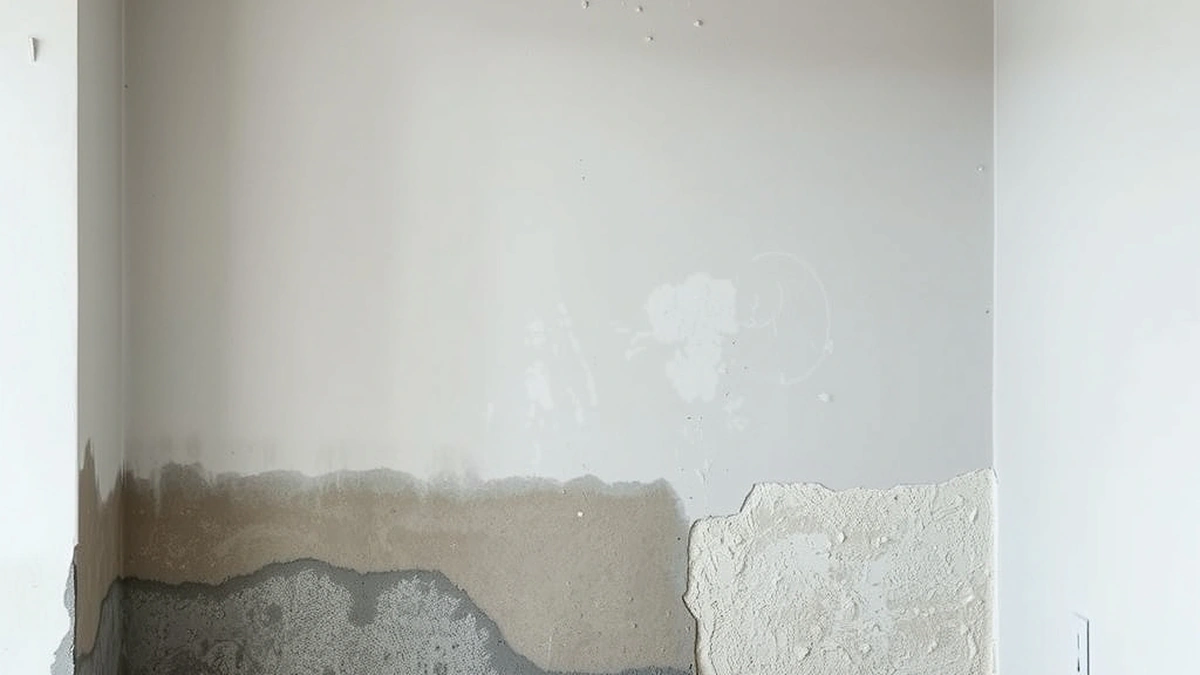
Horizontal Foundation Cracks: Cause and Repair
A horizontal crack in a foundation wall signals lateral soil pressure, not settlement. See how to measure it and which repairs hold.
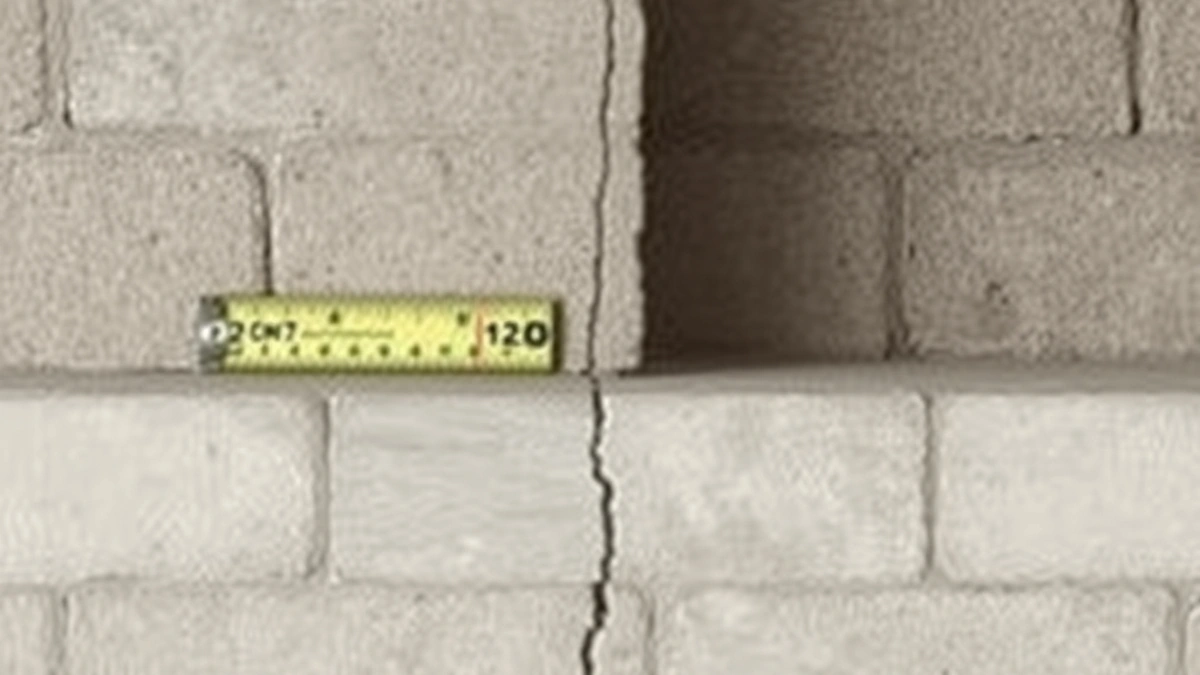
Horizontal foundation cracks are caused by lateral soil pressure pushing the wall inward, not by settlement. A crack wider than 1/8 inch or a wall moving more than 2 inches needs an engineer and a structural repair such as anchors or straps.
- Cosmetic crack width
- 1/16 inch
- Monitor threshold
- 1/8 inch
- Movement limit
- 2 inches
- Carbon fibre strap
- $400 - $1,200
- Wall anchor each
- $500 - $1,500
Some links on this page are affiliate links.If you buy through them we may earn a commission at no extra cost to you. We do not accept payment for rankings. Read the full disclosure.
Horizontal foundation cracks are caused by lateral soil pressure pushing the wall inward, and they are a different problem from the vertical cracks most homeowners worry about. A vertical crack usually reflects settlement or shrinkage. A horizontal crack reflects a wall that is bending, and the crack is where it has failed. Measure it before deciding anything.
What the Crack Tells You
A horizontal foundation crack is a separation that runs parallel to the floor line, typically at mid-height or just above the footing. On a block wall it often follows a mortar joint across several courses. On a poured wall it appears as a single line with little vertical offset.
Compare that with a vertical crack, which usually follows a shrinkage pattern or a settlement hinge and often runs from a window corner downward. Vertical cracks can leak and still be structurally minor. Horizontal cracks are the reverse: they may not leak at all and still indicate a wall that is close to its limit.
The location matters. A crack near mid-height points to soil pressure against the lower half of the wall. A crack near the top of the wall can point to roof load or a missing connection at the floor diaphragm. A crack right at the footing can be a cold joint from the original pour rather than a failure.
Why Lateral Pressure Builds
Soil is heavy. Saturated soil is heavier, and when it cannot drain it behaves more like a fluid than a solid. The pressure it exerts against a basement wall rises with depth, which is why horizontal cracks tend to appear in the lower half of the wall.
Three conditions make that pressure worse. Expansive clay swells when wet and can exert several times the pressure of granular soil. Frost drives water into the soil and expands it. Poor surface drainage concentrates both, because water that should run away from the house instead soaks into the backfill.
Measuring Before Choosing
| Finding | Reading | What it means |
|---|---|---|
| Hairline, no offset | 1/16 inch | Usually cosmetic or a shrinkage crack |
| Visible, stable | 1/8 inch | Monitor monthly with a crack gauge |
| Visible, widening | Over 1/8 inch | Engineer review recommended |
| Wall bowing inward | 1 to 2 inches | Structural repair needed |
| Bowing beyond 2 inches | Over 2 inches | Urgent assessment; straightening or replacement |
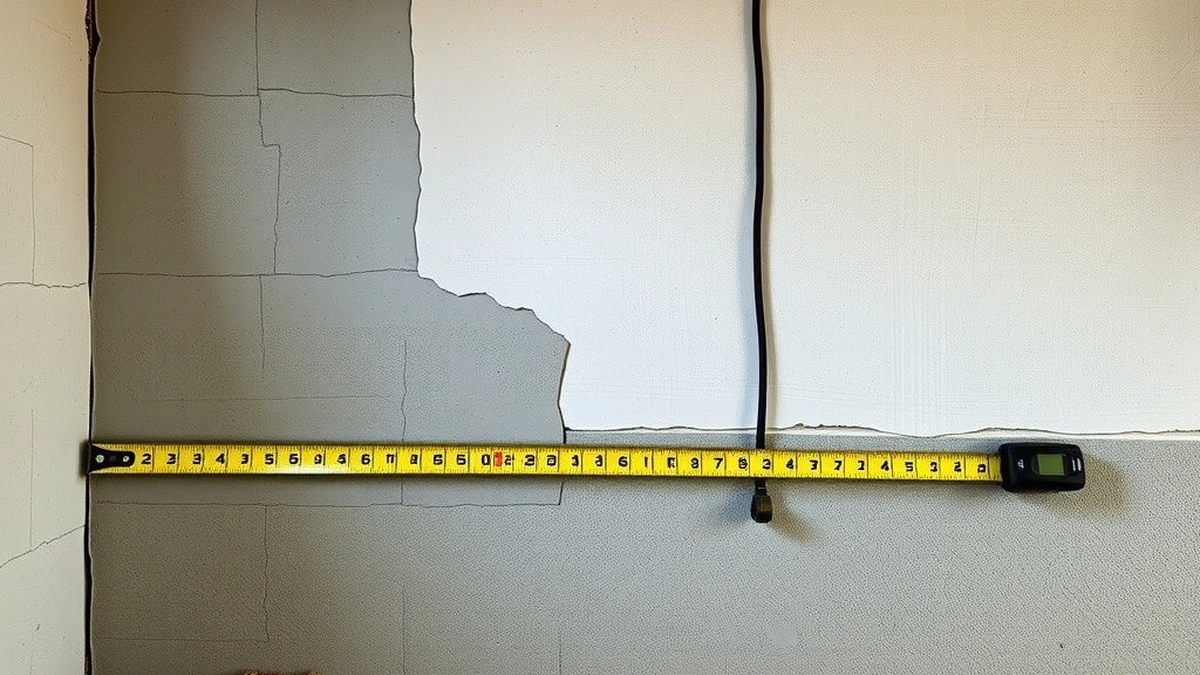
Buy a cheap crack gauge with graduated marks and record the width at the same point each month. Photograph it with a tape measure in frame. That record is what an engineer uses to tell a dormant crack from an active one, and it costs almost nothing.
The Repair Options
| Method | Cost per unit | How it works | Best for |
|---|---|---|---|
| Carbon fibre straps | $400 - $1,200 | Bonded to the wall to resist bending | Block walls, moderate bowing |
| Wall anchors | $500 - $1,500 | Anchor in stable soil, plate on wall | Poured walls, active pressure |
| Wall straightening | $8,000 - $20,000 | Jacks push the wall back | Bowing beyond tolerance |
| Replacement | $40,000 - $150,000 | New foundation section | Failed wall, no repair path |
Carbon fibre straps are epoxied vertically to the inside face and anchored at the floor and rim. They add tensile strength where the wall is weakest. Wall anchors run a steel rod from a wall plate through the soil to an anchor plate buried in stable ground, and tightening the rod pulls the wall back toward plumb.
A Costed Example
A 30-foot poured basement wall has bowed 1.5 inches, with a horizontal crack at 3/16 inch. The engineer specifies wall anchors at 6-foot spacing:
30 ÷ 6 = 5 anchors
At $900 each:
5 × $900 = $4,500
Add engineering at $400 to $1,500 and interior restoration at 10% to 25%:
$4,500 × 0.10 = $450 $4,500 × 0.25 = $1,125
All-in: $5,350 to $7,125. That sits comfortably inside the $4,000 to $15,000 range for a structural repair and far below replacement.
What to Do Next
- Measure the crack width and photograph it with a reference scale.
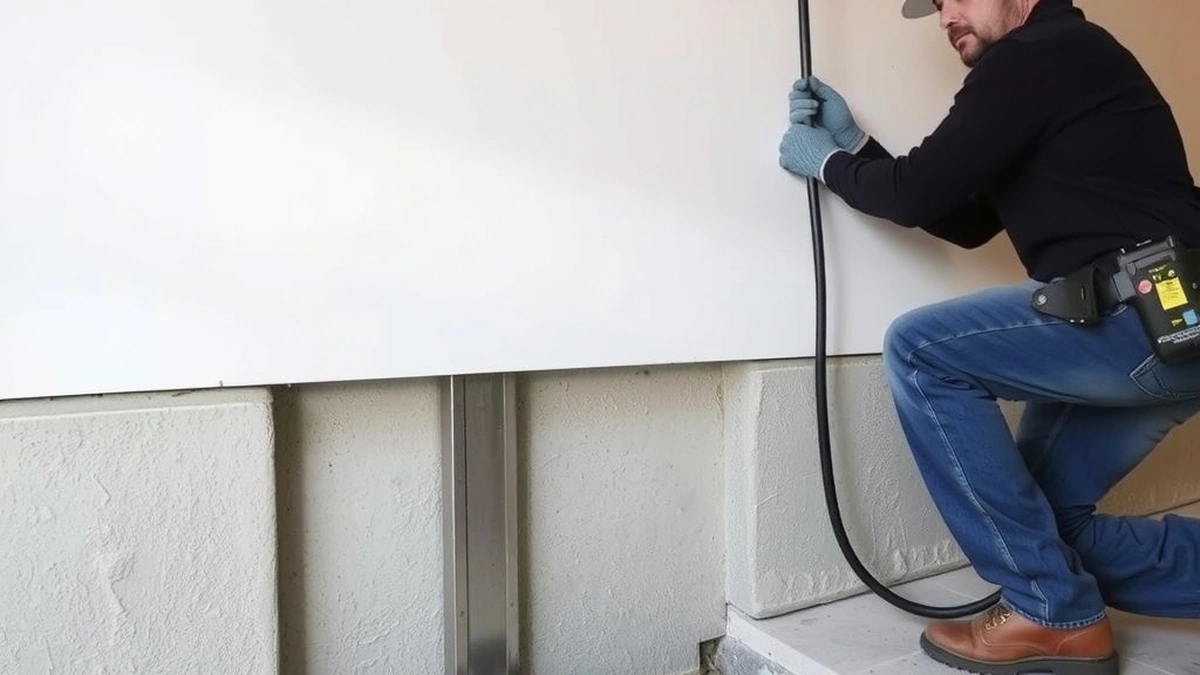
- Check the wall with a 4-foot level or a plumb line for inward bowing.
- Look for the water source: gutter discharge, grading, and downspouts first.
- Book a structural engineer if the crack is 1/8 inch or wider or the wall is out of plumb.
- Fix drainage before or alongside the structural repair so pressure does not return.
- Have the repair inspected and keep the engineer’s report with the house documents.
What Not to Do
Do not fill a horizontal crack with hydraulic cement and call it repaired. The crack is a symptom of a wall bending, and filling it hides the movement without resisting it. Do not excavate the exterior soil to “relieve pressure” without a plan either, because removing soil from the base of a footing can trigger the collapse you were trying to prevent.
Do not accept a quote that prices crack injection alone for a bowed wall. Injection suits a leaking vertical crack in a sound wall. For a horizontal crack with movement, the repair has to resist the load. Read bowing basement wall for the structural sequence, and compare carbon fibre versus wall anchors before the method is fixed.
Frequently asked questions
Are horizontal foundation cracks serious?
Yes. A horizontal crack means the wall is being pushed inward by soil pressure, and the crack is where the concrete or block has failed in bending. Widening cracks indicate active movement.
What causes a horizontal crack in a foundation wall?
Lateral pressure from saturated soil, frost heave, and expansive clay are the usual causes. Poor drainage and missing footing drains concentrate that pressure against the wall.
How wide is too wide for a horizontal crack?
A crack at 1/8 inch is the threshold for monitoring with a gauge. Anything wider, or any measurable inward bowing, should be reviewed by a structural engineer.
Can a horizontal crack be fixed without excavation?
Wall anchors and carbon fibre straps are installed from inside or with minimal exterior excavation and can stabilize the wall. Severe bowing may still require straightening or replacement.
How much does horizontal crack repair cost?
Wall anchors run $500 to $1,500 each and carbon fibre straps run $400 to $1,200 each. A typical bowing wall needs several, so most jobs land between $4,000 and $15,000.
Does a horizontal crack mean the house will collapse?
Collapse is rare, but the risk rises with movement. A wall bowing more than 2 inches is a structural concern that should be assessed promptly rather than monitored for years.
Sources
Some links are affiliate links.If you buy through them we may earn a commission at no extra cost to you. We do not accept payment for rankings. Read the full disclosure.