Foundation Crack Repair: When to Fix and What It Costs
Learn how to measure foundation cracks, choose the right repair method, and estimate costs for US homes.
Most foundation cracks are cosmetic if under 1/16 inch. Cracks over 1/8 inch or with movement need inspection. Repair costs typically range from $4,000 to $15,000.
- Cosmetic crack limit
- 1/16 inch
- Monitor crack limit
- 1/8 inch
- Wall movement limit
- 2 inches
- Average repair cost
- $4,000–$15,000
- Major repair cost
- $20,000–$40,000
Some links on this page are affiliate links.If you buy through them we may earn a commission at no extra cost to you. We do not accept payment for rankings. Read the full disclosure.
Foundation crack repair starts with measurement, not with a product recommendation. Most cracks in poured concrete or block foundations are cosmetic settlement cracks that do not threaten structural integrity. A crack under 1/16 inch wide is generally considered cosmetic; a crack at or above 1/8 inch, or any crack with visible displacement, warrants a professional inspection before any repair method is selected.
Measure the Crack First
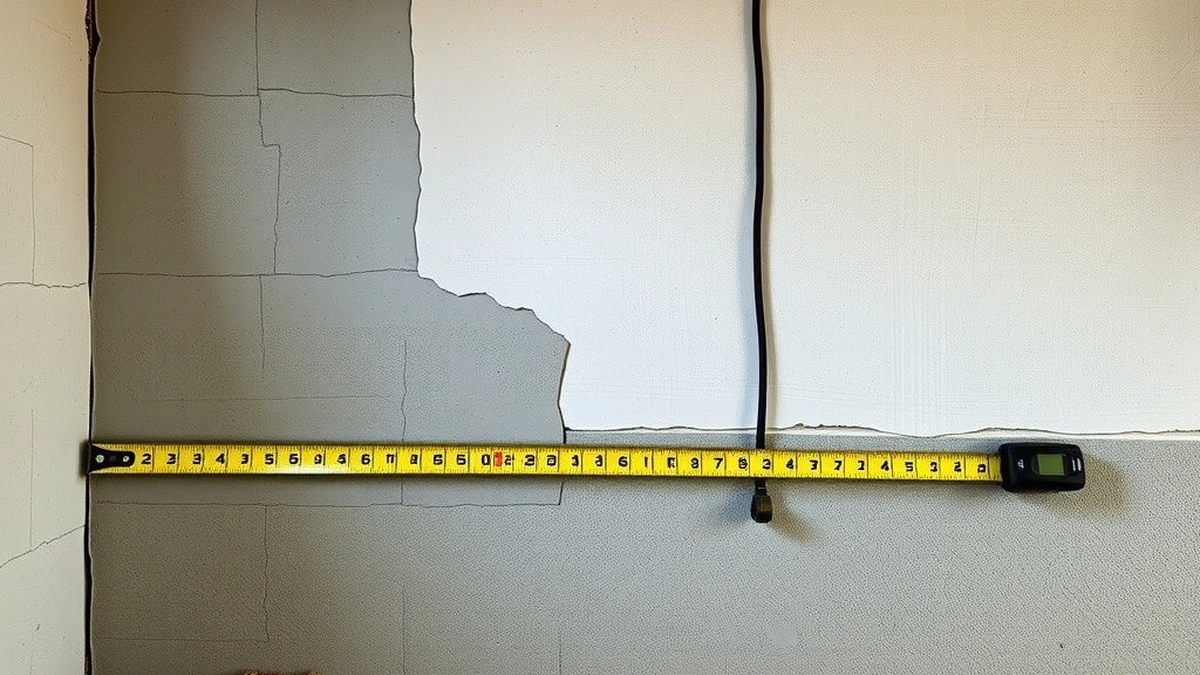
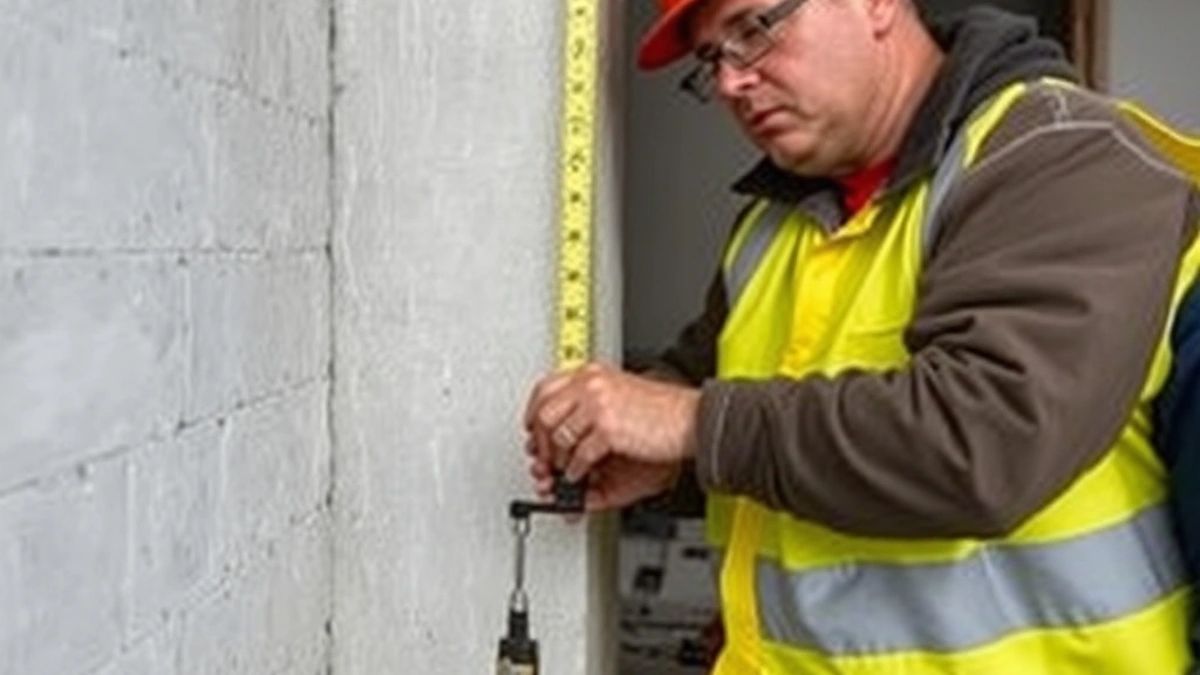
Use a crack comparator card or a concrete crack gauge to record width at the widest point. Measure length, note whether the crack is active or dormant, and check for displacement where one side of the crack sits higher or lower than the other. For block walls, also record stair-step patterns along mortar joints.
Width thresholds used in residential foundation assessment:
- Under 1/16 inch: typically cosmetic. Seal to limit water intrusion if desired.
- 1/16 inch to 1/8 inch: monitor. Document with dated photos and re-measure quarterly.
- Over 1/8 inch: structural concern. Schedule an engineer inspection.
- Any width with displacement: structural concern. Do not inject sealant alone; movement must be addressed first.
Wall movement is another key number. If a foundation wall has bowed or shifted more than 2 inches from its original plane, repair options narrow significantly, and replacement may be discussed if the wall has failed past a practical repair threshold.
Match the Method to the Foundation Type
Crack repair is not one-size-fits-all. The foundation material, soil conditions, and whether the crack is active determine the appropriate method.
Concrete slab cracks. If a slab has settled unevenly, lifting methods are often more appropriate than surface crack filling. Mudjacking costs approximately $3 to $8 per square foot. Polyurethane foam injection costs approximately $5 to $15 per square foot. For a 200-square-foot slab section, mudjacking would run roughly $600 to $1,600, while poly foam would run roughly $1,000 to $3,000. These are estimates; actual pricing depends on access, mix volume, and regional labor rates.
Poured wall cracks. Non-structural cracks in poured walls are commonly repaired with epoxy or polyurethane injection. These materials bond the crack and restrict water passage, but they do not stop soil pressure or settlement.
Block wall cracks. Stair-step cracks in concrete masonry often indicate lateral soil pressure or differential settlement. Carbon fiber straps cost approximately $400 to $1,200 per strap and are used to stabilize walls with minor bowing. Wall anchors cost approximately $500 to $1,500 each and are installed to counteract inward wall movement. Anchor spacing and quantity depend on wall length and engineer design.
Settlement cracks. When cracks result from the foundation sinking, piers are used to transfer load to bearing soil or bedrock. Push piers cost approximately $1,000 to $3,000 each. Helical piers cost approximately $700 to $2,500 each. A full pier job typically ranges from $6,000 to $30,000 depending on pier count, depth to bearing, and site access. For example, eight push piers at $2,000 each equals $16,000 in materials and installation before engineering or permit costs.
Cost Ranges and Arithmetic Examples
Repair pricing is driven by unit count and linear or square-foot quantities. Below are representative cost ranges used across the industry. Treat these as estimates, not quotes.
| Repair item | Unit cost range | Typical job context |
|---|---|---|
| Engineer inspection | $400–$1,500 | Required before structural repair design |
| Push pier | $1,000–$3,000 each | Settlement under footings |
| Helical pier | $700–$2,500 each | Tension or limited-access soils |
| Carbon fiber strap | $400–$1,200 each | Minor wall bowing |
| Wall anchor | $500–$1,500 each | Lateral wall movement |
| Slab lifting | $3–$12 per sq ft | Sunken concrete slabs |
| Crawl space encapsulation | $3–$8 per sq ft; $4,000–$15,000 job | Moisture control under pier-and-beam homes |
Average foundation repair costs land between $4,000 and $15,000. Major structural repairs range from $20,000 to $40,000. Full foundation replacement can run $40,000 to $150,000. Restoration of a structurally sound foundation typically costs 10 to 25 percent of full structural replacement.
If a contractor recommends ten helical piers at $1,600 each, the pier subtotal is $16,000. Adding an engineer inspection at $1,000 and estimated permits brings the project closer to $17,500 before cosmetic crack sealing or interior finish repairs.
When Repair Is Not Enough
Replacement becomes part of the conversation when a foundation has failed beyond practical repair. A common rule of thumb is that if repair costs exceed roughly one-third of replacement cost, replacement may be more economical. Given replacement at $40,000 to $150,000, that threshold falls in the range where major repairs at $20,000 to $40,000 approach or exceed the lower end of replacement pricing.
Restoration, when the foundation is structurally sound but needs cosmetic or moisture work, generally costs 10 to 25 percent of structural replacement. This distinction matters because a home with sound structure but cracked finishes does not need the same scope as a home with active settlement.
Warranty, Permits, and Timelines
Pier warranties are frequently described as lifetime and transferable. Transfer fees typically range from $100 to $500. If you plan to sell the home, confirm transferability and fee amount in writing before signing a contract.
Mudjacking and slab lifting carry shorter service lives, often estimated at 5 to 15 years depending on soil drainage and load conditions. Poly foam installations fall within a similar range but are not permanent soil stabilization.
Permit requirements vary by city and county. Approval typically takes 1 to 3 weeks. Engineer inspection lead time is usually 1 to 2 weeks. Factor these into project scheduling, especially if the crack is leaking or worsening.
Choosing a Contractor
Request a written scope that lists crack width measurements, pier count if applicable, depth to bearing, unit price, and total price. Avoid contractors who quote a method before measuring the crack. A proper proposal separates inspection, engineering, materials, labor, and cosmetic finishing.
For crawl space or pier-and-beam homes, encapsulation costs approximately $3 to $8 per square foot, with full jobs ranging from $4,000 to $15,000. This controls moisture that can accelerate wood rot and contribute to foundation movement, but it is a separate scope from crack repair.
If your home uses a pier-and-beam system, repair costs and methods differ from slab or basement foundations. Review pier-and-beam foundation repair cost guidance for system-specific pricing.
Next Steps
Measure the crack width and length. Note any displacement or water entry. If the crack is under 1/16 inch and stable, sealing is optional. If it is over 1/8 inch, moving, or accompanied by sticking doors and uneven floors, schedule an engineer inspection. Use the inspection report to obtain repair quotes based on measured quantities rather than square-foot guesses.
Foundation repair is a measurement-driven trade. Start with the numbers, select the method that matches the diagnosis, and price the scope last.
Next, compare foundation repair cost, pier and beam foundation repair cost, foundation crack repair cost before you commit.
Frequently asked questions
What is a structural foundation crack?
A structural crack typically exceeds 1/8 inch in width, shows displacement, or accompanies wall movement beyond 2 inches. A licensed engineer should confirm the classification.
How much does foundation crack repair cost?
Average foundation repair costs range from $4,000 to $15,000. Major structural work can reach $20,000 to $40,000, while full replacement may run $40,000 to $150,000.
Can I fix a foundation crack myself?
Hairline cracks under 1/16 inch can often be sealed with epoxy or polyurethane injection as a moisture barrier. Wider or moving cracks require professional assessment and structural repair.
How long does a pier warranty last?
Push and helical pier installations commonly carry a lifetime transferable warranty. Transfer fees typically range from $100 to $500.
Do I need a permit for foundation repair?
Permit requirements vary by city and county. Approval typically takes 1 to 3 weeks once submitted.
How soon can I get an inspection?
Engineer inspection lead time is usually 1 to 2 weeks. Inspection fees typically range from $400 to $1,500.
Sources
Some links are affiliate links.If you buy through them we may earn a commission at no extra cost to you. We do not accept payment for rankings. Read the full disclosure.