Sloping Floors Repair: Diagnosis and Cost
A sloping floor can come from the foundation, the beams, or the joists. See how to find the cause and what each repair costs.
Sloping floors repair costs $1,500 to $5,000 for joist or shim work and $6,000 to $30,000 when the foundation piers have settled. The cause decides the repair, so measure the slope and check the crawl space first.
- Re-shimming
- $1,500 - $5,000
- Joist repair
- $2,000 - $8,000
- Pier repair
- $6,000 - $30,000
- Typical slope threshold
- 1 inch across a room
- Engineering report
- $400 - $1,500
Some links on this page are affiliate links.If you buy through them we may earn a commission at no extra cost to you. We do not accept payment for rankings. Read the full disclosure.
Sloping floors repair costs $1,500 to $5,000 when the problem is shims or joists, and $6,000 to $30,000 when the foundation piers have settled. The price difference is the diagnosis, and the diagnosis starts with a level and a look under the floor. A slope that runs across the whole room points to the foundation. A dip in the middle points to the framing.
Measure the Slope First
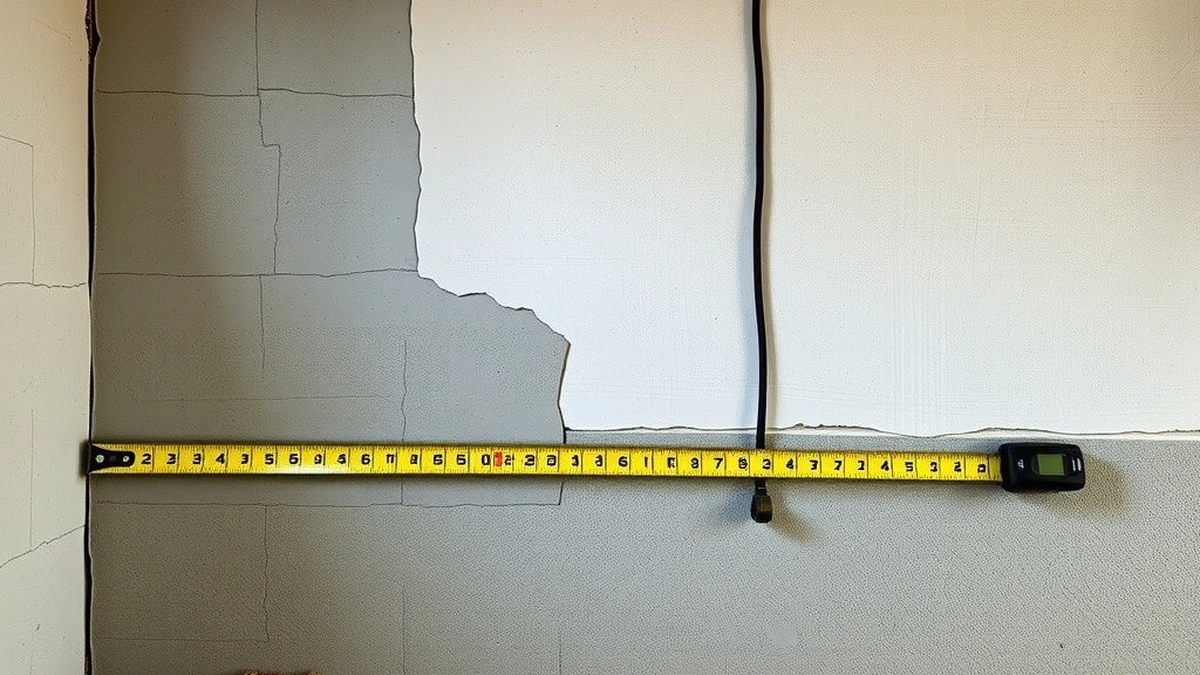
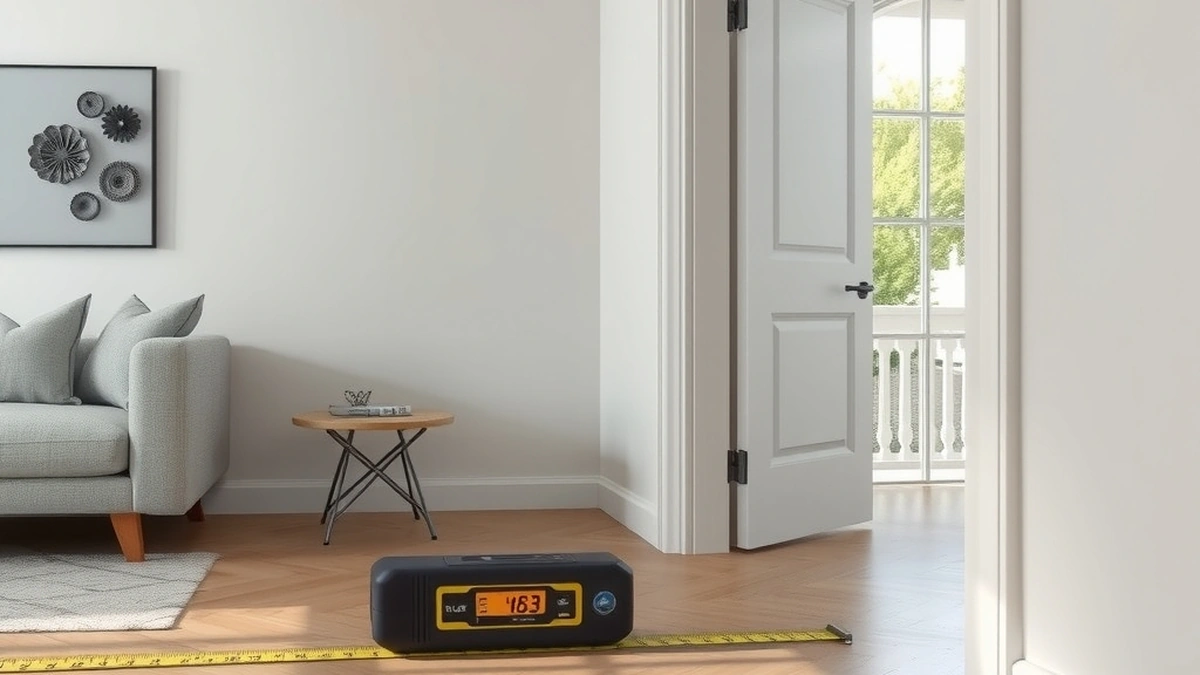
Put a 4-foot level on the floor and measure the gap at the low end. A quarter inch over 4 feet is a 0.5% slope, which is common in older homes and rarely structural. An inch across a 12-foot room is a 0.7% slope and worth investigating. Two inches is a clear structural signal.
Walk the room and record the slope in two directions. A floor that slopes toward one wall is usually a foundation or beam issue. A floor that dips in the center of the room is usually a joist issue.
The Four Causes
| Cause | Pattern | Repair |
|---|---|---|
| Settled piers | Whole room slopes to one side | New piers or re-shim |
| Deflecting beam | Slope across the room’s width | Beam replacement or jacking |
| Sagging joists | Dip in the middle, springy feel | Sister or replace joists |
| Rot or insect damage | Localized soft spot | Replace affected members |
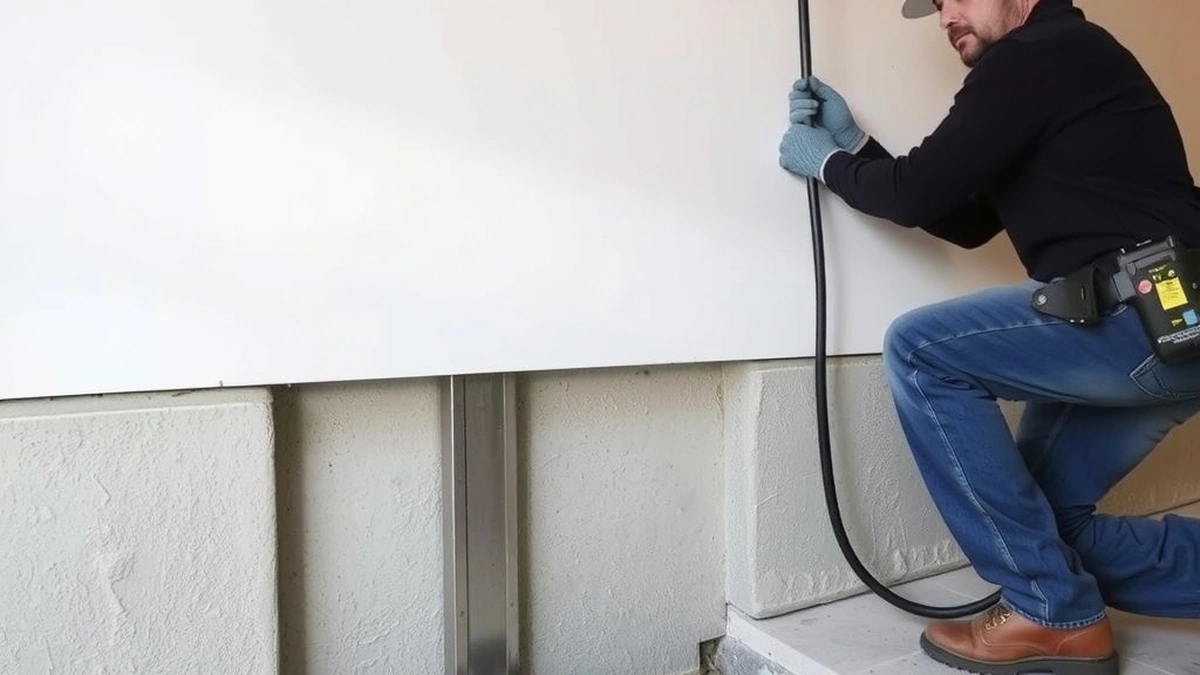
The crawl space tells you which one. Look at the piers, the beam, and the joist ends. Crushed shims and a pier that is not touching the beam point to settlement. A beam with a visible sag between piers points to deflection. Joists that are notched, rotted, or undersized point to framing.
Take a notebook and a bright light, and photograph each pier from the same angle. Note the gap between the pier and the beam, the condition of the shims, and any staining on the wood. Staining is the signature of a leak or a flood, and rot usually follows staining by a year or two. If the crawl space is too tight to enter safely, hire the inspection rather than crawling through it.
Re-Shimming and Jacking
Re-shimming is the cheapest repair. The beam is jacked slightly, the old shims are removed, and new hardwood or steel shims restore solid bearing. It runs $1,500 to $5,000 for a house with several loose piers, and it works only when the piers themselves are sound.
Jacking is a larger version of the same idea. Steel jacks are installed under a sagging beam and tightened over weeks to bring the floor back toward level. It is slower than a pier lift and less precise, but it costs less than new piers.
Joist Repair
Sagging joists are sistered, which means a new joist is bolted alongside the old one to share the load. A single sistered joist runs $300 to $800; a room with eight joists runs $2,400 to $6,400.
Joists that have rotted at their bearing ends need a different repair. The rotten end is cut back and a new section is scabbed on with a structural connection, or the joist is replaced entirely. That work is often paired with fixing the water source that caused the rot.
Pier Repair
When the piers have settled, the floor slopes because the support has dropped. New piers run $1,000 to $3,000 each for push piers and $700 to $2,500 for helical, and a full job lands at $6,000 to $30,000.
A costed example: six push piers at $2,000:
6 × $2,000 = $12,000
Add engineering at $900 and re-shimming of the remaining piers at $1,200:
$12,000 + $900 + $1,200 = $14,100
That is a typical pier-and-beam leveling job.
The Repair Sequence
- Measure the slope in two directions and record it.
- Inspect the crawl space for pier, beam, and joist condition.
- Fix any water source causing rot or soil movement.
- Get an engineer’s report if the slope exceeds an inch.
- Re-shim, sister, or install piers as the diagnosis requires.
- Level in increments and monitor doors and walls.
- Repair finishes after the structure settles.
What Leveling Does to the House
Lifting a floor moves everything above it. Doors may bind, drywall may crack, and plumbing may flex. That is why lifts are done in small increments with the walls monitored, and why the engineer sets a tolerance rather than a target of perfect level.
An older house is rarely brought back to zero. The goal is a floor that feels stable and a structure that has stopped moving, not a laser-flat surface that the rest of the house cannot accommodate.
When to Call an Engineer
Call one when the slope exceeds an inch across a room, when a wall is also out of plumb, when doors and windows no longer close, or when the crawl space shows crushed piers or a sagging beam. The inspection at $400 to $1,500 will separate a framing repair from a foundation repair, and that separation is the price difference.
Bring your measurements to the inspection. A record of the slope at three points in the room, taken a month apart, tells the engineer whether the floor is still moving. Without it, the engineer can measure the current condition but cannot tell whether it is stable, and the recommendation may be more conservative than the house actually needs.
For the method detail, read pier and beam leveling and re-shimming pier and beam. If the floor is bouncy rather than sloping, crawl space foundation covers the framing side.
Frequently asked questions
How much does sloping floor repair cost?
Re-shimming runs $1,500 to $5,000, joist repair runs $2,000 to $8,000, and pier work runs $6,000 to $30,000. The cause determines which applies.
Is a sloping floor always a foundation problem?
No. Joists can sag from overload or rot, beams can deflect, and piers can settle. A foundation problem usually slopes the whole room; a joist problem often dips in the middle.
How much slope is acceptable in a floor?
A drop of about a quarter inch over 4 feet is noticeable but common in older homes. More than an inch across a room is worth investigating.
Can a sloping floor be fixed without replacing it?
Often yes. Re-shimming, jacking, and sistering joists can correct many slopes. Severely rotted or undersized joists may need replacement.
Will leveling a floor crack the walls?
It can, if the lift is too fast or too large. Floors are leveled in small increments with the walls monitored, and the engineer sets a tolerance.
Does floor leveling require a permit?
Structural work usually does. Cosmetic joist sistering may not, but the rule varies. Ask the contractor who is pulling it and get the inspection record.
Sources
Some links are affiliate links.If you buy through them we may earn a commission at no extra cost to you. We do not accept payment for rankings. Read the full disclosure.