Stair-Step Cracks in Brick and Block: What They Mean
How to measure stair-step foundation cracks in brick and block, when to repair, and what common methods cost.
Stair-step cracks in brick and block usually indicate differential settlement; measure width and displacement, then match the repair method to the movement.
- Typical cosmetic crack width
- 1/16 inch or less
- Crack worth watching
- 1/8 inch
- Wall movement repair limit
- 2 inches
- Average repair cost
- $4,000–$15,000
- Engineer inspection
- $400–$1,500
Some links on this page are affiliate links.If you buy through them we may earn a commission at no extra cost to you. We do not accept payment for rankings. Read the full disclosure.
Stair-step cracks in brick and block walls usually signal differential settlement, where one section of the foundation has moved more than another. Measure the crack width and any displacement before choosing a repair method. Cosmetic cracks are typically 1/16 inch or less; anything at or above 1/8 inch deserves closer attention.
What Stair-Step Cracks Mean
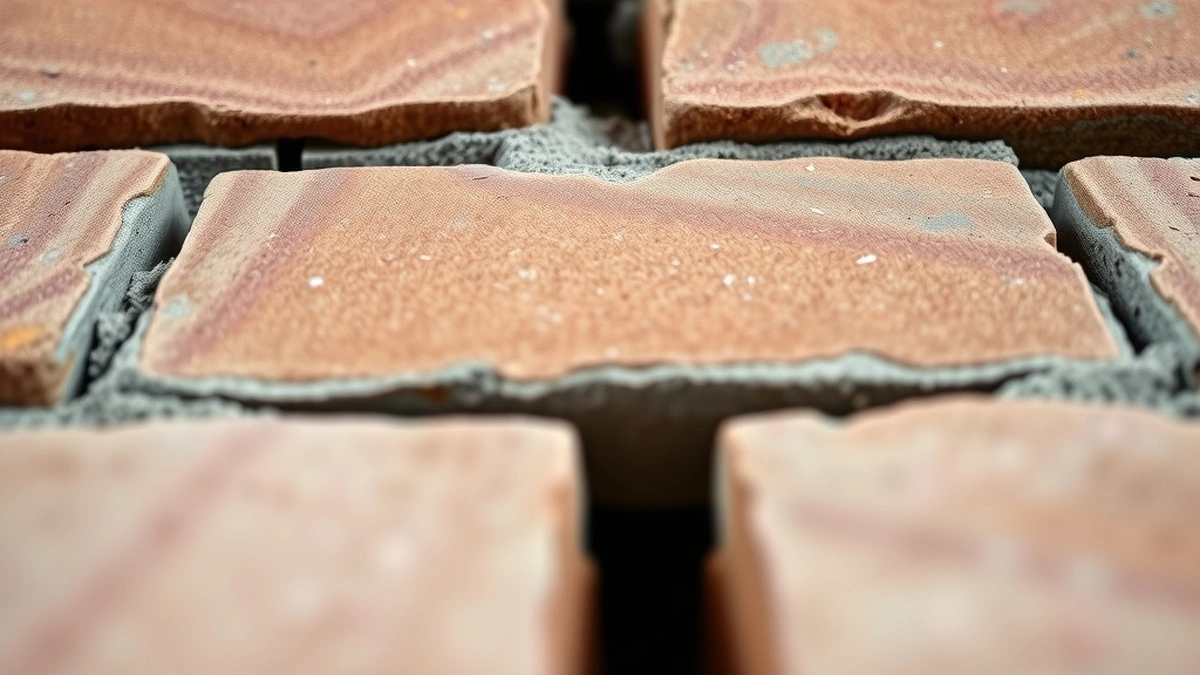
Stair-step cracks follow the mortar joints in a brick or block wall, stepping up or down in a diagonal pattern. They often appear near corners, under window openings, or along long wall runs where soil support varies. The pattern itself does not tell you how serious the problem is; width, displacement, and rate of change do.
A crack that stays at 1/16 inch for years is often cosmetic and can be repointed. A crack that grows past 1/8 inch, shows one side shifted past the other, or appears alongside sticking doors and sloping floors suggests structural movement. Foundation Repair Lab recommends measuring first, selecting a method second, and pricing third.
How to Measure the Crack
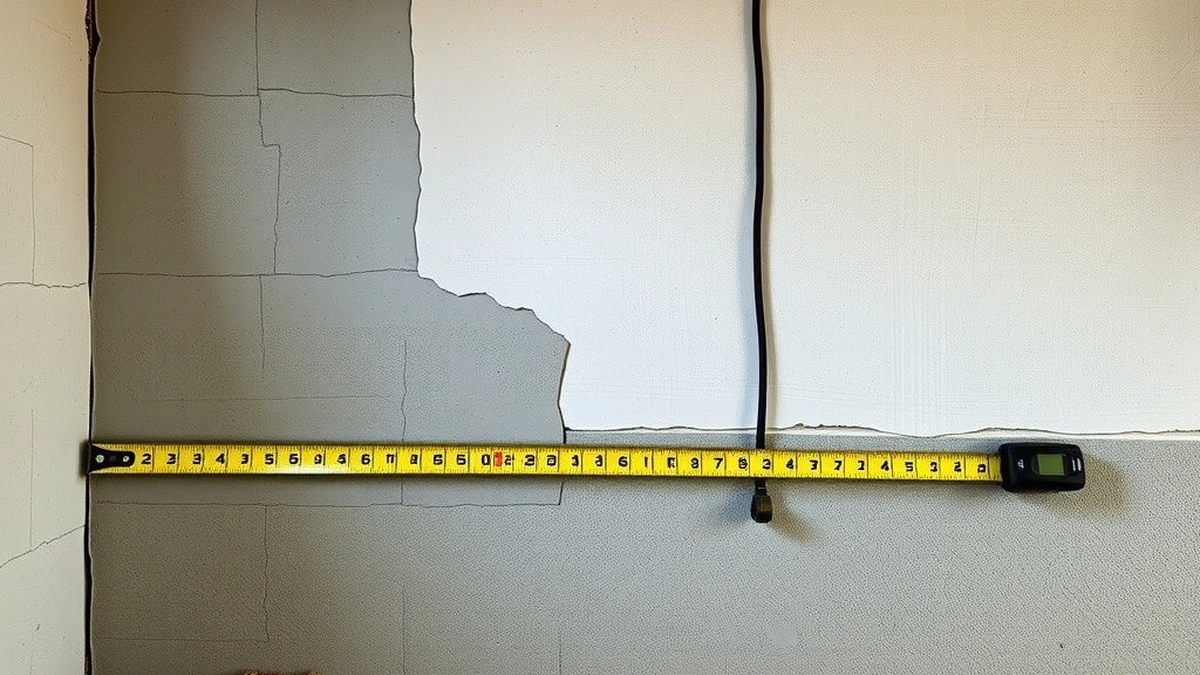
Use a crack gauge or feeler gauge to record width at the widest point. Mark the ends with pencil and date the measurement so you can compare it later. Check for displacement by placing a straightedge across the crack; if one side protrudes, note the offset in inches.
Key measurement thresholds:
- Cosmetic: 1/16 inch or less
- Monitor: 1/8 inch
- Structural concern: widening beyond 1/8 inch or any visible displacement
- Wall movement limit: 2 inches of lateral or vertical movement before replacement is often considered
If a crack is 1/4 inch wide and has 1/2 inch of displacement, that is measurable movement, not surface shrinkage. Record it and recheck after heavy rain or drought cycles.
Common Causes in Brick and Block
Brick and block are strong in compression but weak in tension, so they crack when the foundation beneath them shifts unevenly. Common causes include:
- Soil shrinkage during drought, removing support from footings
- Poor drainage saturating soil and reducing bearing capacity
- Tree roots extracting moisture from one side of the foundation
- Improperly compacted fill under a slab or crawl space
- Frost heave in colder climates
Identifying the cause matters because repairing the crack without fixing the drainage or soil issue often leads to a repeat crack in the same location.
Repair Options and Cost Estimates
Repair method depends on whether the issue is settlement, wall bowing, or slab movement. The table below shows estimated installed costs. These are estimates; actual pricing depends on local labor, access, and permit requirements.
| Repair method | Estimated cost | Typical use |
|---|---|---|
| Push piers | $1,000–$3,000 each | Settling foundations needing depth to bearing |
| Helical piers | $700–$2,500 each | Lighter loads or limited access |
| Full pier job | $6,000–$30,000 | Whole-home stabilization |
| Mudjacking | $3–$8 per sq ft | Slab lifting, 5–15 year life |
| Polyurethane foam | $5–$15 per sq ft | Slab lifting, faster cure |
| Carbon fiber straps | $400–$1,200 each | Wall crack stabilization |
| Wall anchors | $500–$1,500 each | Bowing basement walls |
Example arithmetic: A home needing six push piers at $2,000 each would cost roughly $12,000 for the pier work alone, falling inside the typical pier job range of $6,000–$30,000. If the same home also needs slab lifting over 400 square feet at $8 per square foot, add $3,200, bringing the total estimate to approximately $15,200 before permits and inspection.
For crawl space moisture contributing to movement, encapsulation runs $3–$8 per square foot, or $4,000–$15,000 per job depending on size.
When to Call an Engineer
Call a structural engineer if the crack exceeds 1/8 inch, shows displacement, or appears alongside other movement signs. An engineer inspection costs $400–$1,500 and typically has a lead time of 1–2 weeks. The engineer can determine whether the crack is active, measure depth to bearing, and specify pier count and placement.
Foundation Repair Lab does not recommend hiring a repair contractor to self-diagnose structural cracks. An independent inspection separates measurement from sales pressure.
Permits, Timeline, and Warranty
Permit requirements vary by city and county and typically take 1–3 weeks to approve. Inspection lead time is usually 1–2 weeks. Factor both into your project schedule before signing a contract.
Pier warranties are typically lifetime and transferable, subject to a transfer fee of $100–$500 if you sell the home. Mudjacking carries a shorter expected life of 5–15 years. Ask for warranty terms in writing before work begins.
Monitoring vs. Repair Decision
Not every stair-step crack needs immediate repair. If the crack is 1/16 inch or less and has not moved over six months, repointing the mortar and monitoring quarterly is reasonable. If it reaches 1/8 inch or shows displacement, schedule an engineer inspection.
Repair costs scale with severity. Average foundation repairs fall in the $4,000–$15,000 range. Major structural work can reach $20,000–$40,000. Full wall replacement runs $40,000–$150,000 and is generally considered when more than one-third of a wall section has failed structurally.
Restoration after repair typically costs 10–25 percent of the structural repair amount, covering cosmetic masonry work, paint, and interior finish repairs disturbed by the job.
Start with a measurement, not a quote. A dated photo and a crack gauge reading give you a baseline, and that baseline determines whether you need a pier, an anchor, or simply a new mortar joint.
Next, compare foundation repair cost, pier and beam foundation repair cost, foundation crack repair cost before you commit.
Frequently asked questions
What causes stair-step cracks in brick?
Differential settlement, soil shrinkage, poor drainage, or foundation movement beneath masonry walls often produce stair-step patterns along mortar joints.
How wide is too wide for a stair-step crack?
Cracks wider than 1/8 inch, or any crack with visible displacement, warrant closer monitoring or professional inspection.
Can I fix stair-step cracks myself?
Small cosmetic cracks can be repointed, but structural movement requires piers, anchors, or other engineered repairs installed by professionals.
Do stair-step cracks mean the foundation is failing?
Not necessarily; many are cosmetic, but widening cracks or movement beyond 2 inches indicate structural issues that need evaluation.
How long does a pier repair take?
Timing varies by pier count and site access; engineering inspections typically have a 1–2 week lead time and permits take 1–3 weeks.
Are pier warranties transferable?
Lifetime pier warranties are typically transferable, subject to a transfer fee of $100–$500.
Sources
Some links are affiliate links.If you buy through them we may earn a commission at no extra cost to you. We do not accept payment for rankings. Read the full disclosure.