Tree Roots and Foundations: What Actually Happens
How tree roots interact with foundations, when to worry, and what repairs cost.
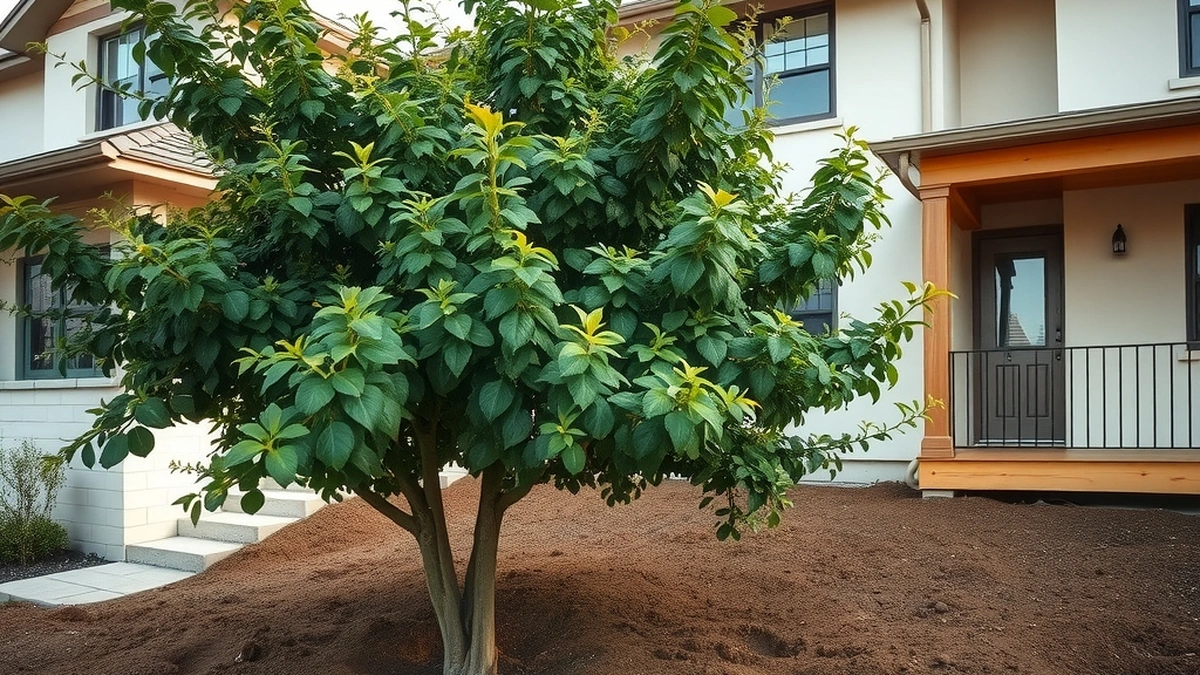
Tree roots rarely crack foundations directly, but they can dry out soil and cause settlement that cracks slabs and walls.
- Typical root damage mechanism
- Soil moisture loss and settlement
- Crack width to monitor
- 1/8 inch
- Average foundation repair cost
- $4,000–$15,000
- Structural engineer inspection
- $400–$1,500
Some links on this page are affiliate links.If you buy through them we may earn a commission at no extra cost to you. We do not accept payment for rankings. Read the full disclosure.
Tree roots and foundations interact mostly through soil, not direct contact. Roots do not usually punch through sound concrete, but they can change moisture levels around and under a foundation, leading to settlement, cracks, and uneven floors. Understanding the mechanism helps homeowners decide whether a tree is a genuine risk or a cosmetic concern.
How Roots Affect Soil Around Foundations
Tree roots absorb water from the soil. During dry periods, a large mature tree can take up hundreds of gallons of water per day. When that moisture comes from the soil supporting a foundation, the ground can shrink. Clay soils are especially vulnerable because they expand when wet and contract when dry. As the soil volume decreases, the foundation loses support and settles.
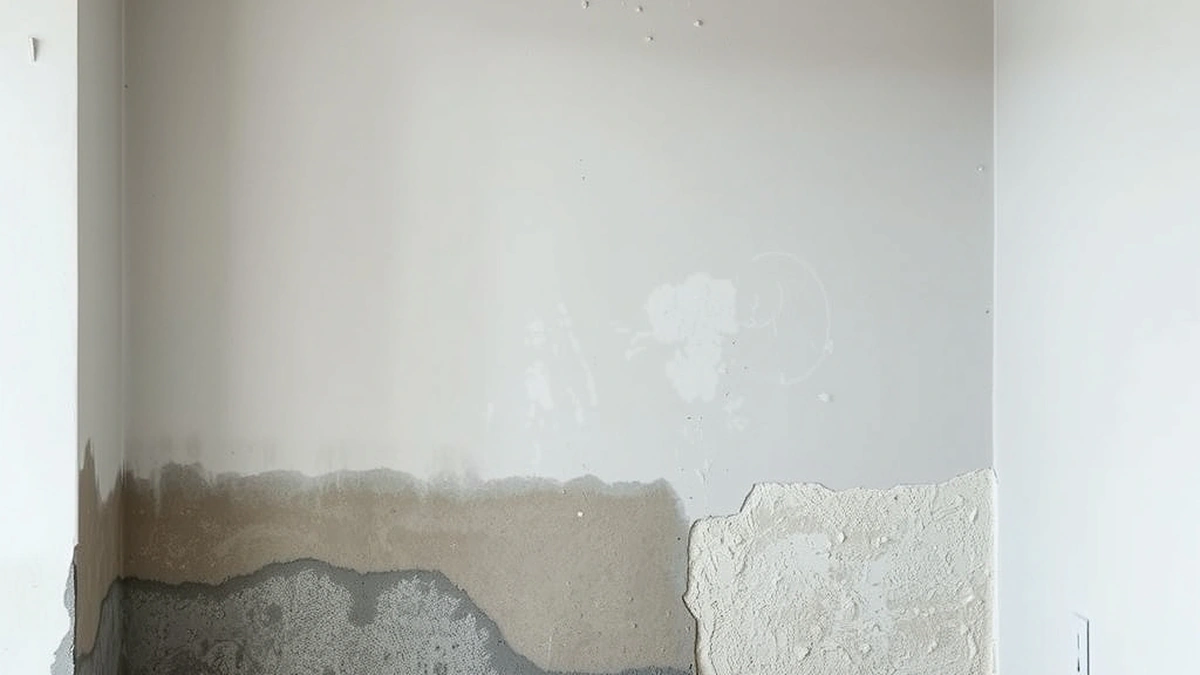
Settlement from soil shrinkage is typically uneven. One corner of a slab may drop while another stays level, producing diagonal cracks in walls, sticking doors, and gaps between walls and floors. Roots themselves rarely grow into a solid foundation wall or slab, but they can enter existing cracks or gaps around utility penetrations and widen them over time.
Measuring the Problem Before Blaming the Tree
Measure first, method second. Before removing any tree, document the actual foundation condition:
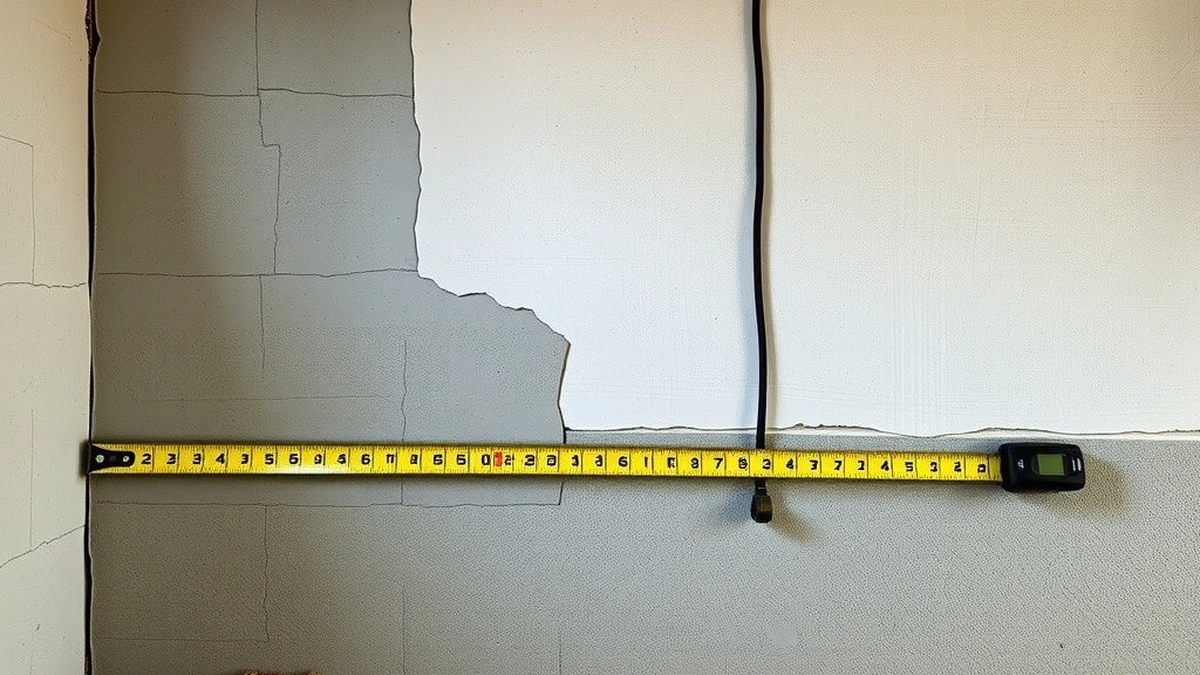
- Crack width: Hairline cracks under 1/16 inch are usually cosmetic. Cracks at or above 1/8 inch enter the watch category and should be tracked.
- Crack displacement: If one side of a crack is higher or lower than the other, that indicates structural movement rather than surface shrinkage.
- Wall movement: Foundation walls should not move more than 2 inches inward or outward before replacement is seriously considered.
- Floor levelness: A level or laser survey can show how many inches a slab has dropped over a given span.
A structural engineer inspection costs $400–$1,500 and provides a baseline for deciding whether tree roots, poor drainage, or soil fill is the primary cause.
When Tree Removal Helps and When It Hurts
Removing a tree seems like the obvious fix, but it can create new problems. If a tree has been drawing moisture from the soil for years, the ground around the foundation may be unusually dry. Once the tree is gone, rainwater can rehydrate that soil. Clay soils expand as they absorb moisture, which can lift the foundation unevenly or create pressure against basement walls.
This is why removal should follow measurement, not precede it. If monitoring shows the foundation is stable despite the tree, removal may be unnecessary. If movement is active and correlated with seasonal moisture changes, an arborist and foundation professional can evaluate whether root pruning, a root barrier, or selective removal is appropriate.
Root Barriers and Site Management
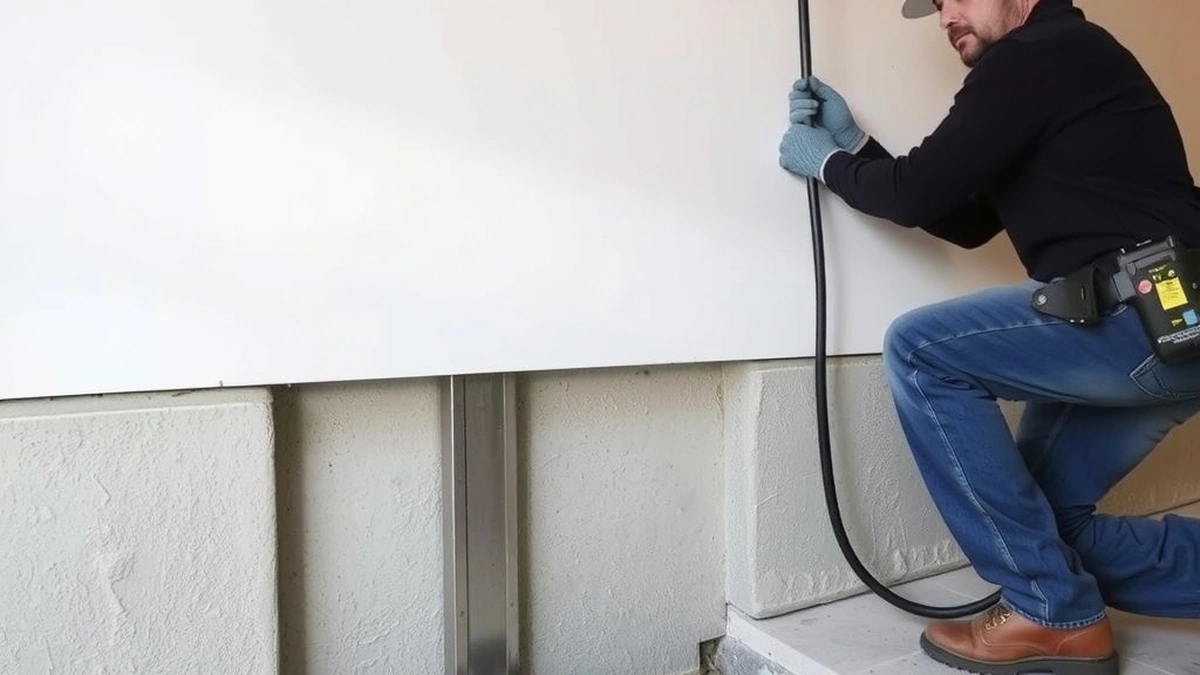
Root barriers are physical panels placed vertically in the soil between a tree and a foundation. They redirect roots downward or away from the structure. Barriers are most effective when installed before roots reach the foundation and when they extend deep enough to intercept the root zone, often 2 to 3 feet or more depending on soil and species.
Other non-removal options include:
- Adjusting irrigation so the foundation area maintains consistent moisture.
- Improving surface drainage to keep water from pooling against the foundation.
- Planting new trees at a distance greater than their expected mature canopy radius from the foundation.
These measures do not reverse existing settlement, but they can slow or stop further movement.
Repair Options If Damage Has Occurred
If foundation movement has already caused structural cracks or sloping floors, repair options depend on foundation type, soil conditions, and the extent of movement. Common approaches include piers, slab lifting, and wall stabilization.
Push piers are driven to bearing soil or bedrock and typically cost $1,000–$3,000 each. Helical piers are screwed into the ground and cost $700–$2,500 each. A full pier job often runs $6,000–$30,000. For example, a project requiring eight helical piers at $1,500 each would cost $12,000 in pier materials and installation before additional excavation or finishing work.
For slab foundations with localized settlement, mudjacking costs $3–$8 per square foot, while polyurethane foam injection costs $5–$15 per square foot. Lifting a 200-square-foot section with mudjacking at $5 per square foot would cost roughly $1,000. These methods restore levelness but do not necessarily address the moisture source that caused the settlement.
Wall cracks from lateral soil pressure may call for carbon fiber straps at $400–$1,200 each or wall anchors at $500–$1,500 each. If more than one-third of a foundation has failed structurally, replacement at $40,000–$150,000 may be more practical than repeated repairs.
Average foundation repair costs $4,000–$15,000, while major repairs reach $20,000–$40,000. These are estimates; actual prices depend on pier count, depth to bearing, local labor rates, and permit requirements.
Cost Examples Using Standard Pricing
To show how estimates scale, consider two hypothetical scenarios:
Scenario A: Minor slab settlement
- Area to lift: 150 square feet
- Method: Mudjacking at $5 per square foot (midpoint of $3–$8)
- Calculation: 150 × $5 = $750
Scenario B: Moderate settlement requiring piers
- Piers needed: 6
- Type: Push piers at $2,000 each (midpoint of $1,000–$3,000)
- Calculation: 6 × $2,000 = $12,000
Neither figure includes engineering fees, permits, landscaping repair, or cosmetic crack finishing. Permit timelines vary by city and county and typically take 1–3 weeks.
What Restoration Means for Resale Value
Foundation repairs that restore structural function generally recover 10–25 percent of the structural repair cost in home value, though this varies by market and buyer perception. Transferable warranties matter here. Pier warranties are often lifetime and transferable, while mudjacking may carry a 5–15 year warranty. Warranty transfer fees typically run $100–$500.
Documentation matters. Keep inspection reports, repair invoices, and warranty paperwork. A buyer or insurer may ask for proof that movement has been arrested and that repairs were performed by qualified professionals.
Deciding on Next Steps
Start with measurement. Record crack widths, take floor elevations, and note whether movement changes with the seasons. If cracks exceed 1/8 inch or show displacement, schedule a structural engineer inspection. Only then should you evaluate tree removal, root barriers, or foundation repair.
Tree roots and foundations coexist without issue in millions of homes. Problems arise when soil moisture changes unevenly, and by then the visible crack is often a symptom rather than the cause. Measure first, choose the method second, and price the work third.
Internal resources for related costs: foundation repair cost, pier and beam foundation repair cost, foundation crack repair cost, mudjacking cost, helical pier cost, push pier cost, carbon fiber foundation repair cost, wall anchor cost.
Next, compare foundation repair cost, pier and beam foundation repair cost, foundation crack repair cost before you commit.
Frequently asked questions
Do tree roots break foundation concrete?
Roots usually do not break sound concrete directly; they exploit existing cracks or shrink soil, which leads to settlement and cracking.
How close can a tree be to a foundation?
There is no universal distance; large trees should generally be planted farther than their mature canopy radius from the foundation.
What crack width should worry me?
Cracks wider than 1/8 inch, or any crack that is growing, should be inspected by a foundation professional or structural engineer.
Will removing a tree fix foundation cracks?
Not necessarily; removing a tree can allow soil to rehydrate and swell, which may lift or shift the foundation further.
How much does foundation repair cost?
Average repairs run $4,000–$15,000, while major structural work can reach $20,000–$40,000 depending on the method and pier count.
Do I need a permit for foundation repair?
Permit requirements vary by city and county and typically take 1–3 weeks to process.
Sources
Some links are affiliate links.If you buy through them we may earn a commission at no extra cost to you. We do not accept payment for rankings. Read the full disclosure.