Frost Heave and Foundation Damage: What It Costs to Fix
How frost heave moves foundations, how to measure the damage, and what repair methods typically cost.
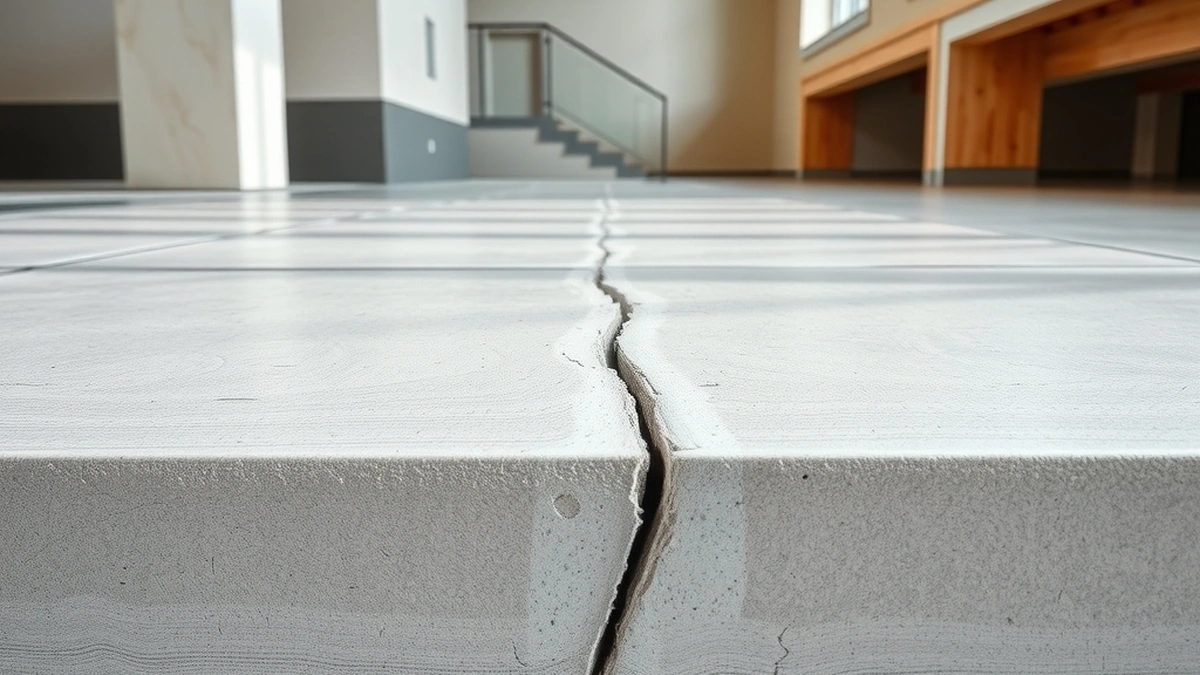
Frost heave lifts and cracks foundations when frozen soil expands; repairs typically range from $4,000 to $15,000, with major structural work reaching $20,000 to $40,000.
- Typical repair range
- $4,000 - $15,000
- Major structural repair
- $20,000 - $40,000
- Full replacement
- $40,000 - $150,000
- Engineer inspection
- $400 - $1,500
- Crack worth watching
- 1/8 inch or wider
Some links on this page are affiliate links.If you buy through them we may earn a commission at no extra cost to you. We do not accept payment for rankings. Read the full disclosure.
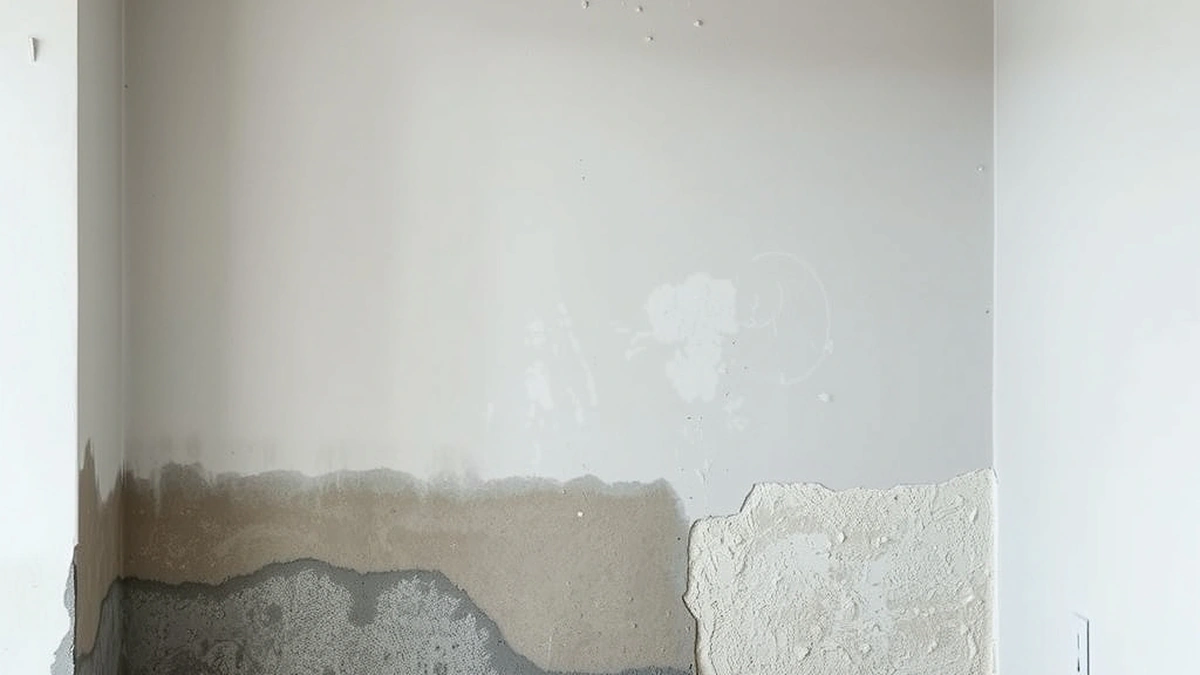
Frost heave and foundation damage happen when water-saturated soil freezes, expands, and lifts part of a home’s support system. The upward force can crack slabs, tilt foundation walls, and shift piers out of level. Repair costs typically fall between $4,000 and $15,000, though major structural stabilization can reach $20,000 to $40,000.
How Frost Heave Works
Soil holds water. When temperatures drop below freezing, that water turns to ice and expands by roughly 9 percent. In frost-susceptible soils such as silts and some clays, ice lenses form and draw more moisture upward, creating a lens of ice that pushes against anything above it—including footings, slabs, and foundation walls.
The force is not trivial. A frozen soil column can exert thousands of pounds per square foot of uplift pressure. If a foundation rests on a footing above the local frost line, the soil beneath can heave and lift that footing unevenly. One corner may rise while the rest stays put, creating differential movement that cracks concrete and distorts framing.
Frost line depth varies by location. In northern states it may reach 4 feet or more; in southern regions it may be only 12 to 18 inches. Footings poured above that depth are exposed to heave. Foundations built below the frost line are generally protected from direct uplift, though adjacent slabs, porches, and garage floors often are not.
Measuring the Damage Before Choosing a Method
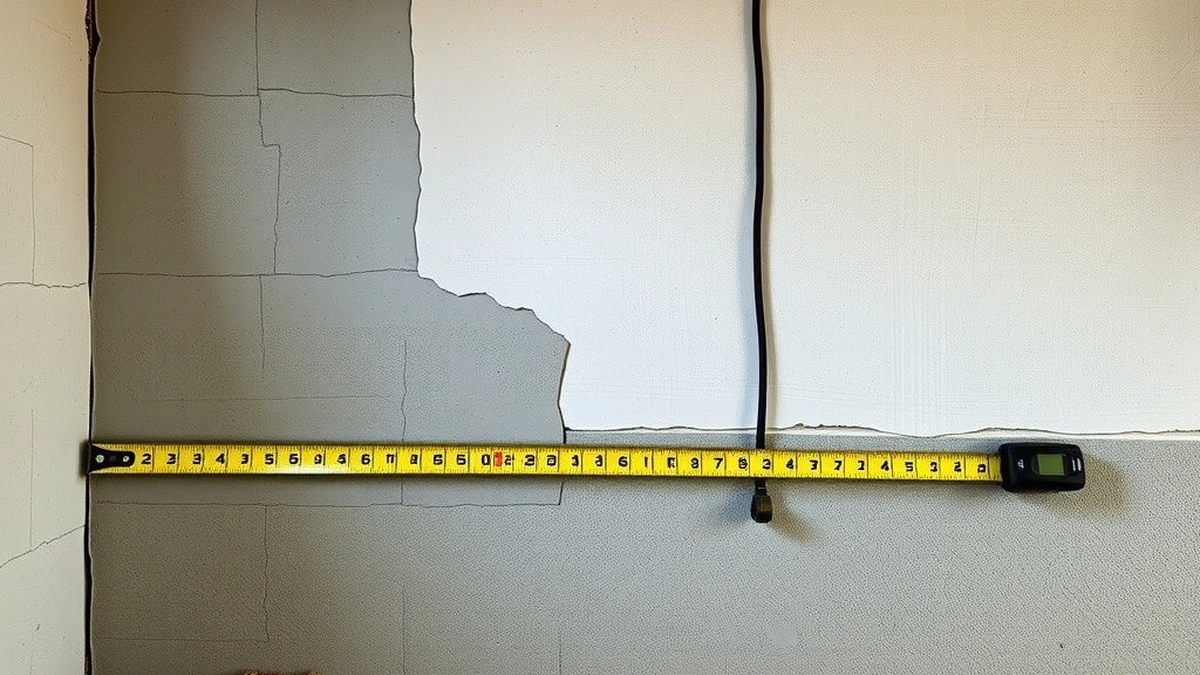
Measure first, method second, price third. A homeowner or inspector should record crack width, crack displacement, floor slope, and wall movement before discussing repairs.
- Crack width: Hairline cracks under 1/16 inch are usually cosmetic. Cracks at or above 1/8 inch enter a watch category and warrant documentation.
- Displacement: If one side of a crack is higher or lower than the other, the foundation has moved, not just settled.
- Wall movement: Foundation walls that tilt or shift more than 2 inches from plumb may need structural reinforcement or replacement, depending on an engineer’s evaluation.
- Floor slope: A level or laser can measure slope across a slab or crawl space. A slope greater than 1 inch over 20 feet often indicates meaningful differential movement.
These numbers determine whether the fix is crack injection, slab lifting, piering, or something more extensive. An engineer inspection typically costs $400 to $1,500 and is the best first step when cracks exceed 1/8 inch or doors and windows begin sticking.
Repair Methods and Typical Costs
Once measurements exist, the method follows. Below are common repairs for frost-heave damage, with estimated price ranges. Actual quotes depend on local labor, pier count, depth to bearing soil, and access.
| Repair method | Typical cost | Notes |
|---|---|---|
| Push piers | $1,000 - $3,000 each | Driven to bearing soil; full job $6,000 - $30,000 |
| Helical piers | $700 - $2,500 each | Screwed into soil; suited for lighter loads |
| Slab lifting / mudjacking | $3 - $8 per sq ft | Grout slurry lifts settled slabs |
| Polyurethane foam lifting | $5 - $15 per sq ft | Lightweight foam fills voids and raises slabs |
| Carbon fiber straps | $400 - $1,200 each | Reinforces foundation walls against further movement |
| Wall anchors | $500 - $1,500 each | Stabilizes bowing or tilting basement walls |
| Crawl space encapsulation | $3 - $8 per sq ft | Job total $4,000 - $15,000; controls moisture |
Example arithmetic: A home with four settled corners might need eight push piers at $2,000 each, or $16,000 for materials and installation. If the same house also needs 200 square feet of slab lifting at $6 per square foot, that adds $1,200. The combined estimate would be roughly $17,200, sitting inside the average repair range of $4,000 to $15,000 but edging toward major repair territory.
If a foundation has lost roughly one-third of its structural capacity, replacement may be more practical than repeated patching. Full replacement runs $40,000 to $150,000 and is usually the last resort.
When to Consider Piering
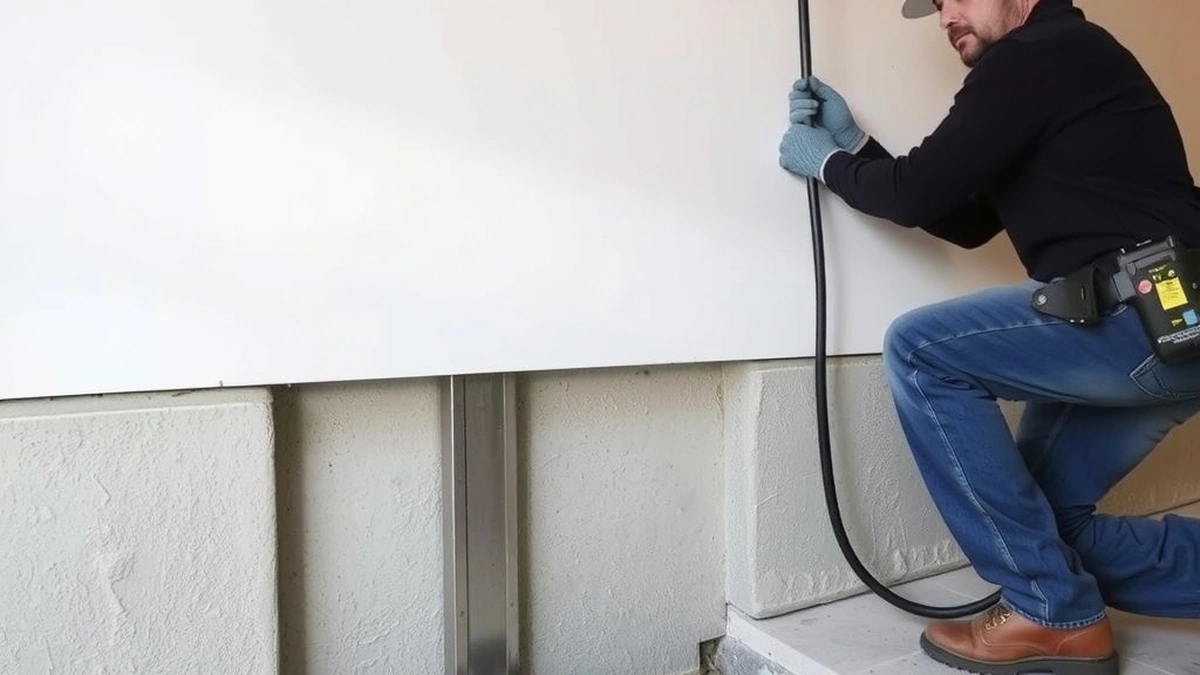
Piering transfers the weight of the foundation from heaved or weakened soil to deeper, stable bearing strata. Push piers are hydraulically driven sections of steel pipe. Helical piers are twisted into the ground like large screws. Both can lift and stabilize a foundation, though they do not always reverse every inch of movement.
Pier count and depth matter. A small porch might need four piers at 10 feet deep. A full perimeter might need 16 to 24 piers at 12 to 20 feet. At $1,000 to $3,000 per push pier, a 12-pier job ranges from $12,000 to $36,000 before excavation or finishing work. Most full pier jobs land between $6,000 and $30,000.
Pier warranties are commonly transferable and may last the lifetime of the structure, with a transfer fee typically between $100 and $500 if the home sells.
Slab Lifting for Floors and Porches
Frost heave often hits slabs harder than foundation walls. Garage floors, porch slabs, and basement floors can rise unevenly, then settle when the ice melts, leaving voids underneath.
Mudjacking pumps a cementitious grout under the slab to fill voids and raise it. At $3 to $8 per square foot, lifting a 500-square-foot garage slab costs roughly $1,500 to $4,000. Polyurethane foam injection costs $5 to $15 per square foot, or $2,500 to $7,500 for the same area, but it cures faster and adds less weight to weak soil.
Both methods are temporary compared with piering. Mudjacking typically lasts 5 to 15 years. If the underlying soil remains frost-susceptible and poorly drained, the slab can move again.
Managing Water and Soil Around the Foundation
Frost heave needs water. Reducing water near the foundation reduces the ice lens effect. Grading should slope away from the house at least 6 inches over the first 10 feet. Downspouts should discharge water at least 4 to 6 feet from the foundation. In crawl spaces, encapsulation at $3 to $8 per square foot, or $4,000 to $15,000 per job, limits moisture migration from the soil into the structure.
These measures do not reverse existing heave, but they can slow repeat cycles and protect a new repair.
Permits, Inspections, and Timing
Permit requirements vary by city and county, typically taking 1 to 3 weeks when required. Inspection lead times are usually 1 to 2 weeks. Schedule an engineer inspection before signing a repair contract, especially if cracks are wider than 1/8 inch or walls have moved toward the 2-inch limit. The inspection fee of $400 to $1,500 is a small fraction of a $6,000 to $30,000 pier job and helps confirm that the method matches the measured damage.
What Restoration Adds to Resale
Foundation repairs can restore roughly 10 to 25 percent of lost structural value, depending on the method and local market. A transferable lifetime pier warranty with a $100 to $500 transfer fee can help at resale. Cosmetic crack repair alone, such as epoxy or polyurethane injection, does not address soil movement and should not be sold as a structural fix when displacement is present.
Learn more about foundation repair cost ranges
See pier-and-beam foundation repair cost details
Review foundation crack repair cost options
Frost heave is a measurable physical process, not a mystery. Record crack width and displacement, confirm footing depth relative to the local frost line, and let those numbers drive the repair method and budget. Most homeowners spend between $4,000 and $15,000, but skipping the measurement step can turn a straightforward pier job into a $40,000 to $150,000 replacement.
Frequently asked questions
What is frost heave?
Frost heave occurs when water in soil freezes and expands, pushing upward on foundations and slabs with measurable pressure.
How do I know if frost heave damaged my foundation?
Look for new cracks wider than 1/8 inch, doors that stick, sloped floors, or separation between walls and floors after a freeze-thaw cycle.
Can frost heave be repaired without replacing the foundation?
Yes. Piering, slab lifting, and crack repair address movement and settlement in many cases, with full replacement reserved for foundations that have failed beyond roughly one-third of their structural capacity.
How much does piering cost?
Push piers run about $1,000 to $3,000 each and helical piers about $700 to $2,500 each, with full pier jobs typically landing between $6,000 and $30,000.
Is frost heave damage covered by homeowners insurance?
Coverage varies by policy and cause; sudden collapse from a covered peril may be included, but gradual soil expansion is often excluded, so check your declarations page.
How long does an inspection take to schedule?
Inspection lead times are typically 1 to 2 weeks, and permits vary by city and county, usually taking 1 to 3 weeks when required.
Sources
Some links are affiliate links.If you buy through them we may earn a commission at no extra cost to you. We do not accept payment for rankings. Read the full disclosure.