Horizontal Foundation Crack Repair: Methods That Hold
Horizontal cracks need restraint, not filler. Compare wall anchors at $500 to $1,500 each with carbon fibre straps at $400 to $1,200 each.
Horizontal foundation crack repair uses wall anchors at $500 to $1,500 each or carbon fibre straps at $400 to $1,200 each to resist the soil pressure that opened the crack. Injection alone does not hold a moving wall.
- Wall anchor each
- $500 - $1,500
- Carbon fibre strap
- $400 - $1,200
- Typical repair job
- $4,000 - $15,000
- Wall straightening
- $8,000 - $20,000
- Movement limit
- 2 inches
Some links on this page are affiliate links.If you buy through them we may earn a commission at no extra cost to you. We do not accept payment for rankings. Read the full disclosure.
Horizontal foundation crack repair works by resisting the force that opened the crack, not by filling it. Wall anchors and carbon fibre straps both do that, at $500 to $1,500 and $400 to $1,200 per unit respectively. Injection seals the opening afterward. A quote that offers only injection for a moving wall has the sequence backwards.
Why the Usual Fix Fails
A horizontal crack forms when soil pressure bends the wall inward and the concrete or mortar fails in tension. The crack is the visible result of a load that is still present. Filling it with hydraulic cement or epoxy addresses the opening, not the load, and the next wet season reopens it.
This is why horizontal cracks behave differently from vertical ones. A vertical shrinkage crack is usually dormant once the concrete has cured, so sealing it is a complete repair. A horizontal crack is active until the wall is restrained, so sealing it is cosmetic.
The Two Restraint Methods
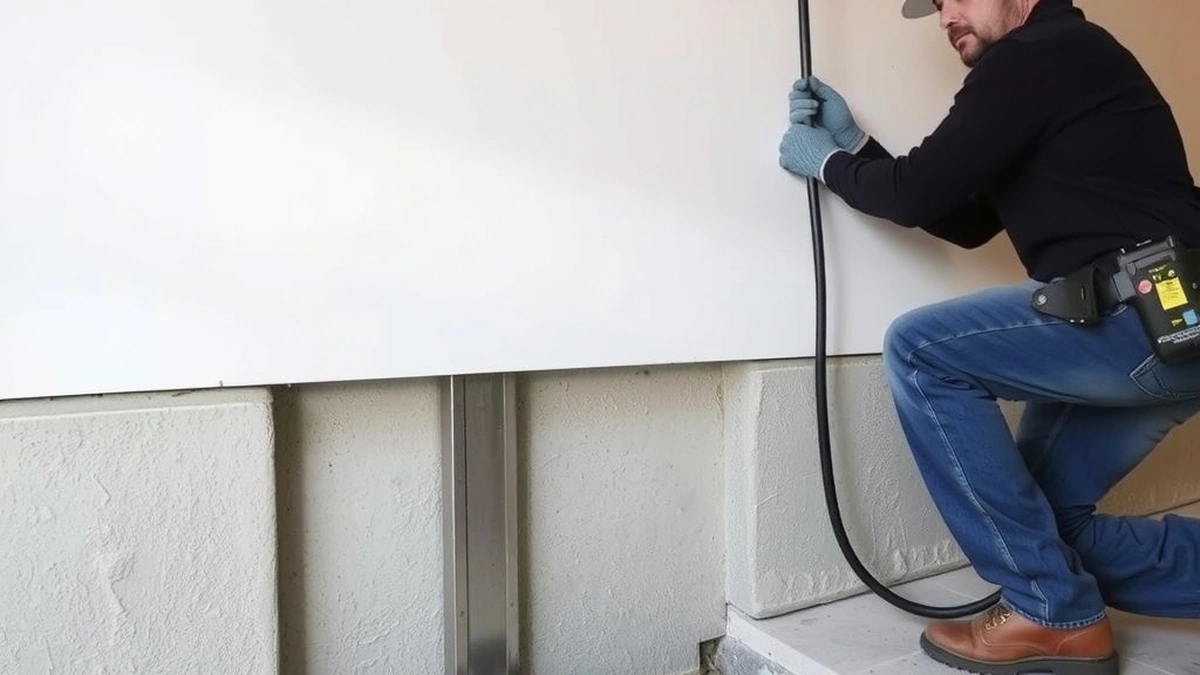
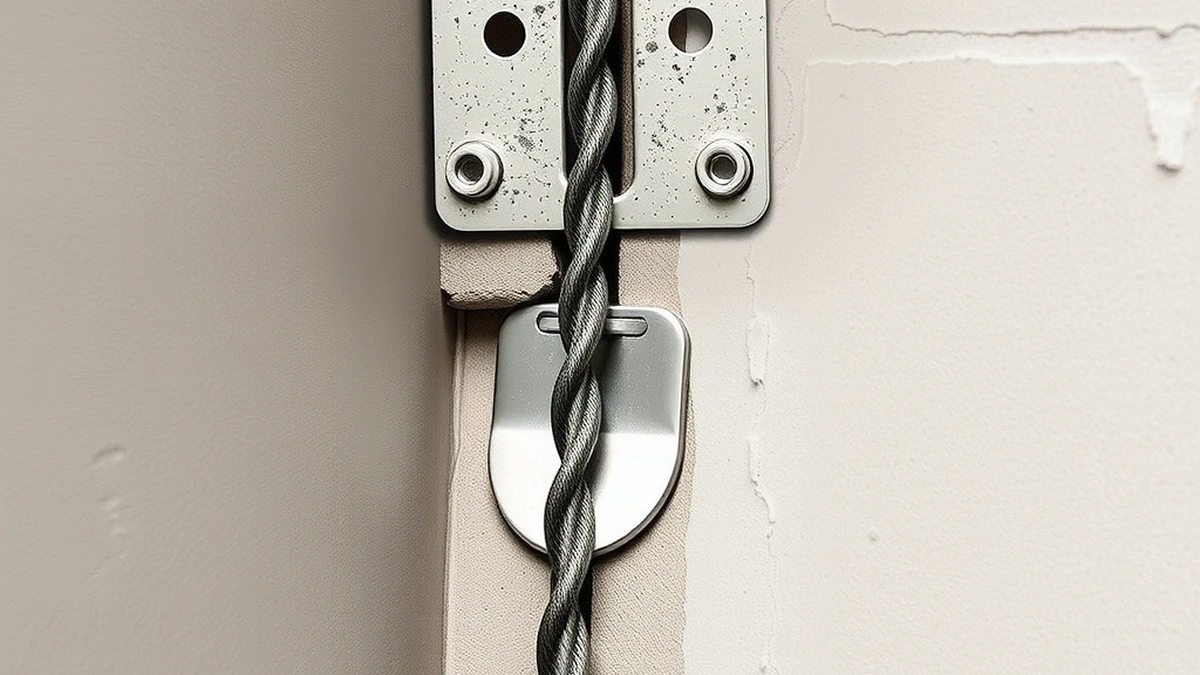
Wall anchors are installed by excavating small pits outside the wall, setting an anchor plate in stable soil, and running a steel rod through the wall to a plate on the inside face. Tightening the rod pulls the wall outward toward plumb and holds it against future pressure. Cost is $500 to $1,500 per anchor.
Carbon fibre straps are bonded vertically to the inside face with epoxy and anchored at the floor and the rim joist. They work in tension, which is exactly the capacity an unreinforced wall lacks. Cost is $400 to $1,200 per strap. They are common on block walls because they can be installed without exterior excavation.
Which Method Fits Which Wall
| Wall | Best method | Why |
|---|---|---|
| Poured concrete, active pressure | Wall anchors | Can be tensioned over time |
| Block, moderate bowing | Carbon fibre straps | Adds tensile capacity to joints |
| Block, severe bowing | Anchors plus straps | Restraint and reinforcement |
| Stone or rubble | Rebuild or buttress | No reliable bond for straps |
| Wall beyond 2 inches | Straightening or replacement | Restraint alone will not correct |
A poured wall that is bowing usually gets anchors because the rod can be tightened as the soil pressure changes. A block wall often gets straps because the mortar joints have no tensile strength and the strap bridges them. Many engineered repairs use both.
A Costed Repair
A 36-foot block wall has bowed 1.25 inches with a horizontal crack at 3/16 inch. The engineer specifies anchors at 6-foot spacing:
36 ÷ 6 = 6 anchors
At $1,100 each:
6 × $1,100 = $6,600
Add engineering at $900, injection of the crack at $700, and interior restoration at 10%:
$6,600 × 0.10 = $660
Total: $8,860. That sits in the $4,000 to $15,000 band and reflects the typical combination of restraint, sealing, and finish work.
Straightening Versus Restraining
| Approach | Cost | What it achieves |
|---|---|---|
| Anchors only | $4,000 - $15,000 | Stops movement, small correction |
| Anchors plus straightening | $8,000 - $20,000 | Returns wall toward plumb |
| Replacement of wall section | $20,000 - $40,000 | New wall where repair is not viable |
Straightening uses jacks and temporary reaction frames to push the wall back before anchoring it. It is worth doing when the wall is visibly bowed and the homeowner wants the basement usable, and it is not worth doing when the wall is close to plumb and the movement has stopped.
The Repair Sequence
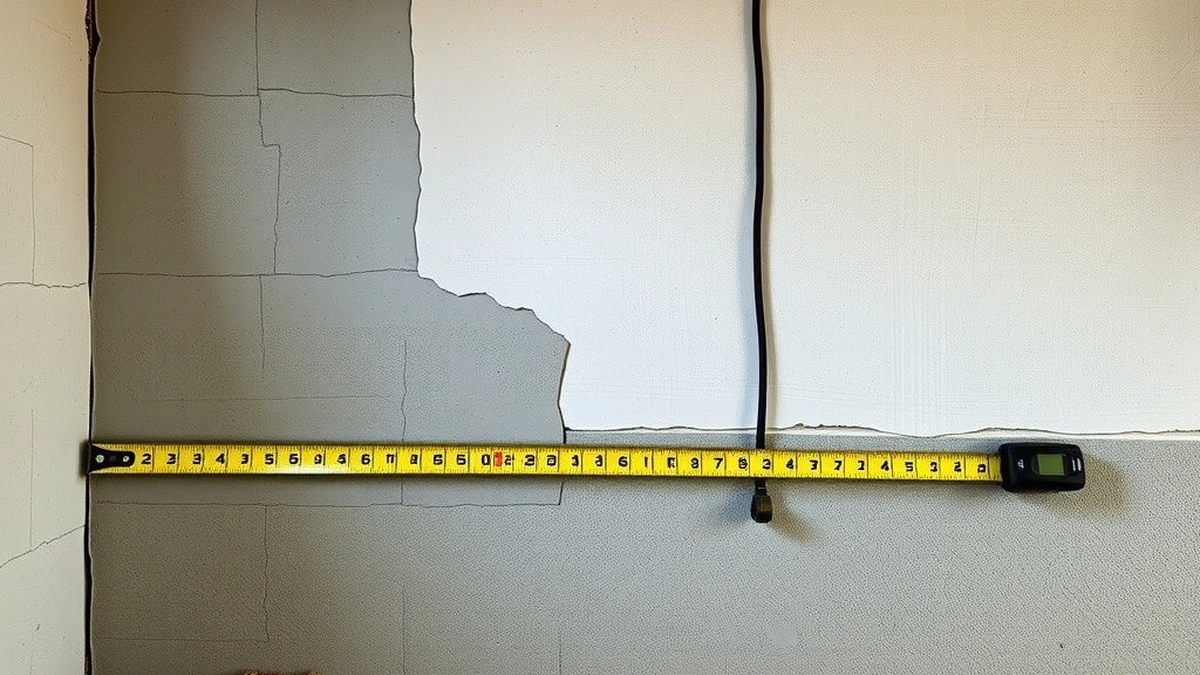
- Measure the crack and check wall plumb at three heights.
- Fix the water source: grading, downspouts, and footing drainage.
- Get an engineer’s design with anchor spacing and embedment depth.
- Excavate the anchor pits and install the plates and rods, or bond the straps.
- Tighten or verify, then inject the crack and finish the wall.
- Re-measure after one wet season and keep the readings.
What to Watch During the Job
Anchors must reach stable soil. If the anchor plate sits in the same fill that caused the problem, tightening the rod pulls the plate through the soil instead of pulling the wall back. Ask how the embedment depth was determined and whether the contractor verifies it.
Straps must be bonded to a clean, sound surface. Paint, efflorescence, and loose mortar have to be removed before the epoxy goes on, or the strap peels off under load. A crew that skips surface prep is saving an hour and costing the repair its strength. The same rule applies to the anchor plates: a plate bedded in loose backfill will move, and the wall will follow it.
After the Repair
Keep the water away from the wall. A repaired wall that is still receiving roof water and poor grading is being loaded the same way as before, and the anchors can only hold so much. Clean the gutters, extend the downspouts, and check the grade each fall.
For the diagnosis, read horizontal foundation cracks. For the method comparison, carbon fibre versus wall anchors and bowing walls repair cover the structural reasoning behind each choice.
Keep your measurement sheet after the repair. If the wall moves again in five years, the earlier readings are what tell an engineer whether the new anchors are holding or whether the soil condition has changed. A folder with dates, widths, and photographs is worth more than any verbal history you can give a future contractor.
Frequently asked questions
How is a horizontal foundation crack repaired?
By restraining the wall against the soil pressure that caused it. Wall anchors tie the wall to stable soil, and carbon fibre straps add tensile strength to the inside face. Injection is used afterward to seal the crack.
Can I just fill a horizontal crack?
No. Filling hides the crack while the wall keeps bending. The repair has to resist lateral load, which filler does not do, so the crack reopens under the next wet season.
How much does horizontal crack repair cost?
Wall anchors run $500 to $1,500 each and carbon fibre straps run $400 to $1,200 each. A typical bowing wall needs several, so most jobs land between $4,000 and $15,000.
When does a bowing wall need straightening instead?
When the wall has moved beyond about 2 inches, or when the wall is cracked through the units rather than the joints. Straightening runs $8,000 to $20,000 and may not be possible on a badly deteriorated wall.
Do I need an engineer for a horizontal crack?
Yes, once the crack reaches 1/8 inch or the wall is measurably out of plumb. The engineer sets the anchor spacing, the embedment depth, and the lift tolerance.
Will the repair make the wall straight again?
Anchors can pull a wall back toward plumb as they are tightened, but the goal is to stop movement, not to restore a perfectly straight wall. Cosmetic straightening is a separate decision.
Sources
Some links are affiliate links.If you buy through them we may earn a commission at no extra cost to you. We do not accept payment for rankings. Read the full disclosure.