Crack Injection Problems: Wet Cracks That Return
Injection fails on moving walls, wet cracks, and wide voids. See why a sealed crack reopens and what the repair really requires.
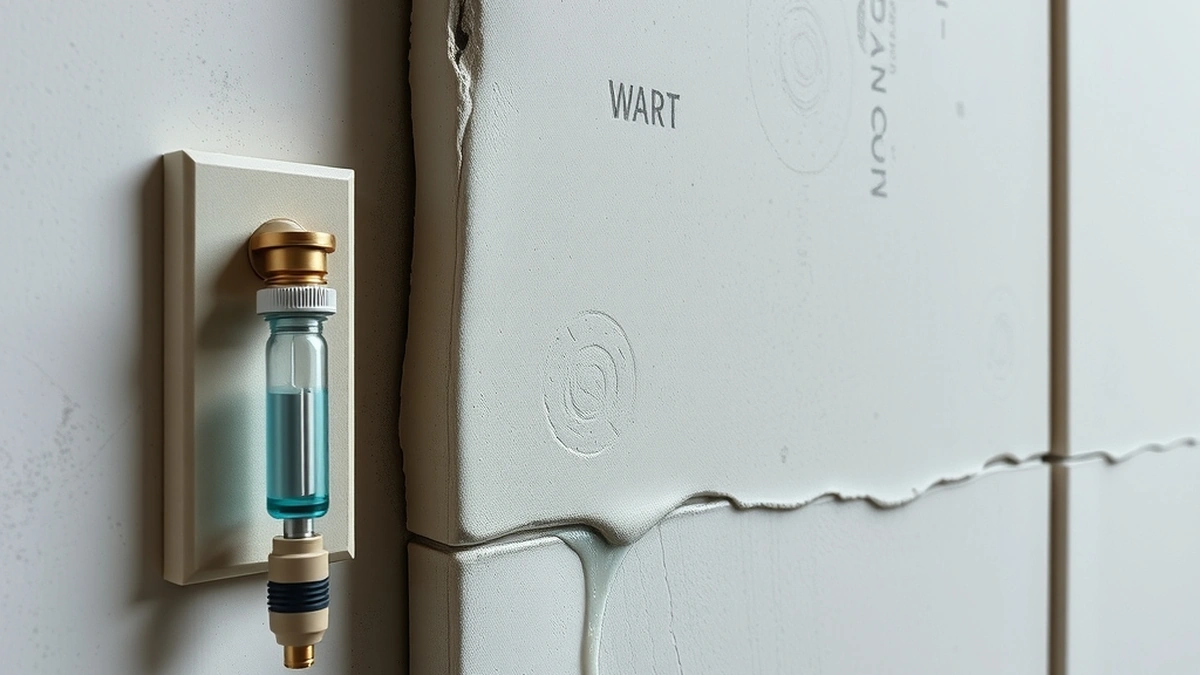
Crack injection problems include resealing a crack in a moving wall, injecting a wet crack with epoxy, missing a void behind the crack, and skimping on surface preparation. Injection costs $400 to $1,200 per crack.
- Cost per crack
- $400 - $1,200
- Typical failure
- Crack reopens
- Epoxy
- Dry structural cracks
- Polyurethane
- Wet cracks
- Engineering report
- $400 - $1,500
Some links on this page are affiliate links.If you buy through them we may earn a commission at no extra cost to you. We do not accept payment for rankings. Read the full disclosure.
Crack injection problems are usually diagnosis problems. The resin goes in, the crack looks sealed, and six months later the leak is back in the same place. The crack was never the problem; it was the path. Sealing the path without addressing the pressure is a repair that lasts until the next wet season.
The Wall Is Still Moving
Injection fills a crack. It does not stop a wall from bending. If the wall is bowing, the crack is a symptom of a load that is still present, and the injection will be undone by the next increment of movement.
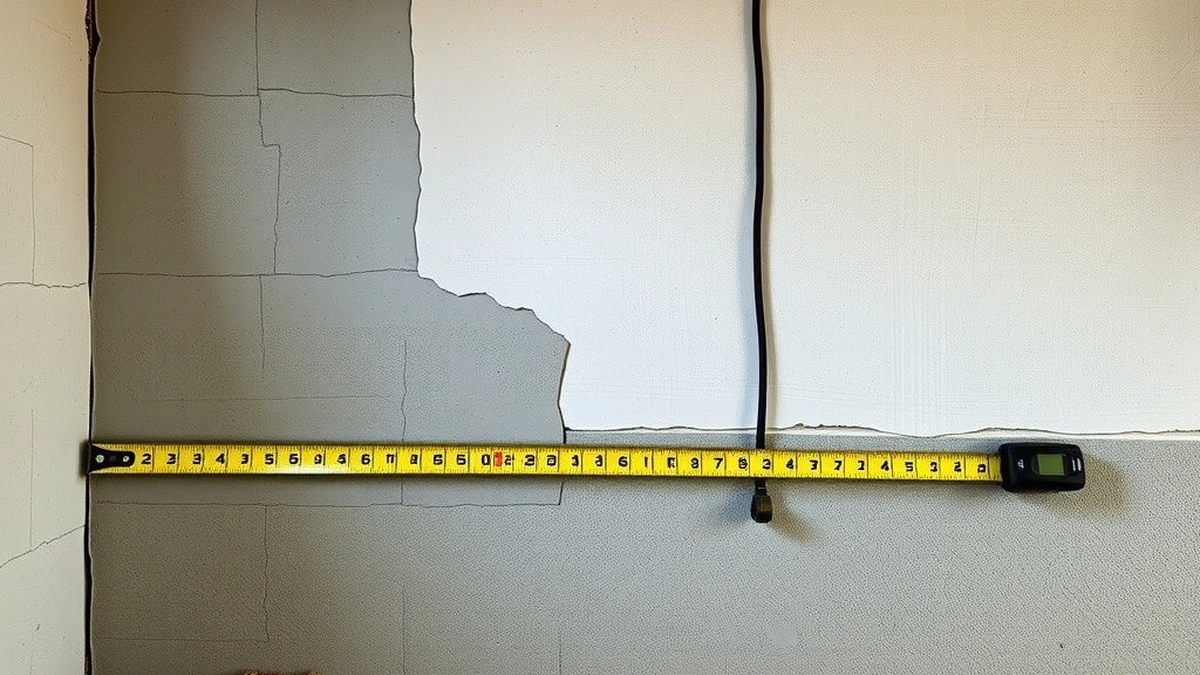
The test is a level against the wall and a measurement of the crack over a month, taken at the same point with the same gauge. A crack that widens while a level shows the wall out of plumb is a movement crack, and movement needs restraint before sealing.
The Wrong Resin
| Condition | Right resin | Wrong resin |
|---|---|---|
| Dry structural crack | Epoxy | Polyurethane |
| Wet, seeping crack | Polyurethane | Epoxy |
| Crack with minor movement | Polyurethane | Rigid epoxy |
| Cold joint leak | Polyurethane | Surface sealant |
Epoxy needs a relatively dry surface to bond. Applied to a wet crack, it can foam, fail to cure, or bond only to the water. Polyurethane is designed for wet conditions and is the correct choice for an active leak.
Incomplete Filling
A crack is not a flat line; it has depth and sometimes a void behind it. If the resin reaches only the surface, the crack is sealed at the face and open behind it, and water finds the opening.
Ports spaced too far apart, or injection stopped when resin appears at the surface rather than at the next port, produce this result. The surface is the easiest place for resin to escape and the last place it should appear. The fix is a proper port pattern and patience during injection.
Surface Preparation
The seal between the ports has to hold pressure. If the surface is dirty, painted, or damp, the seal fails and the resin escapes before it reaches the depth of the crack.
A crew that skips cleaning is saving minutes and losing the repair. On a painted wall, the seal has to bond to concrete, not to paint. The wall should be wire-brushed and dusted before the ports are bonded.
A Costed Failure
A crack injected for $800 that reopens in the same place a year later. The second repair with polyurethane and a drainage correction:
Injection: $700 Drainage: $2,000
Total second spend: $2,700
The first $800 is gone, and the drainage would have prevented both.
What the Water Is Doing
Water enters a basement through a crack because the pressure outside the wall is higher than the pressure inside. That pressure comes from saturated soil, and saturated soil is a site condition rather than a wall condition. This is why the same crack can be dry for two years and then weep for a month.
The amount of water matters less than the path. A crack that weeps during every storm is connected to a direct route from the roof or the grade. A crack that stays damp in dry weather is connected to groundwater. The two need different repairs, and the injection is only the final step in either case.
A homeowner can trace the route without tools. Watch the crack during a heavy rain, then again the next day, then again after a dry week. The pattern tells you whether the water is arriving from above or pushing from below, and that answer determines whether the fix is a downspout or a drain.
Injection works on stable cracks in sound walls, with a defined width and a water source that is understood. It does not work on a moving wall, a crumbled wall, or a crack with significant displacement, and those three conditions account for most of the failures homeowners complain about.
A crack that is sealed but still weeping is often a sign that the injection reached the face but not the depth, and a second attempt with more ports and a thinner resin sometimes works. It is not a guarantee, and the homeowner should be told that before the second invoice.
It also does not restore structural capacity. Epoxy bonds the faces, but the wall’s overall strength depends on its thickness, reinforcement, and restraint. Injection is a seal, not a rebuild.
The Sequence to Avoid Problems
- Measure the crack and record the width.
- Check the wall for plumb and movement.
- Find the water source and correct it.
- Choose epoxy or polyurethane based on moisture.
- Install ports at the correct spacing.
- Inject from the bottom up, watching for resin at the next port.
- Recheck after one wet season.
Checklist Before You Book
Ask which resin and why. Ask how the crack width was measured and whether the wall is moving. Ask whether the water source will be addressed. Ask for a warranty in writing, and expect a one-year term on a crack in a wall that has not been stabilized.
For the cost detail, read what crack injection costs and how crack injection works. If the crack is horizontal, horizontal foundation crack repair explains why restraint comes first.
Frequently asked questions
Why does my injected crack still leak?
The crack may not have been filled for its full depth, the resin may be the wrong type for a wet crack, or the wall may still be moving and has opened a new path.
Can you inject a crack that is actively leaking?
Yes, with polyurethane, which reacts with water and foams. Epoxy needs a drier crack to bond properly.
How long does crack injection last?
A stable crack can stay sealed for the life of the wall. A crack in a moving wall can reopen within a season.
Is injection a structural repair?
Epoxy restores some continuity across a crack, but injection does not restore the wall's overall capacity. A bowing wall needs restraint.
Why did my injection fail in the same place?
The water source was not addressed, so the pressure that opened the crack is still present and found the same weak path.
Can I inject a wide crack?
Cracks up to about a quarter inch can be injected. Wider cracks, or cracks with displacement, need a different repair.
Sources
Some links are affiliate links.If you buy through them we may earn a commission at no extra cost to you. We do not accept payment for rankings. Read the full disclosure.