Bowing Basement Guide
How to measure bowing basement walls, compare repair methods, and understand costs without contractor pressure.
Bowing basement walls are measured by inward displacement and crack width; repairs range from carbon fiber straps to wall anchors or full replacement depending on severity.
- Typical repair cost
- $4,000–$15,000
- Major repair or replacement
- $20,000–$150,000
- Movement limit before replacement
- 2 inches
- Engineer inspection
- $400–$1,500
Some links on this page are affiliate links.If you buy through them we may earn a commission at no extra cost to you. We do not accept payment for rankings. Read the full disclosure.
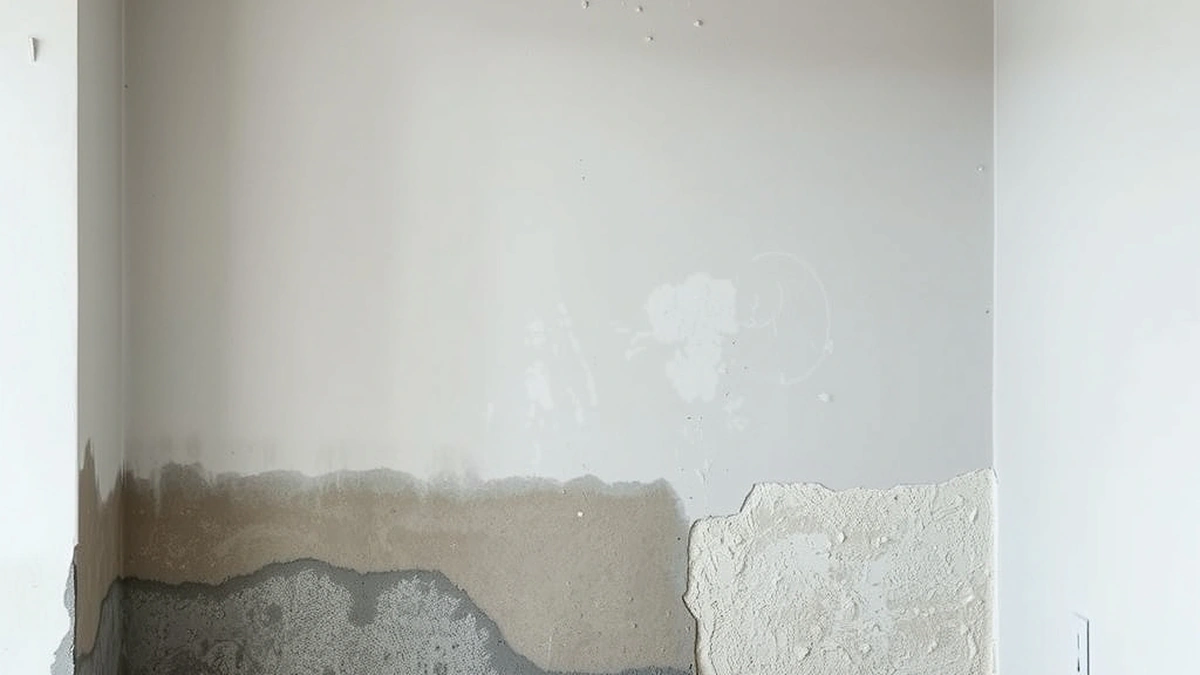
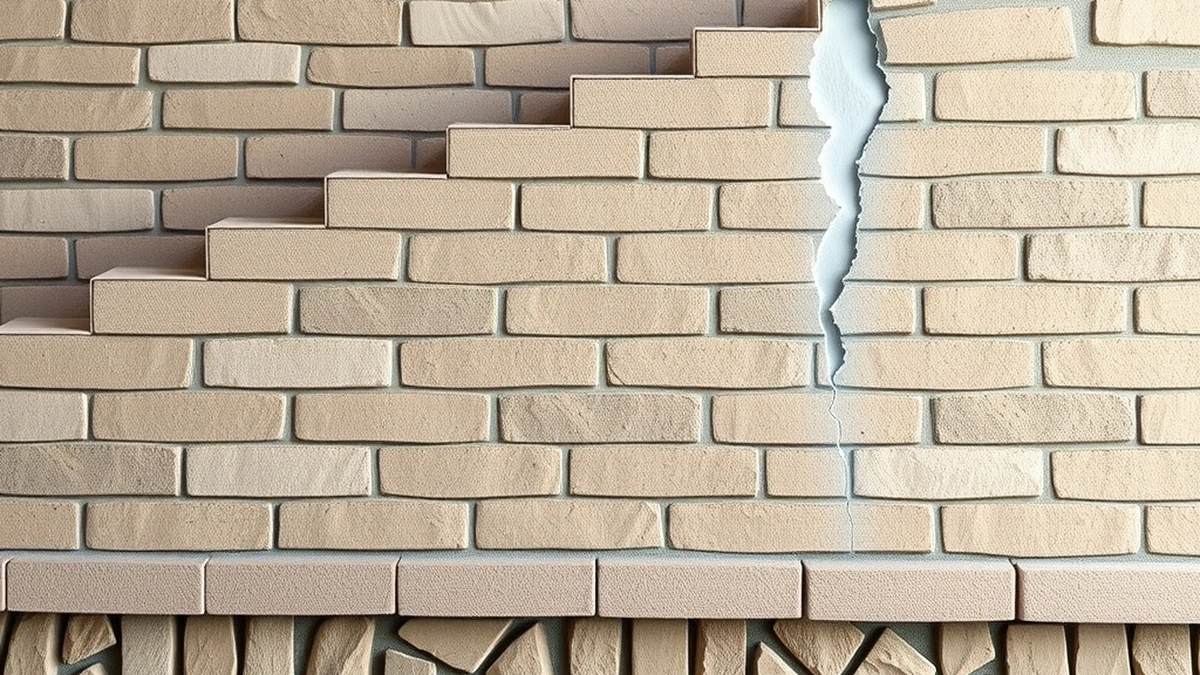
Bowing basement walls are foundation walls that have moved inward from their original vertical plane. The condition is measured by crack width, horizontal displacement, and the extent of movement relative to the wall’s height. Repair decisions depend on those measurements, not on the age of the home or the type of finish in the basement.
What Causes Basement Walls to Bow
Basement walls act as retaining walls. They hold back soil, and when that soil expands or becomes saturated, it exerts lateral pressure against the foundation. Common contributors include:
- Poor surface drainage that directs water toward the foundation
- Clogged or missing gutters and downspouts
- Expansive clay soils that swell when wet
- Hydrostatic pressure from a high water table
- Frost heave in cold climates
- Backfill placed too heavily or too soon during construction
Pressure builds gradually. A wall may bow only a fraction of an inch per year, which is why early cracks are often dismissed as cosmetic until movement becomes visible.
How to Measure Bowing and Cracks
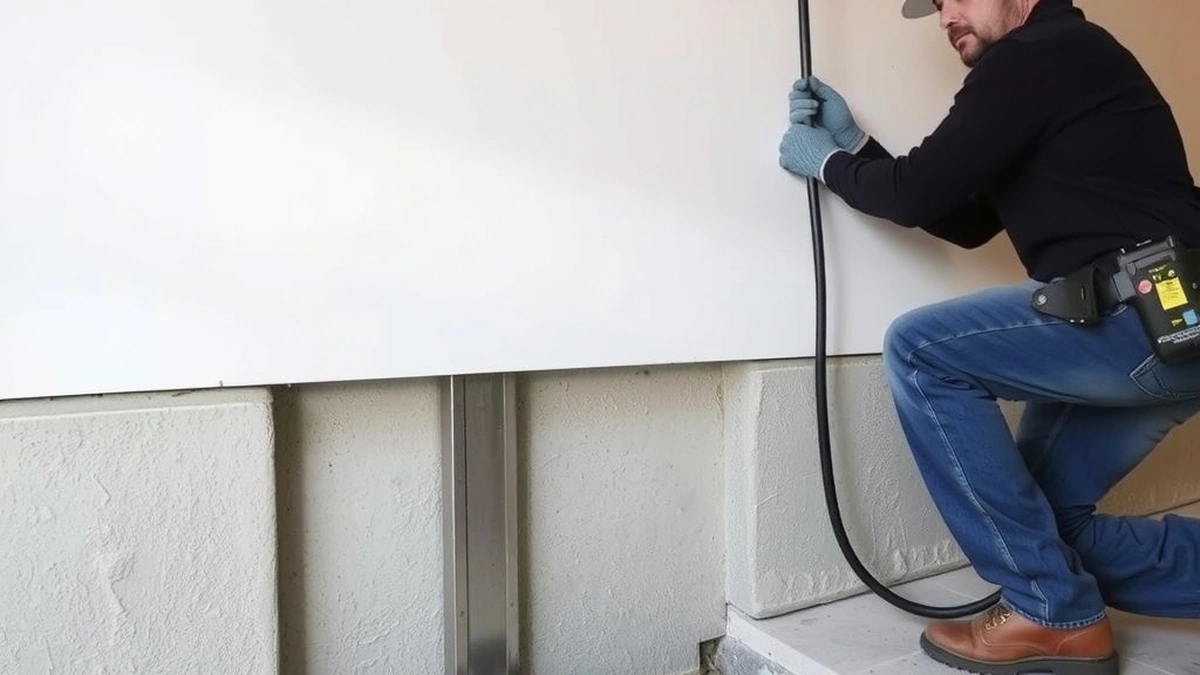
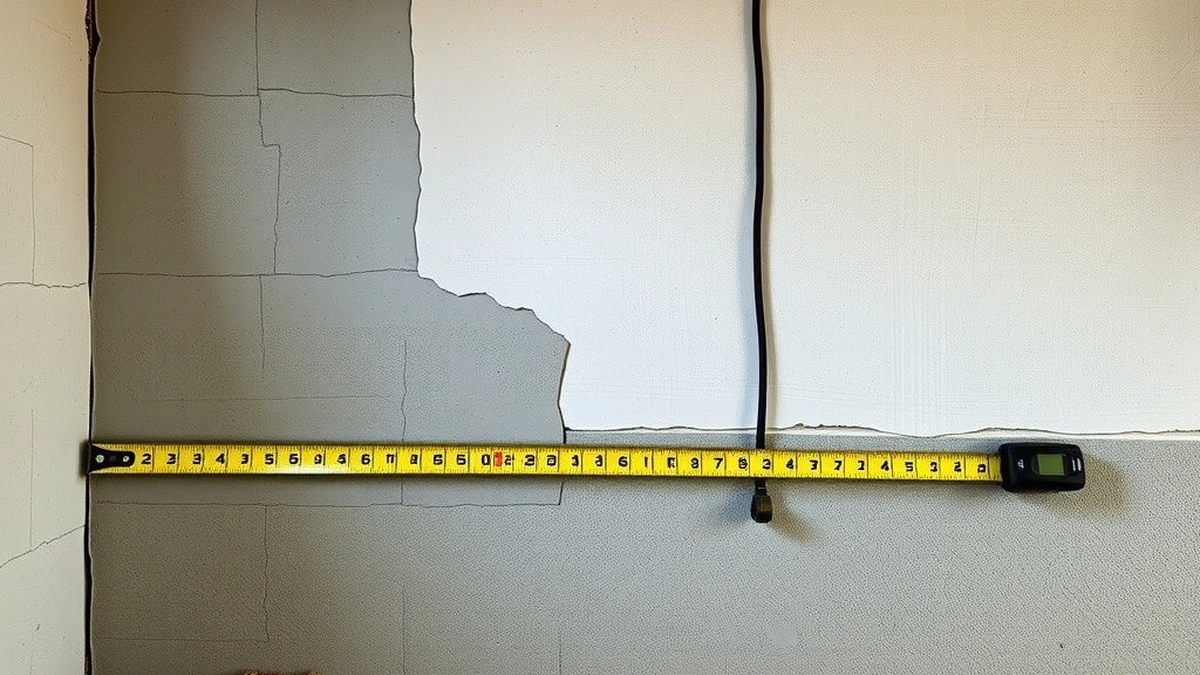
Measure before you choose a method. Use a straightedge, level, or string line stretched across the wall to determine the maximum inward displacement. Measure crack width at the widest point with a crack gauge or feeler gauge.
Reference thresholds:
- Hairline crack: up to 1/16 inch. Generally cosmetic.
- Watch crack: 1/8 inch. Monitor over time; may indicate movement.
- Structural concern: movement approaching 2 inches. At this point, replacement is often considered.
To estimate displacement, measure from the string line to the wall at the point of greatest bow. Record the measurement in inches and re-check it every six months. If the number increases, the wall is still moving and reinforcement alone may not be sufficient.
Repair Methods and Costs
Repair options range from surface reinforcement to full wall replacement. Costs below are estimates and vary by region, wall length, access, and labor rates.
| Method | Typical Unit Cost | Best For |
|---|---|---|
| Carbon fiber straps | $400–$1,200 each | Minimal bowing, stable walls |
| Wall anchors | $500–$1,500 each | Moderate inward movement |
| Push piers | $1,000–$3,000 each | Settlement-related wall stress |
| Helical piers | $700–$2,500 each | Tension anchoring in weak soil |
| Full wall replacement | $40,000–$150,000 | Failed walls, over 2 inches of movement |
Carbon fiber straps are bonded to the wall with epoxy and anchored at the top and bottom. A typical basement might require six to ten straps. At $400–$1,200 each, material and installation for a standard job could fall between $2,400 and $12,000, though total project pricing depends on wall length and strap count.
Wall anchors consist of an interior plate, an exterior anchor placed in undisturbed soil, and a connecting rod. They are tightened over time to pull the wall back toward its original position. If a wall requires eight anchors at $500–$1,500 each, the anchor hardware alone represents $4,000–$12,000, not including excavation or interior finishing repairs.
Push piers and helical piers are more commonly used for settlement, but they can be part of a wall stabilization plan when footing movement contributes to wall stress. A pier job typically runs $6,000–$30,000 depending on pier count and depth to bearing soil.
Full replacement is the last resort. It involves excavating around the wall, supporting the structure, removing the damaged wall, and pouring a new foundation wall. At $40,000–$150,000, replacement costs roughly two to ten times the average repair job of $4,000–$15,000.
When to Repair Versus Replace
A wall that has bowed less than 2 inches and shows stable cracking is usually a candidate for reinforcement. Carbon fiber straps or wall anchors can arrest movement if the underlying drainage problem is also corrected.
Replace the wall when:
- Inward movement exceeds 2 inches
- The wall has failed structurally, often defined as loss of load-bearing capacity around one-third of its section
- Cracks are wide, shifting, or accompanied by shear failure at the corners
- Previous repairs have not stopped movement
Restoration of a repaired wall typically recovers 10–25 percent of its original structural value, depending on the method and condition. That is a reason to treat bowing as a measurement problem, not a cosmetic one.
Drainage and Water Management
Repairing the wall without fixing water management is likely to fail. Exterior grading should slope away from the foundation at a minimum of 5 percent for the first 10 feet. Downspouts should discharge at least 4–6 feet from the wall. Interior drain tile and sump pumps manage hydrostatic pressure but do not replace structural repair when movement has already occurred.
Mudjacking and poly foam lifting are slab-leveling techniques, not wall repair methods. Mudjacking costs $3–$8 per square foot and poly foam costs $5–$15 per square foot, but neither addresses lateral wall pressure. Do not use them as substitutes for wall anchors or carbon fiber reinforcement.
Permits, Inspections, and Timing
Permit requirements vary by city and county and typically take 1–3 weeks. An engineer inspection costs $400–$1,500 and usually has a lead time of 1–2 weeks. The inspection should produce a measured plan: crack widths, displacement in inches, recommended pier count if applicable, and depth to bearing soil.
Warranties vary by contractor and product. Pier warranties are often lifetime and transferable, with a transfer fee of $100–$500. Wall anchor and carbon fiber warranties depend on the manufacturer and installer. Ask for the warranty terms in writing before signing a contract.
What to Expect From a Professional Assessment
A structural engineer or qualified foundation inspector should measure the wall, document crack patterns, check drainage conditions, and recommend a repair scope based on measurements rather than sales incentives. The report should include:
- Maximum inward displacement in inches
- Crack width and location
- Soil and drainage observations
- Recommended repair method and quantity
- Estimated cost range
Use that report to compare contractors. If one contractor suggests wall anchors and another suggests full replacement for the same 1-inch bow, seek a third opinion. Measurement should drive method, and price should come third.
Monitoring After Repair
After straps or anchors are installed, monitor the wall every six months for two years. Measure the same points used in the original inspection. If displacement stops and cracks do not widen, the repair is holding. If movement continues, the underlying cause was not addressed or the repair method was insufficient for the load.
Bowing basement walls are a structural condition, not a finishing problem. Measure the movement, correct the drainage, and choose a repair method matched to the measured displacement.
Next, compare foundation repair cost, pier and beam foundation repair cost, foundation crack repair cost before you commit.
Frequently asked questions
What causes basement walls to bow?
Lateral soil pressure, hydrostatic pressure from saturated soil, poor drainage, and frost heave can push foundation walls inward over time.
How much bowing is too much?
Walls moving more than 2 inches inward generally indicate structural failure and may require replacement rather than reinforcement.
Do carbon fiber straps stop wall movement?
Carbon fiber straps can stabilize walls with minimal inward movement, typically less than 2 inches, when bonded to the wall and anchored at top and bottom.
Are wall anchors cheaper than replacing a wall?
Yes. Wall anchors cost $500–$1,500 each, while full wall replacement can run $40,000–$150,000 depending on size and access.
Do I need a permit for basement wall repair?
Permit requirements vary by city and county and typically take 1–3 weeks to obtain; check with your local building department before starting work.
How long does an inspection take to schedule?
Engineer inspections usually have a lead time of 1–2 weeks and cost $400–$1,500.
Sources
Some links are affiliate links.If you buy through them we may earn a commission at no extra cost to you. We do not accept payment for rankings. Read the full disclosure.