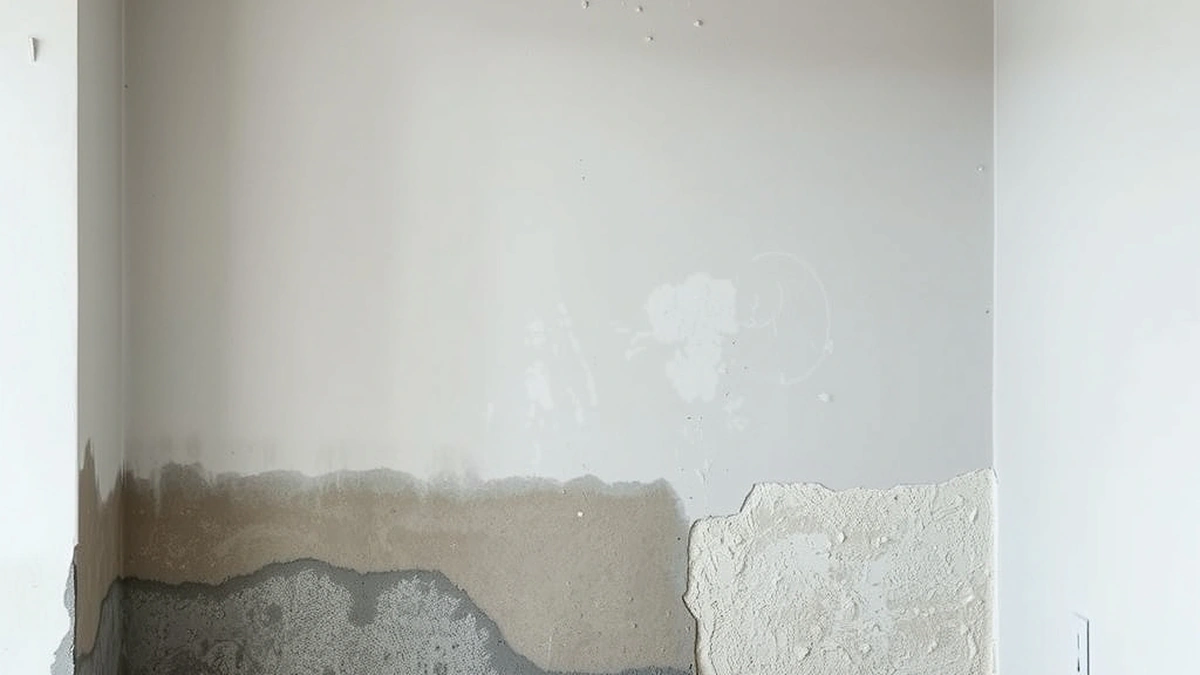
Bowing Walls Repair: What It Costs and How to Fix
Practical guide to bowing walls repair costs, methods, and when to act.
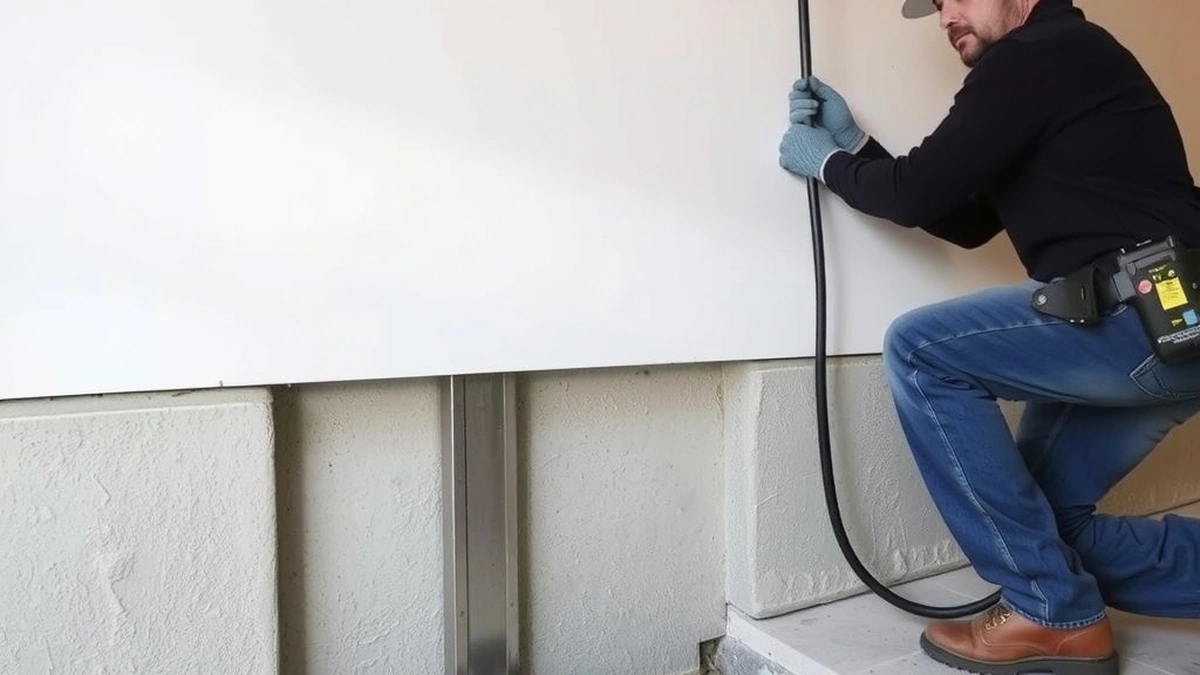
Bowing walls typically cost $4,000–$15,000 to repair, depending on method. Push piers or helical piers are common fixes.
- Typical range
- Varies by system and site
- First step
- Measure the space and confirm the load
- Professional help
- Recommended for structural or electrical work
Some links on this page are affiliate links.If you buy through them we may earn a commission at no extra cost to you. We do not accept payment for rankings. Read the full disclosure.
Bowing Walls Repair: What It Costs and How to Fix
Bowing walls are a common foundation problem caused by lateral forces pushing the wall away from vertical. The typical repair cost ranges from $4,000 to $15,000, depending on the method chosen and how far the wall has moved. Here’s what you need to know about diagnosing, fixing, and budgeting for bowed walls.
Diagnosing Bowed Walls
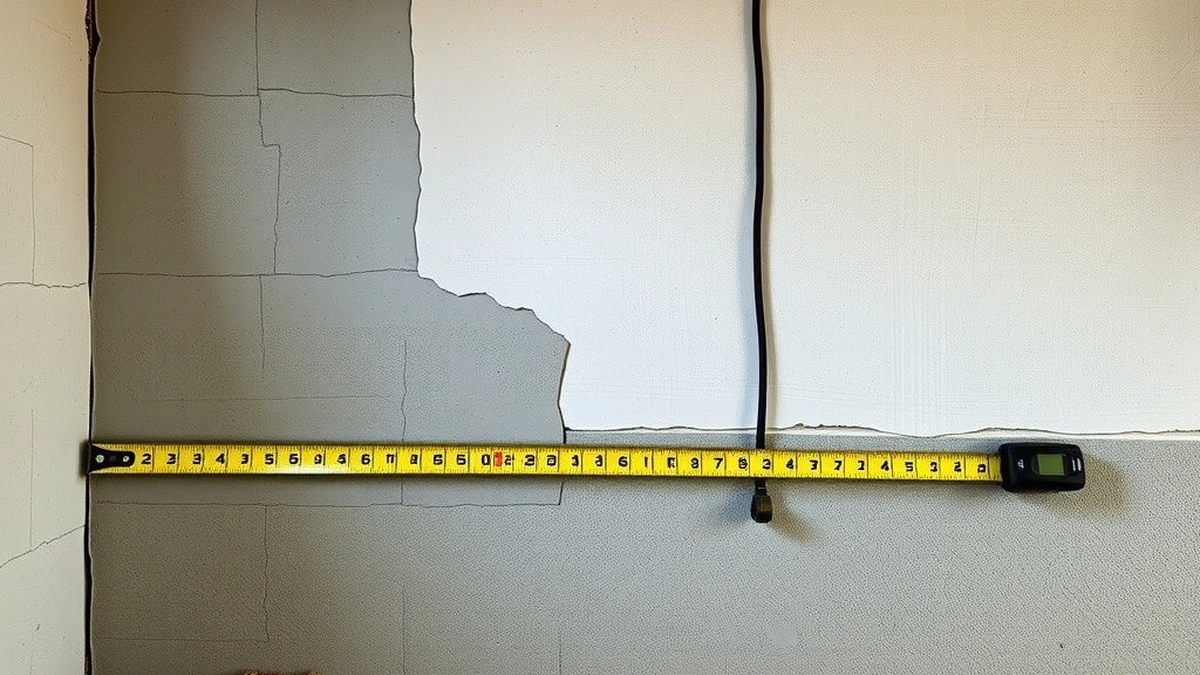
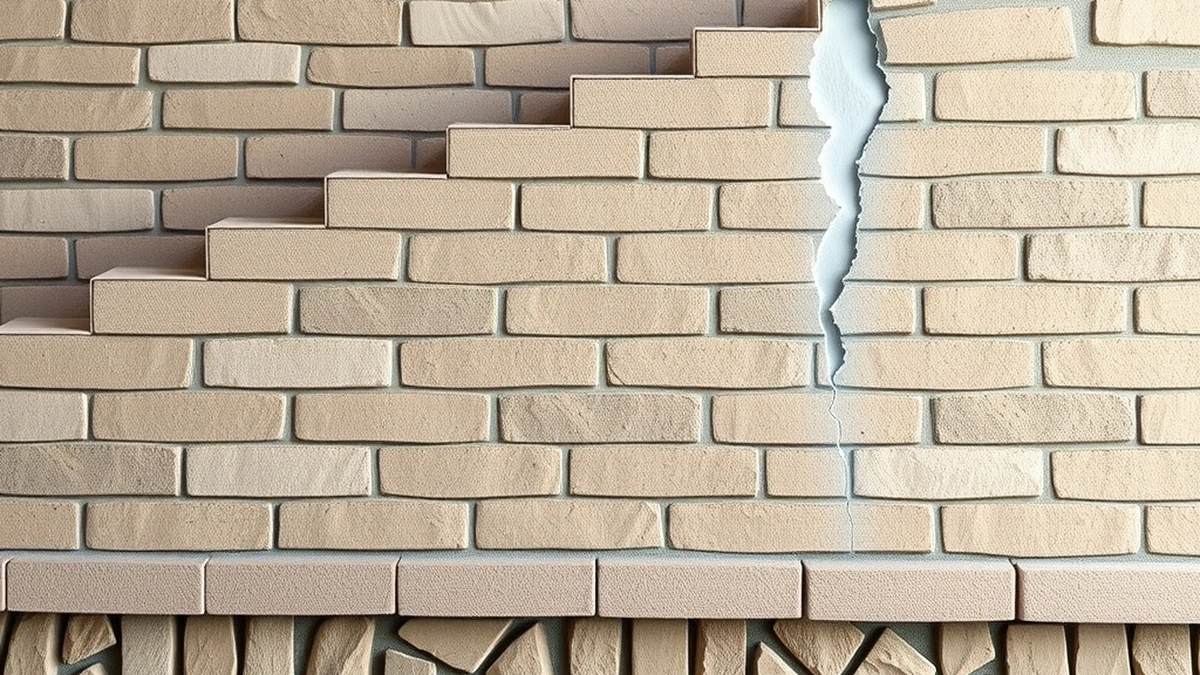
The first step is measurement. Record the width of any visible crack and the displacement—the horizontal distance the wall has shifted from true vertical. A crack wider than 1/8 inch and displacement greater than 1/8 inch usually indicates active movement requiring professional intervention. An engineer inspection ($400–$1,500) confirms the diagnosis and determines the number of piers needed based on the depth to bearing and the load each pier must support.
Measure the wall’s lean with a level and tape measure. Compare the measured lean to the original design spec. If the wall has moved more than 2 inches from vertical, the repair will be more involved and expensive. Document everything: photos, measurements, and a written report from the inspector.
Why Walls Bow
Walls bow because soil pressure pushes against them. Hydrostatic pressure from water accumulation behind the wall adds lateral force. Poor grading or drainage allows water to build up, increasing the load on the foundation. Settlement of underlying soils can also shift the wall out of plumb over time. In older homes with clay soils, seasonal moisture changes cause repeated expansion and contraction, which gradually pushes the wall outward.
Repair Methods Compared
Different bowed walls call for different solutions. The right choice depends on the severity of the bow, the wall material, and your budget. Below is a comparison of common repair methods.
| Method | Unit Price | Typical Job Cost | Best For | Lifespan | Warranty |
|---|---|---|---|---|---|
| Push Pier | $1,000–$3,000 each | $6,000–$30,000 | Severe bow, load-bearing walls | Lifetime (transferable) | Lifetime transferable |
| Helical Pier | $700–$2,500 each | $6,000–$30,000 | Moderate bow, residential basements | 20+ years | Varies |
| Wall Anchor | $500–$1,500 each | $3,000–$15,000 | Cosmetic bow, non-load-bearing | 10–20 years | Varies |
| Carbon Fiber Strap | $400–$1,200 each | $2,000–$8,000 | Minor bow, cosmetic correction | 10–20 years | Varies |
| Mudjacking | $3–$8 per sq ft | $4,000–$15,000 | Slab settlement, minor wall shift | 5–15 years | Limited |
| Polyurethane Foam Injection | $5–$15 per sq ft | $4,000–$15,000 | Cosmetic fill, water barrier | 10–20 years | Varies |
For severe bowing where the wall has moved significantly, push piers or helical piers are the most reliable options. For cosmetic issues with minimal movement, carbon fiber straps or foam injection may suffice.
Cost Breakdown
Costs add up quickly, so start with an estimate based on your measurements. Here’s an example calculation for a typical bowed basement wall.
Suppose you find a 1/4-inch wide crack and 1/2-inch displacement. An engineer determines that four push piers are needed, each priced at $2,000. The total pier cost is 4 × $2,000 = $8,000. Add a $3,000 job overhead for labor, materials, and permits, bringing the total to $11,000. That falls squarely in the $4,000–$15,000 range for bowing walls repair.
If you choose helical piers instead, you might need six units at $1,200 each: 6 × $1,200 = $7,200. With $2,500 in job costs, the total is $9,700—still within the same budget bracket. For cosmetic bowing with less displacement, a single carbon fiber strap ($800) plus a mudjacking job ($6,000) could total $6,800.
Remember that these are estimates. Actual costs depend on local labor rates, site conditions, and whether you need additional services like crawl space encapsulation or slab lifting.
When to Act
Act early. Once displacement exceeds 2 inches or crack width surpasses 1/8 inch, the wall is actively failing. At that point, replacement becomes an option, but replacement costs $40,000–$150,000—far above the repair range. If more than 33% of the wall has failed structurally, restoration (replacing or rebuilding the wall section) may be necessary, which typically costs 10–25% of the structural replacement value.
Keep monitoring the wall. New cracks appearing near existing ones, or new horizontal cracks, signal ongoing movement. If you see these signs, schedule an inspection promptly.
Choosing a Contractor
Pick a contractor who measures first and discusses methods second. Avoid companies that quote only one option or pressure you into immediate decisions. Ask about warranty transfer fees ($100–$500), because transferring a lifetime pier warranty to a new owner can save thousands down the road. A reputable contractor should provide a written, itemized estimate and explain the warranty terms clearly.
Before signing, request references and check online reviews. Verify that the contractor holds proper licensing in your state and locality.
Next Steps
After hiring a contractor, allow 1–2 weeks for an inspection lead time before work begins. Permits typically take 1–3 weeks to process, depending on your city and county. During the repair, expect some disruption to your home—pier installation involves drilling through concrete or stone, which requires temporary shoring. Plan accordingly.
Once the repair is complete, monitor the wall over the following months. If new movement appears, contact your contractor for follow-up assessment. Properly executed bowed walls repair can stabilize the structure for decades, protecting your investment and keeping your home safe.
Next, compare foundation repair cost, pier and beam foundation repair cost, foundation crack repair cost before you commit.
Frequently asked questions
What causes a wall to bow?
Lateral soil pressure, hydrostatic pressure, poor drainage, or foundation settlement can push a wall out of plumb.
How much does it cost to fix a bowed wall?
Typically $4,000–$15,000, depending on severity and method.
Is push pier or helical pier better for bowed walls?
Both work; push piers are stronger but pricier, helical piers are faster and cheaper.
How long do repair methods last?
Push piers have lifetime transferable warranties; mudjacking lasts 5–15 years.
Do I need permits for this repair?
Usually yes, varying by city/county; typically 1–3 weeks.
How long before I can walk on a repaired wall?
Most repairs settle in 2–4 weeks; avoid heavy loads until fully cured.
Sources
Some links are affiliate links.If you buy through them we may earn a commission at no extra cost to you. We do not accept payment for rankings. Read the full disclosure.