Expansive Clay Soil and Foundation Movement
How expansive clay soil causes foundation movement, how to measure it, and what repair options typically cost.
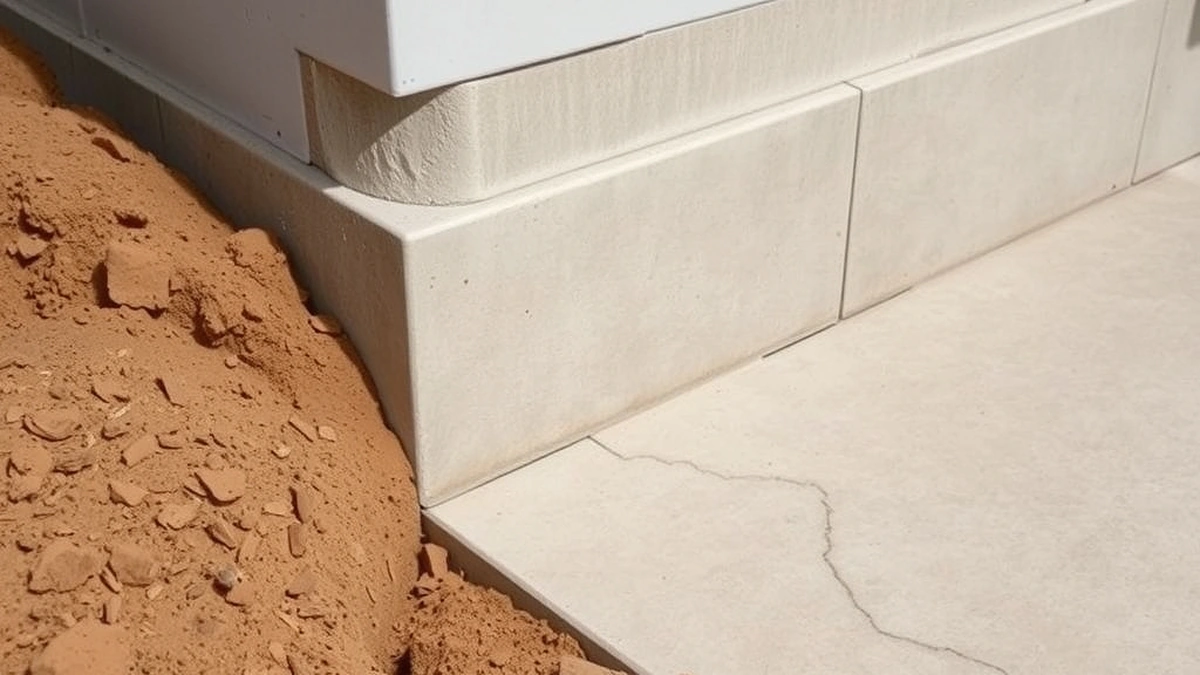
Expansive clay soil swells when wet and shrinks when dry, causing foundations to shift, crack, and settle unevenly; measurement comes before any repair method or price.
- Typical crack to watch
- 1/8 inch or wider
- Wall movement limit
- 2 inches
- Average repair cost
- $4,000–$15,000
- Major repair cost
- $20,000–$40,000
- Engineer inspection
- $400–$1,500
Some links on this page are affiliate links.If you buy through them we may earn a commission at no extra cost to you. We do not accept payment for rankings. Read the full disclosure.
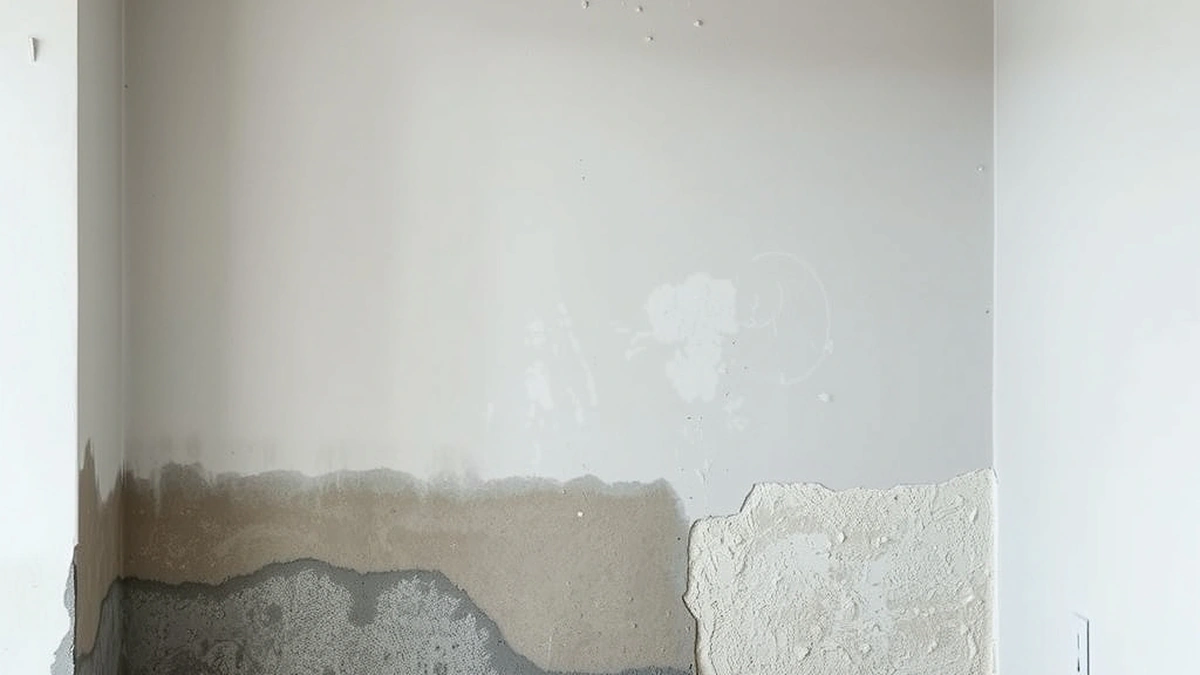
Expansive clay soil causes foundation movement by swelling when wet and shrinking when dry. That repeated volume change pushes on slabs, beams, and walls, leading to cracks, uneven floors, and sticking doors. Measure crack width and displacement first, then choose a repair method, then price the work.
How Expansive Clay Soil Moves Foundations
Clay particles absorb water and expand, sometimes by a measurable percentage of soil volume. During wet seasons, the soil pushes upward against footings and slabs. During dry seasons, it contracts and leaves voids. A foundation resting on that soil moves with it, but rarely evenly. One corner may settle while another lifts, producing differential movement that cracks concrete and twists framing.
The cycle repeats year after year. Without intervention, small cracks widen and doors that once closed freely begin to stick. The damage is cumulative, not sudden, which is why early measurement matters more than immediate repair.
Measure Before You Method
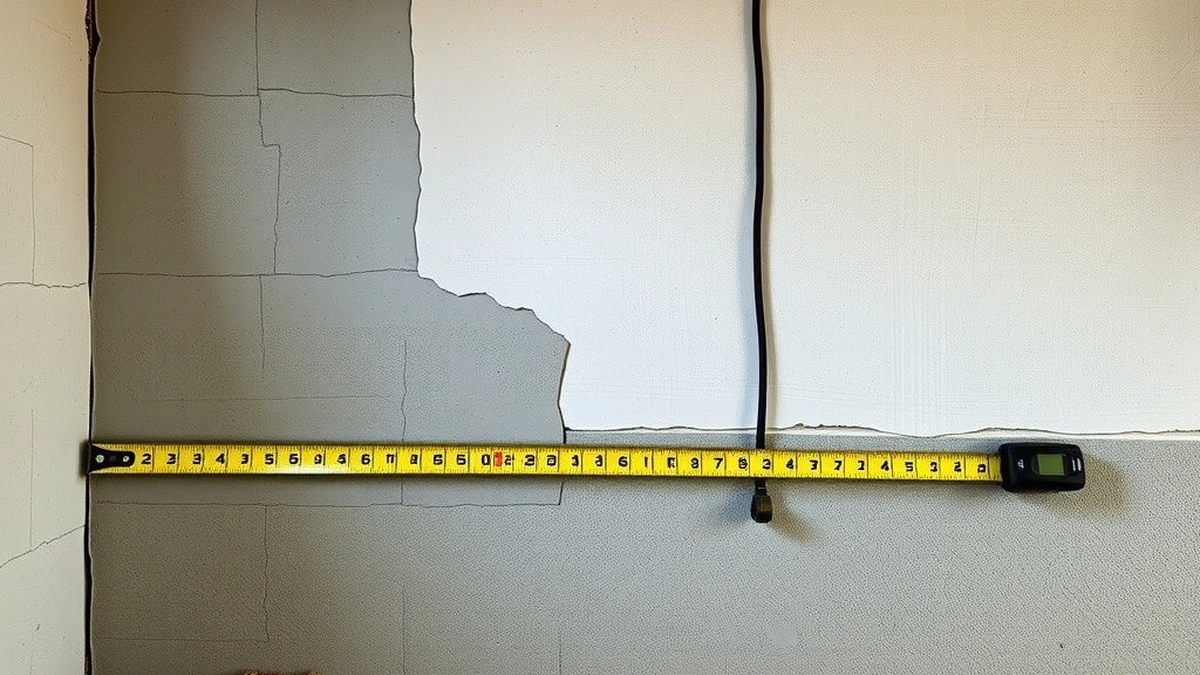
Start with crack width. A crack at or below 1/16 inch is generally cosmetic. A crack at 1/8 inch enters the watch category: mark it, measure it again in 30 to 60 days, and track whether it grows. Any crack wider than 1/8 inch, or any wall leaning more than 2 inches, deserves a closer look from a structural engineer or foundation inspector.
Measure displacement, not just appearance. Use a crack monitor or tape measure to record width at the widest point, and note whether floors slope or windows rack out of square. Write the numbers down. Repair decisions should rest on those measurements, on pier count and depth to bearing, and only then on unit price.
Common Signs in Clay Soil Regions
Homes on expansive clay often show a predictable set of symptoms:
- Stair-step cracks in brick or block walls
- Diagonal cracks radiating from window and door corners
- Gaps between walls and ceilings or floors
- Sloping floors measurable with a level or laser
- Doors and windows that bind in their frames
None of these signs alone proves foundation failure, but together they indicate soil movement worth documenting. Cosmetic cracks under 1/16 inch usually do not require structural repair. Cracks at or above 1/8 inch, especially if they are widening, justify an engineer inspection.
Repair Options and Typical Costs
Once measurements establish the scope, repair options fall into lifting, stabilizing, and moisture management categories. Prices below are estimates and vary by location, access, and pier count.
| Repair Type | Typical Unit Cost | Typical Job Cost |
|---|---|---|
| Push pier | $1,000–$3,000 each | $6,000–$30,000 |
| Helical pier | $700–$2,500 each | $6,000–$30,000 |
| Mudjacking | $3–$8 per sq ft | Varies by area |
| Polyurethane foam | $5–$15 per sq ft | Varies by area |
| Slab lifting | $3–$12 per sq ft | Varies by area |
| Carbon fiber strap | $400–$1,200 each | Varies by wall |
| Wall anchor | $500–$1,500 each | Varies by wall |
| Crawl space encapsulation | $3–$8 per sq ft | $4,000–$15,000 |
Show the arithmetic. If a contractor recommends four push piers at $2,000 each, the pier material and installation subtotal is $8,000. A full pier job commonly lands between $6,000 and $30,000 depending on pier count, depth to bearing soil, and site access. If the same home needs slab lifting across 500 square feet at $8 per square foot, that line item is $4,000.
Average foundation repair typically runs $4,000–$15,000. Major repair, such as extensive underpinning or multiple structural elements, can reach $20,000–$40,000. Full replacement is rare and usually runs $40,000–$150,000, generally considered only when roughly one-third or more of the foundation has failed.
Piers, Slab Lifting, and Wall Stabilization
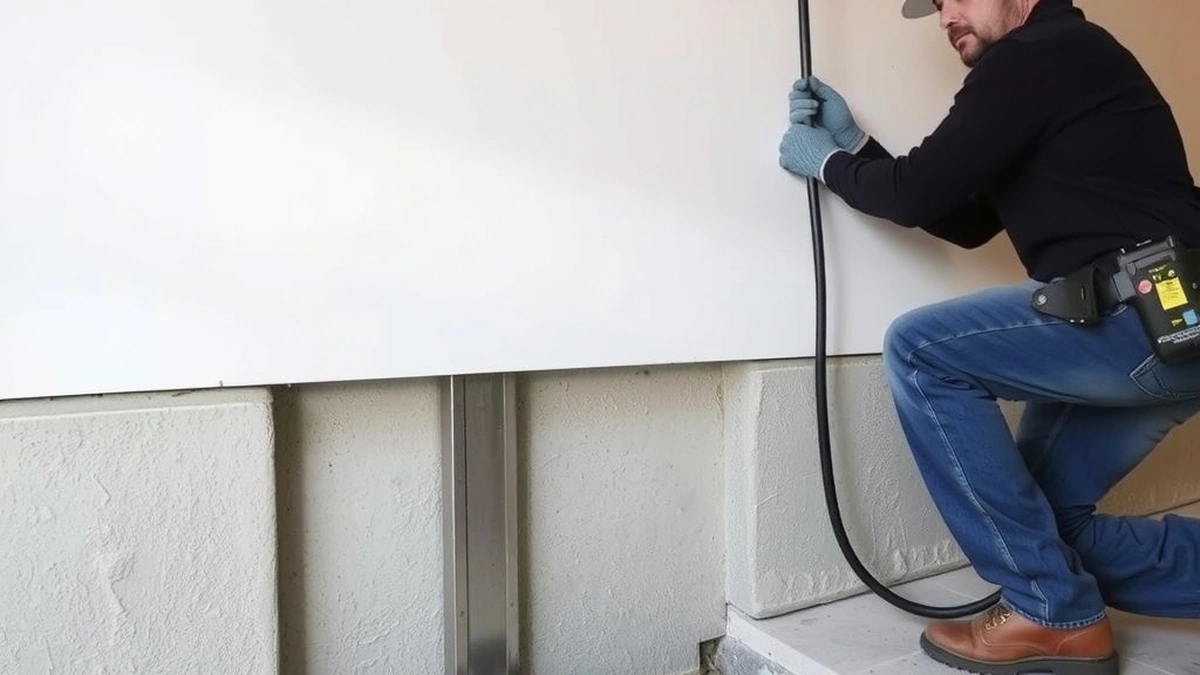
Push piers are driven to bearing soil or bedrock and can lift a settled foundation back toward level. Helical piers are screwed into the ground and are often used when soil conditions or access favor torque installation over hydraulic pushing. Both systems transfer the structure’s load from unstable clay to deeper, more stable strata.
For slab-on-grade homes, mudjacking pumps a grout mixture beneath the slab to raise it, while polyurethane foam injection achieves similar lifting with smaller holes. Slab lifting costs $3–$12 per square foot depending on method and material. Mudjacking typically lasts 5–15 years; foam longevity varies by formulation and site conditions.
Bowing or leaning foundation walls in clay soil may call for carbon fiber straps at $400–$1,200 each or wall anchors at $500–$1,500 each. These address lateral soil pressure rather than vertical settlement, so the correct fix depends on whether the wall is moving inward or the slab is settling.
Drainage and Moisture Management
Water is the driver of expansive clay movement. Gutters, downspout extensions, grading that slopes away from the home, and consistent foundation watering during dry spells can reduce the swing between wet and dry soil. Crawl space encapsulation costs $3–$8 per square foot, or $4,000–$15,000 per job, and helps control moisture beneath pier-and-beam homes.
Moisture management alone will not usually reverse existing settlement or close structural cracks, but it can slow future movement after repairs are complete. Treat it as a complement to structural repair, not a substitute.
Inspections, Permits, and Warranties
An engineer inspection typically costs $400–$1,500. Inspection lead time is usually 1–2 weeks. Permits vary by city and county and typically take 1–3 weeks to obtain, depending on local jurisdiction.
Pier warranties are commonly lifetime and transferable. A warranty transfer fee often runs $100–$500 if you sell the home. Restoration typically adds 10–25 percent to structural repair costs for cosmetic finishing such as drywall, paint, and flooring.
Repair cost is only the third step. Measure first, method second, price third. If you see cracks at 1/8 inch or wider, or wall movement near 2 inches, schedule an inspection before the next wet-dry cycle adds more movement to the record.
Internal Links
For cost context on common repair paths, see foundation repair cost, pier and beam foundation repair cost, and foundation crack repair cost. Additional references include mudjacking cost, helical pier cost, push pier cost, carbon fiber foundation repair cost, and wall anchor cost.
Frequently asked questions
What is expansive clay soil?
Clay soil that absorbs water and swells, then shrinks as it dries, creating repeating cycles of pressure and voids beneath a foundation.
How much movement is a concern?
Cracks wider than 1/8 inch or wall movement approaching 2 inches warrant closer measurement and possibly a professional inspection.
Can drainage fixes stop clay movement?
Improving drainage and maintaining consistent moisture can reduce movement, but existing foundation damage often still needs structural repair.
How long does an inspection take to schedule?
Inspection lead time is typically 1–2 weeks, and permits vary by city and county, usually taking 1–3 weeks.
Are pier warranties transferable?
Pier warranties are typically lifetime and transferable, with a transfer fee often ranging from $100 to $500.
When is replacement considered?
Replacement is generally considered when roughly one-third or more of the foundation has failed or cannot be stabilized.
Sources
Some links are affiliate links.If you buy through them we may earn a commission at no extra cost to you. We do not accept payment for rankings. Read the full disclosure.