Underpinning Problems and Limits: What Goes Wrong
Underpinning fails when piers stop short, brackets miss the footing, or the water cause is ignored. See the limits and the checks.
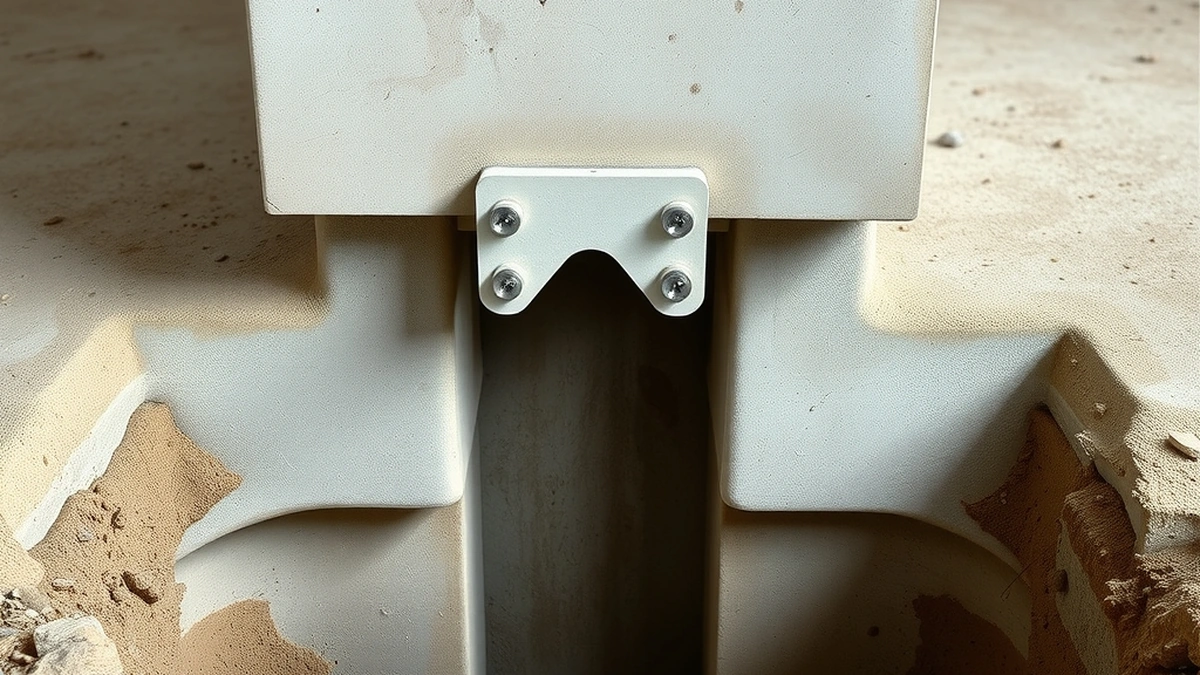
Underpinning problems include piers that stop above bearing soil, brackets on unsound footings, unaddressed water, and lifting beyond the structure's tolerance. Cost runs $6,000 to $30,000 for a proper job.
- Typical cost
- $6,000 - $30,000
- Pier each
- $700 - $3,000
- Lift limit
- 2 inches
- Common failure
- Shallow bearing
- Engineering report
- $400 - $1,500
Some links on this page are affiliate links.If you buy through them we may earn a commission at no extra cost to you. We do not accept payment for rankings. Read the full disclosure.
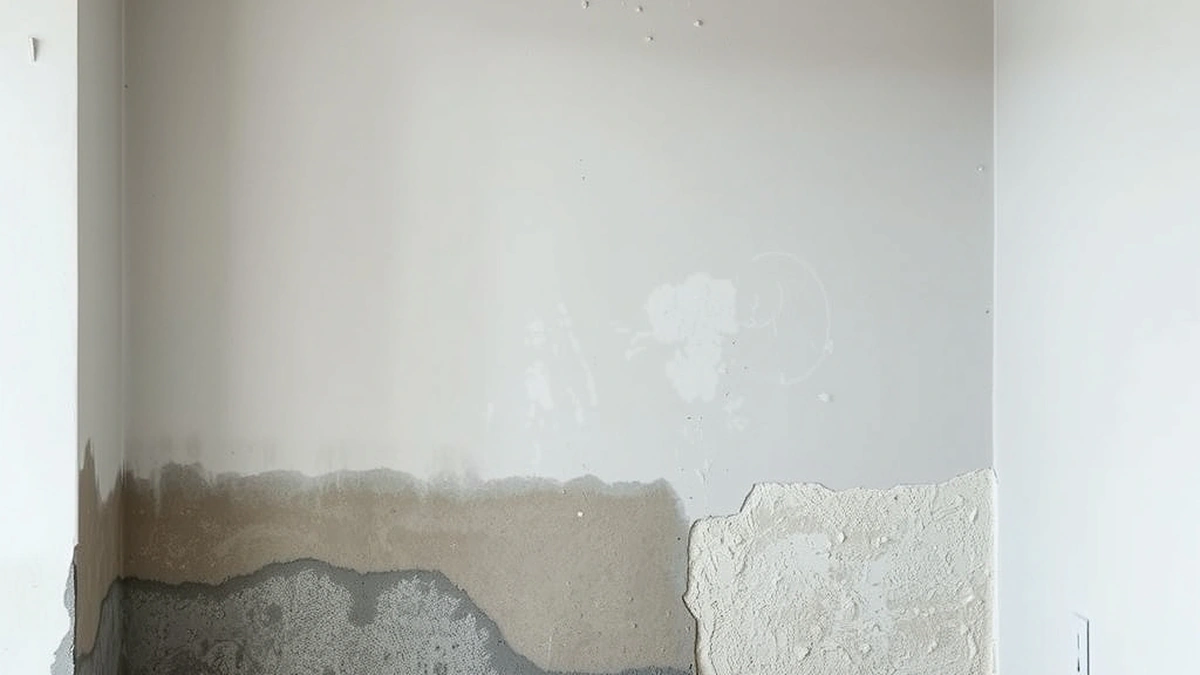
Underpinning problems are rarely steel problems. The steel does what it is told, which is why the instructions matter more than the material. What goes wrong is the depth it reaches, the footing it attaches to, the water that keeps moving the soil, and the lift that asks more of the house than the house can give. All four are design and execution issues, and all four leave a paper trail.
Piers That Stop Short
A pier that stops above the bearing stratum looks installed and carries nothing. It may have hit a boulder, a utility, or a hard layer that is not competent, and the refusal reading is the only clue.
The refusal log should show depth and pressure for every pier. If the depths are all identical, the log is a form rather than a record. Soil varies, and the log should show it.
Brackets on Bad Concrete
| Footing condition | Risk | Fix |
|---|---|---|
| Sound, wide enough | Low | Standard bracket |
| Crumbled edge | High | Concrete collar |
| Undercut | High | Rebuild the edge |
| Stone or rubble | High | Custom bearing |
The bracket transfers the entire house load into the pier through a small area of concrete, often no larger than a dinner plate. If that area is unsound, the concrete crushes and the load never reaches the steel.
Water Not Addressed
Settlement usually has a water cause: a plumbing leak, a downspout at the corner, or a grade that runs toward the house. Underpinning supports the footing, but if the soil continues to wash out, the pier holds while everything around it moves.
Drainage correction is part of the repair, not an add-on. A quote that excludes it is a quote for half the job, and the second half is the half that keeps the first half working.
Over-Lifting
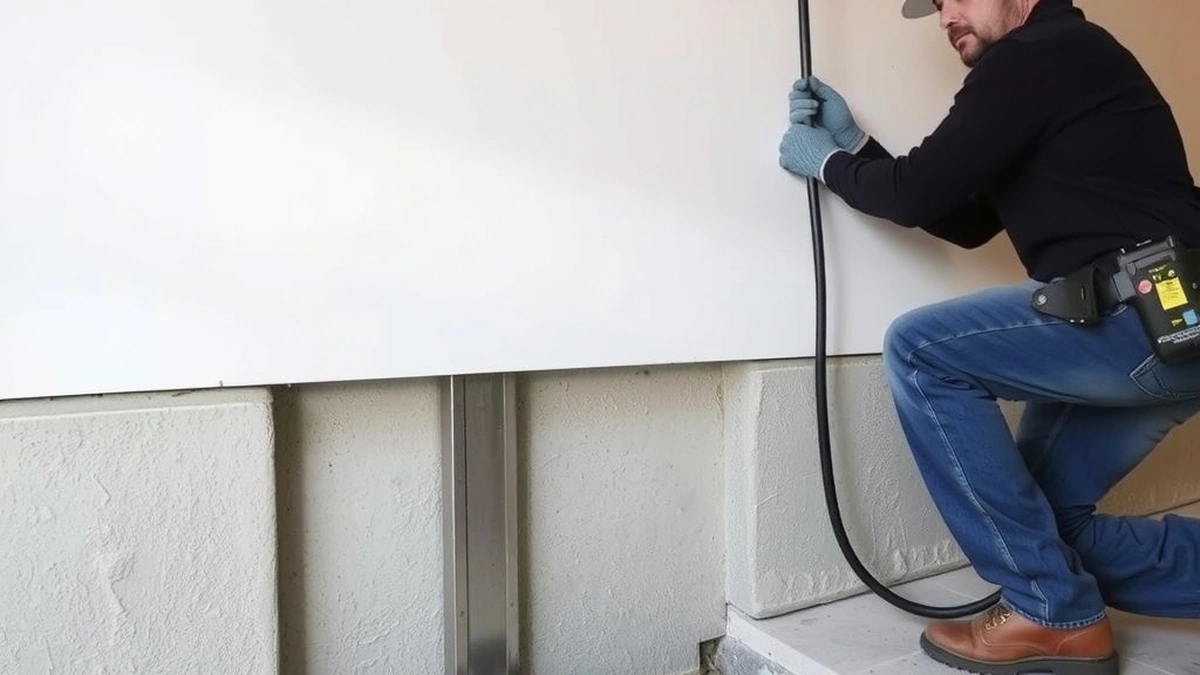
Lifting a house is not like lifting a car. The frame, the plumbing, and the cladding have all adapted to the settled position. Raising the structure too far or too fast cracks drywall, breaks drains, and jams doors, and those repairs are not covered by a foundation warranty.
The engineer’s tolerance exists for this reason. A typical target is within an inch of level rather than perfect, and the crew should stop there even if more correction is technically possible, because the goal is a stable house rather than a level one.
A Costed Failure
A six-pier job at $2,000 that settles again because two piers stopped at 10 feet. Adding four deeper piers:
4 × $2,400 = $9,600
Add engineering at $1,000 and restoration at $1,500:
$9,600 + $1,000 + $1,500 = $12,100
The original $12,000 job plus the second $12,100 is $24,100 for a repair that should have cost $15,000 once.
Reading a Failed Quote
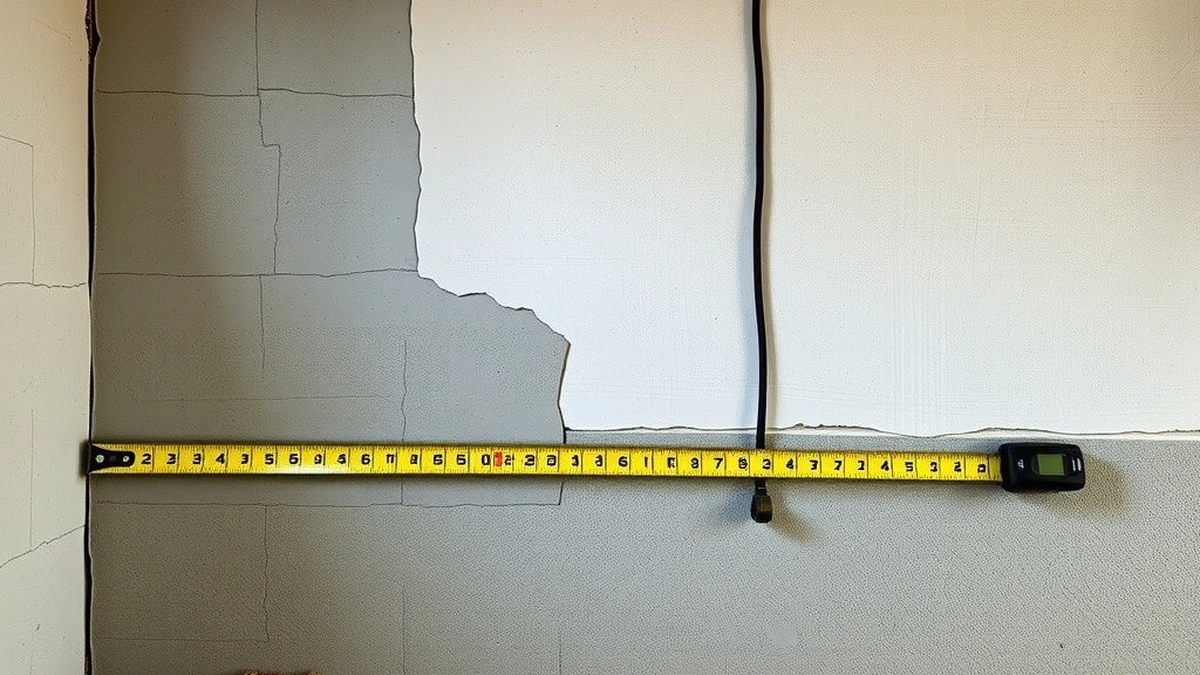
Most underpinning failures are visible in the proposal before the work starts. A quote with no pier count, no design depth, and no refusal criterion is a quote that cannot be enforced, and the failure shows up years later when the footing moves again.
A second warning is a price that is far below the others with an identical scope. Steel, equipment, and labour cost roughly the same for every contractor in a market, so a price that is 40% lower usually means fewer piers, a shallower design, or no engineering. None of those is a discount; they are a reduction in the repair.
A third is a contractor who cannot explain what the piers bear on. The answer should reference a stratum, a depth, and a test or a local soil report. A vague answer about “solid ground” is not a design, and the homeowner is the one who finds out. Ask for the soil report or the local bearing depth, and expect a specific answer.
Underpinning works where a competent stratum is reachable, the footing can take a bracket, and the structure can tolerate the lift. It does not work on a bowing wall, a heaving slab, or a foundation that has lost so much section that there is nothing to attach to, and no amount of additional piers changes that.
A repair that is designed and installed correctly still fails if the site continues to move. That is not a reason to distrust the piers; it is a reason to treat drainage and structure as one project rather than two.
It also does not replace a drainage repair. The pier is a structural element; the water is a site condition, and the site condition wins over time.
The Sequence to Avoid Problems
- Get an engineer’s design with depth and capacity.
- Test the soil if the bearing depth is uncertain.
- Inspect the footing before attaching brackets.
- Correct drainage and plumbing leaks.
- Install piers and log refusal or torque.
- Lift in increments to the tolerance.
- Hand over the log, lift record, and warranty.
Checklist Before You Sign
Ask for the design depth and what happens if it is not reached. Ask how the footing will be inspected. Ask whether drainage is in the scope. Ask for the lift tolerance in writing and for a sample log from a previous job.
For the method detail, read foundation repair underpinning and underpinning cost. If the wall is bowing rather than settling, wall anchors explained covers the correct repair.
Frequently asked questions
What goes wrong with underpinning?
Piers stop above the bearing stratum, brackets are attached to unsound concrete, the water that caused the settlement is not corrected, and the structure is lifted faster or further than it can tolerate.
How deep should underpinning piers go?
Deep enough to reach a stratum that can carry the load, which is often 15 to 30 feet. The engineer's design sets the depth and the required refusal or torque.
Can underpinning cause cracks in the house?
Lifting can crack finishes and plumbing if it is done too fast or too far. Slow, measured lifting to a stated tolerance prevents most of it.
Why did my foundation settle again after underpinning?
The piers may not have reached competent soil, or the water source may still be active. Both shows up in the pier log and the drainage history.
Does underpinning fix a bowing wall?
No. Underpinning resists vertical settlement. A bowing wall needs lateral restraint from anchors or straps.
How is underpinning verified?
By the pier refusal or torque log, the lift record, and the inspection sign-off. Ask for all three at completion.
Sources
Some links are affiliate links.If you buy through them we may earn a commission at no extra cost to you. We do not accept payment for rankings. Read the full disclosure.