Sticking Doors Repair: Foundation or Hinge?
A sticking door is often a hinge or humidity problem, not a foundation failure. See how to test the cause before paying for repair.
Sticking doors repair starts with diagnosis: a door that sticks seasonally is usually humidity, one that sticks in the same spot is usually a hinge or frame, and one that sticks along with cracks and sloping floors points to foundation movement.
- Hinge adjustment
- $75 - $250
- Frame repair
- $300 - $900
- Crack injection
- $400 - $1,200
- Pier repair
- $6,000 - $30,000
- Engineering report
- $400 - $1,500
Some links on this page are affiliate links.If you buy through them we may earn a commission at no extra cost to you. We do not accept payment for rankings. Read the full disclosure.
Sticking doors repair is usually a hinge job, not a foundation job. Before calling a foundation contractor, check whether the door sticks seasonally, whether the frame is square, and whether there are other symptoms. A single door that rubs at the top corner is a $150 adjustment. A house where every door on one side sticks, the floors slope, and the drywall has cracked at the corners is a different conversation.
The Seasonal Test
Wood moves with humidity. An interior door can swell enough in a humid summer to rub the jamb, then free itself when the heating season dries the house. If the door sticks from June to September and works fine in January, humidity is the likely cause.
Run a dehumidifier, check that the HVAC is moving air, and see whether the door frees up. If it does, the repair is moisture control, not structure. A $200 dehumidifier is cheaper than a $12,000 pier job.
The Frame Test
Open the door and look at the gap between the door and the jamb at the top and both sides. The gap should be even. A gap that is wide at the top on one side and narrow at the bottom on the other means the frame is out of square.
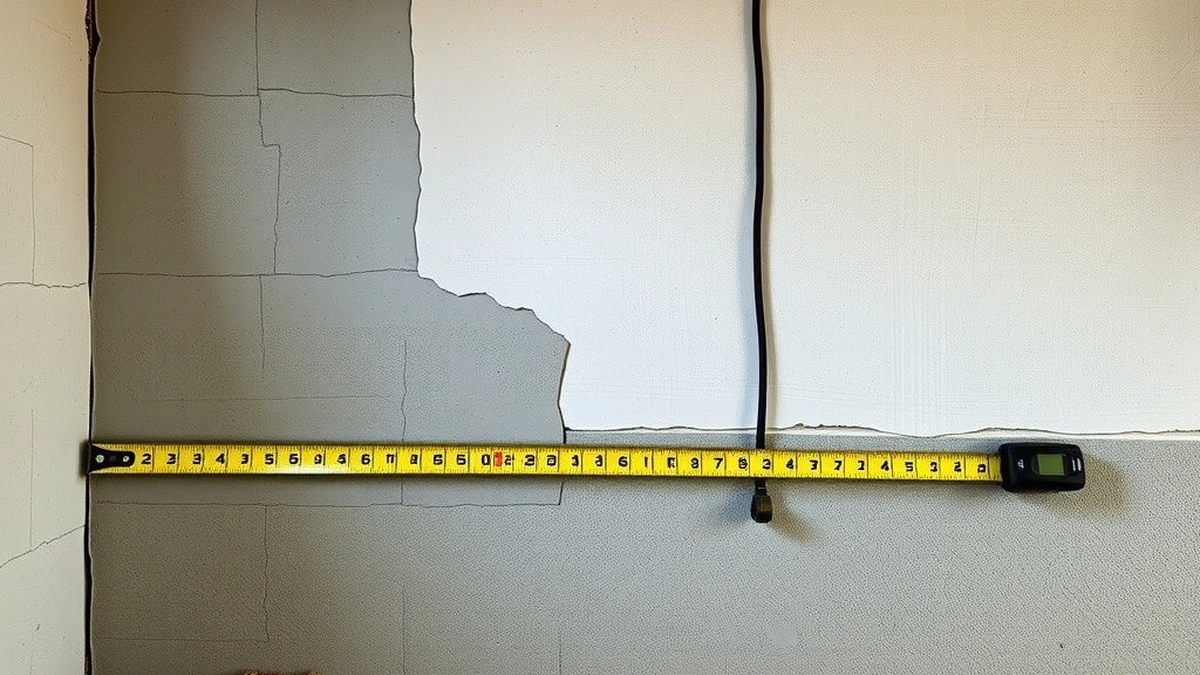
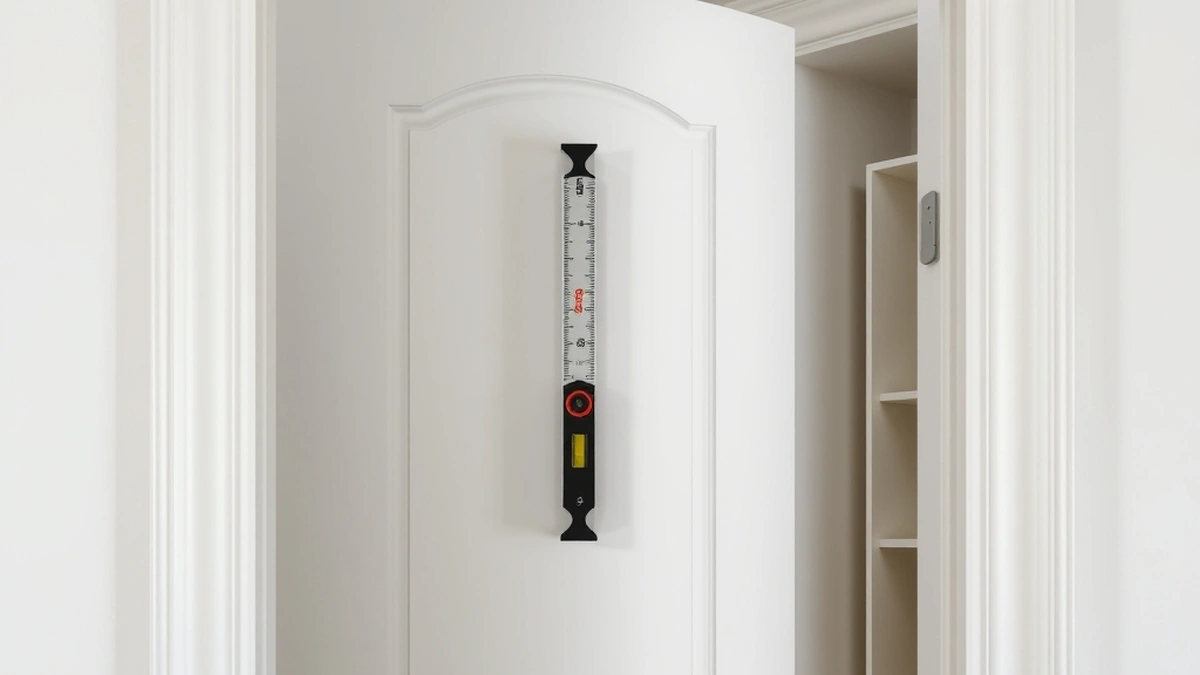
Check the frame with a 4-foot level on both jambs and the head. Check the diagonal measurements from corner to corner; they should be within a quarter inch on a standard door. A frame that is out of square by half an inch or more is a sign the wall or the floor beneath it has moved.
The House Test
| Symptom | Likely cause |
|---|---|
| One door sticks, no cracks | Hinge or frame |
| Doors stick in humid months only | Humidity |
| Every door on one side sticks | Floor or foundation movement |
| Sticking plus cracks at corners | Foundation movement |
| Sticking plus sloping floor | Settlement |
| Sticking plus a gap at the baseboard | Frame movement |
One symptom is a data point. Three together are a pattern, and the pattern is what justifies an inspection.
The Cheap Fixes First
| Fix | Cost | When it works |
|---|---|---|
| Tighten hinge screws | $0 | Loose hinges |
| Shim a hinge | $10 - $30 | Door rubbing at the top |
| Adjust the strike plate | $0 - $20 | Latch not catching |
| Plane the edge | $0 - $50 | Door genuinely oversized |
| Replace hinges | $30 - $80 | Worn or bent hinges |
A door that sags at the latch side usually has loose top hinge screws. Replace them with longer screws that reach the framing, and the door often lifts back into place. That is a ten-minute repair and it solves a surprising number of complaints.
When It Is the Foundation
If the door frame is out of square, the floor slopes, and the drywall shows cracks at the corners, the house has moved. The repair cost depends on the cause: crack injection at $400 to $1,200 for a stable leak, piers at $6,000 to $30,000 for a settled footing, or anchors at $4,000 to $15,000 for a bowing wall.
A costed example with six push piers at $1,900:
6 × $1,900 = $11,400
Add engineering at $900 and door and frame adjustments after the lift at $600:
$11,400 + $900 + $600 = $12,900
That is a foundation repair, and the door adjustment at the end is a small part of it.
The Diagnostic Sequence
- Note when the door sticks and whether it changes with the season.
- Check the gap around the door and the square of the frame.
- Measure floor slope with a 4-foot level.
- Look for cracks at the door corners and the wall-ceiling joint.
- Check other doors on the same side of the house.
- Call an engineer if three or more symptoms appear together.
After a Foundation Repair
Doors often need adjustment after a lift, and that is normal. The frame that was out of square for years is now closer to plumb, and the door may bind in a new place for a week or two. Wait for the structure to settle before planing anything.
Keep the pre-repair measurements. If a door that was adjusted after the lift starts sticking again in six months, the readings tell you whether the foundation has moved or the door has simply swollen.
What Not to Do
Do not plane a door to fix a foundation problem. The material you remove is gone, and when the frame moves back the door will rattle in the opening. Do not shim a door frame to hide a slope either, because the shim transfers the problem to the drywall and the trim.
Diagnose first, then repair the cause. A sticking door is a symptom, and symptoms are cheap to investigate and expensive to ignore. A $20 hinge kit and an afternoon of adjustment resolve most complaints, and the ones that do not are the ones that were never about the door.
For the wider picture, read sticking doors foundation and sloping floors repair. If the door is sticking because the wall is bowing, bowing basement wall explains the structural side.
Frequently asked questions
Why do my doors suddenly stick?
Seasonal humidity is the most common cause. Wood swells in summer and shrinks in winter, and a door that sticks in July and frees in October is usually a moisture issue, not a foundation issue.
Can sticking doors mean foundation problems?
They can, when they appear alongside cracks, sloping floors, and gaps at baseboards. A single sticking door with no other symptoms is usually a hinge or frame problem.
How much does it cost to fix a sticking door?
A hinge adjustment runs $75 to $250. Frame repair runs $300 to $900. If the cause is foundation movement, the repair runs $400 to $30,000 depending on the method.
Should I plane a sticking door?
Planing is a last resort because it removes material permanently. Adjust the hinges and check the frame first, and only plane if the door is genuinely oversized for the opening.
What is the test for foundation movement?
Check the door frame for square with a level and a tape, look for cracks at the corners, and measure floor slope. Multiple symptoms together justify an engineer.
Do all sticking doors need a contractor?
No. Many are fixed by tightening or shimming hinges, adjusting the strike plate, or correcting humidity. Those are homeowner-level tasks.
Sources
Some links are affiliate links.If you buy through them we may earn a commission at no extra cost to you. We do not accept payment for rankings. Read the full disclosure.