Is Basement Waterproofing Worth It? Cost and Payback
Waterproofing costs $2,000 to $12,000 and protects finishes, framing, and air quality. See when it pays back and when it does not.
Basement waterproofing is worth it when water is damaging finishes or framing, at $2,000 to $8,000 for an interior system and $4,000 to $12,000 for exterior work. It does not fix a bowing wall or replace structural repair.
- Exterior system
- $4,000 - $12,000
- Interior system
- $2,000 - $8,000
- Sump pump
- $600 - $3,000
- Crack injection
- $400 - $1,200
- Grading
- $1,500 - $4,000
Some links on this page are affiliate links.If you buy through them we may earn a commission at no extra cost to you. We do not accept payment for rankings. Read the full disclosure.
Basement waterproofing is worth it when water is damaging the basement and the cause is understood. An interior system at $2,000 to $8,000 handles seepage at the floor-wall joint, and an exterior system at $4,000 to $12,000 stops water at the wall. The repair pays back by protecting finishes, framing, and air quality rather than by adding value.
What Waterproofing Protects
A wet basement damages whatever is in it. Drywall, carpet, and framing absorb moisture, and mold follows. The structural damage is slower but real: repeated wetting and drying weakens mortar and encourages rot at the sill.
The air quality effect is less visible and more important. A damp basement raises the humidity of the whole house, and the musty smell is a symptom of microbial growth that the occupants are breathing.
The Cost Comparison
| Approach | Cost | What it fixes |
|---|---|---|
| Grading and downspouts | $300 - $4,000 | Surface water |
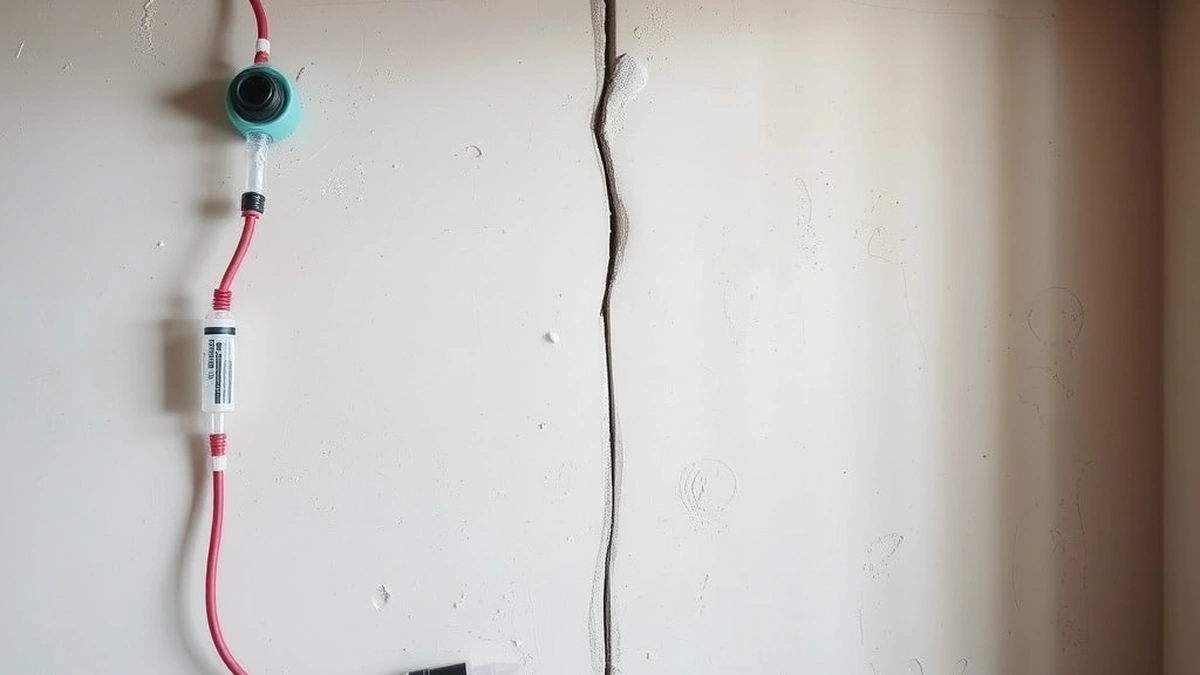
| Crack injection | $400 - $1,200 | A specific leak |
| Interior drain and sump | $2,000 - $8,000 | Water at the joint |
| Exterior membrane and drain | $4,000 - $12,000 | Water at the wall |
The cheapest option often solves the problem. Grading and downspout work addresses the most common cause of basement water, and it costs a fraction of a drain system.
When It Is Worth It
It is worth it when water is entering the basement regularly and the source has been identified. It is also worth it when the basement is finished and a leak would destroy flooring, drywall, and furniture.
It is worth it as prevention when the exterior is already open for another reason, such as a foundation repair or a deck rebuild. Doing the membrane while the wall is exposed is far cheaper than excavating twice.
When It Is Not
It is not worth it before the cheap fixes have been tried. If the gutters overflow and the grade slopes toward the house, fixing those is the first spend.
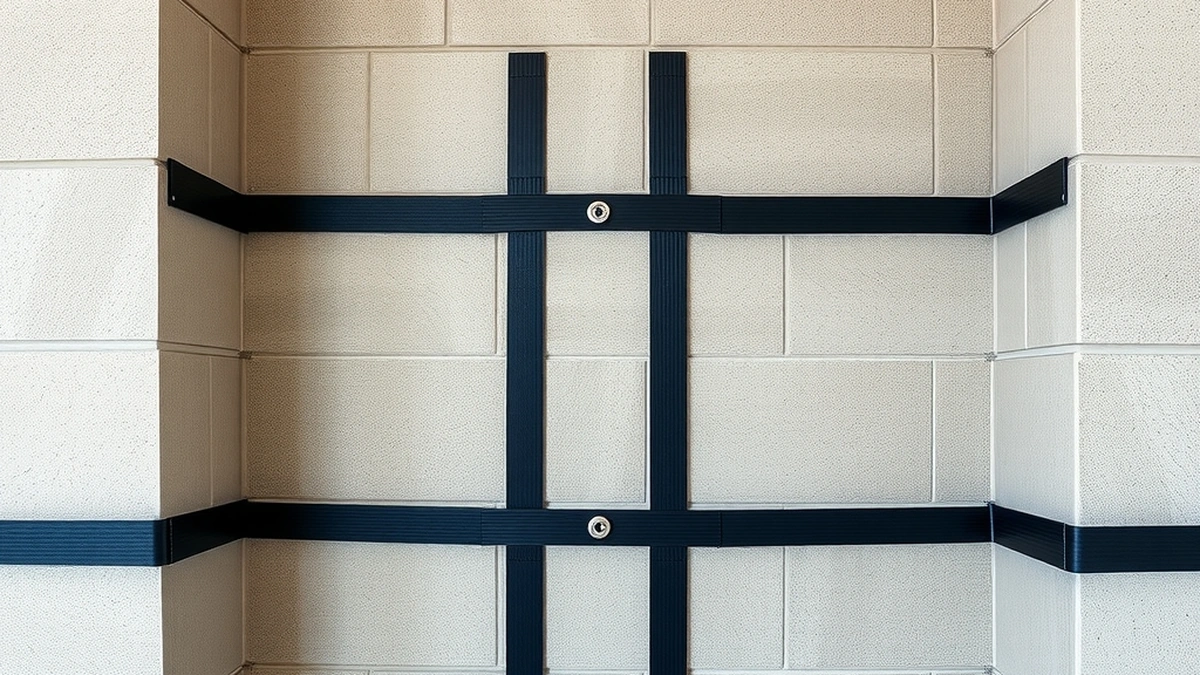
It is not worth it as a substitute for structural repair. A bowing wall needs anchors or straps, and a settled footing needs piers. Waterproofing manages water; it does not restore capacity.
Interior Versus Exterior
An interior system is faster, cheaper, and less disruptive. It collects water at the joint and pumps it out, and it leaves the wall under pressure.
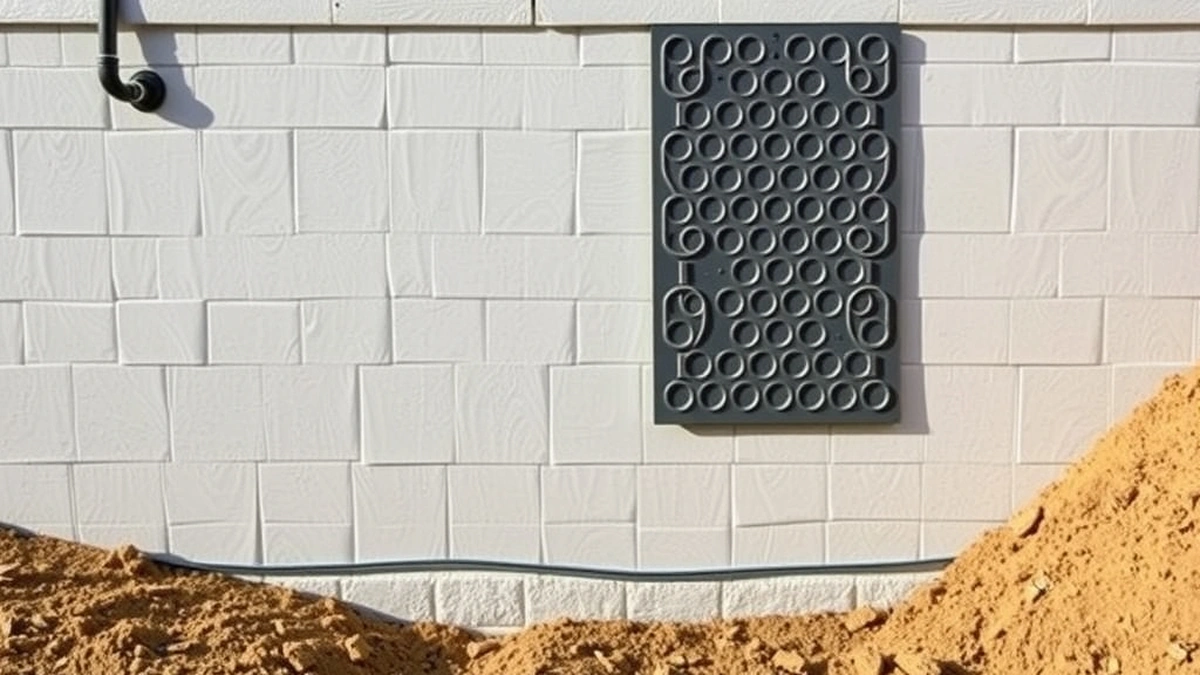
An exterior system is more effective because it stops water before it reaches the wall. It is also more expensive and requires excavation, landscaping removal, and restoration.
The choice depends on the wall, and it should be made by someone who has looked at the wall rather than by a sales script. A sound wall with a minor leak is a candidate for interior work, especially where the budget is limited. A bowing wall or a high water table is a candidate for exterior work, because the pressure has to be relieved as well as the water removed.
A Costed Example
A 40-foot wall with an interior drain and sump:
Drain: 40 × $45 = $1,800 Sump pit and pump: $1,500 Discharge: $400
Total: $3,700
The same wall with exterior waterproofing:
Excavation: 40 × $100 = $4,000 Membrane and board: 40 × $45 = $1,800 Footing drain: 40 × $35 = $1,400
Total: $7,200
The exterior job is roughly double, and it is the only one that relieves the pressure on the wall.
The Sequence
- Find the water source with a hose test.
- Fix gutters, downspouts, and grading.
- Assess the wall for structural movement.
- Choose interior or exterior based on the wall.
- Install the system with a legal discharge.
- Test with water before final payment.
- Maintain the drain and pump annually.
Homeowners insurance generally excludes water damage from poor maintenance, grading, and surface drainage. That means a basement that floods because the grade slopes toward the house is usually a homeowner expense.
A sudden event is different. A burst supply line that washes out soil under a slab, or a storm that damages a wall, may be covered. The policy wording decides, and the exclusions page is the document to read before filing.
Document the cause before the cleanup, because photos taken after the water is pumped out prove much less. Photographs of the grade, the downspout, and the water line on the wall are what an adjuster uses to separate maintenance from a covered event.
What to Check Before You Commit
Ask how the water source was identified. Ask where the discharge goes and whether it leaves the property. Ask whether the wall was checked for movement. Ask what maintenance is required and what the warranty covers.
Ask, too, whether the price includes restoration of the excavated area, and get that number before the work starts rather than after the trench is open. A waterproofing quote that leaves a trench and a dead lawn is not the final cost.
Waterproofing is worth it when water is causing damage and the source is known. It is not worth it as a first step before grading, and it is not a structural repair. The right system, installed for the right reason, protects the basement for decades.
For the method detail, read how basement waterproofing works and basement waterproofing cost. If the wall is bowing, basement wall repair cost covers the structural side.
Frequently asked questions
Is basement waterproofing worth the money?
Yes when water is damaging finishes, framing, or air quality. The cost is usually less than repairing the damage a wet basement causes over several years.
How much does basement waterproofing cost?
Interior systems run $2,000 to $8,000 and exterior systems run $4,000 to $12,000. The difference is excavation and the fact that exterior work stops water at the wall.
Does waterproofing add value to a house?
A dry basement removes a common buyer objection. The value effect is usually in avoiding a discount rather than adding a premium.
Is interior waterproofing enough?
It is enough for minor seepage at the floor-wall joint. It does not reduce pressure on the wall, so a bowing wall needs exterior work or structural repair.
How long does waterproofing last?
An exterior membrane and footing drain can last 20 to 30 years with maintenance. An interior system lasts as long as the pump and drain are maintained.
Will insurance pay for waterproofing?
Usually not. Policies typically exclude maintenance-related water damage. A sudden event, such as a burst pipe, may be covered.
Sources
Some links are affiliate links.If you buy through them we may earn a commission at no extra cost to you. We do not accept payment for rankings. Read the full disclosure.