Is Crawl Space Encapsulation Worth It?
Encapsulation costs $4,000 to $15,000 and fixes humidity, musty air, and cold floors. See when it pays back and when it does not.
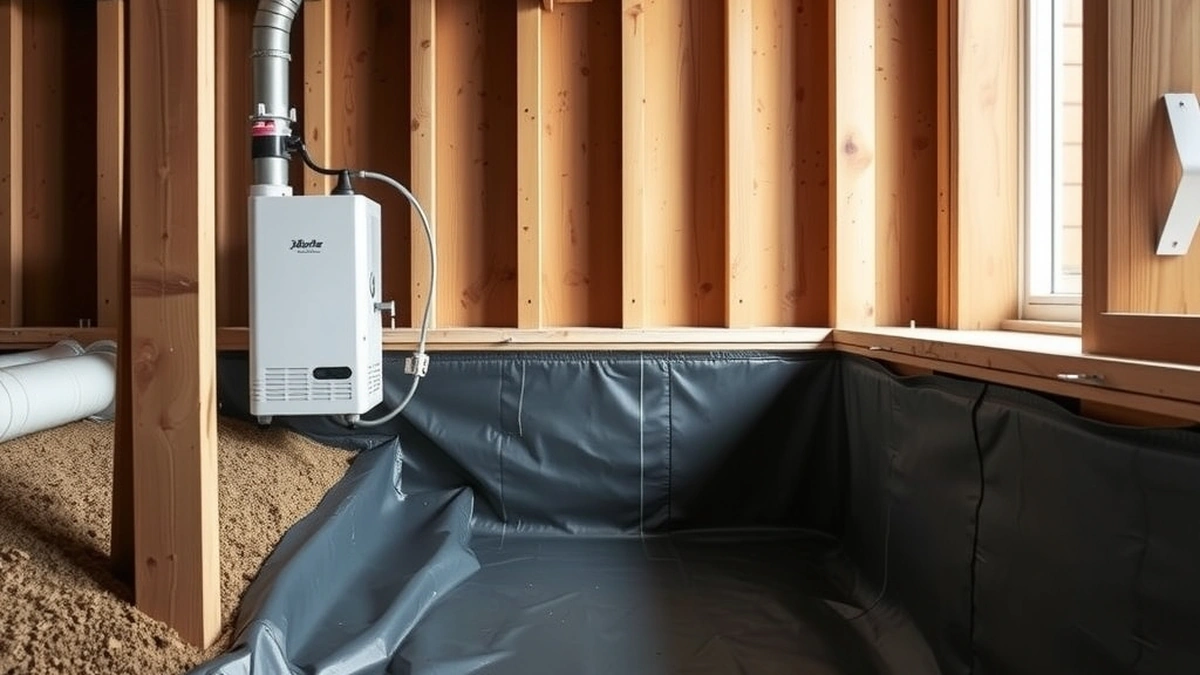
Crawl space encapsulation is worth it when the space is humid, musty, or cold, at $3 to $8 per sq ft or $4,000 to $15,000 for a typical house. It is not worth it before standing water and drainage are fixed.
- Cost per sq ft
- $3 - $8
- Typical job
- $4,000 - $15,000
- Dehumidifier
- $1,200 - $3,000
- Humidity target
- Under 60%
- Liner life
- 20 years or more
Some links on this page are affiliate links.If you buy through them we may earn a commission at no extra cost to you. We do not accept payment for rankings. Read the full disclosure.
Crawl space encapsulation is worth it when the space is humid, musty, or cold, and when the water that made it that way has been corrected. At $3 to $8 per sq ft, a typical house runs $4,000 to $15,000, which is less than replacing rotted floor framing and far less than the health and comfort costs of a chronically damp house.
What Encapsulation Solves
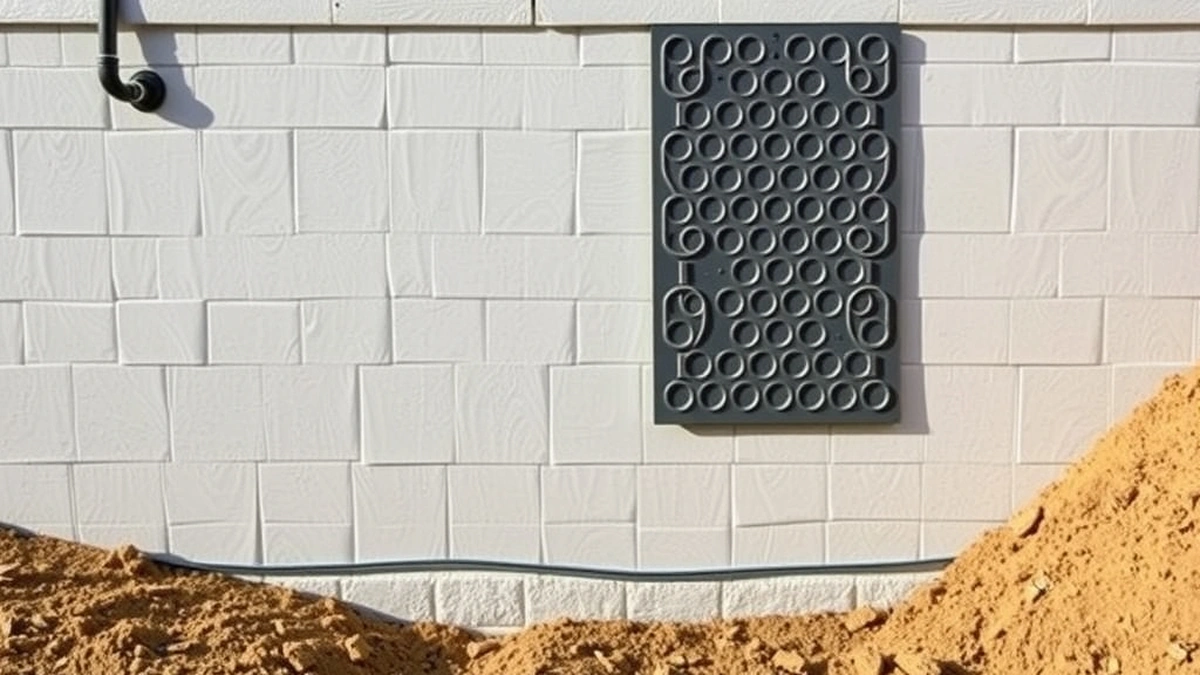
Encapsulation seals the soil and the walls with a heavy liner and controls humidity with a dehumidifier. The soil stops evaporating moisture into the crawl space air, and the air stops moving upward into the living space.
The result is a dry, conditioned volume. Floors feel warmer, the musty smell goes away, and the heating and cooling system stops fighting humid air that leaks through the floor.
The Cost Arithmetic
| Scope | Cost | Notes |
|---|---|---|
| Liner only | $3 - $5 per sq ft | Thin liner, minimal sealing |
| Liner and sealing | $5 - $8 per sq ft | Full encapsulation |
| Dehumidifier | $1,200 - $3,000 | Sized to volume |
| Sump and pump | $1,200 - $2,500 | If water is present |
A 1,200 sq ft crawl space at $6 per sq ft:
1,200 × $6 = $7,200
Add a dehumidifier at $1,800 and a sump pit at $1,200:
$7,200 + $1,800 + $1,200 = $10,200
That sits in the middle of the $4,000 to $15,000 band. A smaller space with no water problem would land nearer $5,000.
The Payback Case
The financial case is mostly avoided cost, and avoided cost is harder to see than a utility bill. Replacing rotted joists and subfloor in a 1,200 sq ft house runs $8,000 to $25,000, and mold remediation adds more. Encapsulation at $5,000 to $10,000 is the cheaper path, and it protects the framing rather than repairing it.
Energy savings are real but variable. A sealed crawl space reduces the stack effect that pulls cold air through the floor, and homeowners in cold climates often notice a difference in the first winter. The savings are usually modest, and the comfort change is what people remember.
When It Is Worth It
It is worth it when the crawl space smells musty, when the floor above is cold in winter, when the joists show condensation or surface mold, and when the humidity stays above 60% even after the vents are open.
It is also worth it when the house has a heat pump or ductwork in the crawl space, because sealing the space protects the ducts and improves the system’s efficiency.
When It Is Not
It is not worth it before standing water is drained and the drainage is corrected. A liner over a puddle traps the water and keeps the soil saturated, which is worse than leaving the space vented.
It is also not worth it as a substitute for structural repair. A settled pier or a rotted beam needs a structural fix, and a liner does not support anything.
The Vent Question
Venting was the standard approach for decades, and it still works in arid climates where outside air is drier than the crawl space. In humid regions, vents pull moist air into a cool space, and the moisture condenses on the joists.
That is why encapsulation has become the default recommendation in the Southeast, the Pacific Northwest, and most of the Midwest. The physics favours sealing in those climates, not venting, and the building science community has largely converged on that position for humid regions.
The Alternative Repairs
A vapor barrier alone is cheaper than full encapsulation and covers the soil without sealing the walls or adding a dehumidifier. It reduces evaporation but does not control humidity, and it is a reasonable first step when the budget is limited.
A powered vent or a dehumidifier alone is another partial step. Neither addresses the soil, so the moisture source remains. Partial measures often cost half of the full job and deliver a fraction of the result.
Doing the full job once is usually the better value, provided the water has been corrected. Partial systems tend to be replaced within a few years, and the total spend ends up higher.
The installation also changes how the space can be used. A sealed crawl space is clean enough to store items in sealed containers, and it is safer for a technician to work in. That is a secondary benefit, and it matters when the next repair arrives.
- Confirm there is no standing water and fix the source.
- Remove debris, old insulation, and organic material.
- Remediate mold before the liner goes down.
- Confirm the liner thickness and the sealing method.
- Size the dehumidifier to the volume.
- Verify humidity after 24 hours.
Ask, too, what the warranty covers and how a future repair can be made without destroying the liner. A plumber will need to cut it eventually, and the seal has to be reparable.
The Verdict
Encapsulation is worth it when the problem is moisture in the air and the water has been controlled. It is a durable, well-understood fix for a specific condition, and it pays back in avoided rot and improved comfort. It is not a repair for standing water, structural movement, or mold that has not been remediated.
For the method detail, read how crawl space encapsulation works and crawl space encapsulation cost. If the space is wet rather than humid, water in the crawl space covers the drainage first.
Frequently asked questions
Is crawl space encapsulation worth the cost?
Yes when the space is humid, musty, or cold and the water source has been corrected. It removes the moisture that drives mold, rot, and high energy bills.
How much does encapsulation cost?
It runs $3 to $8 per sq ft, or $4,000 to $15,000 for a typical house including the liner, sealing, and often a dehumidifier.
How much does encapsulation save on energy?
Savings vary by climate and house. The larger benefit is usually comfort and avoiding rot repair, which can cost $8,000 to $25,000 for floor framing.
Can I encapsulate with standing water?
No. Standing water has to be drained or pumped first, and the source corrected. A liner over water traps the moisture and hides the problem.
Does encapsulation stop mold?
It removes the moisture condition mold needs. Existing mold should be remediated before the liner is installed.
Is encapsulation better than venting?
In humid climates, yes. Vents pull moist outside air into a cool space where it condenses. Sealed encapsulation is more reliable in most of the country.
Sources
Some links are affiliate links.If you buy through them we may earn a commission at no extra cost to you. We do not accept payment for rankings. Read the full disclosure.