Is Underpinning Worth It? Cost, Life, and Alternatives
Underpinning costs $6,000 to $30,000 and stops settlement at the source. See when it beats lifting, grouting, or replacement.
Underpinning is worth it when a footing has settled into weak soil, at $6,000 to $30,000, because it moves the load to bearing soil and stops the movement. It is not worth it for a bowing wall or a heaving slab.
- Typical cost
- $6,000 - $30,000
- Pier each
- $700 - $3,000
- Major repair
- $20,000 - $40,000
- Design life
- Life of structure
- Warranty
- Lifetime, transferable
Some links on this page are affiliate links.If you buy through them we may earn a commission at no extra cost to you. We do not accept payment for rankings. Read the full disclosure.
Underpinning is worth it when a footing has settled into weak soil and the movement is active. At $6,000 to $30,000, it moves the house load onto steel that reaches competent ground, and it typically carries a lifetime warranty that transfers to the next owner. It is not the right repair for a bowing wall, a heaving slab, or a foundation that has failed past saving.
What You Are Buying
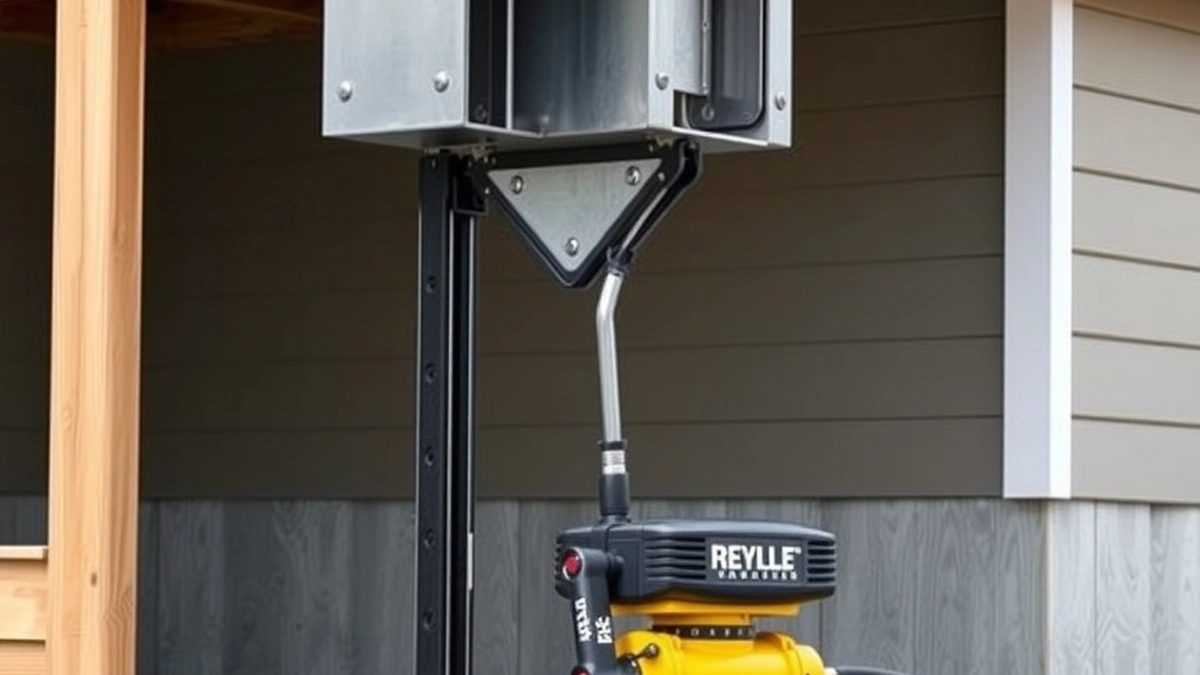
Underpinning installs a new support beneath an existing footing, and it does so without demolishing the house or the basement. The pier bypasses the weak soil and bears on a stratum that can carry the load, and the bracket connects the two.
What you are buying is a load path that did not exist before, plus the documentation that proves it. The records are part of the value, especially at resale, where a documented repair is worth more than an undocumented one.
The Cost Comparison
| Repair | Cost | What it fixes |
|---|---|---|
| Grouting | $2,000 - $15,000 | Voids, loose soil |
| Underpinning | $6,000 - $30,000 | Settled footing |
| Major structural repair | $20,000 - $40,000 | Multi-wall movement |
| Replacement | $40,000 - $150,000 | Failed foundation |
Underpinning is the middle option, and it is the one that addresses vertical settlement at the source rather than the soil around it. That difference is what the extra money buys. Grouting improves the soil but does not create a deeper load path, which is why it is a different repair rather than a cheaper one.
When It Is Worth It
It is worth it when a corner or a wall has dropped, the crack is widening, and the soil under the footing is the cause. It is also worth it when the original footing is too shallow for the soil, which is common in older homes on expansive clay, and the pier depth is the whole design.
It is worth it when replacement has been quoted at four times the price for the same outcome, and the foundation is otherwise sound enough to keep. A repairable foundation that is stabilized for $20,000 is a better spend than a rebuild at $80,000, and the warranty on the piers is usually longer than the warranty on a new foundation.
When It Is Not
It is not worth it on a bowing wall. Underpinning resists vertical load, and a wall that is being pushed inward needs lateral restraint.
It is not worth it on a heaving slab, where the ground is rising rather than falling. And it is not worth it when the foundation has failed past roughly 33%, because there is too little sound structure left to justify the repair.
The Warranty Value
A lifetime pier warranty that transfers for $100 to $500 is worth real money at resale. A buyer’s inspector will find the repair, and the warranty answers the question that follows.
Read the exclusions, though, and ask the contractor to point to the clause that covers a re-settlement at the same wall. Changed grading, plumbing leaks, and work by other contractors can void coverage, and those conditions are common.
A Costed Example
A 1,700 sq ft house with a settled rear wall. Eight push piers at $2,000:
8 × $2,000 = $16,000
Add engineering at $1,000, drainage at $2,200, and restoration at 10%:
$16,000 × 0.10 = $1,600
Total: $20,800, against a replacement estimate of $58,000. The repair is 36% of the replacement cost.
The Sequence
- Measure cracks, elevations, and plumb.
- Get an engineer’s design with depth and capacity.
- Correct drainage and plumbing leaks.
- Permit the work and locate utilities.
- Install piers and log refusal.
- Lift to tolerance and record the result.
- Restore finishes after a settling period.
What the Engineer Decides
The engineer’s report is where the repair is designed. It sets the pier type, the spacing, the design depth, and the lift tolerance, and it is the document the permit office reviews.
Ask for the report before the bids. A contractor bidding without it is bidding on an opinion, and three opinions produce three prices that cannot be compared, which is how homeowners end up choosing on price alone.
The report should also state what the repair will not fix, and it should rank the findings by consequence so the homeowner knows what can wait. Interior cracks, cosmetic finishes, and drainage are separate scopes, and a homeowner who knows that upfront is not surprised later. Ask for the pier count, design depth, and overrun rate. Ask how the footing will be inspected and what bracket is specified. Ask whether drainage is included.
Ask for a sample log and the warranty document. A contractor who cannot supply either is asking you to trust a $20,000 repair to a verbal promise.
Underpinning is worth it when the failure is settlement and the foundation is otherwise sound. It is the repair that addresses the cause rather than the symptom, and it is priced accordingly, which is why the unit count matters more than the unit price. On a bowing wall or a failed foundation, it is the wrong tool, and the engineer’s report should say so.
For the cost detail, read underpinning cost and underpinning problems and limits. If the wall is bowing, are wall anchors worth it covers the lateral repair.
Frequently asked questions
Is underpinning worth the cost?
Yes when a footing has settled into weak soil and the movement is active. It addresses the cause, reaches bearing soil, and costs far less than replacement.
How much does underpinning cost?
Most jobs run $6,000 to $30,000 depending on the pier count and depth, with individual piers at $700 to $3,000.
How long does underpinning last?
A steel pier reaching competent soil is designed for the life of the structure and is typically warranted as such, with transferable coverage.
Is underpinning cheaper than replacement?
Yes in most cases. Underpinning runs $6,000 to $30,000 against $40,000 to $150,000 for replacement, and it preserves the existing foundation.
When is underpinning not worth it?
When more than about 33% of the foundation has failed, when the wall is bowing rather than settling, or when there is no competent soil within a practical depth.
Does underpinning fix cracks?
It stops the movement that opened them. The cracks are repaired afterward, and interior finishes are restored after a settling period.
Sources
Some links are affiliate links.If you buy through them we may earn a commission at no extra cost to you. We do not accept payment for rankings. Read the full disclosure.