Are Wall Anchors Worth It? Cost, Limits, and Value
Wall anchors cost $500 to $1,500 each and can pull a bowing wall back over time. See when they are worth it and when they are not.
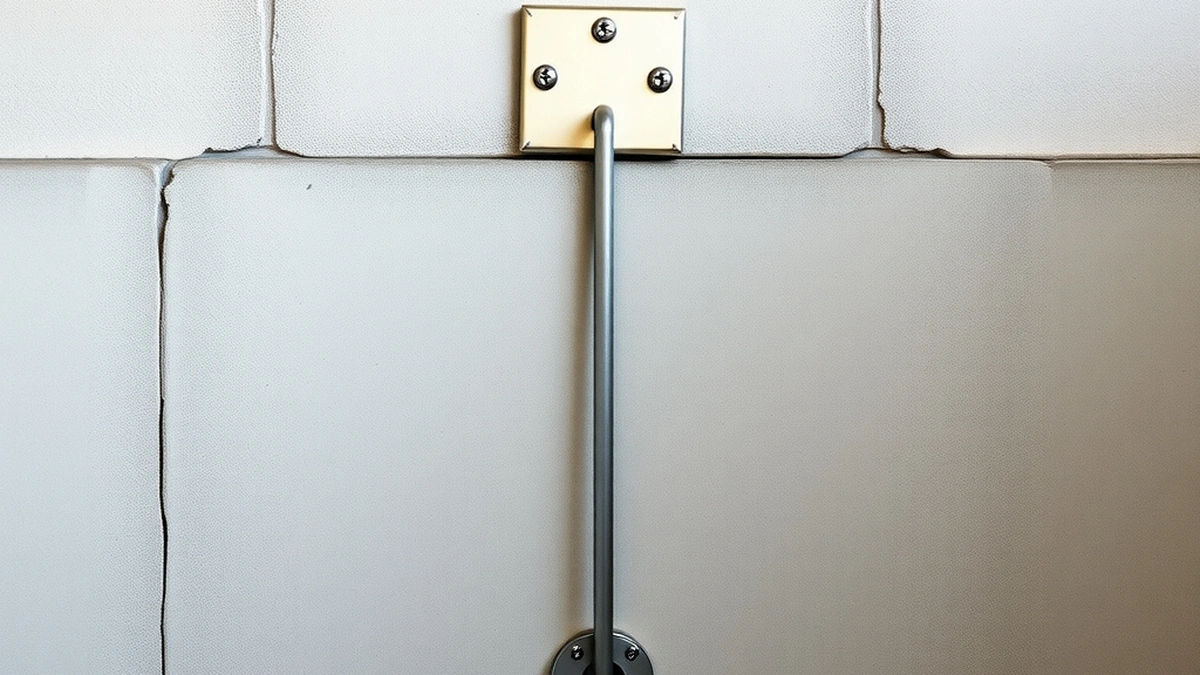
Wall anchors are worth it on a poured wall under active soil pressure, at $500 to $1,500 per anchor, because they can be tightened over time and pull the wall back toward plumb. They are not a repair for settlement or for a crumbled wall.
- Cost per anchor
- $500 - $1,500
- Typical job
- $4,000 - $15,000
- Spacing
- 6 - 8 feet
- Anchor depth
- 8 - 12 feet
- Movement limit
- 2 inches
Some links on this page are affiliate links.If you buy through them we may earn a commission at no extra cost to you. We do not accept payment for rankings. Read the full disclosure.
Wall anchors are worth it when a poured wall is bowing from soil pressure and the wall is still sound. At $500 to $1,500 per anchor, a typical job runs $4,000 to $15,000, and the system has one advantage the alternatives do not: it can be tightened over time, which means it can pull the wall back toward plumb rather than simply holding it where it is.
What the Anchor Does
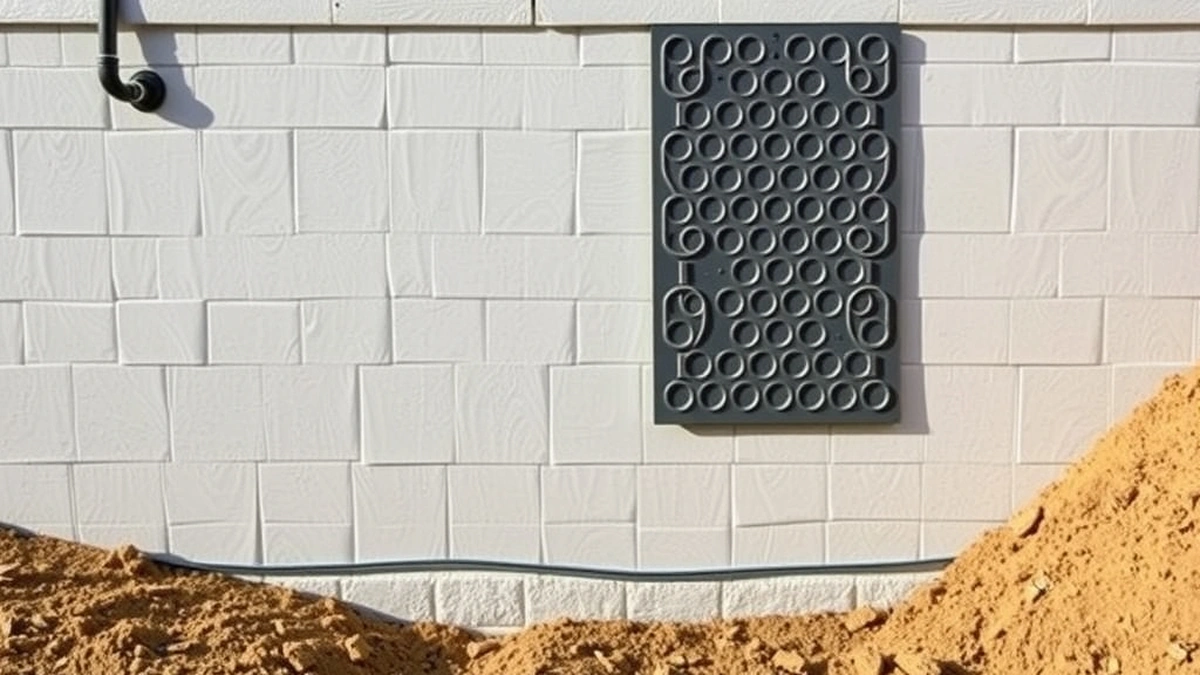
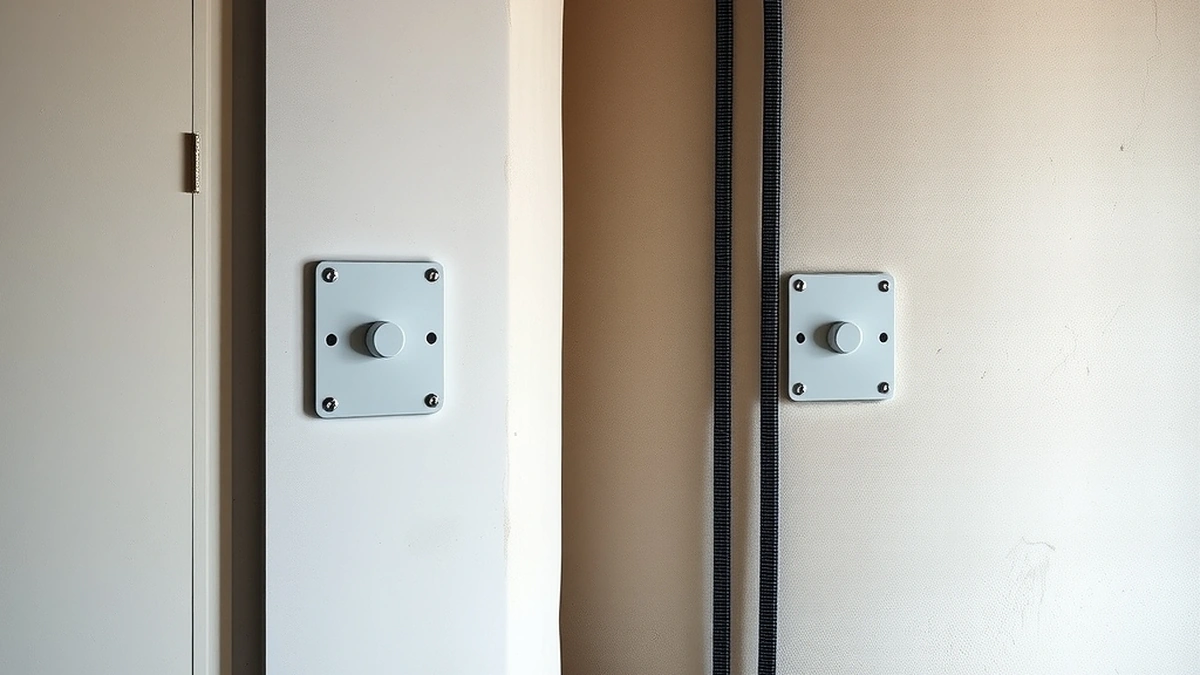
The anchor ties the wall to a plate buried in stable soil. The rod passes through the wall, and tightening it pulls the wall outward against the soil pressure that is pushing it in.
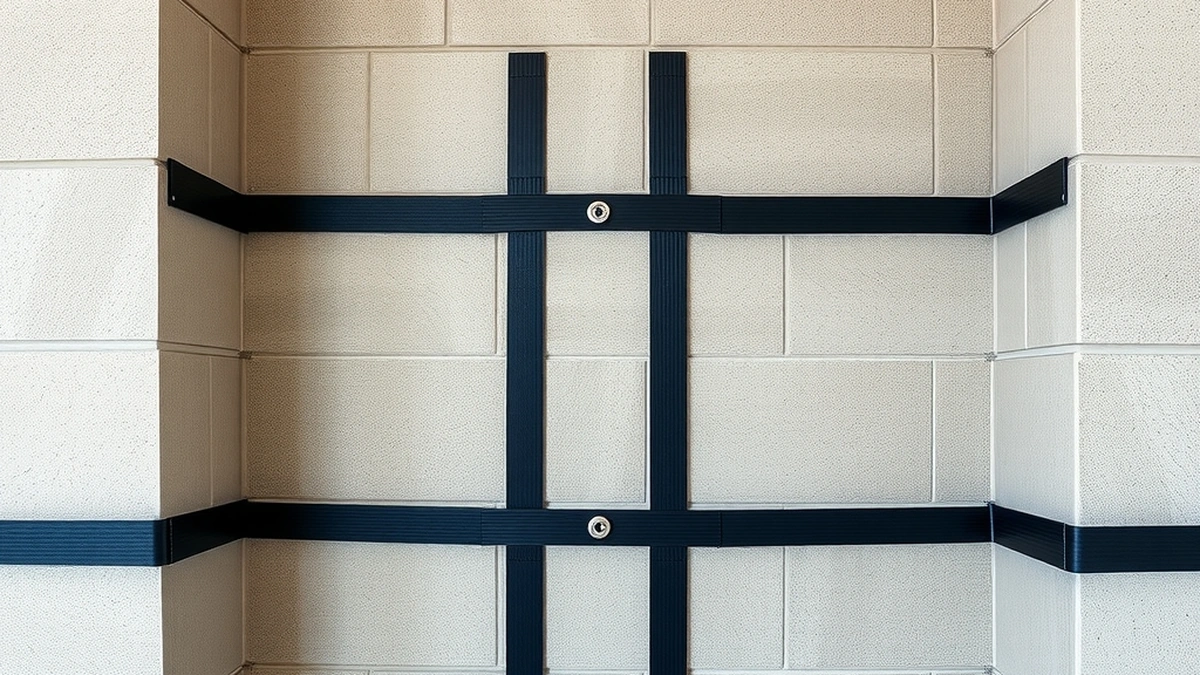
That two-way action is the reason anchors are used on poured walls. A strap holds the wall where it is, while an anchor can correct some of the bow over months of small adjustments.
The Cost Arithmetic
| Wall length | Spacing | Anchors | Cost at $1,000 |
|---|---|---|---|
| 16 feet | 8 feet | 2 | $2,000 |
| 24 feet | 8 feet | 3 | $3,000 |
| 32 feet | 8 feet | 4 | $4,000 |
| 40 feet | 6.5 feet | 6 | $6,000 |
Those are anchors only. Add engineering at $400 to $1,500, crack injection, and any interior restoration, and the total lands in the $4,000 to $15,000 band.
When They Are Worth It
They are worth it on a poured concrete wall with a horizontal crack and a measurable bow, where the soil outside is saturated and the pressure is active. They are also worth it where the wall needs to be pulled back rather than just held.
They are worth it where a strap would be difficult to anchor, such as a wall with a finished floor that cannot take a floor anchor, because the anchor transfers load to the soil instead.
When They Are Not
They are not worth it on a settled footing. Anchors resist lateral movement, and a wall that has dropped needs support from below, which means piers.
They are not worth it on a crumbled or spalled wall, because the inside plate has nothing sound to bear on. And they are not worth it past about 2 inches of bow, where the frame and floor have taken a set and the correction requires straightening.
The Soil Question
An anchor is only as strong as the soil the plate bears on. A plate in loose backfill moves, and the wall follows it. That is why the pit depth matters and why the contractor should verify what the plate is bearing on.
Ask how the anchor depth was chosen and whether the soil was probed. A standard 10-foot distance is a reasonable default on a typical lot and a guess on a lot with deep fill.
The installation itself is small. Each anchor needs a pit roughly 2 feet square outside the wall, a cored hole through the concrete, and a plate on the inside. The pits are backfilled the same day, and the interior work is limited to the plate covers and any finish repair.
That small footprint is one reason anchors are popular in finished basements. The alternative, exterior excavation to the footing, would disturb landscaping, decks, and walks, and the cost of restoring those often exceeds the cost of the anchors.
Ask how long the job will take and what the interior disruption will be. A four-anchor job is usually one to three days, and the interior work is a few hours at the end.
A Costed Example
A 30-foot poured wall with four anchors at $1,100:
4 × $1,100 = $4,400
Add engineering at $900, injection at $700, and interior restoration at $900:
$4,400 + $900 + $700 + $900 = $6,900
That is the middle of the band, and it is roughly a third of what replacement would cost.
What to Check Before You Commit
- Measure the bow and the wall plumb at three heights.
- Confirm the wall is sound and not spalled at the anchor locations.
- Ask what the anchor plate bears on and how it was verified.
- Confirm who tensions the anchors and when.
- Ask what the warranty covers and what voids it.
Ask, too, whether the drainage will be corrected. An anchor holding a saturated wall is an anchor working at its limit, and the limit gets tested every wet season.
A second consideration is the sequence of tightening. Some systems are tensioned once, and others are tightened over several visits as the wall responds. The second approach produces a better correction, and it requires the contractor to come back.
Ask which approach is specified and who is responsible for the follow-up visit. A contractor who installs and never returns has left the correction incomplete, and the wall will not move back on its own.
The Verdict
Wall anchors are worth it when the failure is lateral, the wall is sound, and the soil at the plate is stable. They are a precise repair for a specific problem, and they are worth the price when the diagnosis is right. On a settled footing or a crumbled wall, no anchor will fix what is actually wrong.
For the cost detail, read wall anchor cost and how wall anchors work. If the wall is block and the bow is moderate, are carbon fibre straps worth it covers the alternative.
Frequently asked questions
Are wall anchors worth it?
Yes on a poured wall under active lateral pressure, because they can be tightened over time and can pull the wall back toward plumb while resisting further movement.
How much do wall anchors cost?
They run $500 to $1,500 each, and a typical wall needs three to six, so most jobs land between $4,000 and $15,000 including engineering.
Can wall anchors straighten a wall completely?
They can pull a wall back toward plumb over time, but the goal is to stop movement rather than to restore a perfectly straight wall.
Are anchors better than carbon fibre straps?
Anchors can be adjusted and pull the wall outward; straps add tensile strength and install from inside. The wall type and the failure decide.
How long do wall anchors last?
A galvanized rod and plate in stable soil is designed for the life of the structure, and the tension can be checked and adjusted.
When are anchors not worth it?
On a settled footing, a crumbled wall, or a wall that has moved past about 2 inches, where straightening or replacement is the real repair.
Sources
Some links are affiliate links.If you buy through them we may earn a commission at no extra cost to you. We do not accept payment for rankings. Read the full disclosure.