National vs Local Foundation Contractor: How to Compare
Compare national and local foundation contractors by price, warranty, permits, and repair scope before signing a contract.
Choose based on written scope, warranty terms, and local permit handling—not company size alone. National and local foundation contractors both perform structural repairs, but the right choice depends on written scope, warranty terms, and how each handles local permits..
- Typical repair cost
- $4,000–$15,000
- Major repair cost
- $20,000–$40,000
- Engineer inspection
- $400–$1,500
- Permit lead time
- 1–3 weeks
Some links on this page are affiliate links.If you buy through them we may earn a commission at no extra cost to you. We do not accept payment for rankings. Read the full disclosure.
National and local foundation contractors both perform structural repairs, but the right choice depends on written scope, warranty terms, and how each handles local permits. Company size alone does not determine quality or price. Measure the damage first, compare itemized quotes second, and treat price as the third factor.
What National Contractors Typically Offer
National foundation repair companies often operate across multiple states with standardized sales processes, branded installation methods, and centralized scheduling. They may send a sales inspector first, then dispatch a crew employed or subcontracted through the company. Because of national advertising and call centers, overhead can be higher, but that does not automatically mean a higher repair price.
These firms usually offer standardized warranties, often marketed as lifetime and transferable. A transferable warranty matters if you plan to sell the home, but you must confirm the transfer fee and process before signing. Typical transfer fees range from $100 to $500.
National contractors may have less familiarity with a specific city’s soil conditions or building department quirks. If the job requires a permit, the company may handle it through a regional manager or third party, which can add time. Permit lead times vary by city and county and typically take 1 to 3 weeks.
What Local Contractors Typically Offer
Local foundation contractors usually operate within a single metro area or region. Their inspectors are often more familiar with local soil types, common foundation designs, and municipal permit requirements. Because they rely on repeat business and local referrals, many local firms compete on responsiveness and direct communication with the crew foreman.
Pricing from local contractors can vary more widely than from national chains. One contractor may quote six push piers at $2,000 each while another quotes eight at $1,500 each. The difference is not always overcharging; it may reflect different assumptions about depth to bearing, load distribution, or pier placement. Always ask for pier count, depth to bearing, and unit price in writing.
Local warranties vary more than national ones. Some local contractors offer lifetime transferable pier warranties; others offer limited terms or no written warranty at all. Verify the exact terms, including whether the warranty covers the pier, the bracket, or both, and whether it transfers to a new owner.
Pricing Differences and How to Compare Quotes
Price should be compared only after you know what each contractor proposes to install. Use these typical ranges as benchmarks, not as firm quotes:
| Repair item | Typical cost range |
|---|---|
| Push pier, each | $1,000–$3,000 |
| Helical pier, each | $700–$2,500 |
| Full pier job | $6,000–$30,000 |
| Mudjacking, per sq ft | $3–$8 |
| Polyurethane foam, per sq ft | $5–$15 |
| Carbon fiber strap | $400–$1,200 |
| Wall anchor, each | $500–$1,500 |
| Slab lifting, per sq ft | $3–$12 |
| Crawl space encapsulation, per sq ft | $3–$8 |
| Crawl space encapsulation job | $4,000–$15,000 |
| Engineer inspection | $400–$1,500 |
| Average foundation repair | $4,000–$15,000 |
| Major foundation repair | $20,000–$40,000 |
| Foundation replacement | $40,000–$150,000 |
Here is an example of comparing two quotes for the same settling slab:
- Contractor A: 8 push piers at $2,000 each = $16,000
- Contractor B: 10 helical piers at $1,200 each = $12,000
Contractor B’s total is lower, but the pier count and type differ. Before choosing, ask both contractors why the counts differ and what bearing depth they expect. A lower price with more piers of a different type may indicate a different repair strategy, not a better deal.
For crack repair, measure first. Cracks under 1/16 inch are generally cosmetic. Cracks near 1/8 inch warrant monitoring. Wall movement beyond 2 inches often approaches replacement territory; replacement is typically considered when repair would exceed roughly 33 percent of structural replacement cost, which ranges from $40,000 to $150,000.
Warranties and Transferability
Warranty terms are where national and local contractors often diverge most. National firms commonly advertise lifetime, transferable warranties on piers. Local contractors may match that, or they may offer shorter coverage. The key details are not the word “lifetime” but what is covered, who honors it, and what happens if the company closes.
Ask these questions before signing:
- Does the warranty cover piers, brackets, and labor?
- Is it transferable to a future buyer?
- What is the transfer fee?
- Who performs the warranty service if the original crew is unavailable?
Transfer fees typically range from $100 to $500. If you do not plan to sell soon, a transferable warranty may matter less than a strong local reputation for callback service.
Permits, Inspections, and Timelines
Permit requirements vary by city and county. Some jurisdictions require permits for pier installation, slab lifting, or structural wall work; others do not. The contractor should know which applies to your address. Inspection lead times are typically 1 to 2 weeks, and permit approval typically takes 1 to 3 weeks once submitted.
National contractors may have a permit department, but if they subcontract installation, the subcontractor may be responsible for pulling permits. Local contractors usually pull permits directly with the building department they work with regularly. Either way, confirm who is listed as the permit holder and who schedules inspections.
An independent engineer inspection costs $400 to $1,500 and typically takes 1 to 2 weeks to schedule. It provides an unbiased measurement of crack width, displacement, and elevation change. Use that report to request quotes from both national and local contractors so every bid is based on the same data.
How to Choose Based on Your Repair Type
Different repair types favor different contractor profiles:
- Push piers or helical piers: Deep foundation stabilization requires accurate bearing depth and load calculations. Both national and local firms can do this, but ask for depth-to-bearing estimates in writing.
- Slab lifting or mudjacking: These are often smaller, localized jobs where local contractors may respond faster and quote lower minimums. Mudjacking costs $3 to $8 per square foot; poly foam costs $5 to $15 per square foot.
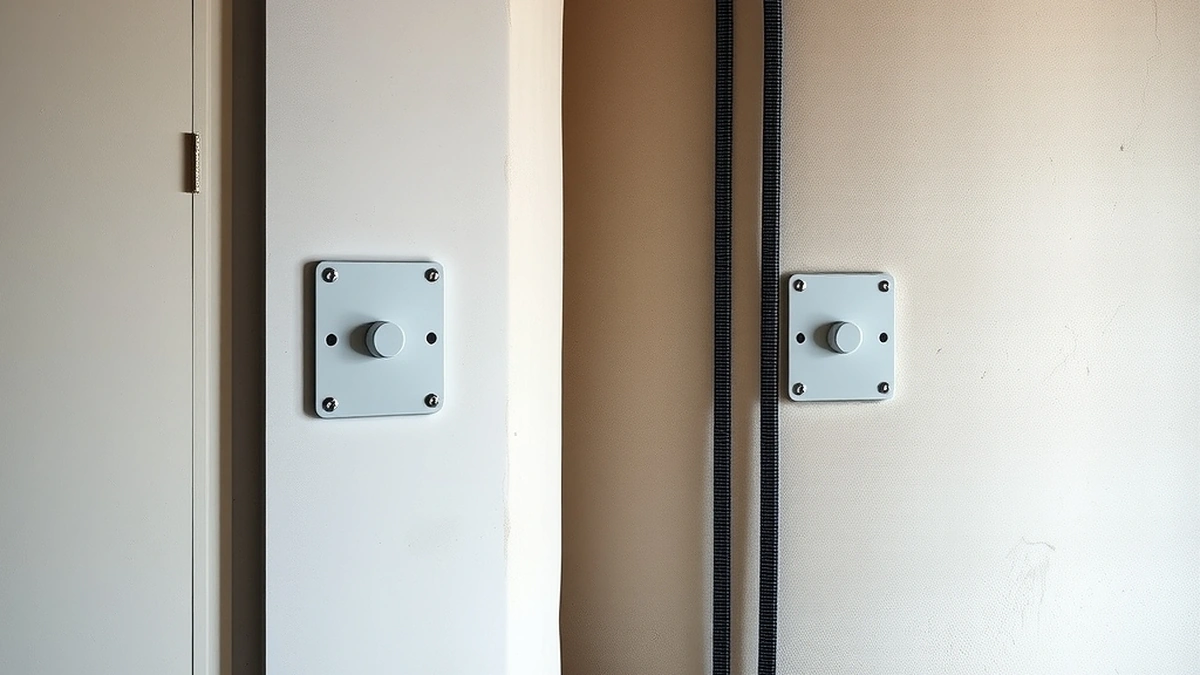
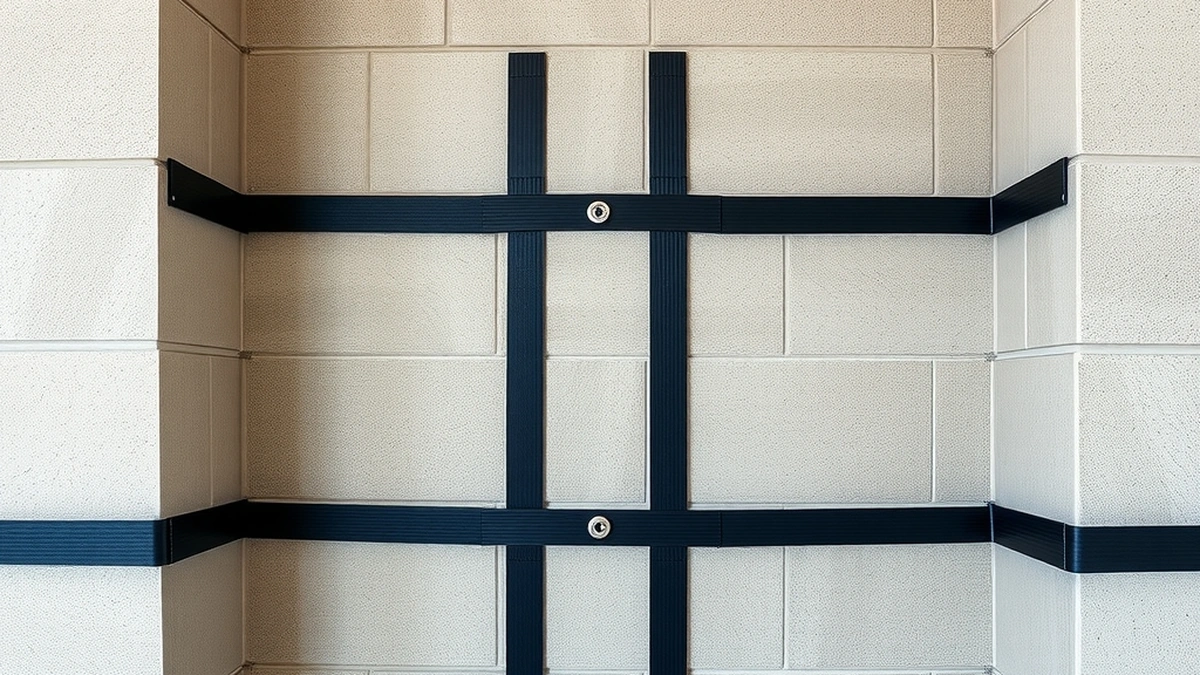
- Basement wall repair: Carbon fiber straps ($400–$1,200) and wall anchors ($500–$1,500 each) depend on wall movement. If movement is under 2 inches, repair is often viable. Beyond that, structural assessment is needed before any contractor quote.
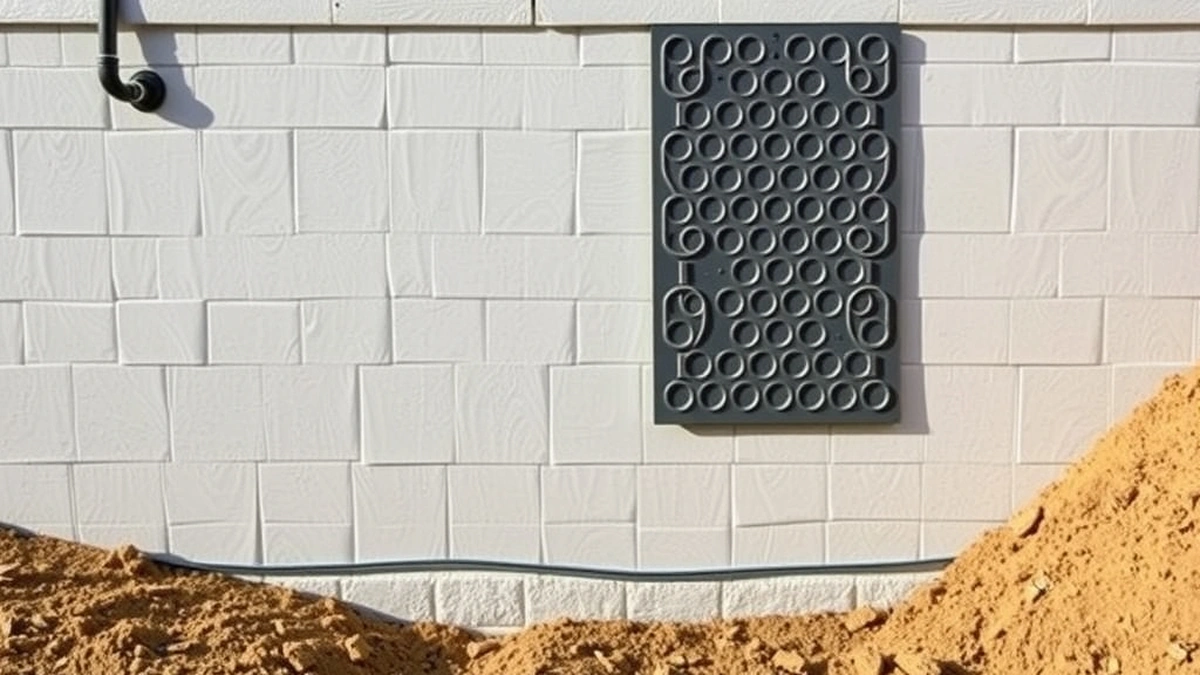
- Crawl space encapsulation: Jobs range from $4,000 to $15,000 or $3 to $8 per square foot. Local contractors often have better access to regional vapor barrier suppliers and crawl space conditions.
For major repairs costing $20,000 to $40,000, get at least three itemized quotes. Compare pier count, pier type, depth assumptions, warranty language, and permit responsibility—not just the bottom line.
Questions to Ask Before Signing
Use the same list for both national and local contractors:
- How many piers or anchors do you recommend, and at what depth to bearing?
- What is the unit price per pier, and what is the total job price?
- Is the warranty lifetime, limited, or transferable?
- What is the warranty transfer fee?
- Who pulls the permit, and what is the expected timeline?
- Will you use employees or subcontractors?
- Can you provide a written scope based on an engineer’s inspection?
If a contractor cannot answer the depth-to-bearing question or refuses to put the warranty terms in writing, remove them from consideration regardless of whether they are national or local.
The best contractor is the one who measures first, proposes a method matched to the measured movement, and provides a written price with clear warranty and permit terms. National reach does not guarantee better engineering, and local ownership does not guarantee lower cost. Compare the numbers, not the brand.
Next, compare foundation repair cost, pier and beam foundation repair cost, foundation crack repair cost before you commit.
Frequently asked questions
Is a national contractor always more expensive?
Not necessarily. Large firms may have standardized pricing, but local contractors often have lower overhead. Always compare itemized quotes.
Which contractor type handles permits better?
Local contractors usually know city and county permit requirements directly; national firms may subcontract that work.
Are pier warranties transferable?
Lifetime pier warranties are commonly transferable, though transfer fees typically run $100–$500.
Should I get an engineer inspection first?
Yes. An engineer inspection costs $400–$1,500 and helps you compare contractor quotes on the same measurements.
How long does permit approval take?
Permits vary by city and county and typically take 1–3 weeks.
Can I negotiate pier counts between contractors?
Yes. Ask each contractor to justify pier count, depth to bearing, and placement based on crack width and displacement.
Sources
Some links are affiliate links.If you buy through them we may earn a commission at no extra cost to you. We do not accept payment for rankings. Read the full disclosure.