Wall Anchor Cost for a Bowing Basement
What wall anchors cost per unit and per job, plus how anchor count, depth, and soil affect the final price.
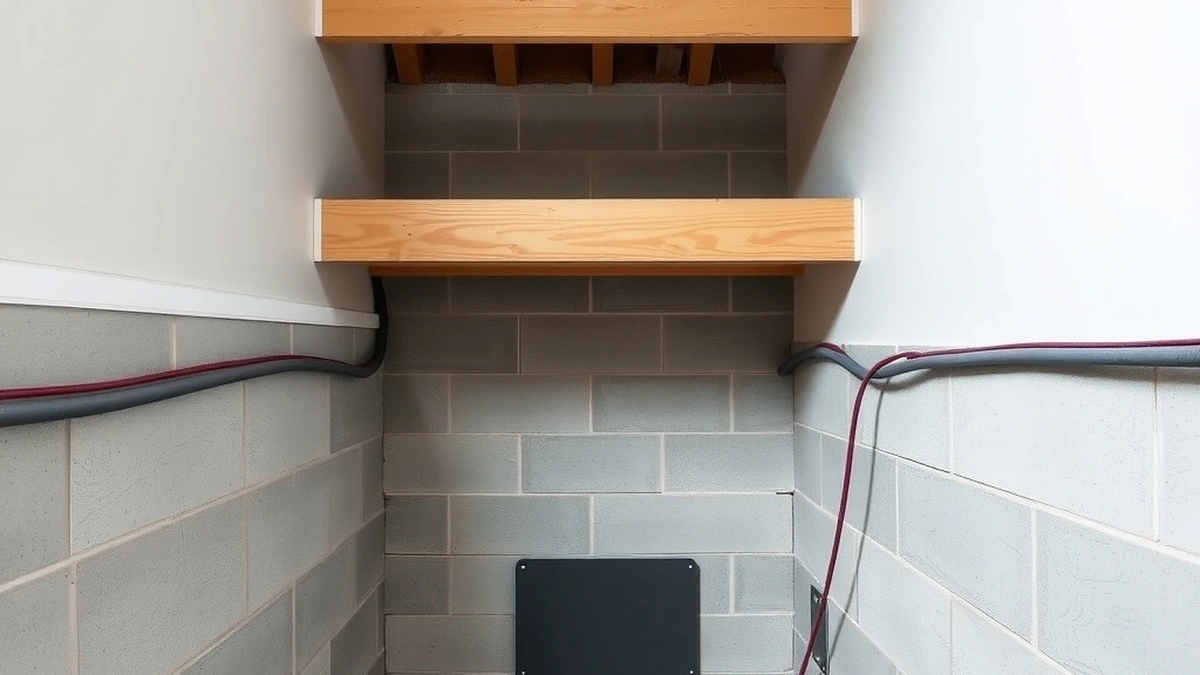
Wall anchors typically cost $500–$1,500 each installed, with most bowing basement jobs landing between $4,000 and $15,000 depending on anchor count and site conditions.
- Cost per anchor (installed)
- $500–$1,500
- Typical job range
- $4,000–$15,000
- Major repair range
- $20,000–$40,000
- Engineer inspection
- $400–$1,500
- Wall movement limit
- 2 inches
Some links on this page are affiliate links.If you buy through them we may earn a commission at no extra cost to you. We do not accept payment for rankings. Read the full disclosure.
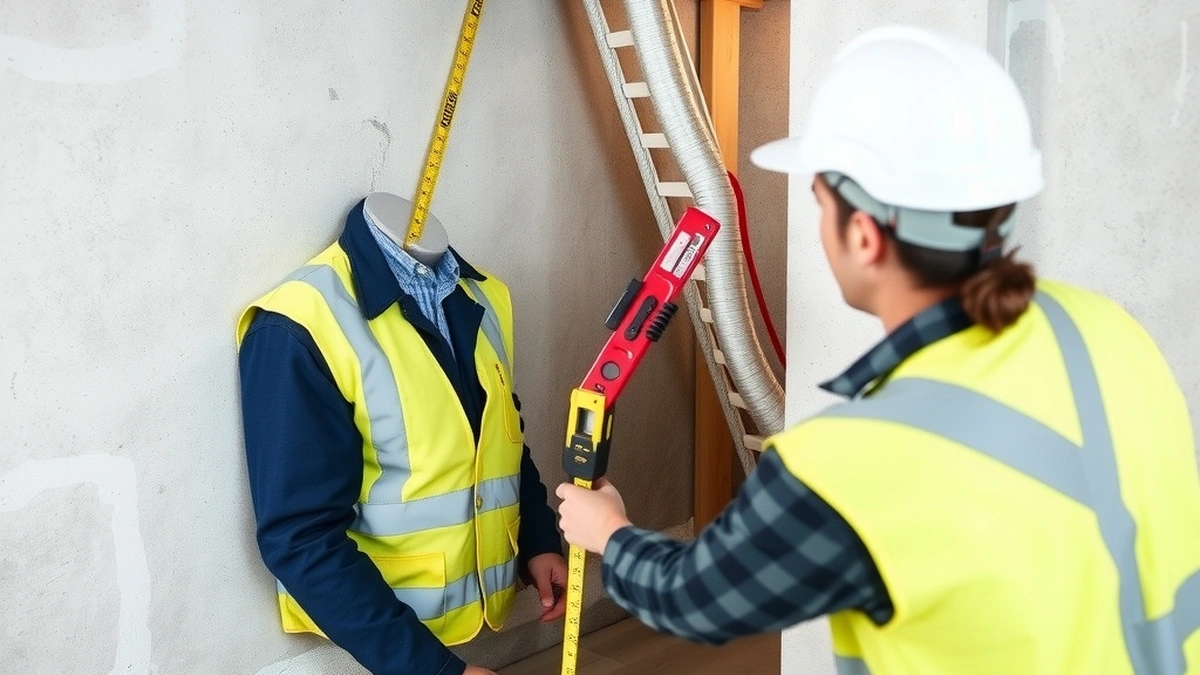
Wall anchors for a bowing basement wall typically cost $500–$1,500 each installed. A full residential job usually falls inside the broader average repair range of $4,000–$15,000, though the final price depends on how many anchors the wall requires and how deep they must be set to reach stable soil. Measure the crack width and wall displacement first, then select the repair method, then price the work.
How Wall Anchors Work
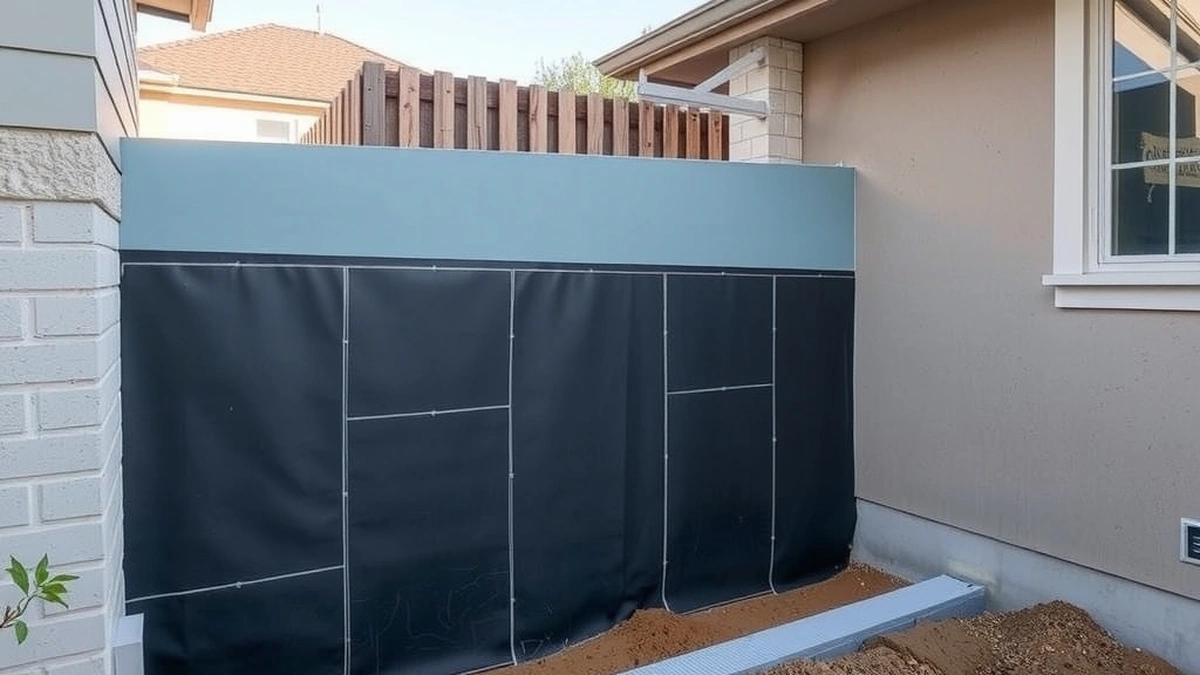
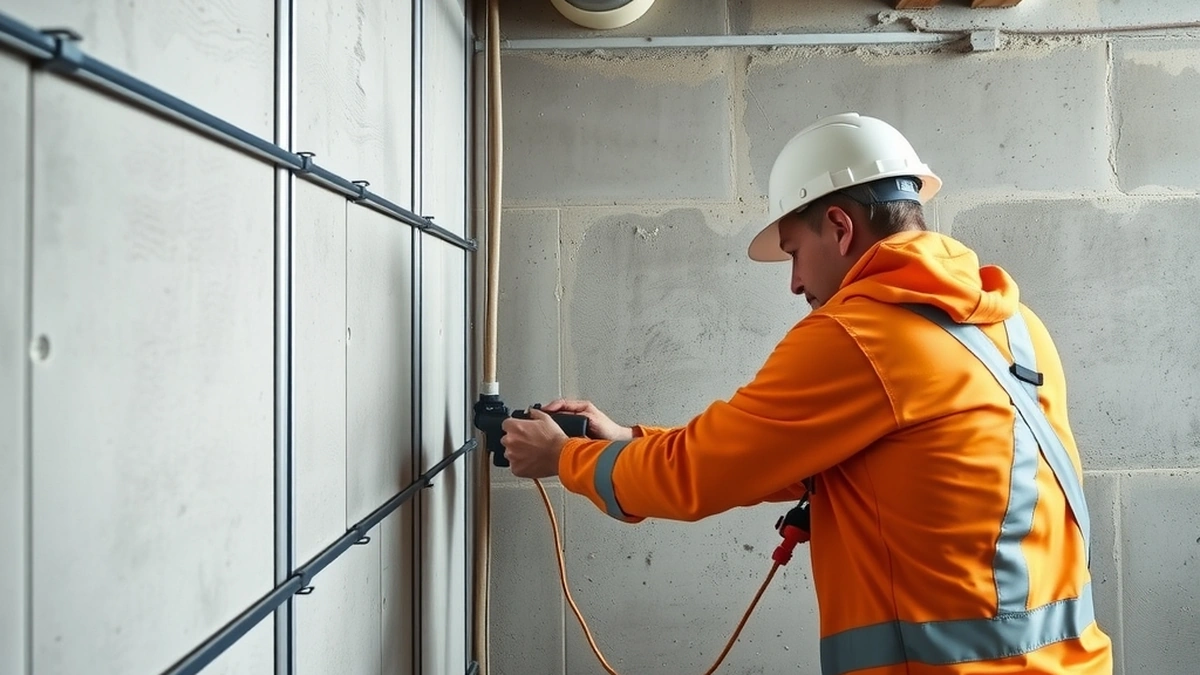
A wall anchor system consists of an interior wall plate, a threaded rod, and an exterior earth anchor buried in stable soil away from the foundation. Tightening the rod pulls the bowed wall back toward its original position over time. The system counteracts lateral soil pressure rather than replacing the wall.
This method is appropriate when the wall is bowing but has not failed structurally. If movement exceeds the 2-inch wall movement limit, or if the wall is severely deteriorated, replacement may be the only sound option. Replacement costs $40,000–$150,000 and is reserved for walls that cannot be stabilized.
Cost Breakdown by Anchor Count
The unit price for a wall anchor is $500–$1,500. Multiplying that by the number of anchors gives a baseline material and labor estimate before permits, engineering, or excavation extras.
| Anchors | Low estimate ($500 each) | High estimate ($1,500 each) |
|---|---|---|
| 3 | $1,500 | $4,500 |
| 5 | $2,500 | $7,500 |
| 7 | $3,500 | $10,500 |
| 9 | $4,500 | $13,500 |
Most single-wall bowing repairs use between five and nine anchors. A job with seven anchors at $1,000 each, for example, runs about $7,000 for the anchor hardware and installation alone. Add an engineer inspection at $400–$1,500 if the local building department or the repair scope requires a structural sign-off.
These figures are estimates. Actual pricing varies by region, access conditions, and whether exterior excavation is needed.
Factors That Move the Price
Anchor count is the biggest cost driver, but several site conditions can push the total higher or lower:
- Wall length and bow severity. A longer wall or a more severe bow generally requires more anchors spaced closer together.
- Depth to bearing. The exterior anchor must reach stable, undisturbed soil. Deeper excavation means more labor and equipment time.
- Exterior access. Tight lots, decks, patios, or landscaping near the wall increase labor because equipment cannot reach the excavation points easily.
- Soil type. Clay-heavy or rocky soil slows digging and may require additional anchoring depth.
- Permits and engineering. Permit costs and timelines vary by city and county, typically taking 1–3 weeks. An engineer inspection costs $400–$1,500.
For comparison, other foundation repair methods carry different unit economics. Push piers cost $1,000–$3,000 each, and helical piers cost $700–$2,500 each. A full pier job often runs $6,000–$30,000. Carbon fiber straps cost $400–$1,200 each but are a restraint system, not a soil-pressure counteractive system like wall anchors.
Wall Anchors vs. Carbon Fiber Straps
Carbon fiber straps are sometimes presented as an alternative for bowing walls. Straps cost $400–$1,200 each and are epoxied to the interior face of the wall. They prevent further inward movement but do not pull the wall back outward against soil pressure.
Wall anchors cost more per unit—$500–$1,500—but they actively resist lateral earth loads and can gradually straighten a bowed wall. The choice depends on the wall’s condition, the amount of movement, and whether the goal is restraint or correction. A contractor should measure crack width and displacement before recommending one over the other. Hairline cracks under 1/16 inch are typically cosmetic, while cracks at or above 1/8 inch warrant closer monitoring.
When to Get an Engineer Involved
An engineer inspection costs $400–$1,500 and typically has a lead time of 1–2 weeks. You should involve a structural engineer if:
- The wall is bowing more than 2 inches.
- Cracks are widening or show displacement.
- The local building department requires stamped plans for the repair.
- You are unsure whether the wall can be stabilized or needs replacement.
Engineering input protects against over-engineering a simple repair or under-engineering a failing wall. It also provides documentation that can matter during a home sale.
Permits, Timeline, and Warranty
Permit requirements vary by city and county and typically take 1–3 weeks to approve. The contractor or homeowner must secure permits before excavation begins in most jurisdictions.
Warranty terms differ by installer. Pier systems often carry lifetime transferable warranties, while wall anchor warranties depend on the manufacturer and contractor. A warranty transfer fee, when applicable, usually runs $100–$500. Ask for warranty terms in writing before signing a contract.
Installation time for a typical wall anchor job is usually a few days per wall, assuming exterior access is clear and weather permits excavation. Interior work is limited to mounting wall plates and threading rods; the exterior anchor installation drives the schedule.
Next Steps
Start by measuring the crack width and recording any wall displacement. If cracks are under 1/16 inch, the issue may be cosmetic. If cracks reach 1/8 inch or the wall is visibly bowing, request an inspection. Use the anchor count and unit price range above to build a rough budget, then confirm the final scope with a contractor who can verify depth to bearing and exterior access.
For broader cost context, see our guides on foundation repair cost, carbon fiber foundation repair cost, and pier and beam foundation repair cost. All figures in this article are estimates; actual pricing requires an on-site measurement.
Frequently asked questions
How much does one wall anchor cost?
One installed wall anchor typically costs $500–$1,500, depending on soil conditions, anchor depth, and local labor rates.
How many anchors does a bowing wall need?
Anchor count depends on wall length and the degree of bow; a contractor determines spacing after measuring crack width and displacement.
Are wall anchors cheaper than carbon fiber straps?
Wall anchors run $500–$1,500 each versus $400–$1,200 per carbon fiber strap, but anchors address soil pressure while straps mainly restrain movement.
Do I need a permit for wall anchors?
Permit requirements vary by city and county and typically take 1–3 weeks to process; check with your local building department.
How long does an engineer inspection take?
Inspection lead time is usually 1–2 weeks, and the inspection itself costs $400–$1,500.
When should a bowed wall be replaced instead of repaired?
Replacement is generally considered when a wall has failed structurally or movement exceeds safe repair limits; a structural engineer makes that call.
Sources
Some links are affiliate links.If you buy through them we may earn a commission at no extra cost to you. We do not accept payment for rankings. Read the full disclosure.