Push Pier Cost and What Drives the Count
Push pier pricing per unit, typical job totals, and the structural factors that determine how many piers a foundation repair needs.
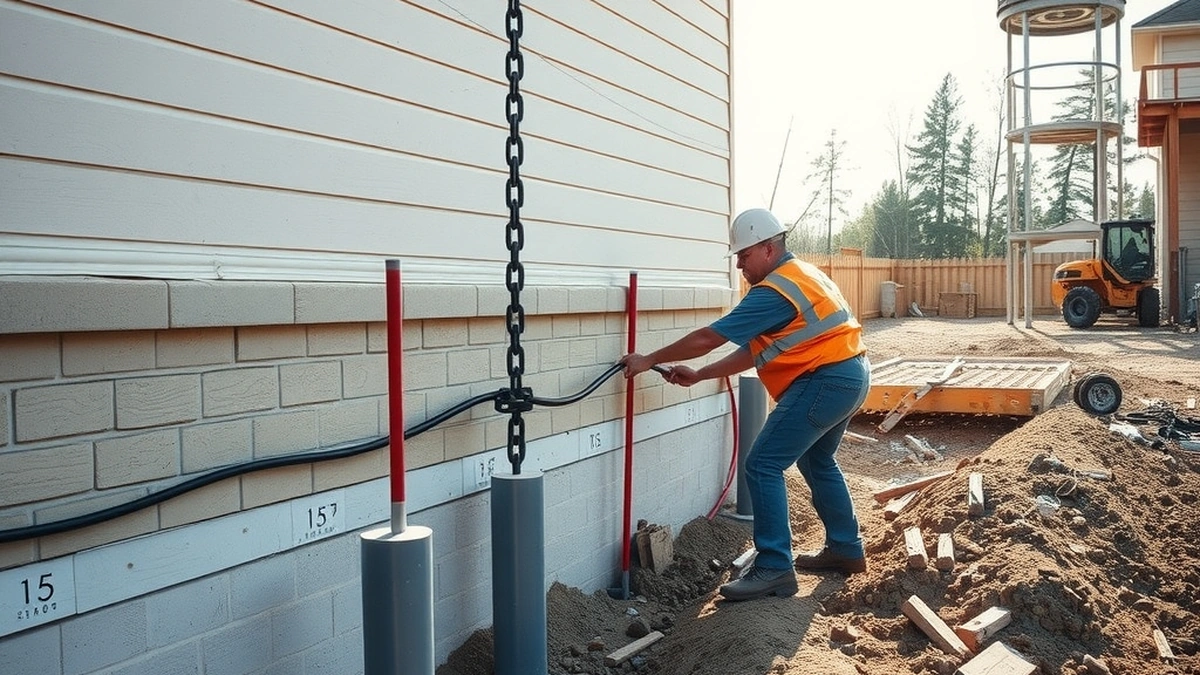
Push piers typically cost $1,000–$3,000 each, with most residential jobs landing between $6,000 and $30,000 depending on pier count, depth, and site access.
- Cost per push pier
- $1,000–$3,000
- Typical full job
- $6,000–$30,000
- Average foundation repair
- $4,000–$15,000
- Engineer inspection
- $400–$1,500
- Pier warranty
- Lifetime (transferable)
Some links on this page are affiliate links.If you buy through them we may earn a commission at no extra cost to you. We do not accept payment for rankings. Read the full disclosure.
Push piers typically cost $1,000–$3,000 each installed, and a full residential job usually falls between $6,000 and $30,000. The total is not a flat fee; it is driven by the number of piers required, which depends on foundation dimensions, soil bearing capacity, and how much the structure has settled. Measure first, method second, price third.
What a Push Pier Costs Per Unit
A push pier is a steel shaft driven hydraulically through a foundation bracket until it reaches load-bearing soil or bedrock. The price per pier covers the bracket, the pier segments, labor, equipment, and load testing. At $1,000–$3,000 each, four piers cost roughly $4,000–$12,000, while eight piers run about $8,000–$24,000 before inspection, permits, or finishing work.
For context, the broader foundation repair market averages $4,000–$15,000, with major structural work reaching $20,000–$40,000. Full foundation replacement can run $40,000–$150,000. Push pier pricing sits within that range because pier count and depth scale with the size of the problem.
What Drives the Pier Count
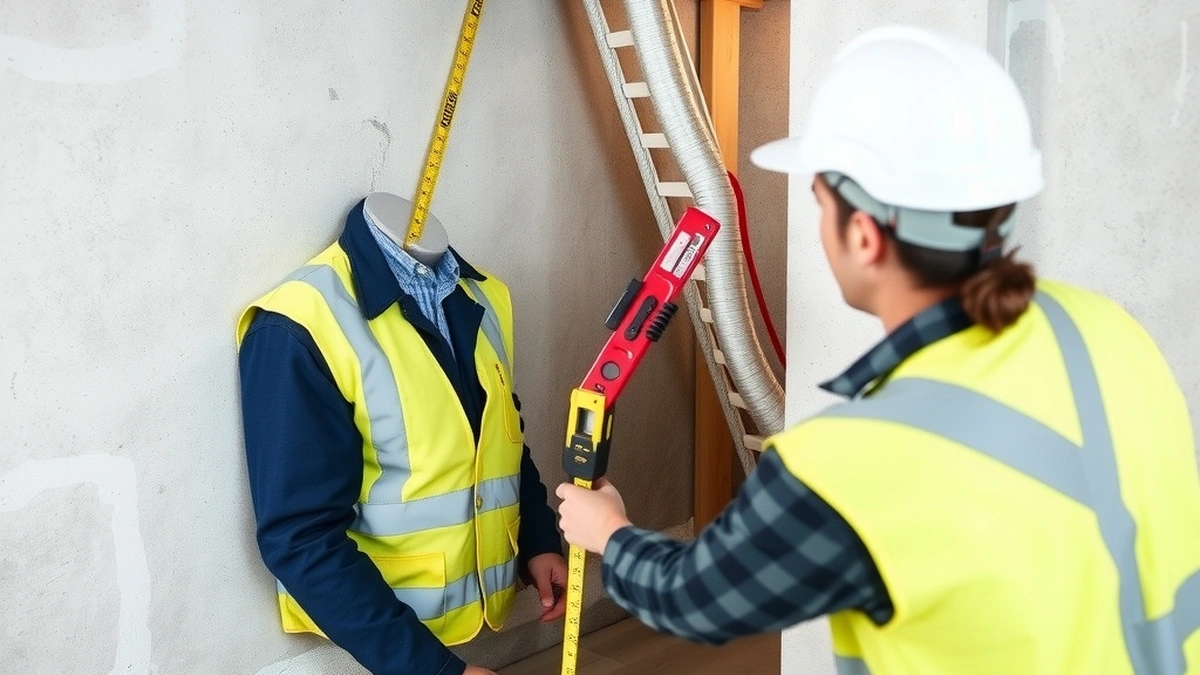
Pier count is a structural calculation, not a guess. A contractor or engineer evaluates three primary factors.
Foundation length and load distribution. A longer foundation wall carries more weight and generally needs more support points. Piers are typically spaced at intervals based on tributary load—the amount of building weight each pier must carry. If the footing supports a two-story home with brick veneer, the load per linear foot is higher than for a single-story wood-frame home, which can mean more piers or closer spacing.
Settlement pattern. Uniform sinking across the whole foundation may require a series of piers along the affected wall. Localized settlement, such as one corner dropping, may need fewer piers concentrated at that point. Crack width offers an early clue: cracks under 1/16 inch are usually cosmetic, while cracks near or above 1/8 inch warrant closer monitoring. Wall movement beyond 2 inches often signals a more serious condition that may change the repair scope.
Depth to bearing soil. Push piers are driven until they hit refusal—soil or rock strong enough to support the structure. In shallow bearing conditions, each pier uses fewer segments and less time. In deep soft soils, crews may need to push 20 feet or more per pier, increasing labor and material cost per unit even if the count stays the same.
Site access also matters. Tight clearance between homes, limited driveway space, or extensive landscaping can slow setup and add labor hours without changing the pier count itself.
How the Math Adds Up
Here is a sample cost model for a mid-sized home with moderate settlement along one wall:
| Item | Quantity | Unit Cost | Subtotal |
|---|---|---|---|
| Engineer inspection | 1 | $400–$1,500 | $400–$1,500 |
| Push piers | 6 | $1,000–$3,000 | $6,000–$18,000 |
| Permits and miscellaneous | 1 | varies | varies |
| Estimated total | — | — | $6,400–$19,500+ |
If the same home needed 10 piers because of heavier loads or deeper bearing strata, the pier portion alone becomes $10,000–$30,000, pushing the job toward the top of the typical $6,000–$30,000 range.
These figures are estimates. Actual pricing requires an on-site measurement of crack width, floor elevation changes, and soil conditions.
Push Piers vs. Alternatives
Push piers are designed to lift and stabilize settled foundations by transferring weight to deeper bearing strata. They are not the only option, and the right method depends on the foundation type and problem.
Helical piers cost $700–$2,500 each and are screwed into the soil rather than pushed. They often work well for lighter structures or where installation equipment cannot generate enough downward force for push piers. For slab foundations with localized sinking, slab lifting runs $3–$12 per square foot using mudjacking ($3–$8 per square foot) or poly foam ($5–$15 per square foot). Mudjacking typically lasts 5–15 years.
Bowing basement walls are a different failure mode. Carbon fiber straps cost $400–$1,200 each and address minor wall movement, while wall anchors cost $500–$1,500 each and resist inward pressure. Crawl space encapsulation runs $3–$8 per square foot or $4,000–$15,000 per job, but it manages moisture rather than structural settlement.
If a foundation has failed beyond repair—generally when roughly one-third of the structure is compromised—replacement at $40,000–$150,000 may be the only option. Restoration work, when applicable, often runs 10–25 percent of structural repair costs.
Inspection, Permits, and Warranty
Before any pier is ordered, an engineer inspection typically costs $400–$1,500 and takes 1–2 weeks to schedule. The inspection produces a measured plan: crack widths, elevation differentials, and specified pier locations. Permits vary by city and county and typically take 1–3 weeks to approve.
Push pier warranties are typically lifetime and transferable. If the home sells, a transfer fee of $100–$500 may apply. Transferable coverage can matter at resale, but it does not change the upfront engineering requirement.
Getting an Accurate Quote
Start with a measured inspection, not a phone estimate. Ask for the pier count, depth to bearing, and unit price in writing. Compare that against the cost of alternatives such as helical piers or slab lifting, and confirm whether the quote includes inspection, permits, and post-installation elevation checks.
Foundation repair is priced by the pier, but the pier count is set by the structure. Numbers first.
Next, compare foundation repair cost, pier and beam foundation repair cost, foundation crack repair cost before you commit.
Frequently asked questions
How much does one push pier cost?
A single push pier typically costs $1,000–$3,000 installed, depending on depth, soil conditions, and regional labor rates.
What is the total cost for a push pier job?
Most push pier foundation repairs range from $6,000 to $30,000, with the final price driven mainly by how many piers are required.
How many push piers does a house need?
Pier count depends on foundation length, load distribution, and settlement pattern; a structural engineer determines the spacing and quantity after inspection.
Are push piers cheaper than helical piers?
Push piers run $1,000–$3,000 each versus $700–$2,500 for helical piers, but the right type depends on soil and structure, not price alone.
Do push piers come with a warranty?
Push pier warranties are typically lifetime and transferable, though a transfer fee of $100–$500 may apply when the home sells.
Is an engineer inspection required before installing piers?
An engineer inspection usually costs $400–$1,500 and is the standard first step to measure movement and specify pier placement.
Sources
Some links are affiliate links.If you buy through them we may earn a commission at no extra cost to you. We do not accept payment for rankings. Read the full disclosure.