Helical Pier Cost Per Pier and Per Job in 2026
A numbers-first breakdown of helical pier pricing per unit and per foundation repair job, with comparison to push piers and other methods.
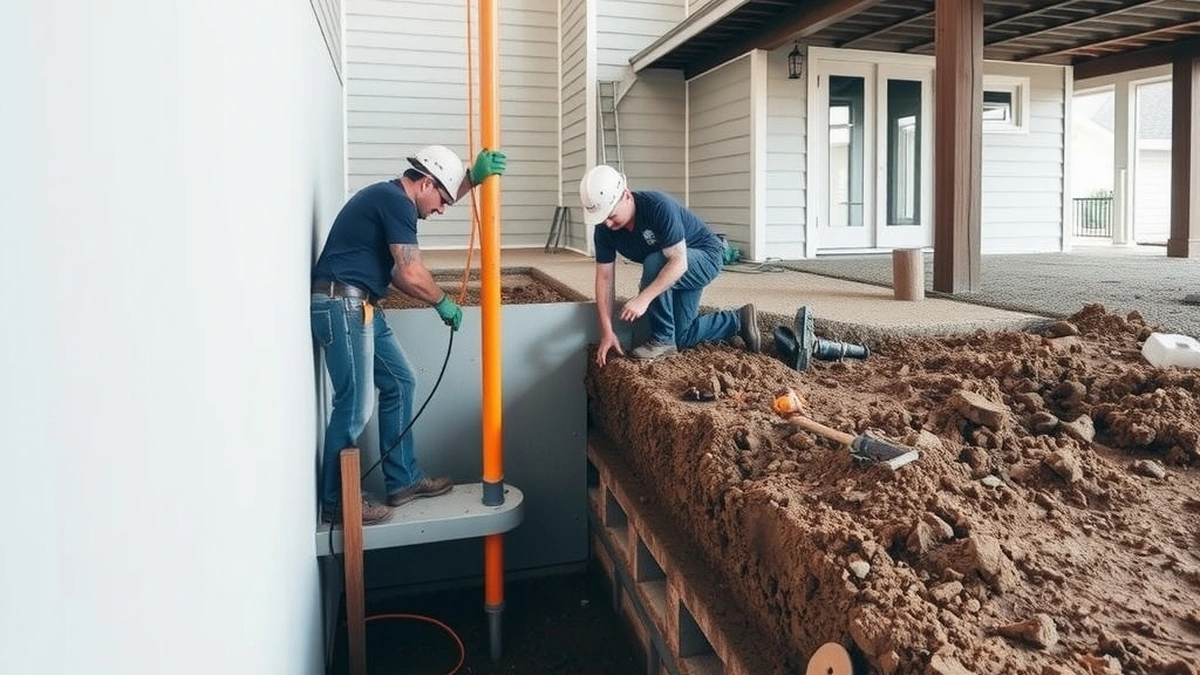
Helical piers typically cost $700–$2,500 per pier installed, with most residential foundation jobs landing between $6,000 and $30,000 total depending on pier count, depth, and site conditions.
- Cost per helical pier (installed)
- $700–$2,500
- Typical full pier job
- $6,000–$30,000
- Engineer inspection
- $400–$1,500
- Pier warranty
- Lifetime (transferable)
- Permit lead time
- 1–3 weeks
Some links on this page are affiliate links.If you buy through them we may earn a commission at no extra cost to you. We do not accept payment for rankings. Read the full disclosure.
Helical piers typically cost $700–$2,500 per pier installed, and most residential foundation repair jobs fall between $6,000 and $30,000 total. The final number depends on how many piers the design calls for, how deep they must be screwed to reach bearing soil, and whether the site allows easy equipment access. This guide breaks down the unit cost, job-level cost, and how helical piers compare to other foundation repair methods.
What Drives the Cost Per Pier
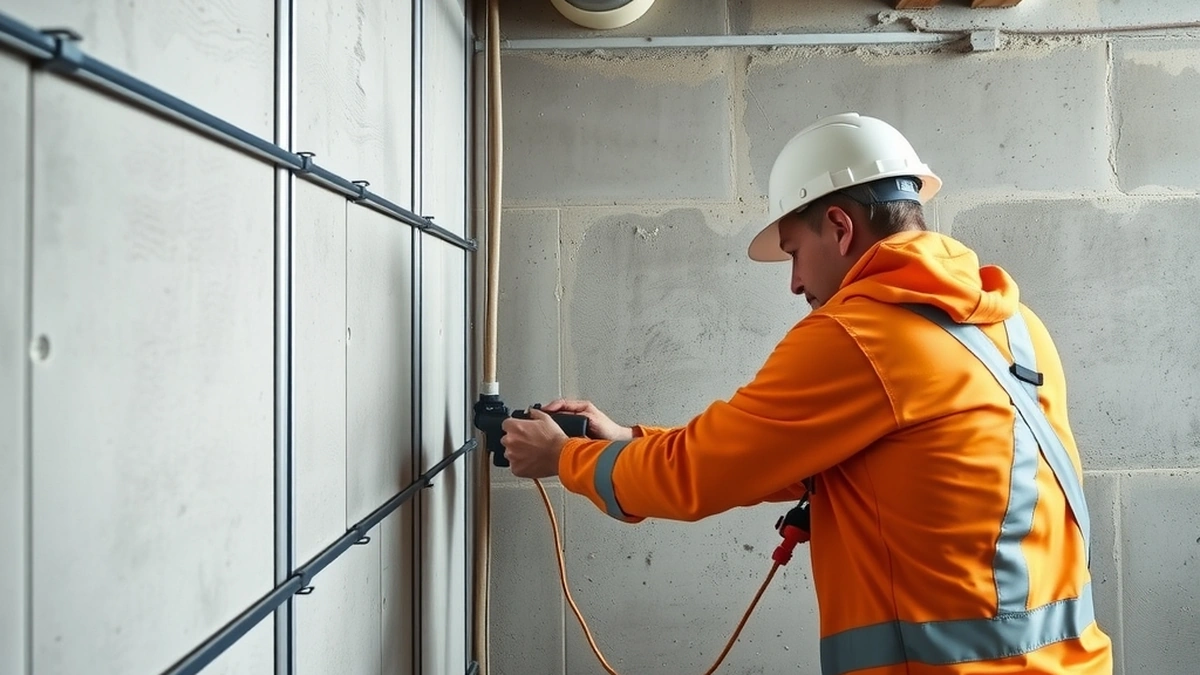
The installed price of a single helical pier covers the steel shaft, one or more helical plates, labor, and the hydraulic equipment used to rotate the pier into the ground. Contractors price by the pier because each unit is a discrete structural element that transfers load from the foundation to competent soil.
The $700–$2,500 per-pier range reflects several variables:
- Depth to bearing: Shallower installations in stable soil cost less per pier. Deeper piers require more shaft extensions and more machine time.
- Pier capacity: Heavier loads require larger-diameter shafts and bigger helical plates, which increases material cost.
- Site access: Tight crawl spaces or limited clearance may require smaller equipment or hand-assisted installation, raising labor time.
- Location: Labor rates and permitting costs vary by city and county.
For example, if a foundation repair plan calls for eight piers at $1,200 each, the pier material and installation subtotal is $9,600. If the same job requires twelve piers at $1,800 each because of deeper bearing strata, the subtotal rises to $21,600 before inspection, permits, or finishing work.
Typical Cost Per Job
A full helical pier job is rarely priced as a single flat rate. Instead, it stacks the per-pier cost with engineering, permits, mobilization, and any necessary concrete or masonry repair. Most residential jobs land between $6,000 and $30,000, which aligns with the broader average foundation repair range of $4,000–$15,000 and the major repair range of $20,000–$40,000.
Here is a simplified job estimate for a single-story home needing moderate stabilization:
| Line item | Quantity | Unit price | Line total |
|---|---|---|---|
| Engineer inspection | 1 | $400–$1,500 | $400–$1,500 |
| Helical piers | 8 | $700–$2,500 | $5,600–$20,000 |
| Permits and mobilization | 1 | Varies | Typically included or added |
| Concrete patching / finishing | 1 | Varies | Often $500–$2,000 |
| Estimated job total | $6,000–$30,000 |
This is an estimate, not a quote. A job on the low end might use six piers at shallow depth with easy access. A job on the high end might use twelve or more piers at greater depth, plus engineer stamped drawings and city permits.
Helical Piers vs. Push Piers
Helical piers are screwed into the ground using torque, while push piers are hydraulically driven straight down using the building’s weight as reaction force. Because of that difference, helical piers often work better when soil conditions are unknown or when the structure cannot provide enough reaction weight for push piers.
Cost comparison per installed pier:
- Helical pier: $700–$2,500 each
- Push pier: $1,000–$3,000 each
On a per-unit basis, helical piers are often the less expensive option. However, total job cost depends on pier count and depth, not just unit price. A push pier job requiring fewer units could still cost less overall than a helical pier job requiring more units. For more detail on push pier pricing, see /push-pier-cost/.
How Pier Count and Depth Affect Totals
Structural design determines pier count and spacing, not the contractor’s price sheet. A foundation showing 1 inch of differential movement across a 40-foot span may need fewer piers than one showing 2 inches of movement, which approaches the commonly cited wall movement limit of 2 inches before more extensive intervention is considered.
Depth to bearing is the other major cost lever. If competent soil sits 10 feet below grade, each pier is shorter and faster to install. If bearing soil is 25 feet down, each pier requires additional extensions and more torque time, pushing the unit price toward the top of the $700–$2,500 range.
Arithmetic example:
- Scenario A: 6 piers × $900 average = $5,400, plus $800 inspection = $6,200 estimated job total.
- Scenario B: 12 piers × $1,800 average = $21,600, plus $1,200 inspection and $1,000 finishing = $23,800 estimated job total.
Both scenarios fall within the $6,000–$30,000 job range, but the driver is pier count and depth, not a flat fee.
How Helical Piers Compare to Other Repair Methods
Helical piers are a structural underpinning solution. They are not interchangeable with cosmetic crack repair or slab lifting, though they may be part of a larger repair scope.
Alternative methods and typical costs:
- Mudjacking / slab lifting: $3–$12 per square foot, depending on material and method. Mudjacking specifically runs $3–$8 per square foot and typically lasts 5–15 years.
- Polyurethane foam injection: $5–$15 per square foot.
- Carbon fiber straps for wall cracks: $400–$1,200 per strap.
- Wall anchors for bowing walls: $500–$1,500 each.
- Crawl space encapsulation: $3–$8 per square foot, or $4,000–$15,000 per job.
If the issue is a settled foundation footing rather than a sinking slab or a bowing wall, piers are usually the appropriate structural repair. For slab settlement over a large area, slab lifting at $3–$12 per square foot may cost less than underpinning every affected section. For wall cracks, first measure width: cracks under 1/16 inch are generally cosmetic, while cracks near or above 1/8 inch warrant monitoring or structural evaluation.
Inspection, Permits, and Warranty
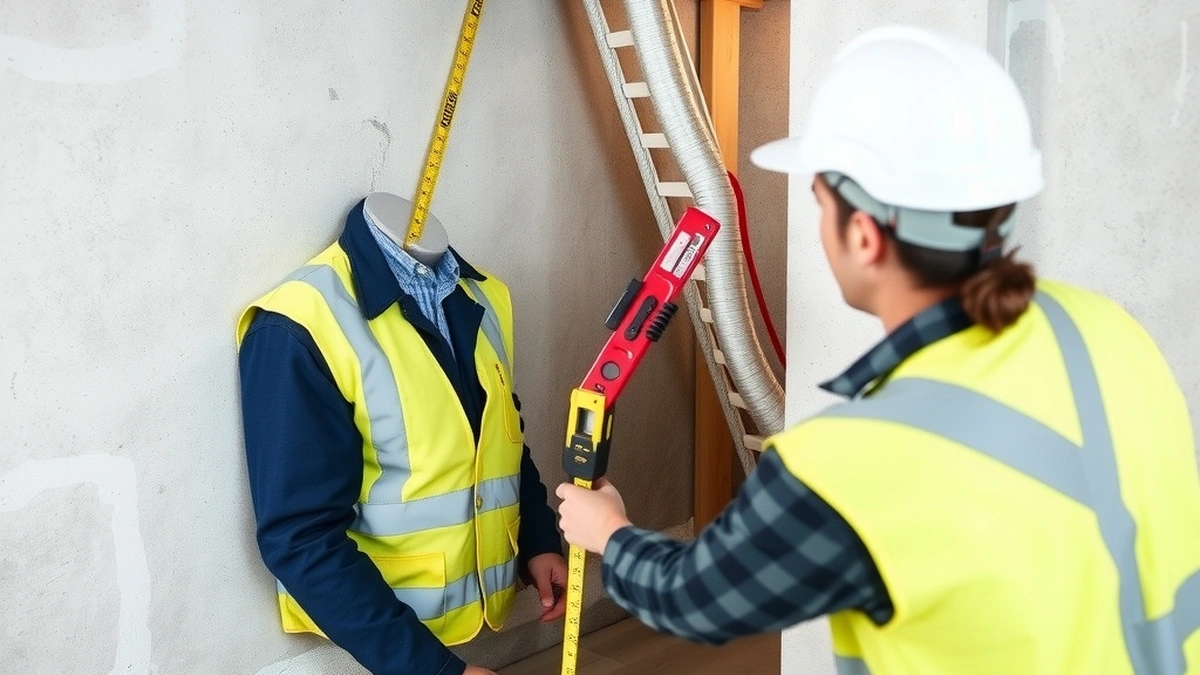
Before piers are ordered, most repair plans begin with an engineer inspection costing $400–$1,500. Scheduling typically takes 1–2 weeks. The engineer determines pier locations, depth, and load capacity, which directly sets the pier count and job price.
Permits vary by city and county and typically take 1–3 weeks to approve. Some jurisdictions require engineered drawings; others accept contractor designs. This timeline should be added to the project schedule before installation begins.
Helical pier warranties are typically lifetime and transferable. If the home is sold, a warranty transfer fee of $100–$500 may apply. Transferability can be a factor when comparing repair options, especially for homeowners planning to sell within a few years.
When Full Replacement Becomes the Comparison Point
Foundation replacement runs $40,000–$150,000 and is generally reserved for cases where the existing foundation has failed beyond practical repair. A common rule of thumb is that replacement becomes the consideration when roughly one-third of the foundation is compromised. Helical piers at $6,000–$30,000 per job are substantially less than replacement, which is why underpinning is usually attempted first when the foundation is otherwise sound.
Cosmetic restoration such as patching or painting typically adds 10–25 percent to the structural repair cost if finishing work is included in the scope.
Getting a Real Price
Because helical pier pricing is driven by pier count and depth, the only way to get an accurate number is a site-specific inspection and engineered repair plan. Measure crack width and displacement first, then determine the method, then request pricing. A contractor who quotes a flat price per pier before inspecting the soil and foundation is skipping the measurement step.
For broader cost context, see /foundation-repair-cost/. For pier-and-beam structures, see /pier-and-beam-foundation-repair-cost/. For crack-specific pricing, see /foundation-crack-repair-cost/.
Next, compare foundation repair cost, pier and beam foundation repair cost, foundation crack repair cost before you commit.
Frequently asked questions
How much does one helical pier cost?
One installed helical pier typically runs $700–$2,500, including the steel shaft, helical plates, labor, and equipment needed to screw it to bearing depth.
What does a full helical pier job cost?
Most residential helical pier foundation repairs fall between $6,000 and $30,000, driven by pier count, depth to bearing soil, and site access.
Are helical piers cheaper than push piers?
Helical piers cost $700–$2,500 each versus $1,000–$3,000 for push piers, so they are often less expensive per unit but total price depends on how many piers the design requires.
Is an engineer inspection required before installing piers?
Many jurisdictions and repair plans call for a structural engineer inspection, which typically costs $400–$1,500 and takes 1–2 weeks to schedule.
How long does a helical pier job take?
Installation usually takes a few days once permits are approved; permit processing varies by city and county and typically takes 1–3 weeks.
Are helical pier warranties transferable?
Helical pier warranties are typically lifetime and transferable, though a transfer fee of $100–$500 may apply when the home is sold.
Sources
Some links are affiliate links.If you buy through them we may earn a commission at no extra cost to you. We do not accept payment for rankings. Read the full disclosure.