What a Structural Engineer Costs in 2026
Structural engineer inspection and report fees, plus when you need one for foundation repair.

A structural engineer inspection typically costs $400–$1,500. A full structural report or stamped plan usually runs $1,000–$3,000+, depending on scope and location.
- Inspection visit
- $400–$1,500
- Structural report
- $1,000–$3,000+
- Stamped repair plan
- $1,500–$5,000+
- Hourly rate
- $100–$250 per hour
- Lead time
- 1–2 weeks
Some links on this page are affiliate links.If you buy through them we may earn a commission at no extra cost to you. We do not accept payment for rankings. Read the full disclosure.
A structural engineer inspection typically costs between $400 and $1,500. A full written structural report or stamped repair plan usually adds $1,000 to $5,000 or more, depending on the scope of work and where the property is located. These fees are separate from the actual foundation repair, which averages $4,000 to $15,000 for most residential jobs.
What You Pay For
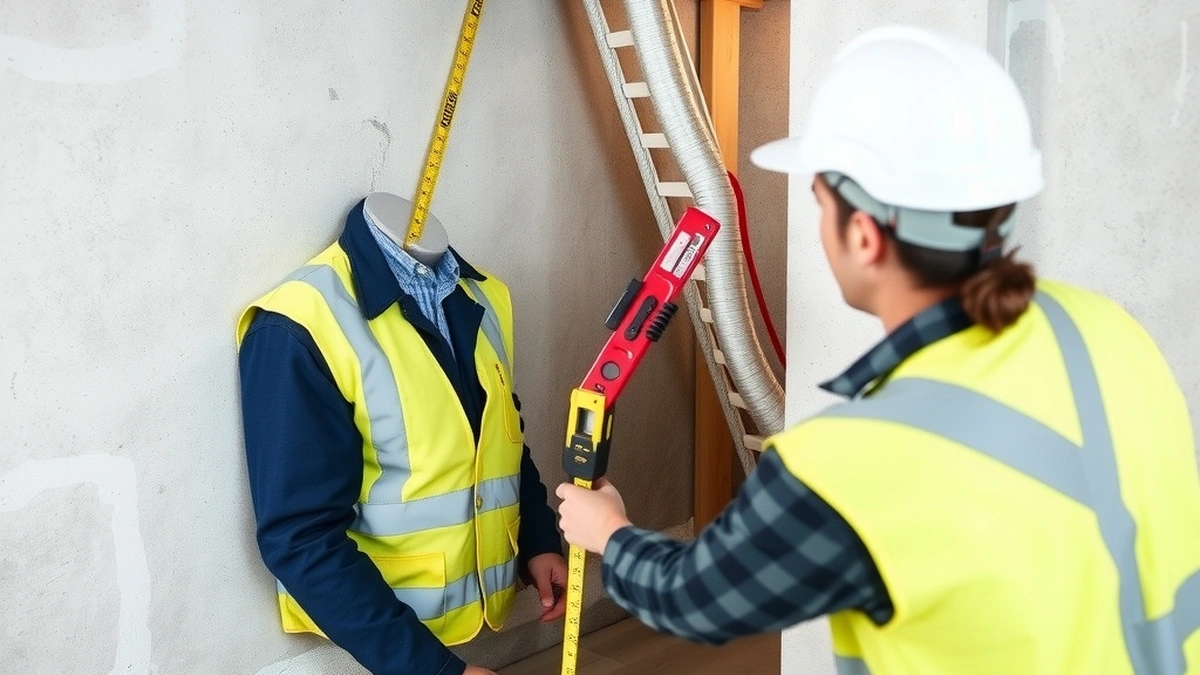
Engineer pricing breaks down into three common deliverables. An inspection visit covers the site trip, visual evaluation, and basic measurements such as crack width and floor elevation. A written report documents findings, identifies the likely cause, and recommends a repair method. A stamped plan adds a professional seal that building departments or insurers may require before work begins.
Typical fee ranges are estimates, not quotes:
- Inspection only: $400–$1,500
- Written structural report: $1,000–$3,000+
- Stamped repair plan: $1,500–$5,000+
- Hourly consulting: $100–$250 per hour
Travel time, foundation size, and whether the engineer must review soil reports or prior contractor bids can push the total higher. Lead time to schedule an inspection is typically 1–2 weeks.
When an Engineer Is Worth the Fee
Not every crack requires a structural engineer. Hairline cracks under 1/16 inch are generally cosmetic, and cracks under 1/8 inch often fall into a watch-and-wait category. However, you should consider hiring an engineer when:
- Cracks exceed 1/8 inch or show active displacement
- A wall has moved more than 2 inches from its original position
- You need a permit and the building department asks for stamped drawings
- An insurance claim or real estate dispute requires an independent opinion
- You are comparing repair methods, such as push piers versus helical piers, and want an unbiased specification
For context, common repair costs include push piers at $1,000–$3,000 each, helical piers at $700–$2,500 each, and a full pier job at $6,000–$30,000. Spending $400–$1,500 on an inspection can prevent paying for the wrong repair method.
How Engineer Fees Compare to Repair Costs
Foundation repair is usually priced by the method and quantity. A contractor might propose carbon fiber straps at $400–$1,200 each, wall anchors at $500–$1,500 each, or slab lifting at $3–$12 per square foot. Mudjacking runs $3–$8 per square foot, while poly foam injection runs $5–$15 per square foot. Crawl space encapsulation costs $3–$8 per square foot or $4,000–$15,000 per job.
Major structural work can reach $20,000–$40,000, and full foundation replacement can run $40,000–$150,000. Restoration work typically amounts to 10–25% of the structural repair cost. Against those figures, an engineer’s inspection fee is a small fraction of the total project budget.
Here is a sample comparison for a hypothetical home needing pier installation:
| Item | Low Estimate | High Estimate |
|---|---|---|
| Engineer inspection | $400 | $1,500 |
| Stamped repair plan | $1,500 | $5,000 |
| Eight push piers at $1,000–$3,000 each | $8,000 | $24,000 |
| Total project with engineer | $9,900 | $30,500 |
Permits vary by city and county and typically take 1–3 weeks to approve. The engineer’s report is often part of that permit package.
What Affects the Price
Several variables move the cost within the ranges above:
- Property location: Engineers in high-cost metro areas charge more than those in rural areas. Travel beyond a standard radius may add a mileage or trip fee.
- Foundation type: A slab-on-grade inspection takes less time than a multi-level basement with crawl space access and limited lighting.
- Report detail: A one-page letter costs less than a multi-page report with elevation maps, crack monitors, and load calculations.
- Stamping requirement: A plan that must bear a professional engineer’s seal for a building department carries a higher liability and administrative cost than an informal opinion.
- Follow-up visits: Construction observation or a final compliance letter is usually billed separately from the initial inspection.
How to Hire Without Overpaying
Ask for a written fee schedule before the visit. Confirm whether the price includes a written report, how many hours are covered, and what follow-up costs apply. Request a sample report if you want to see the level of detail.
Check whether the engineer is independent of the repair contractor. An engineer who also sells piers or encapsulation may have a conflict of interest. You want a measurement-first opinion, not a sales pitch.
If you already have a contractor’s proposal, an engineer can review it for a flat hourly rate. For example, two hours at $150 per hour equals $300 to evaluate whether a proposed $12,000 pier job matches the observed damage.
Repair Costs by Method
Once the engineer defines the problem, repair pricing follows the method. Common ranges include:
- Push piers: $1,000–$3,000 per pier
- Helical piers: $700–$2,500 per pier
- Full pier job: $6,000–$30,000
- Mudjacking: $3–$8 per square foot
- Poly foam lifting: $5–$15 per square foot
- Carbon fiber straps: $400–$1,200 each
- Wall anchors: $500–$1,500 each
Average residential foundation repair lands between $4,000 and $15,000. Major structural repairs run $20,000–$40,000. Full replacement ranges from $40,000 to $150,000. Warranty transfer fees, where applicable, run $100–$500, and pier warranties are typically lifetime and transferable.
If you are researching a specific repair path, see our guides on foundation repair cost, pier and beam foundation repair cost, and foundation crack repair cost. For method-specific pricing, our pages on mudjacking cost, helical pier cost, push pier cost, carbon fiber foundation repair cost, and wall anchor cost break down each option by unit price and typical job totals.
Bottom Line
Expect to pay $400–$1,500 for a structural engineer inspection and $1,000–$5,000 or more for a report or stamped plan. These fees are separate from repair costs, which average $4,000–$15,000 for most homes. An engineer is most valuable when cracks exceed 1/8 inch, walls move beyond 2 inches, or a permit requires stamped drawings. Measure first, specify second, and price third.
Frequently asked questions
How much does a structural engineer inspection cost?
An on-site foundation inspection by a structural engineer typically runs $400–$1,500, depending on travel distance, property size, and report detail.
Is a structural report required before foundation repair?
Not always. Many repairs proceed with a contractor assessment, but an engineer report is often required for permits, structural changes, or insurance claims.
How long does it take to get an engineer inspection?
Inspection lead time is typically 1–2 weeks, though it can vary by region and engineer availability.
What does a stamped structural plan cost?
Stamped plans for foundation repair or underpinning generally cost $1,500–$5,000+, based on complexity and local jurisdiction requirements.
Can I use one engineer for inspection and repair oversight?
Yes, but clarify fees upfront. Inspection, report writing, and construction observation are usually billed separately or as a phased scope.
Does engineer cost depend on foundation type?
Yes. Inspecting a slab, crawl space, or basement can change the time on site and the type of measurements needed, which affects the final fee.
Sources
Some links are affiliate links.If you buy through them we may earn a commission at no extra cost to you. We do not accept payment for rankings. Read the full disclosure.