Root Barrier Cost: Per Foot and Per Job
A root barrier costs $8 to $20 per linear foot installed, so a 50-foot run runs $400 to $1,000. See depth, materials, and when it is needed.
A root barrier costs $8 to $20 per linear foot installed, so a 50-foot run runs $400 to $1,000. Deeper barriers, difficult access, and mature trees push the price toward the top of the range.
- Cost per linear ft
- $8 - $20
- 50-foot run
- $400 - $1,000
- Typical job
- $500 - $4,000
- Barrier depth
- 24 - 36 inches
- Tree removal
- $500 - $2,500
Some links on this page are affiliate links.If you buy through them we may earn a commission at no extra cost to you. We do not accept payment for rankings. Read the full disclosure.
A root barrier costs $8 to $20 per linear foot installed, so a 50-foot run between a large tree and a house foundation comes to $400 to $1,000. The price is driven by depth and access more than by the panel itself. A barrier is prevention, not repair, and it is the cheapest way to keep a tree from drying the soil under a footing.
What a Root Barrier Does
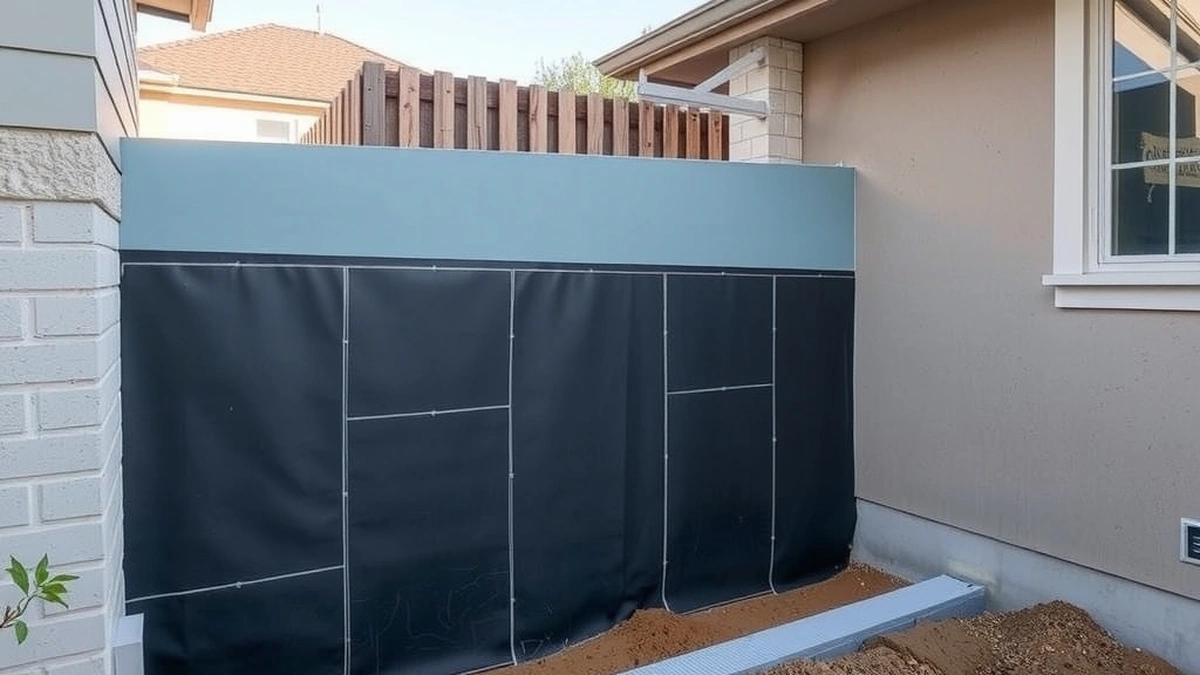
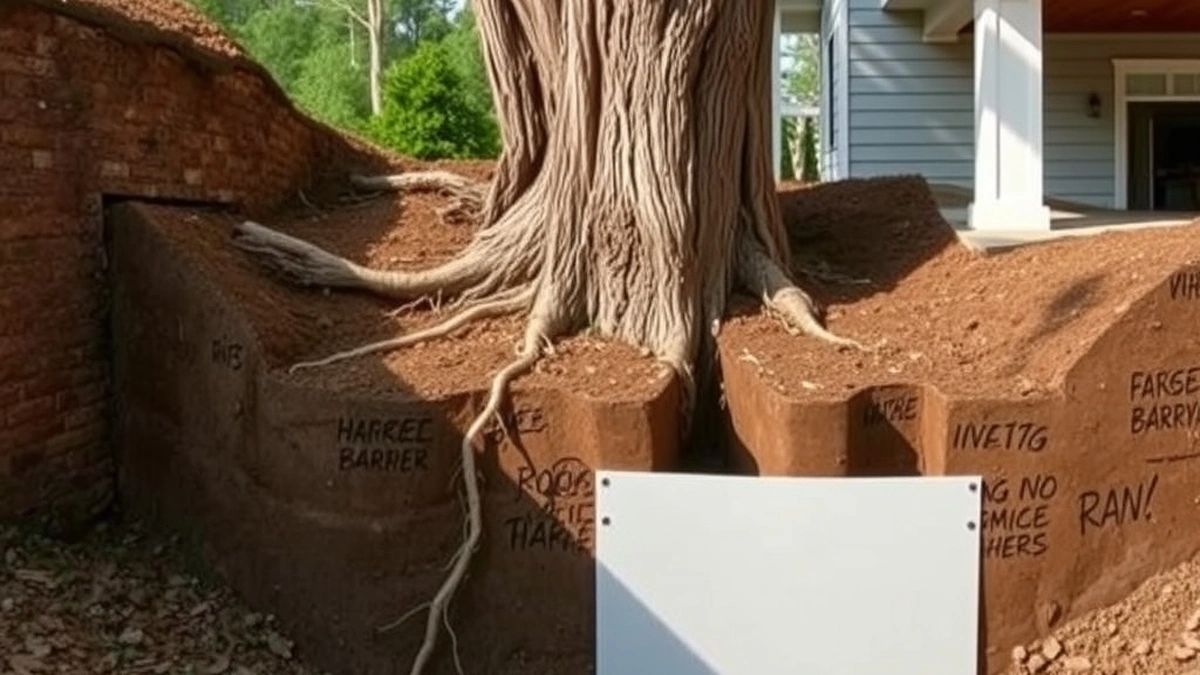
A root barrier is a rigid panel installed vertically in the soil between a tree and a structure. Roots that reach the panel turn and grow along it rather than through it, which keeps them out of the protected zone.
The barrier does not kill the tree and does not stop roots on the far side. It redirects them, and it buys decades of protection for a few hundred dollars, which is why it is often the best value in foundation prevention.
The Price Build
| Component | Cost per linear ft | Notes |
|---|---|---|
| HDPE panel | $3 - $7 | Common residential material |
| Excavation | $3 - $8 | Depth and access dependent |
| Backfill and compaction | $1 - $3 | Soil and gravel |
| Root pruning | $1 - $3 | Arborist may be required |
Adding those ranges gives the $8 to $20 band. A 30-inch barrier along an open lawn sits near the bottom; a 36-inch barrier behind a deck sits near the top.
A Costed Example
A 60-foot barrier between a silver maple and a house, 30 inches deep:
60 × $12 = $720
Add root pruning at $250 and soil disposal at $150:
$720 + $250 + $150 = $1,120
That is a typical residential job and sits inside the $500 to $4,000 band.
Barrier Versus Removal
| Option | Cost | Risk |
|---|---|---|
| Root barrier | $8 - $20 per ft | Low, preserves the tree |
| Tree removal | $500 - $2,500 | Soil may swell after removal |
| Pruning | $200 - $800 | Temporary reduction in water demand |
| Foundation repair | $6,000 - $30,000 | Needed if movement has occurred |
Removal is not automatically the safer choice. A large tree draws a significant amount of water from the soil, and when it is gone the clay can swell and heave a foundation that was previously stable. That is why removal decisions belong with an arborist and, on a house with existing movement, an engineer.
When a Barrier Is Needed
The usual trigger is a large tree within 10 to 20 feet of the foundation, especially on expansive clay. The second is a history of lifted sidewalks, patios, or driveways near the tree. The third is a foundation that has already settled on the tree side.
A barrier is most effective before the damage starts. Once the footing has dropped, the barrier stops further root growth but does not restore the elevation, and the structural repair is separate.
The Installation Sequence
- Identify the tree species and root spread with an arborist.
- Call 811 and have utilities located before digging.
- Mark the barrier line at least 4 feet from the foundation.
- Excavate a trench to the specified depth.
- Set the barrier panels with overlaps facing the tree.
- Backfill and compact, then restore the surface.
- Prune roots cleanly where they cross the line.
What to Ask a Contractor
Ask what material and depth are specified, and why. Ask whether an arborist will assess the tree before any roots are cut, because removing too much of a tree’s root system can destabilize it. Ask how the trench will be backfilled and whether the surface will be restored.
Ask, too, whether the barrier is HDPE, steel, or a geomembrane. HDPE is the common residential choice, steel is used where roots are aggressive, and a flexible membrane is cheaper but less durable.
Depth is the specification that matters most. A 12-inch barrier looks neat and stops surface roots, but the roots that dry the soil under a footing are often deeper. Ask for the depth in inches, compare it with the arborist’s recommendation, and do not accept a shallow panel because it was easier to dig.
Preventing the Next Problem
A barrier is one part of tree-and-foundation management. Keep the soil moisture consistent, avoid piling mulch against the wall, and do not irrigate heavily on one side. Roots follow water, so a leaky hose or a downspout that discharges at the tree can pull roots toward the house despite the barrier.
Keep a record of the installation: the barrier line, the depth, the date, and the arborist’s report. A future owner, a landscaper, or an engineer will need to know where the panel is before digging. A barrier that nobody knows about is a barrier that gets cut through by the next fence post.
For the diagnosis, read tree roots foundation and tree roots repair. If the foundation has already moved, foundation settlement repair covers the structural work that a barrier cannot do.
Finally, check the local rules before digging. Some municipalities protect certain tree species, and a permit or an arborist’s approval may be required before roots are cut. The cost of that approval is small; the cost of removing a protected tree without it is not.
Frequently asked questions
How much does a root barrier cost?
It runs $8 to $20 per linear foot installed. A 50-foot barrier costs $400 to $1,000 including excavation, panel, and backfill.
How deep should a root barrier be?
Most residential barriers are 24 to 36 inches deep, which handles the majority of roots from common shade trees. The arborist or engineer sets the depth for the species.
Does a root barrier protect a foundation?
It keeps roots out of the protected zone and reduces the soil drying that causes settlement. It does not repair movement that has already happened.
Is tree removal cheaper than a barrier?
Removal of a large tree runs $500 to $2,500, and it can cause the soil to swell after the roots stop drawing water. A barrier is usually the lower-risk option.
Can I install a root barrier myself?
A shallow barrier for a garden bed is a homeowner task. A 30-inch barrier along a foundation requires excavation, utility location, and safe handling of roots, which is contractor work.
How long does a root barrier last?
HDPE and steel barriers are designed to last decades. The installation depth and the panel material determine the service life.
Sources
Some links are affiliate links.If you buy through them we may earn a commission at no extra cost to you. We do not accept payment for rankings. Read the full disclosure.