Monolithic Slab Construction Explained
A numbers-first guide to monolithic slab foundations, including construction, cracking, repair costs, and when replacement makes sense.
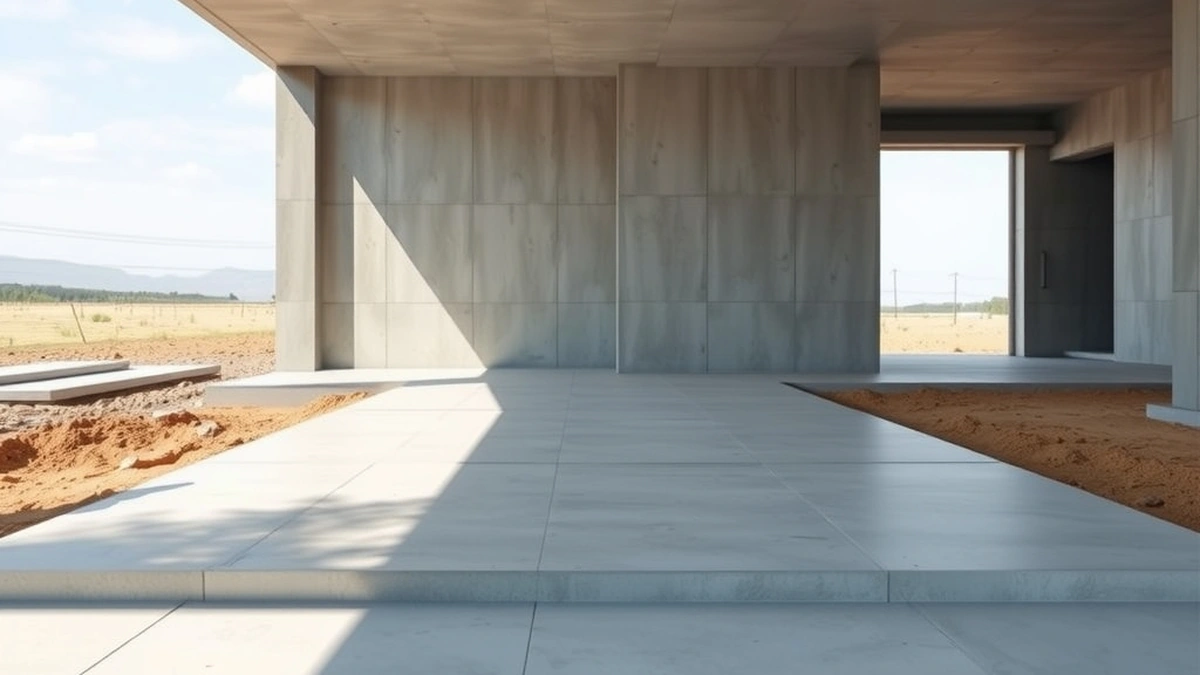
A monolithic slab is a single concrete pour that forms the footing and floor together, common in US residential construction on stable soil.
- Typical crack width to monitor
- 1/8 inch
- Average foundation repair cost
- $4,000–$15,000
- Slab lifting cost per sq ft
- $3–$12
- Push pier cost per pier
- $1,000–$3,000
Some links on this page are affiliate links.If you buy through them we may earn a commission at no extra cost to you. We do not accept payment for rankings. Read the full disclosure.
Monolithic slab construction means the footing and the slab are poured as a single piece of concrete. It is one of the most common foundation types for homes built on flat, stable soil in the United States. This guide covers how it is built, what to measure when problems appear, and what repairs typically cost.
What Is a Monolithic Slab?
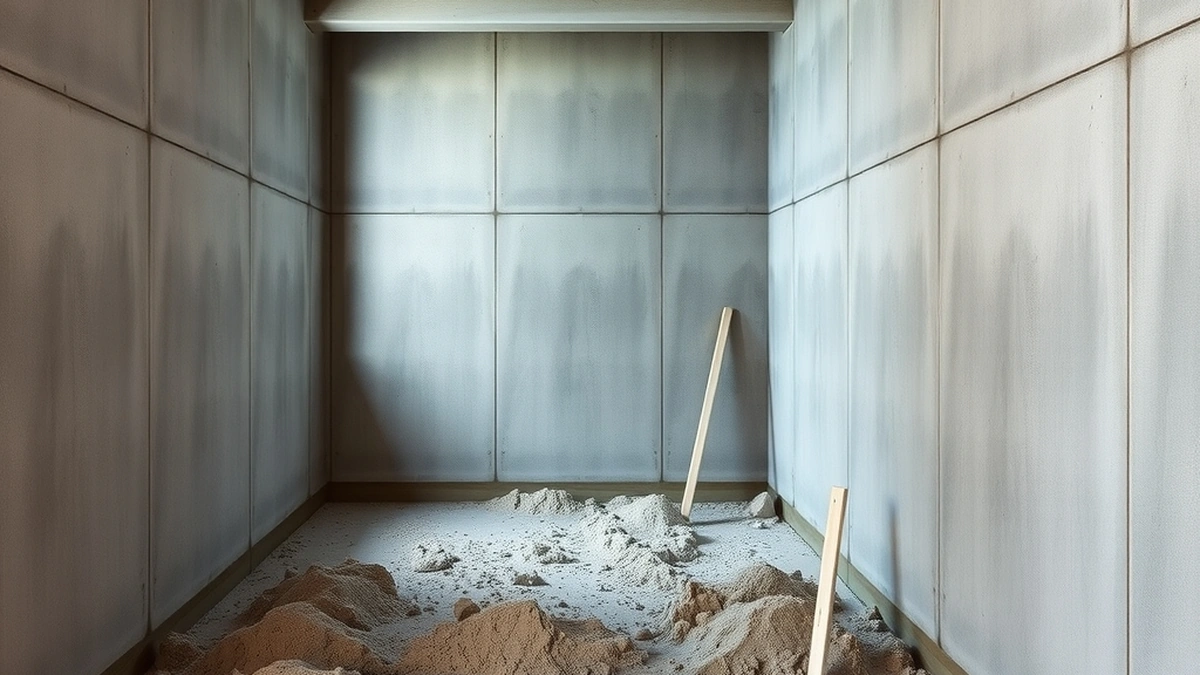
A monolithic slab is a concrete foundation cast in one continuous pour. The word “monolithic” means “single stone,” and in practice it means the slab floor and its thickened edges or footings are monolithic: they act as one structural unit rather than separate pieces joined later.
Builders use this type where the soil has adequate bearing capacity and the site is relatively level. The thickened edges, sometimes called a monolithic footing, carry the load of exterior walls. Interior loads are carried by the slab itself and by any interior thickened sections or column pads poured at the same time.
Because the footing and slab are poured together, there is no cold joint between them. That can reduce certain leakage paths, but it does not make the foundation immune to settlement, cracking, or soil movement.
How Monolithic Slabs Are Built
Construction follows a standard sequence:
- The site is cleared and graded to within the specified tolerance.
- A gravel or crushed stone base is placed and compacted, usually 4 to 6 inches thick.
- Formwork is set for the slab perimeter and thickened edges.
- Reinforcing steel, typically rebar or welded wire mesh, is placed within the slab and footing areas.
- Plumbing and electrical sleeves are positioned before the pour.
- Concrete is poured in one continuous operation for the slab and footings.
- The concrete is finished, cured, and the forms are removed.
A typical residential monolithic slab has a 4- to 6-inch slab thickness. Thickened edges may be 12 to 24 inches wide and extend 12 to 24 inches below grade, depending on local code, frost depth, and structural design. The entire pour may require several cubic yards of concrete; for example, a 1,500-square-foot slab at 4 inches thick uses roughly 18.5 cubic yards (1,500 × 0.33 feet ÷ 27).
Common Problems and Measurements
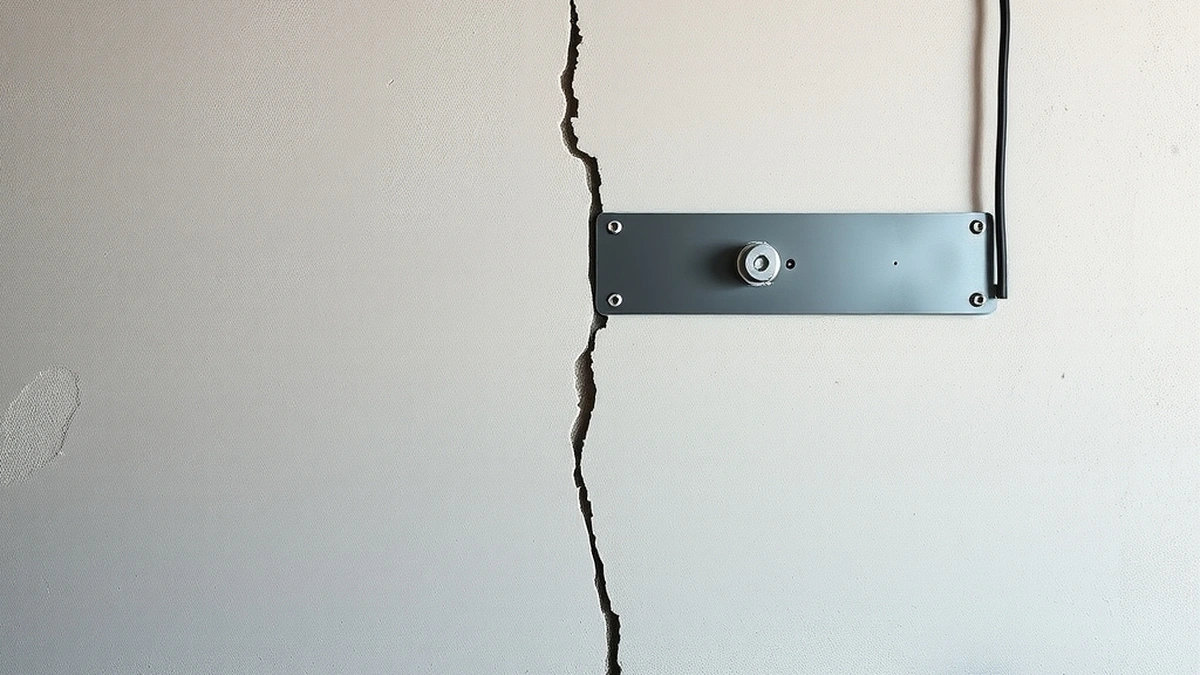
Measure first, method second. Before any repair is specified, a contractor or engineer should record crack width, crack displacement, and floor levelness.
- Hairline cracks under 1/16 inch are generally cosmetic and common as concrete cures and shrinks.
- Cracks at or above 1/8 inch enter the watch category. They should be measured and monitored over time.
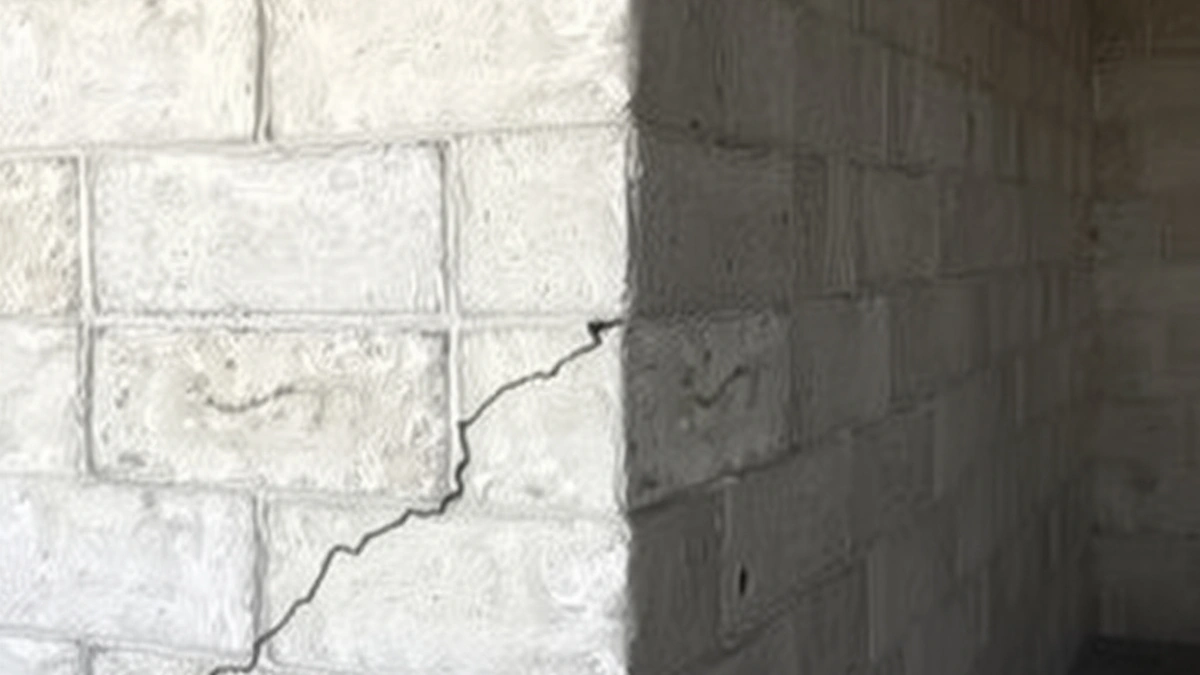
- Vertical displacement across a crack, or a crack that is widening, suggests differential settlement or soil movement.
- Floor out-of-level greater than normal construction tolerance may indicate bearing soil problems.
For reference, a wall movement limit of 2 inches is often used as a general structural threshold, though specific limits vary by engineer and local code. Crack width is measured with a crack comparator gauge, and displacement is measured with a level or elevation survey.
If a monolithic slab shows widespread cracking, significant slope, or doors and windows that no longer operate, the issue is usually in the supporting soil rather than the concrete itself. Expansive clay, poor compaction, plumbing leaks under the slab, and drainage problems are common contributors.
Repair Options and Costs
Repair costs depend on the failure mode, the number of piers required, and the depth to bearing soil. All figures below are estimates; actual pricing requires an on-site inspection.
| Repair Method | Typical Cost | Notes |
|---|---|---|
| Engineer inspection | $400–$1,500 | Required before structural repair design |
| Slab lifting (mudjacking or poly foam) | $3–$12 per sq ft | Lifts settled slab sections |
| Push pier | $1,000–$3,000 each | Driven to bearing soil; typical job $6,000–$30,000 |
| Helical pier | $700–$2,500 each | Screwed into bearing soil; used when push piers are impractical |
| Carbon fiber strap | $400–$1,200 each | Primarily for foundation walls, not slabs |
| Wall anchor | $500–$1,500 each | For bowing basement walls, not monolithic slabs |
Slab lifting arithmetic example: lifting 400 square feet of settled slab with polyurethane foam at $10 per square foot (mid-range of $5–$15) equals $4,000. Mudjacking the same area at $5 per square foot (mid-range of $3–$8) equals $2,000. These are estimates and do not include engineering, permits, or cosmetic patching.
Pier count is determined by the load and the spacing required to support the structure. A job requiring eight push piers at $2,000 each averages $16,000, which falls inside the typical pier job range of $6,000–$30,000. Depth to bearing varies by site; piers are advanced until they reach competent soil or bedrock, which may be 10 feet or 30 feet below the slab.
For more on overall pricing, see our foundation repair cost guide. For pier-specific pricing, see push pier cost and helical pier cost.
When to Repair vs Replace
Not every cracked slab needs replacement. Restoration is usually worth considering when repair costs are below roughly one-third of replacement cost. Replacement of a monolithic slab can run $40,000–$150,000 depending on home size, access, and whether the structure must be supported during demolition and re-pour.
Consider replacement when:
- More than about one-third of the slab has failed structurally
- The slab has undergone repeated repairs with continued movement
- Soil conditions make long-term stabilization unlikely without full remediation
Major structural repairs fall in the $20,000–$40,000 range, while average repairs are typically $4,000–$15,000. These are estimates; a structural engineer’s report is the basis for deciding between repair and replacement.
Permits, Inspections, and Timing
Permit requirements vary by city and county and typically take 1 to 3 weeks to process. An engineer inspection usually has a lead time of 1 to 2 weeks. Scheduling should account for both before work begins.
Warranty terms matter. Pier systems are often warranted lifetime and transferable, though a warranty transfer fee of $100–$500 may apply when the home is sold. Mudjacking typically carries a shorter effective life of 5 to 15 years, depending on soil conditions and drainage.
Maintenance and Monitoring
After repair, monitor the slab seasonally. Check the same cracks with a crack comparator gauge every 6 to 12 months. Keep drainage away from the foundation: downspouts should discharge water at least 4 to 6 feet from the slab, and soil grade should slope away from the building.
If a previously stable crack begins to widen past 1/8 inch, or if new cracks appear at corners and door openings, schedule an inspection. Early measurement costs less than later structural intervention.
For related reading on slab-leveling methods, see our mudjacking cost page. For broader foundation crack pricing, see foundation crack repair cost.
Frequently asked questions
What is a monolithic slab?
A monolithic slab is a concrete foundation where the footing and slab are poured as one continuous piece, rather than separately.
How thick is a monolithic slab?
The slab portion is typically 4 to 6 inches thick, with thickened edges or footings that extend deeper below grade.
When should I worry about slab cracks?
Cracks wider than 1/8 inch, vertical displacement, or cracks that keep growing warrant inspection by a foundation engineer.
Can a monolithic slab be lifted?
Yes. Slab lifting with mudjacking or polyurethane foam generally costs $3 to $12 per square foot, depending on method and access.
How long does a slab repair last?
Mudjacking typically lasts 5 to 15 years; pier systems are usually warranted lifetime and transferable, subject to a transfer fee.
Do I need a permit for slab repair?
Permit requirements vary by city and county and typically take 1 to 3 weeks to process.
Sources
Some links are affiliate links.If you buy through them we may earn a commission at no extra cost to you. We do not accept payment for rankings. Read the full disclosure.