Basement Foundation Repair: Walls, Footings, Water
Basement foundation repair covers bowing walls, settled footings, and water intrusion. See the methods, the prices, and the order of work.
Basement foundation repair costs $4,000 to $15,000 for anchors, straps, or partial underpinning, and $20,000 to $40,000 for major structural work. Water control is separate and runs $4,000 to $12,000 for exterior waterproofing.
- Typical structural repair
- $4,000 - $15,000
- Major repair
- $20,000 - $40,000
- Wall anchor each
- $500 - $1,500
- Exterior waterproofing
- $4,000 - $12,000
- Engineering report
- $400 - $1,500
Some links on this page are affiliate links.If you buy through them we may earn a commission at no extra cost to you. We do not accept payment for rankings. Read the full disclosure.
Basement foundation repair costs $4,000 to $15,000 for anchors, straps, or partial underpinning, and $20,000 to $40,000 when a whole wall needs stabilization. The work splits into two problems that are often sold together: the wall moving, and the water causing it to move. Fixing one without the other is how repairs fail.
The Three Basement Failures
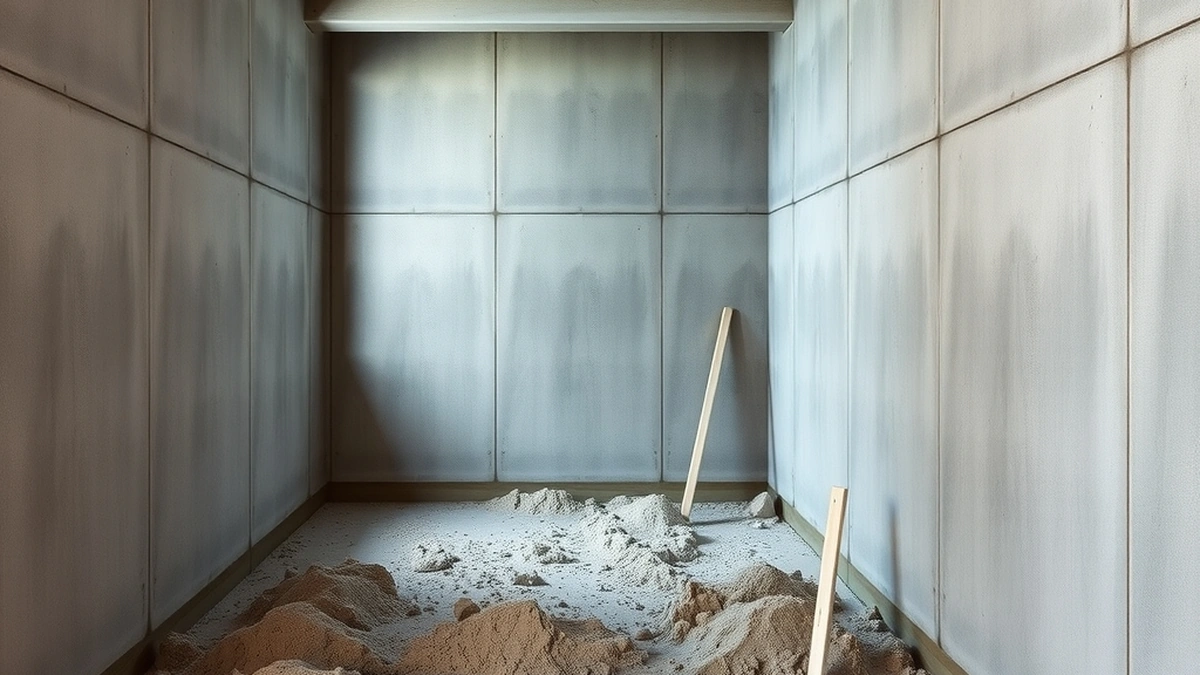
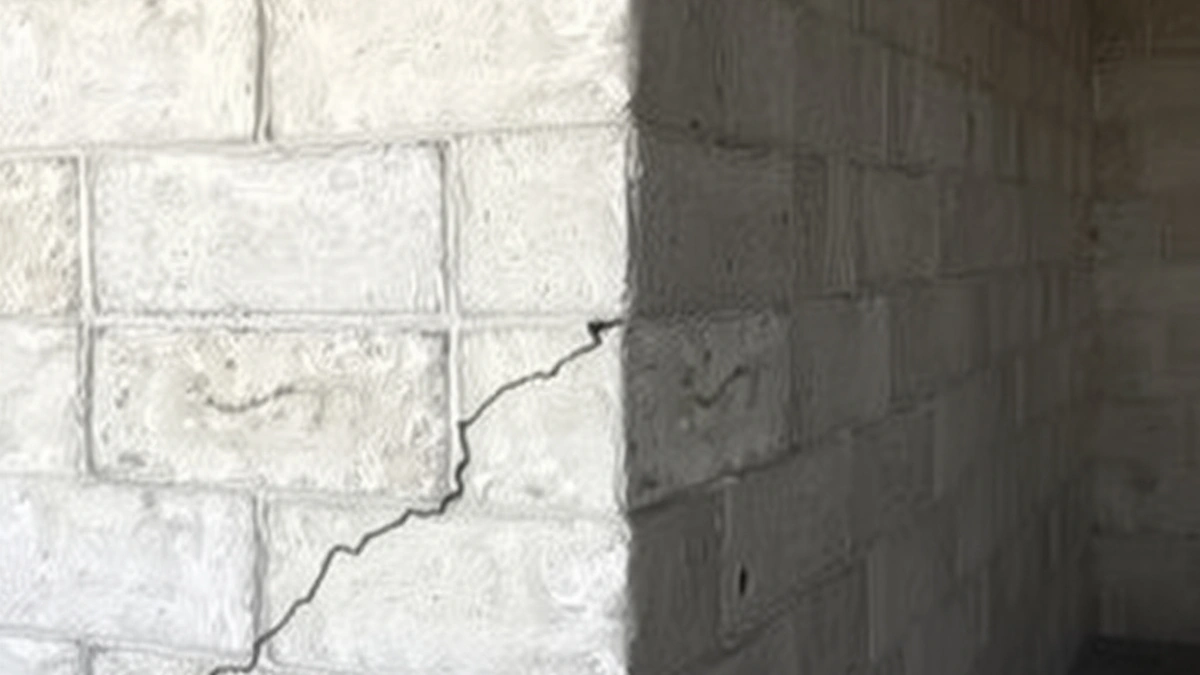
A basement wall can settle, bow, or leak, and each has a different cause. Settlement is vertical, usually at one corner, and shows as a stair-step crack in block or a widening vertical crack in poured concrete. Bowing is lateral, caused by soil pressure, and shows as a horizontal crack at mid-height. Leaking is water finding a path through a crack, a tie hole, or the wall-floor joint.
A wall can have more than one. A bowing wall that also leaks is common, because the same water that pressurizes the soil also finds the crack. The repair order matters: stop the water, restrain the wall, then seal the crack.
Settlement and bowing are easy to confuse because both produce cracks. A settled corner drops, so the crack is diagonal and wider at one end, and the floor above it slopes. A bowing wall moves inward, so the crack is horizontal and the wall is out of plumb when checked with a level. The fix for the first is below the wall; the fix for the second is behind it.
Structural Repair Methods
| Method | Cost | Best for |
|---|---|---|
| Wall anchors | $500 - $1,500 each | Poured walls under pressure |
| Carbon fibre straps | $400 - $1,200 each | Block walls, moderate bowing |
| Push piers | $1,000 - $3,000 each | Settled footings |
| Helical piers | $700 - $2,500 each | Lighter loads, tight access |
| Wall straightening | $8,000 - $20,000 | Bowing beyond 2 inches |
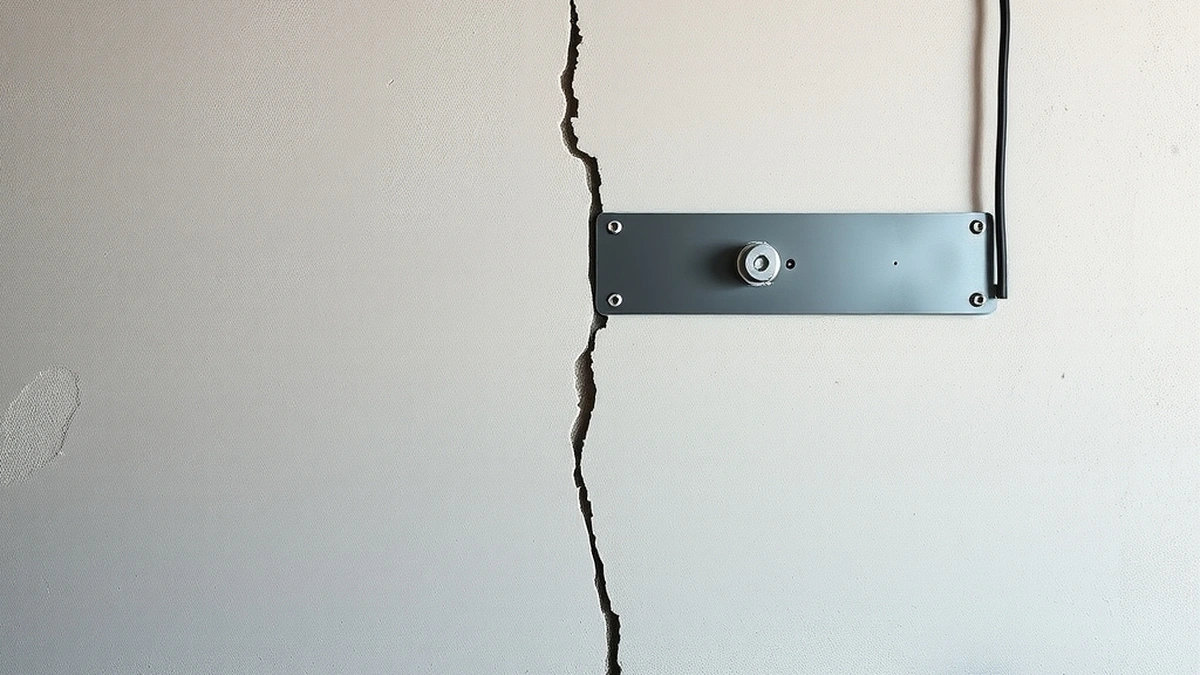
Anchors tie the wall back to stable soil and can be tightened over time. Straps add tensile strength to the inside face. Piers address the footing rather than the wall, which is why a settled corner needs piers and a bowing wall needs anchors.
Water Control
Water control is not cosmetic. Hydrostatic pressure is the load that bows walls and the path that cracks leak through. The cheapest fixes are grading and downspout extensions, which cost $150 to $4,000 and solve a surprising share of wet basements.
Exterior waterproofing runs $4,000 to $12,000 because it requires excavation to the footing, a membrane, drainage board, and a footing drain. Interior systems that collect water and route it to a sump cost less but do not reduce the pressure on the wall.
A Costed Repair
A 32-foot poured wall has bowed 1.4 inches. The engineer specifies anchors at 8-foot spacing:
32 ÷ 8 = 4 anchors
At $1,200 each:
4 × $1,200 = $4,800
Add engineering at $900, crack injection at $600, and grading work at $1,800:
$4,800 + $900 + $600 + $1,800 = $8,100
That sits in the $4,000 to $15,000 band. Note that the grading is part of the repair, not an upsell; without it the anchors are holding a wall against water that is still arriving.
The Repair Sequence
- Measure the cracks and check wall plumb at three heights.
- Find the water source and correct grading, downspouts, and drainage.
- Commission an engineer’s design if the crack is 1/8 inch or wider.
- Install anchors or straps to the specified spacing and embedment.
- Inject or seal the cracks after the wall is restrained.
- Recheck the wall after one wet season and keep the record.
What Repair Cannot Do
Repair restores stability, not appearance. A wall that has bowed 2 inches will still be bowed after anchoring, because the anchors stop movement rather than straightening the wall. Straightening is a separate, more expensive operation at $8,000 to $20,000.
Repair also does not fix a wall that has crumbled. When the block or concrete has lost section, there is nothing for a strap or an anchor to hold, and rebuilding the wall section is the only repair that lasts.
Cost scales with wall length as much as with severity. A single 24-foot wall with four anchors is a $4,000 to $6,000 job. A basement with three affected walls and 12 anchors is a $15,000 to $20,000 job, and the same method is being used at both. That is why a per-anchor price is the number to ask for, and why a lump sum without a count tells you nothing about whether the price is fair.
Choosing a Contractor
Ask what the wall is doing, not what the company sells. A contractor who can explain the difference between settlement and lateral pressure, and who measures before recommending, is diagnosing. A contractor who recommends a full waterproofing package before measuring the crack is selling.
Ask for the engineer’s report, the anchor spacing, and the warranty terms. Compare at least three bids on the same scope. For the wall-specific detail, read bowing basement wall and basement wall repair cost. For the water side, basement waterproofing cost sets the expected range.
One question separates a diagnosis from a sales pitch. Ask the contractor what would happen if you did nothing for a year, and listen for a specific answer tied to the measurements. “It will get worse” is not an answer. “At the current rate, the wall reaches the 2-inch limit in about three years, and the anchors cost less now than straightening will then” is an answer, and it is the kind a contractor who measured can give.
Frequently asked questions
How much does basement foundation repair cost?
Structural repair runs $4,000 to $15,000 for anchors, straps, or partial underpinning. Major work runs $20,000 to $40,000, and waterproofing is usually a separate $4,000 to $12,000.
What causes a basement wall to bow?
Lateral pressure from saturated soil, expansive clay, and frost are the common causes. Poor drainage and missing footing drains concentrate that pressure against the wall.
Can a bowing basement wall be repaired from inside?
Yes. Wall anchors and carbon fibre straps are installed from inside or with small exterior pits, and they restrain the wall without full excavation.
Should I waterproof before or after structural repair?
Fix the water source first or at the same time. Waterproofing a wall that is still being pushed inward does not stop the movement, and structural repair without drainage leaves the same pressure in place.
How wide a basement wall crack is serious?
A crack at 1/8 inch or wider should be measured and monitored. A horizontal crack, or a wall out of plumb by more than an inch, needs an engineer.
Do basement foundation repairs need a permit?
Structural repairs usually do. Cosmetic crack sealing often does not. The permit also triggers an inspection that protects you at resale, so ask who is pulling it.
Sources
Some links are affiliate links.If you buy through them we may earn a commission at no extra cost to you. We do not accept payment for rankings. Read the full disclosure.