Basement Foundations: Types, Costs, and Repairs
Poured, block, and stone basement foundations behave differently and repair differently. Compare cost, lifespan, and failure patterns.
Basement foundations are built from poured concrete, concrete block, stone, or precast panels. Poured walls are the most common new choice, block is common in older homes, and repair costs run $4,000 to $40,000 depending on the failure.
- Typical repair
- $4,000 - $15,000
- Major structural repair
- $20,000 - $40,000
- Wall anchor each
- $500 - $1,500
- Waterproofing
- $4,000 - $12,000
- Engineering inspection
- $400 - $1,500
Some links on this page are affiliate links.If you buy through them we may earn a commission at no extra cost to you. We do not accept payment for rankings. Read the full disclosure.
Basement foundations are built from poured concrete, concrete block, stone, or precast panels, and the material determines how the wall fails and how it is repaired. Poured walls resist lateral soil pressure best. Block walls are common in older homes and crack along mortar joints. Repair ranges from $4,000 to $40,000 depending on the failure.
What a Basement Foundation Is
A basement foundation is a perimeter wall system that extends below grade to create a habitable or utility space and to carry the house loads down to footings. The wall has to do two jobs at once: carry vertical load from the structure above and resist horizontal pressure from the soil and water outside it.
That second job is where most problems start. Concrete is strong in compression and comparatively weak in tension, so a wall that is pushed inward from outside wants to bend and crack. The type of wall decides how much bending it can take before it fails.
The Four Types
| Type | Era | Strength | Common failure |
|---|---|---|---|
| Poured concrete | 1970s to present | High, especially reinforced | Shrinkage cracks, cold joints |
| Concrete block | 1920s to 1960s | Moderate | Stair-step and horizontal cracks |
| Stone or rubble | Pre-1940 | Low to moderate | Mortar loss, bulging |
| Precast panel | 1980s to present | High | Joint leaks, panel shifting |
Poured walls are formed on site in a single pour and are usually reinforced with steel. Block walls are laid course by course with mortar and are often unreinforced, which means the mortar joints are the weak plane. Stone walls rely on mass and mortar, and their condition depends heavily on how well the mortar has held up.
How Each Type Fails
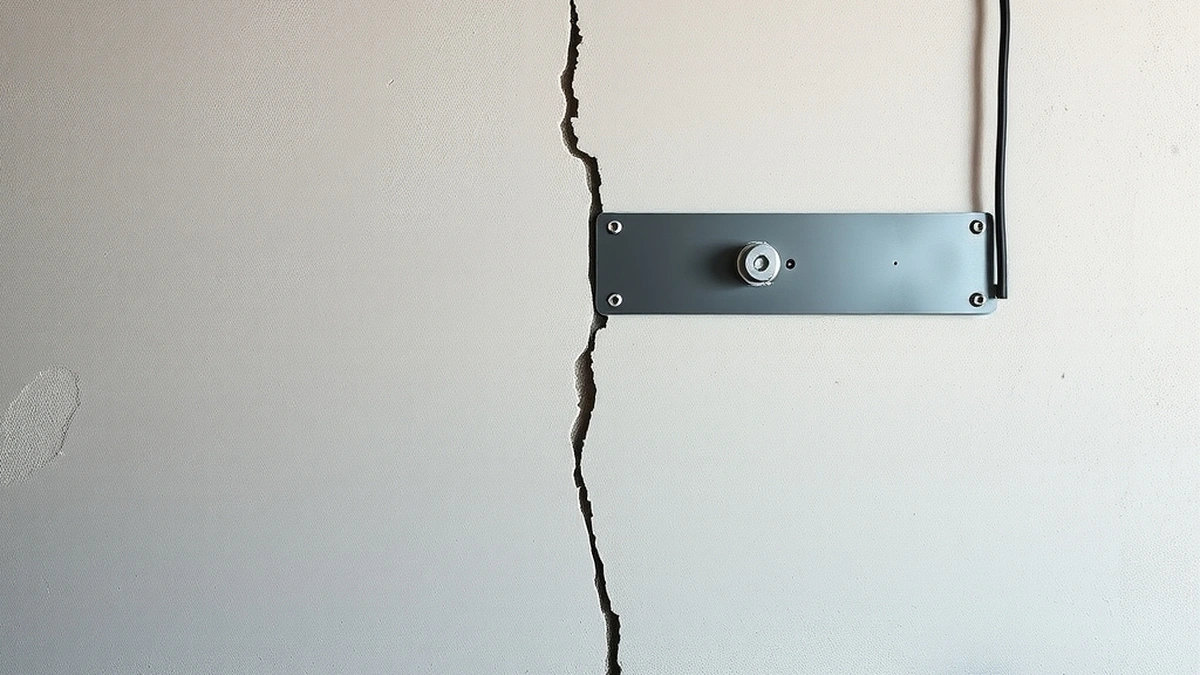
Poured walls typically crack vertically at shrinkage points or at cold joints where two pours met. Those cracks leak but are often structurally minor. A horizontal crack in a poured wall is more serious because it indicates bending failure.
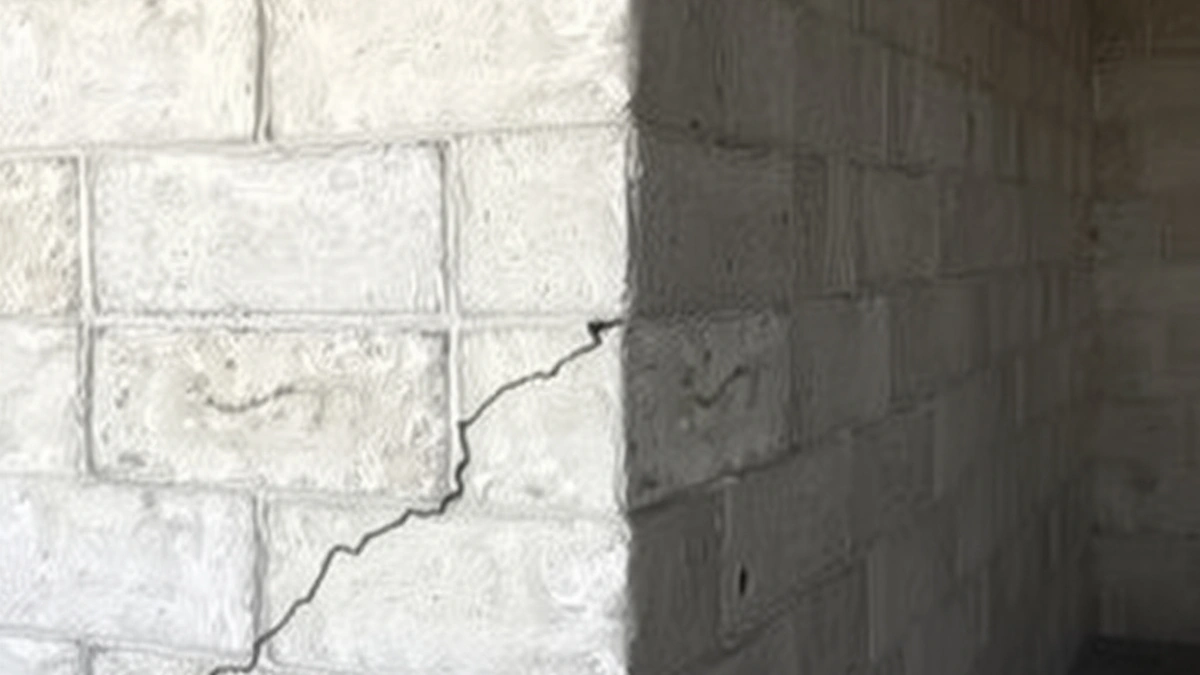
Block walls fail along the mortar. A stair-step crack that follows the diagonal of the block pattern points to settlement at one corner. A horizontal crack running across several courses points to lateral pressure. Both need measurement before repair, because the fix for settlement is underpinning and the fix for pressure is anchors or straps.
Stone walls bulge when mortar softens and individual stones rotate. Repointing can restore a sound wall, but a bulging wall needs to be rebuilt from the footing up or restrained.
Window wells are a small detail with a large failure rate. A well that fills with debris directs water straight to the wall at the weakest point, which is the window opening, and a shallow well in a cold climate can heave and crack the surround. Cleaning the well and keeping the drain clear is a ten-minute job that prevents a recurring leak.
Repair Costs by Failure
| Failure | Repair | Typical cost |
|---|---|---|
| Leaking vertical crack | Injection | $400 - $1,200 |
| Settled corner | Underpinning | $6,000 - $30,000 |
| Bowing wall | Anchors or straps | $4,000 - $15,000 |
| Failed wall section | Replacement | $20,000 - $40,000 |
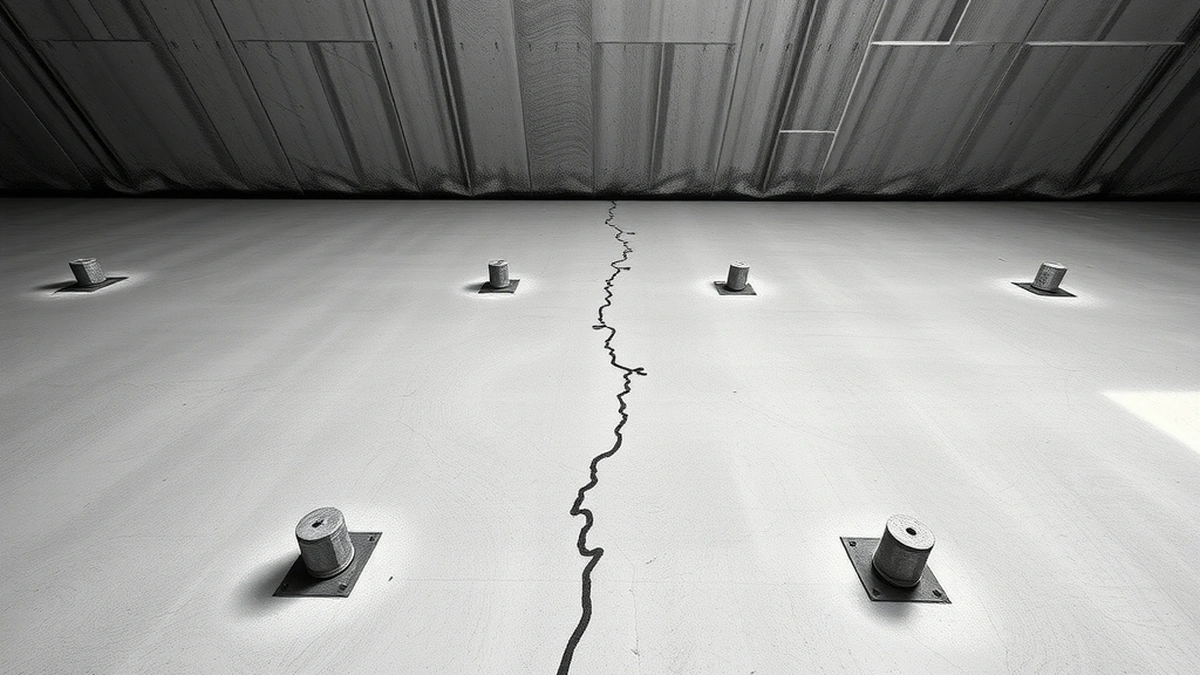
A crack at 1/16 inch is usually cosmetic. A crack at 1/8 inch should be monitored. Movement of 2 inches in a wall is the point where lifting or straightening becomes a structural question rather than a cosmetic one.
Waterproofing and Drainage
Water is the pressure source. A wall that stays dry usually stays straight, which is why drainage work often costs less than structural repair and prevents both. Regrading and downspout extensions are the cheapest step. A footing drain at the base of the wall is the most effective.
Exterior waterproofing runs $4,000 to $12,000 for a typical house because it requires excavation to the footing. Interior systems that collect water and route it to a sump cost less but do not reduce the pressure on the wall. Read basement waterproofing methods before choosing a side.
A Costed Example
A 1950s block basement has a stair-step crack at one corner and 1.25 inches of settlement. The engineer specifies six push piers at $1,900 each:
6 × $1,900 = $11,400
Add engineering at $400 to $1,500 and crack repair after lifting at $600:
$11,400 + $400 + $600 = $12,400 $11,400 + $1,500 + $600 = $13,500
That total sits inside the $4,000 to $15,000 band and reflects a foundation that was stabilized rather than replaced. Replacement of the same wall would start around $20,000.
The Repair Sequence
- Measure every crack and record wall plumb with a level or plumb line.
- Commission an engineer’s report if any crack is 1/8 inch or wider.
- Fix surface water and downspouts before structural work begins.
- Install the specified pier, anchor, or strap system and verify the lift.
- Repair cracks and waterproof the repaired area.
- Recheck the wall after one full wet season and keep the record.
What to Ask a Contractor
Ask what type of wall you have and why the proposed method suits it. A contractor who recommends anchors for a settled corner, or piers for a bowing wall, has the method backwards. Ask for the engineer’s report and confirm the repair is designed to resist the actual load, not just to close the crack. For the pricing context, see basement wall repair cost and foundation repair cost.
Frequently asked questions
What is the most common basement foundation type?
Poured concrete is the most common type in homes built since the 1970s. Concrete block dominates construction from the 1920s through the 1960s, and stone is found in older urban and rural homes.
How long does a basement foundation last?
A well-drained poured wall can last 100 years or more. Block and stone walls can last as long but are more vulnerable to water pressure and mortar deterioration over time.
How much does basement foundation repair cost?
Most repairs run $4,000 to $15,000. Major structural work such as wall straightening or partial replacement runs $20,000 to $40,000, and full replacement runs $40,000 to $150,000.
What is the difference between waterproofing and damp proofing?
Damp proofing is a coating that resists soil moisture. Waterproofing is a membrane system that resists hydrostatic pressure, and it is the correct choice for a wall below the water table.
Should a basement be waterproofed from the outside?
Exterior waterproofing is more effective because it stops water before it reaches the wall. Interior systems manage water that has already entered, and the choice depends on access and budget.
Does a basement foundation need a footing drain?
Yes. A footing drain collects water at the base of the wall and carries it away, which relieves the hydrostatic pressure that causes most basement leaks and wall movement.
Sources
Some links are affiliate links.If you buy through them we may earn a commission at no extra cost to you. We do not accept payment for rankings. Read the full disclosure.