Does Home Insurance Cover Foundation Repair?
Does Home Insurance Cover Foundation Repair?: practical numbers, costs, and trade-offs, written independently.
Standard homeowners insurance generally does not cover foundation repair for settling, soil movement, or wear and tear. Coverage may apply only if the damage results from a sudden, named peril such as a burst pipe or vehicle impact.
- Typical coverage for settling or soil movement
- Not covered
- Coverage for sudden, accidental peril
- Sometimes covered
- Average foundation repair cost
- $4,000–$15,000
- Major foundation repair cost
- $20,000–$40,000
- Engineer inspection cost
- $400–$1,500
Some links on this page are affiliate links.If you buy through them we may earn a commission at no extra cost to you. We do not accept payment for rankings. Read the full disclosure.
Standard homeowners insurance usually does not pay for foundation repair caused by settling, soil movement, or ordinary aging. Coverage may apply only when the damage traces directly to a sudden, named peril listed in your policy, such as a burst pipe, fire, or vehicle impact. Because most foundation problems develop gradually, they are typically treated as maintenance issues rather than insurable losses.
What Standard Policies Typically Exclude
Homeowners policies are written to cover sudden and accidental damage, not gradual deterioration. Foundation issues that fall outside coverage generally include:
- Soil expansion and contraction
- Poor drainage around the perimeter
- Tree root pressure
- Normal settling over time
- Hydrostatic pressure from saturated soil
- Construction defects or poor original workmanship
These causes develop over months or years, which insurers classify as wear and tear or maintenance. If your foundation shows a crack under 1/16 inch, it is usually considered cosmetic. Cracks around 1/8 inch warrant monitoring, and wall movement beyond 2 inches often indicates serious structural distress. None of these thresholds trigger insurance coverage on their own.
When Coverage May Apply
Insurance may respond if a covered peril directly damages the foundation. Examples include:
- A burst pipe beneath a slab that erodes supporting soil
- A vehicle crashing into the foundation wall
- Fire or explosion affecting structural integrity
- Lightning strike causing sudden structural shifts
In these scenarios, the insurer may cover the cost to repair the foundation damage caused by the event, subject to your deductible and policy limits. The key is direct causation. If a pipe leaks for months before you notice foundation movement, the carrier may deny the claim as gradual damage rather than sudden accidental discharge.
Typical Foundation Repair Costs
Knowing the price range helps you decide whether to file a claim or pay out of pocket. These figures are estimates based on common industry pricing.
| Repair Type | Typical Cost Range |
|---|---|
| Push pier installation | $1,000–$3,000 per pier |
| Helical pier installation | $700–$2,500 per pier |
| Full pier job | $6,000–$30,000 |
| Average foundation repair | $4,000–$15,000 |
| Major structural repair | $20,000–$40,000 |
| Foundation replacement | $40,000–$150,000 |
| Engineer inspection | $400–$1,500 |
For example, if a contractor recommends eight push piers at $2,000 each, the pier cost alone is 8 × $2,000 = $16,000. That falls inside the full pier job range of $6,000–$30,000. If your deductible is $2,500, you would pay that amount first before insurance contributes anything, and only if the cause is covered.
Slab lifting alternatives carry different price points. Mudjacking runs about $3–$8 per square foot, while polyurethane foam injection runs about $5–$15 per square foot. For a 400-square-foot garage slab, mudjacking at $5 per square foot equals $2,000, while foam at $10 per square foot equals $4,000. Carbon fiber straps cost roughly $400–$1,200 each, and wall anchors run about $500–$1,500 each. Crawl space encapsulation ranges from $3–$8 per square foot, or $4,000–$15,000 per job.
How to Document Damage for a Claim
If you believe a covered event damaged your foundation, take these steps before contacting your insurer:
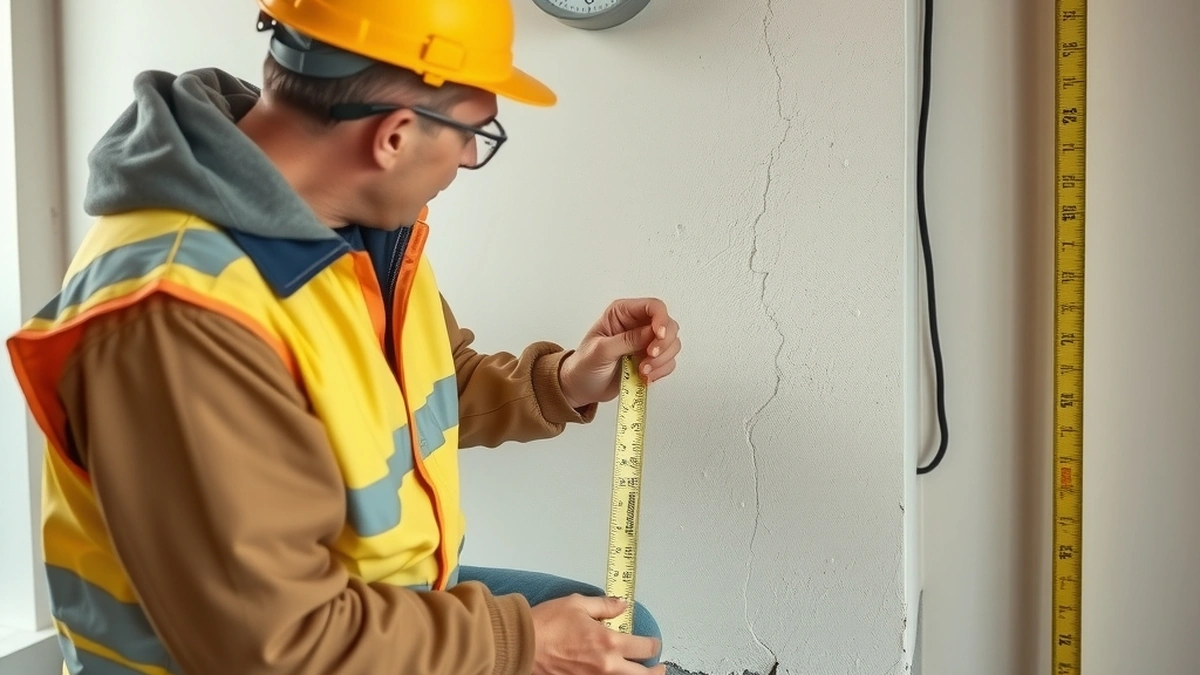
- Measure crack width and displacement. Record dates and photos.
- Note any recent events, such as a plumbing leak, flood, or impact.
- Order a structural engineer inspection. Expect to pay $400–$1,500. Lead time is typically 1–2 weeks.
- Request a written report stating the likely cause of damage.
- Obtain itemized repair estimates from licensed foundation contractors.
- Submit the engineer report and estimates to your insurance adjuster.
Inspectors often look for crack patterns. Vertical cracks under 1/16 inch are usually cosmetic settlement. Diagonal cracks wider than 1/8 inch, or horizontal cracks in basement walls, suggest lateral pressure or movement. Wall deflection beyond 2 inches is a serious threshold that may require piers or wall anchors rather than cosmetic patching.
Filing a Claim vs. Paying Out of Pocket
Not every foundation problem is worth a claim. If your repair estimate is $6,000 and your deductible is $2,500, the insurer would owe at most $3,500 on an approved claim. A denied claim still leaves you with the inspection fee and a potential claim record on your history.
For minor repairs under $5,000, paying directly is often simpler. For major work exceeding $20,000, a successful claim can meaningfully reduce your out-of-pocket cost. If your policy includes ordinance or law coverage, it may also help pay for code-required upgrades during repair, though this varies by carrier and state.
What to Ask Your Insurance Agent
Before you need a claim, review your policy declarations page and ask:
- Which perils are named under dwelling coverage?
- Is sudden water discharge from plumbing covered?
- What is my deductible for foundation-related claims?
- Are there exclusions for earth movement or soil pressure?
- Does ordinance or law coverage apply to foundation repairs?
Get the answers in writing where possible. Policy language varies by state and carrier, so do not assume your neighbor’s coverage matches yours.
Get a Measured Opinion First
Foundation Repair Lab recommends measuring before choosing a method. Crack width, displacement, pier count, depth to bearing, and unit price should drive the decision—not fear. If you suspect a covered event caused the damage, start with an engineer inspection. If the cause is gradual settling or soil movement, plan for repair costs out of pocket and compare methods such as push piers, helical piers, slab lifting, or wall stabilization based on your foundation type and soil conditions.
Permits vary by city and county and typically require 1–3 weeks to process. Warranty terms also matter: pier warranties are often lifetime and transferable, though a transfer fee of $100–$500 may apply. Mudjacking generally lasts 5–15 years, which is shorter than structural pier systems.
Measure first, method second, price third. That order protects your home and your budget whether or not insurance is involved.
Next, compare foundation repair cost, pier and beam foundation repair cost, foundation crack repair cost before you commit.
Frequently asked questions
Does home insurance cover foundation repair?
Standard policies usually exclude foundation damage caused by settling, soil expansion, or poor construction. Coverage may apply if a sudden covered peril, such as a burst pipe or vehicle impact, directly damages the foundation.
What foundation damage is typically excluded?
Gradual settling, soil movement, tree roots, hydrostatic pressure, and normal wear and tear are generally excluded because they are considered maintenance issues rather than sudden accidents.
When might insurance pay for foundation repair?
If a covered event—like a plumbing leak, fire, explosion, or vehicle crash—causes sudden foundation damage, the resulting repair may be covered up to policy limits minus your deductible.
How much does foundation repair usually cost?
Most foundation repairs fall between $4,000 and $15,000. Major structural work can reach $20,000–$40,000, while full replacement may cost $40,000–$150,000.
Should I get an engineer inspection before filing a claim?
Yes. A structural engineer inspection typically costs $400–$1,500 and helps document whether damage stems from a covered peril or an excluded cause like soil movement.
How long does an inspection take to schedule?
Inspection lead time is typically 1–2 weeks, and permits vary by city and county, usually requiring 1–3 weeks.
Sources
Some links are affiliate links.If you buy through them we may earn a commission at no extra cost to you. We do not accept payment for rankings. Read the full disclosure.