Sinkhole Coverage and Endorsements Explained
What sinkhole coverage and endorsements pay for, how they differ from standard homeowners policies, and what repairs typically cost.
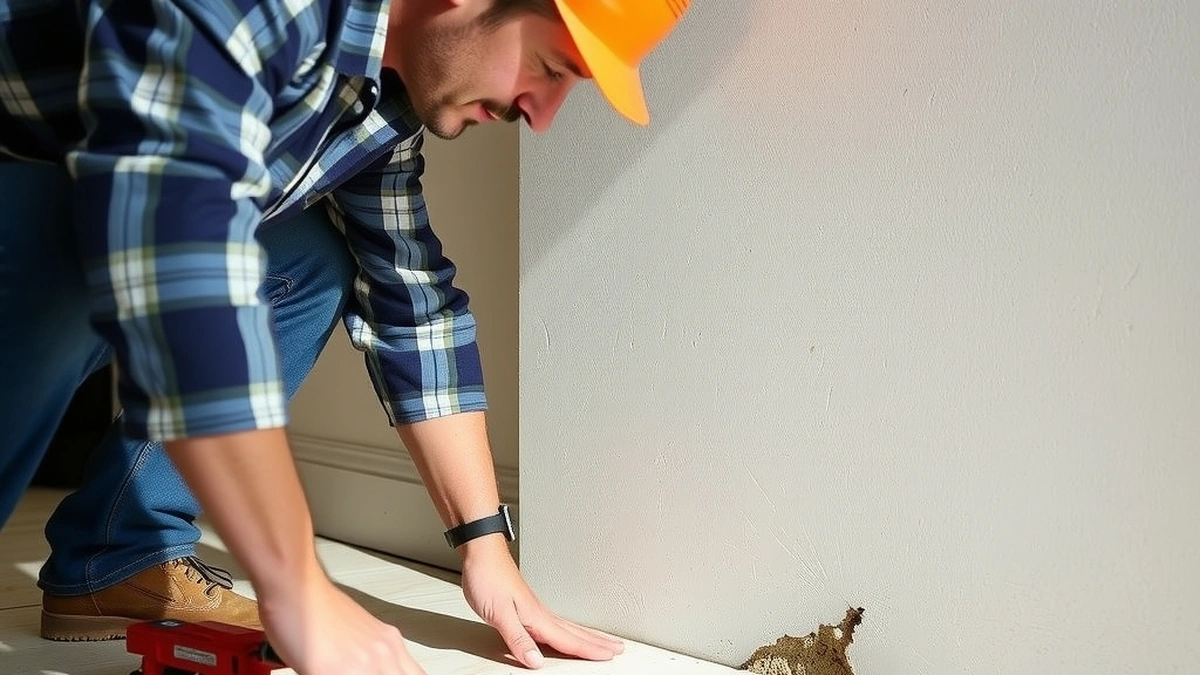
Standard homeowners policies usually exclude sinkholes; a separate sinkhole endorsement or policy is typically required for coverage.
- Standard homeowners policy
- Usually excludes sinkhole damage
- Sinkhole endorsement
- Optional add-on for sinkhole testing and repair
- Typical foundation repair job
- $6,000–$30,000
- Engineer inspection
- $400–$1,500
Some links on this page are affiliate links.If you buy through them we may earn a commission at no extra cost to you. We do not accept payment for rankings. Read the full disclosure.
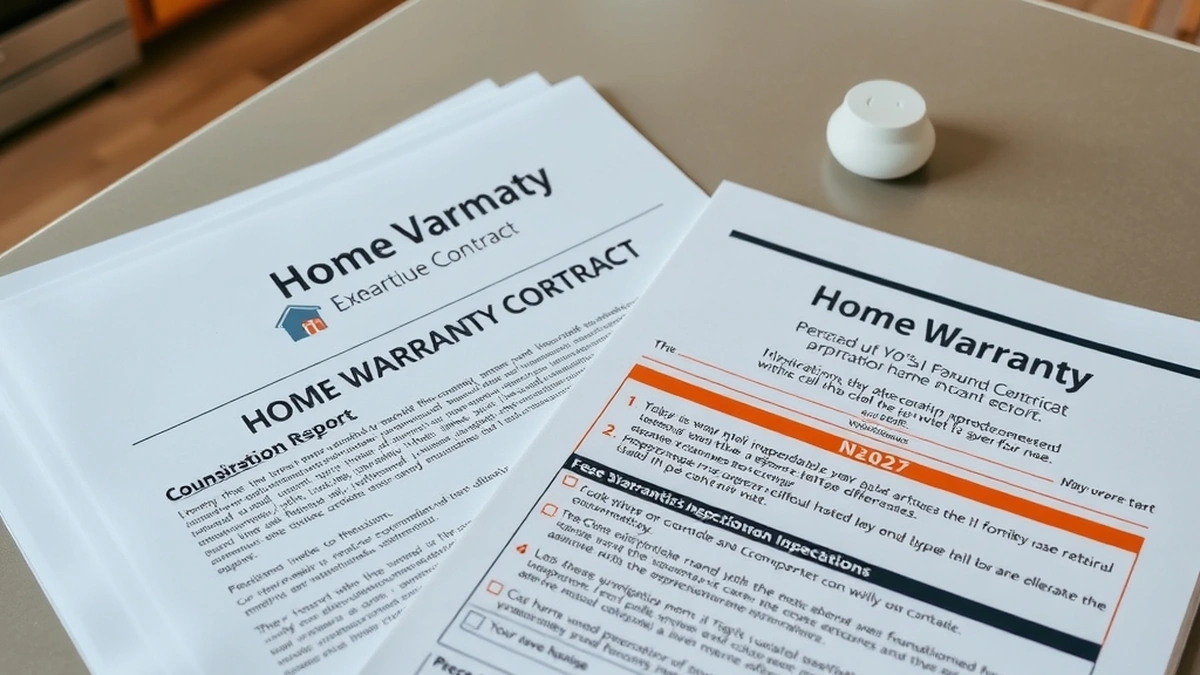
Standard homeowners insurance usually does not pay for sinkhole damage. Most policies exclude earth movement, including sinkholes, unless the homeowner purchases a separate sinkhole endorsement or standalone policy. Without that endorsement, repair bills for stabilization and foundation work fall entirely on the property owner.
What Sinkhole Coverage Actually Pays For
Sinkhole coverage and endorsements are designed to address damage caused by the collapse or subsidence of underground limestone, salt, or other soluble rock. Coverage typically applies when a confirmed sinkhole causes structural damage to the home, not merely when a depression appears in the yard.
Policies vary, but a sinkhole endorsement often pays for:
- Geological testing and engineer inspections to confirm a sinkhole
- Stabilization of the soil beneath the foundation
- Foundation repair or rebuilding required because of the sinkhole
- Reasonable emergency measures to prevent further damage
An engineer inspection typically costs $400–$1,500. If the policy requires testing before approving a claim, that cost may fall to the homeowner initially, with reimbursement possible if a covered sinkhole is confirmed.
Sinkhole Endorsement vs. Catastrophic Ground Collapse
Some states require insurers to offer catastrophic ground collapse coverage, but that is not the same as broad sinkhole coverage. Catastrophic ground collapse usually applies only when all of the following occur:
- The ground collapses suddenly
- A visible depression in the ground is present
- The structure is damaged or condemned
- A governmental agency orders the structure vacated
A sinkhole endorsement is broader. It may cover gradual subsidence and preventive stabilization before the home becomes uninhabitable. Homeowners should read the declarations page to see which trigger applies, because the difference determines whether a claim is paid or denied.
Repair Costs Without Coverage
When sinkhole damage is not covered, the homeowner pays for stabilization and foundation repair out of pocket. Costs depend on the method, pier count, depth to bearing soil, and local labor rates.
Typical price ranges include:
| Repair method | Typical cost |
|---|---|
| Push piers | $1,000–$3,000 each |
| Helical piers | $700–$2,500 each |
| Full pier job | $6,000–$30,000 |
| Mudjacking | $3–$8 per sq ft |
| Polyurethane foam lifting | $5–$15 per sq ft |
| Slab lifting | $3–$12 per sq ft |
For example, if a home needs ten push piers at $2,000 each, the pier cost alone is $20,000. Adding mobilization, engineering, and permits can push the total toward the high end of the $6,000–$30,000 pier job range. Major structural work can reach $20,000–$40,000, and full foundation replacement may cost $40,000–$150,000.
These figures are estimates. A site inspection is required to determine pier count, depth to bearing, and whether slab lifting or pier installation is appropriate.
How to Add Coverage
Homeowners can usually add a sinkhole endorsement to an existing policy or purchase a stand-alone sinkhole policy. The process generally includes:
- Asking the current insurer whether sinkhole coverage is available in the state
- Requesting a quote for the endorsement and comparing the annual premium to the deductible
- Reviewing whether the policy covers testing, stabilization, or only repair after collapse
- Checking the deductible, which may be a percentage of the dwelling limit rather than a flat dollar amount
- Confirming whether the coverage transfers to a new owner if the home is sold
Some insurers require a pre-inspection or geological report before binding coverage. Others may decline coverage in areas with known karst topography or previous sinkhole activity.
Filing a Claim
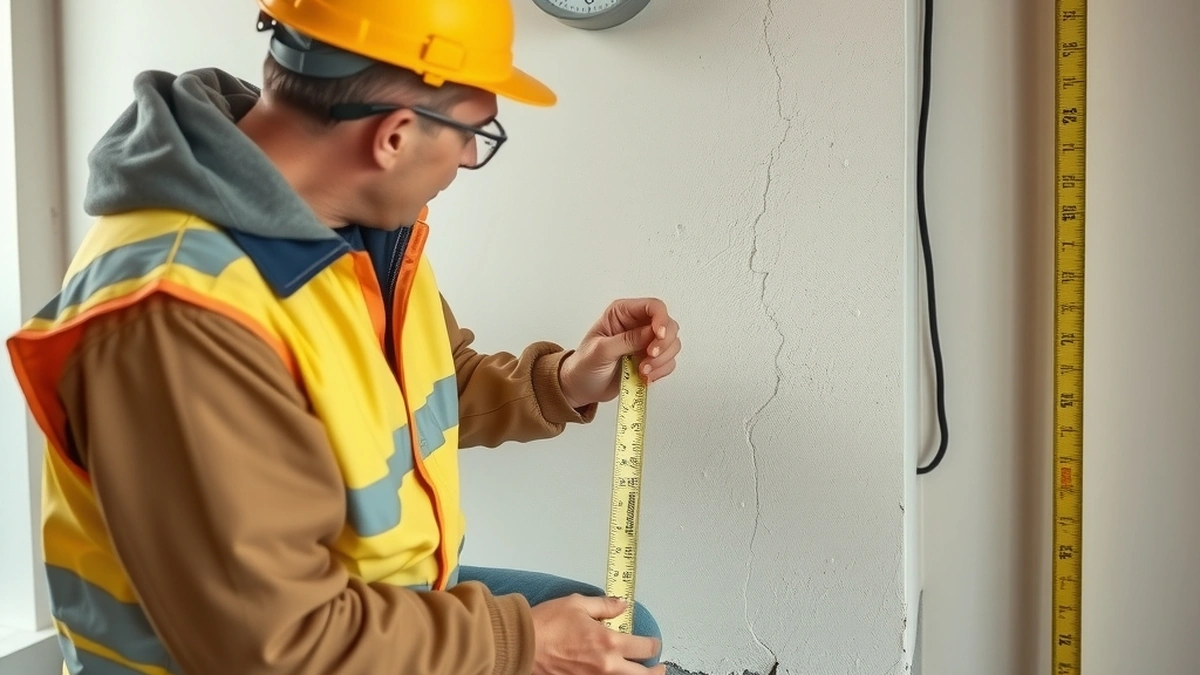
If a homeowner suspects sinkhole activity, the first step is to document visible signs: cracks in interior walls, doors that no longer close, gaps around windows, or depressions in the yard. Cracks wider than 1/8 inch warrant closer attention, while cracks under 1/16 inch are generally cosmetic.
The next step is to contact the insurer before hiring a contractor. The carrier may assign its own engineer or require the homeowner to hire one. If the claim is approved, the insurer typically pays for covered testing and repairs minus the deductible. If denied, the homeowner can obtain an independent engineer inspection for $400–$1,500 and consider appealing with that report.
Permits vary by city and county and typically take 1–3 weeks to process. Inspection lead times are usually 1–2 weeks. These timelines matter when scheduling stabilization work after a claim is approved.
What Coverage Does Not Pay For
Sinkhole endorsements have exclusions. Common items not covered include:
- Cosmetic cracking under 1/16 inch with no structural movement
- Damage from poor drainage, leaking pipes, or improper soil compaction unless linked to a covered sinkhole
- Pre-existing sinkhole activity known before the policy began
- Land value or landscaping restoration beyond what is needed to support the structure
- Cosmetic restoration beyond 10–25 percent of structural repair costs in some policies
Homeowners should also confirm whether the endorsement covers only the dwelling or extends to detached structures, driveways, and pools.
When to Get an Independent Inspection
An independent foundation or structural engineer can measure crack width, displacement, and floor level to determine whether damage is consistent with sinkhole activity or another cause, such as expansive soil or poor drainage. This inspection costs $400–$1,500 and provides documentation useful for insurance claims or for planning repairs.
Measurements matter. A crack under 1/16 inch is typically monitored rather than repaired. Movement approaching 2 inches in a foundation wall may indicate a serious structural problem requiring piers or other intervention. Decisions should follow that sequence: measure first, choose a repair method second, and price third.
For more on repair pricing, see the foundation repair cost guide, helical pier cost breakdown, and push pier cost overview. Interior crack repair costs are detailed in the foundation crack repair cost article, while slab and mudjacking options are covered in the mudjacking cost guide.
Next, compare foundation repair cost, pier and beam foundation repair cost, foundation crack repair cost before you commit.
Frequently asked questions
Does homeowners insurance cover sinkholes?
Most standard policies exclude sinkhole damage unless you add a sinkhole endorsement or buy separate coverage.
What is a sinkhole endorsement?
It is an optional addition to a homeowners policy that pays for sinkhole testing, stabilization, and related foundation repairs up to policy limits.
How much does foundation repair cost?
A typical pier job ranges from $6,000 to $30,000, while full replacement can reach $40,000–$150,000 depending on the home.
Is catastrophic ground collapse the same as sinkhole coverage?
No; catastrophic ground collapse covers sudden, visible structural damage, while sinkhole endorsements may cover slower subsidence and preventive testing.
Who pays for the engineer inspection?
The homeowner usually pays upfront, though some policies reimburse inspection costs if a covered sinkhole is confirmed.
Are crack repairs covered under sinkhole endorsements?
Only if the cracks result from a confirmed sinkhole or covered ground movement; cosmetic cracks under 1/16 inch are generally not covered.
Sources
Some links are affiliate links.If you buy through them we may earn a commission at no extra cost to you. We do not accept payment for rankings. Read the full disclosure.