Disclosing Foundation Repair When Selling a Home
What sellers must disclose about foundation repairs, how it affects price, and what buyers and agents expect before closing.

Yes. In most states, sellers must disclose known foundation repairs on the property condition disclosure form, including who did the work, when, and whether a transferable warranty remains.
- Disclosure required?
- Yes, in most states for known repairs
- Typical repair cost
- $4,000–$15,000
- Major repair cost
- $20,000–$40,000
- Engineer inspection
- $400–$1,500
- Warranty transfer fee
- $100–$500
Some links on this page are affiliate links.If you buy through them we may earn a commission at no extra cost to you. We do not accept payment for rankings. Read the full disclosure.
Yes, you generally must disclose foundation repair when selling a home. Most state property condition disclosure forms ask sellers to list known structural issues, past repairs, and whether any warranty transfers to the buyer. Failing to disclose a known repair can expose the seller to legal claims after closing.
Start by gathering your repair paperwork. If you installed push piers at roughly $1,000–$3,000 each, or helical piers at roughly $700–$2,500 each, note the pier count, depth to bearing, and completion date. A full pier job often falls in the $6,000–$30,000 range, depending on home size and soil conditions. Buyers and their agents will want these numbers, not just a verbal assurance that the foundation is fixed.
What Disclosure Forms Typically Cover
Most residential disclosure forms include a section for foundation, basement, or structural conditions. Common questions ask whether the property has had:
- Foundation cracks or movement
- Prior underpinning or pier installation
- Basement water intrusion or crawl space encapsulation
- Structural repairs to load-bearing walls or slabs
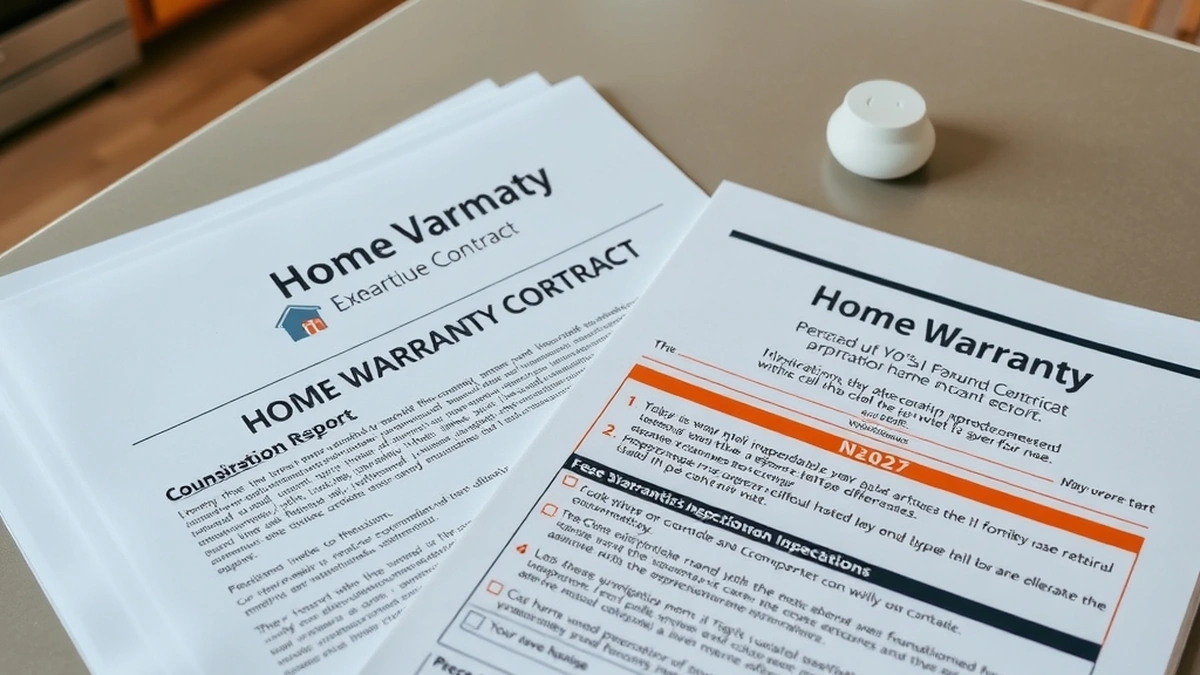
- Active warranties that transfer to a new owner
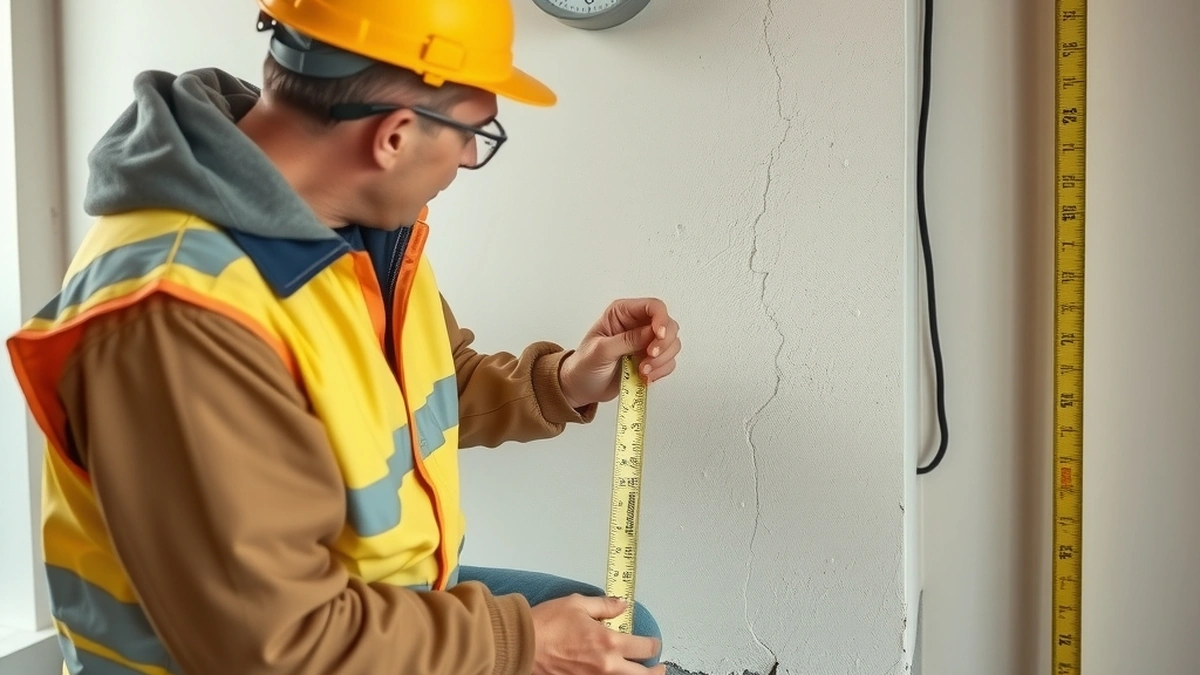
Cosmetic cracks narrower than 1/16 inch are often treated as normal shrinkage and may not require detailed disclosure, but active cracks wider than 1/8 inch, or wall movement approaching the 2-inch limit some engineers use as a review threshold, should be documented and disclosed. If you paid for an engineer inspection, typically $400–$1,500, attach or summarize the report so buyers can see the measured crack width and displacement rather than guessing.
How Repairs Affect Price and Negotiation
Foundation repair does not automatically depress sale price, but undisclosed repair does create risk. Buyers often adjust offers based on perceived structural uncertainty. A documented repair with a transferable lifetime pier warranty can stabilize buyer confidence. If the warranty is not transferable, or if the transfer fee runs $100–$500, disclose that early so it does not become a closing surprise.
For context, average foundation repair costs roughly $4,000–$15,000, while major structural work can reach $20,000–$40,000. Full foundation replacement ranges from $40,000–$150,000. If your repair fell in the lower range and included a warranty, the impact on marketability is usually modest. If the home needed major repairs or partial replacement, expect buyers to request price concessions or repair escrows unless the work is recent and fully documented.
Documentation Buyers and Lenders Expect
Before listing, assemble a repair file that includes:
- The contractor’s invoice and scope of work
- Pier count and type (push or helical)
- Depth to bearing soil or bedrock
- Engineer inspection report, if obtained
- Permit records, where required; permit timelines vary by city and county but typically take 1–3 weeks
- Warranty certificate and transfer instructions
Lenders may require a structural inspection if the appraisal notes foundation concerns. An inspection lead time of 1–2 weeks is typical, so ordering it early prevents closing delays. If you used alternative methods such as mudjacking at roughly $3–$8 per square foot or polyurethane foam at roughly $5–$15 per square foot, note the treatment area and date. These methods carry shorter expected service lives, often 5–15 years for mudjacking, which buyers may weigh differently than a pier system.
Interior Wall and Slab Repairs
Not all foundation work involves piers. Bowed basement walls may be stabilized with carbon fiber straps at roughly $400–$1,200 each or wall anchors at roughly $500–$1,500 each. If wall movement was under the 2-inch threshold and the wall was stabilized rather than replaced, disclose the method and date. Slab lifting or leveling typically runs roughly $3–$12 per square foot depending on the technique and access.
Crawl space encapsulation costs roughly $3–$8 per square foot, or roughly $4,000–$15,000 per job, and is often disclosed alongside foundation moisture history. Even if encapsulation is not a structural repair, buyers often treat it as relevant to foundation health because it affects humidity and wood condition beneath the home.
Repair vs. Replacement Thresholds
Engineers sometimes evaluate whether repair is viable or replacement is warranted. A common rule of thumb used in structural assessments is that replacement may be considered when damage affects roughly one-third of the structural system, though this varies by foundation type and damage pattern. Replacement costs $40,000–$150,000, so if your home approached that threshold but was repaired instead, buyers deserve to know the scope and the reasoning behind the repair decision.
Restoration of finish work after structural repair typically amounts to roughly 10–25 percent of the structural repair cost. If you spent $10,000 on piers, expect another $1,000–$2,500 for drywall, flooring, or trim repairs caused by the movement or the installation process. Listing those numbers shows buyers the problem was fully addressed, not partially patched.
Timing and the Sales Process
Disclose before the buyer makes an offer, not during the inspection period. Early disclosure reduces the chance of a buyer walking away after an inspection reveals work you did not mention. It also supports a smoother appraisal, since appraisers may note repaired foundations in their comments and compare the home to similar properties with stable structural histories.
If you are unsure whether a past repair qualifies as material, err on the side of disclosure. A short note stating that piers were installed in 2022 with a transferable warranty is better than omitting it and facing a nondisclosure claim later. Your real estate agent or a real estate attorney can confirm your state’s specific form language and any required disclosures for foundation-related insurance claims.
Internal References for Repair Costs
For sellers estimating what past work cost or what future buyers might expect, these Foundation Repair Lab guides provide method-specific pricing:
- Foundation repair cost
- Pier and beam foundation repair cost
- Foundation crack repair cost
- Mudjacking cost
- Helical pier cost
- Push pier cost
- Carbon fiber foundation repair cost
- Wall anchor cost
Disclosing foundation repair is a matter of transparency, not a reason to panic. Measured documentation—crack width, pier count, depth to bearing, warranty status, and total cost—gives buyers the facts they need and protects sellers from post-sale disputes. If the repair was done correctly and documented well, it should support the sale rather than block it.
Frequently asked questions
Do I have to disclose foundation repair?
Yes. Most state disclosure forms require sellers to report known foundation problems and repairs, even if the work was completed years ago.
What happens if I do not disclose?
You can be sued for nondisclosure or misrepresentation after closing if the buyer discovers a repaired or ongoing foundation issue you knew about.
Does a repaired foundation lower home value?
It can, but a documented repair with a transferable warranty often reassures buyers more than an unrepaired crack with unknown movement.
How long does a pier warranty last?
Many pier warranties are described as lifetime and transferable, though transfer fees typically run $100–$500.
Should I get an engineer inspection before listing?
An engineer inspection costs $400–$1,500 and gives buyers a neutral baseline, which can reduce price negotiations and delays.
Can cosmetic cracks be skipped on disclosure?
Hairline cracks under 1/16 inch are often considered cosmetic, but active or widening cracks should be disclosed with repair details.
Sources
Some links are affiliate links.If you buy through them we may earn a commission at no extra cost to you. We do not accept payment for rankings. Read the full disclosure.