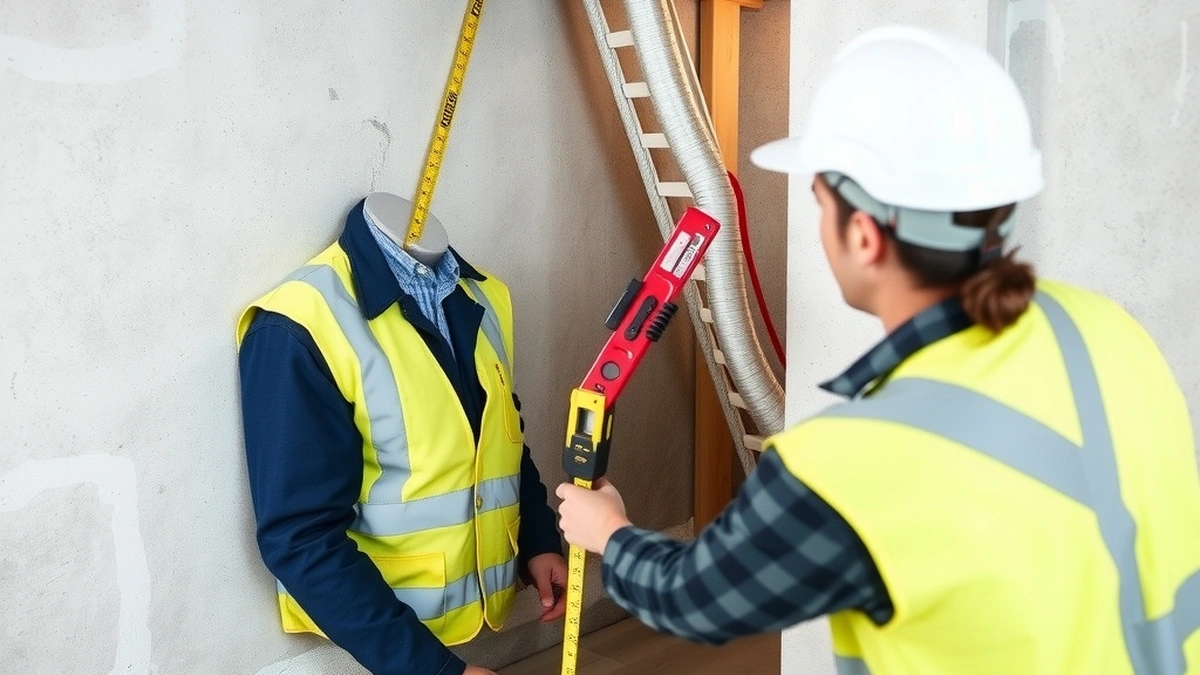
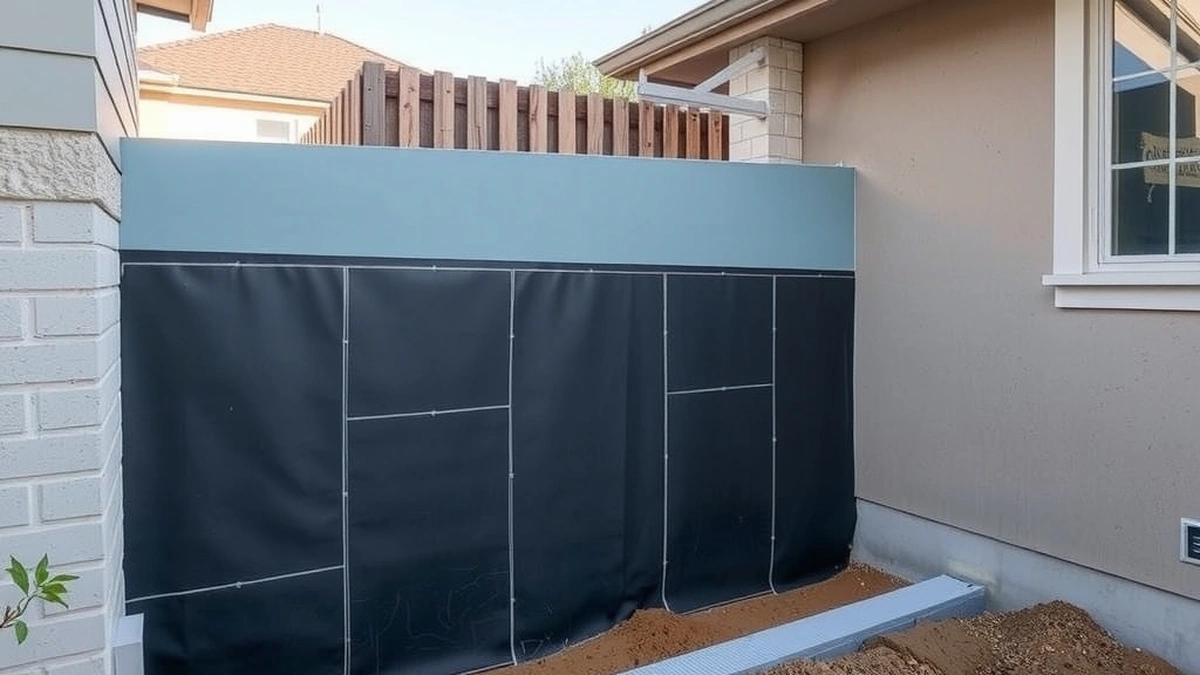
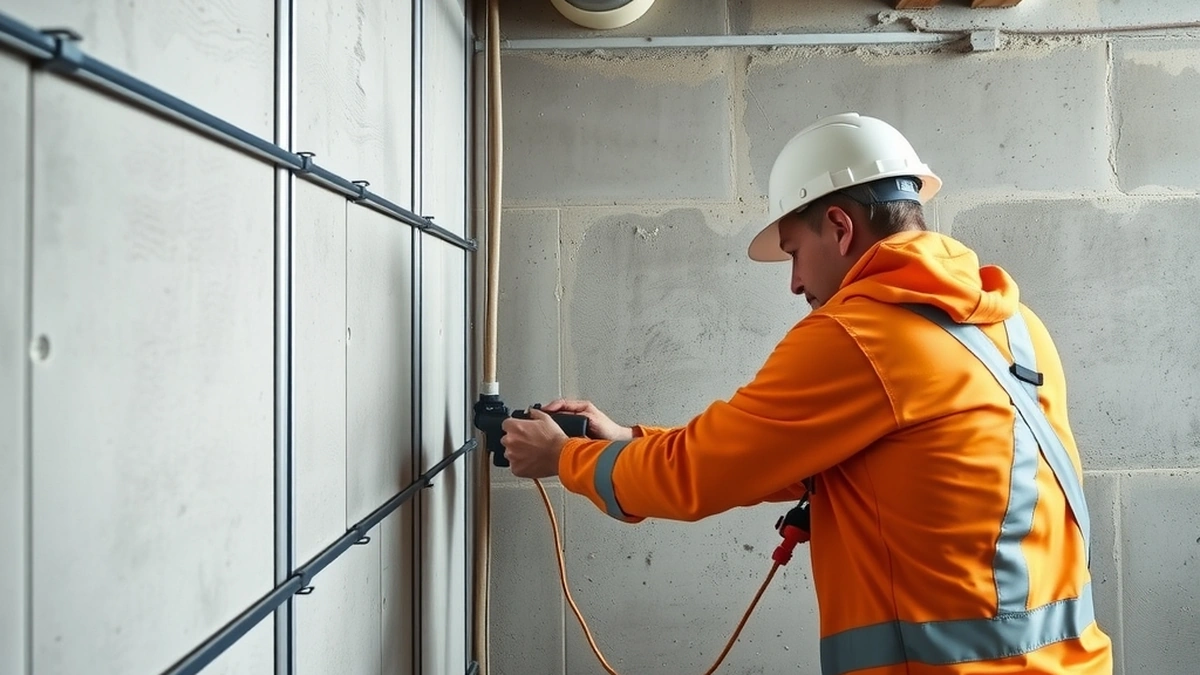
Foundation Repair Cost by State: 2026 Price Guide
Compare foundation repair costs across states, including pier types, slab lifting, and inspection fees. Measure first, price second.
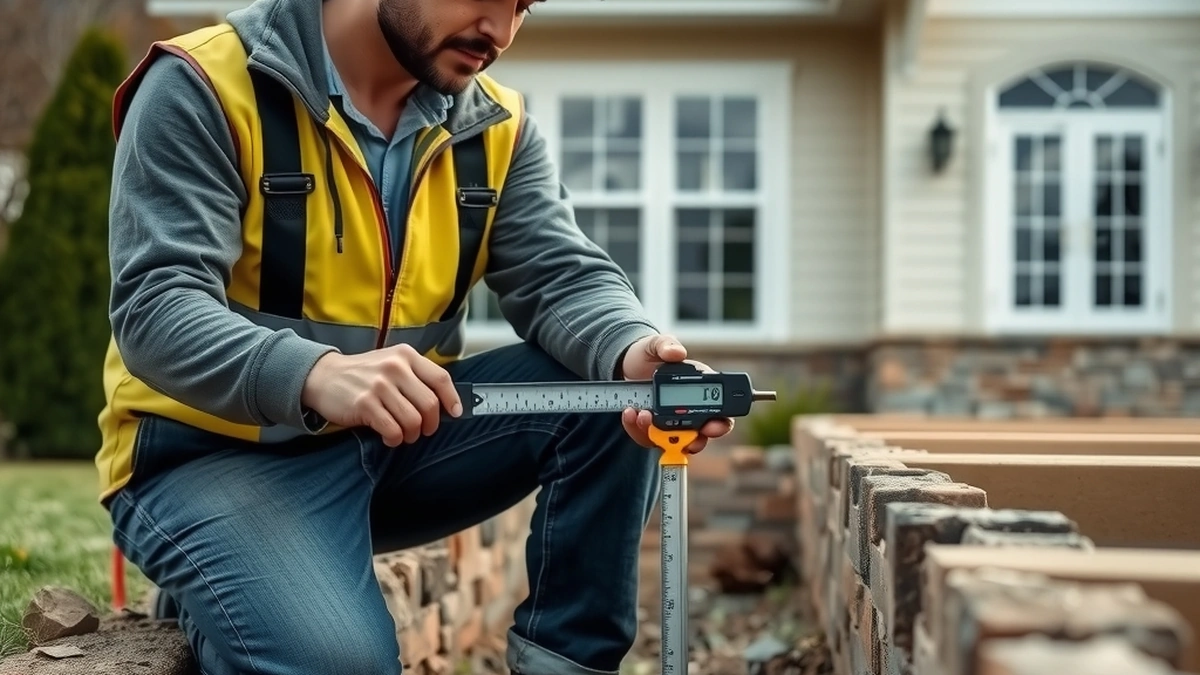
Most homeowners pay $4,000 to $15,000 for foundation repair, with state labor rates and soil conditions shifting the final total by 10–25%.
- National average repair
- $4,000–$15,000
- Major structural repair
- $20,000–$40,000
- Push pier (each)
- $1,000–$3,000
- Helical pier (each)
- $700–$2,500
- Engineer inspection
- $400–$1,500
Some links on this page are affiliate links.If you buy through them we may earn a commission at no extra cost to you. We do not accept payment for rankings. Read the full disclosure.
Foundation repair costs vary by state, but not as wildly as some estimates suggest. Most homeowners pay $4,000 to $15,000 for a standard repair, with regional labor rates and soil conditions moving the final number by roughly 10–25%. Major structural work lands between $20,000 and $40,000, while full replacement can reach $40,000–$150,000.
State differences matter less than the repair method and the number of piers required. A job in a high-cost state may use fewer piers because of stronger bearing soil, while a lower-cost state may need more piers at closer spacing. Start with a structural inspection ($400–$1,500), measure crack width and wall movement, then price the method.
How State Location Affects Price
Labor rates, permit fees, and local soil conditions drive most of the state-to-state variation. Coastal regions with expansive clay or high water tables often require deeper piers or corrosion-resistant materials, which increases pier count and depth to bearing. States with stable bedrock near the surface may need fewer piers, lowering the total even when hourly labor is expensive.
Permit timing also varies by city and county, typically 1–3 weeks, and inspection lead time is usually 1–2 weeks. These are scheduling factors, not price factors, but they affect when work can begin. Restoration work is generally 10–25% of structural repair cost, meaning cosmetic crack repair after stabilization is a smaller line item than the piers themselves.
Typical Repair Costs by Method
These are national estimates. Apply your state’s labor adjustment after selecting the method.
| Repair Method | Unit | Estimated Cost |
|---|---|---|
| Push pier | each | $1,000–$3,000 |
| Helical pier | each | $700–$2,500 |
| Full pier job | per project | $6,000–$30,000 |
| Mudjacking | per sq ft | $3–$8 |
| Polyurethane foam | per sq ft | $5–$15 |
| Slab lifting | per sq ft | $3–$12 |
| Carbon fiber strap | each | $400–$1,200 |
| Wall anchor | each | $500–$1,500 |
| Crawl space encapsulation | per sq ft | $3–$8 |
| Crawl space encapsulation job | per project | $4,000–$15,000 |
A typical pier job uses multiple piers spaced along the affected wall. If a contractor specifies eight push piers at $2,000 each, the pier material and installation subtotal is $16,000. Add engineering ($400–$1,500) and permits, and the project likely falls inside the $6,000–$30,000 pier job range.
Crack Width and Measurement First
Before comparing state prices, measure the damage. Cracks under 1/16 inch are usually cosmetic. Cracks at 1/8 inch or wider enter a watch category and warrant monitoring. Wall movement beyond 2 inches often indicates that repair may no longer be sufficient, and replacement becomes a consideration when roughly one-third of the wall has failed.
These measurements determine pier count and depth to bearing, which are the real cost drivers. A home in a low-cost state with severe movement can cost more than a home in a high-cost state with minor settlement.
State Cost Adjustments: Examples
No public dataset provides exact foundation repair pricing by state, so the following adjustments are estimates applied to the national average of $4,000–$15,000.
- High-cost states (e.g., California, New York, Massachusetts): Add 15–25% for labor and permitting. A $10,000 national average job might reach $11,500–$12,500.
- Mid-cost states (e.g., Texas, Florida, Illinois): Stay near the national average, within ±10%.
- Lower-cost states (e.g., Ohio, Indiana, Kentucky): Subtract 10–15%. A $10,000 job might land at $8,500–$9,000.
Soil conditions can override these adjustments. Expansive clay in Texas or seismic retrofitting requirements in California may push a job toward the major repair range of $20,000–$40,000 regardless of the state’s baseline labor rate.
Inspection and Permits
Schedule a structural engineer inspection before signing a contract. Fees run $400–$1,500, and lead time is typically 1–2 weeks. The inspection report should specify crack width, displacement, pier count, depth to bearing, and recommended method. Use that document to compare quotes from multiple contractors.
Permit requirements vary by city and county and typically take 1–3 weeks to approve. Some jurisdictions require engineer-stamped plans for pier installation, especially in flood zones or seismic areas. Ask whether permit fees are included in the contractor’s quote or billed separately.
Warranty and Long-Term Value
Pier warranties are typically lifetime and transferable. Transfer fees range from $100–$500 if you sell the home. Mudjacking carries a shorter life expectancy of 5–15 years, which matters if you are comparing lifting methods for a slab foundation. Polyurethane foam and slab lifting cost $3–$15 per square foot depending on the material and access conditions.
If a wall has failed beyond repair—roughly one-third of the structure—replacement at $40,000–$150,000 may be more honest than repeated patching. Restoration after structural repair is typically 10–25% of the structural cost and includes crack filling, paint, and finish work.
Getting an Accurate Quote
- Measure crack width and wall movement.
- Order an engineer inspection ($400–$1,500).
- Request quotes based on pier count and depth to bearing, not a flat “foundation repair” price.
- Confirm whether permits and engineering are included.
- Compare the warranty terms and transfer fee.
State location shifts the estimate, but the repair scope sets the price. Start with measurements, choose the method, then apply your state’s labor adjustment.
For more detail on overall pricing, see our foundation repair cost guide. If you have a pier and beam home, review pier and beam foundation repair cost. For crack-specific pricing, see foundation crack repair cost. Slab lifting options are covered in mudjacking cost, and pier-specific breakdowns are available at helical pier cost and push pier cost. Wall stabilization options are detailed in carbon fiber foundation repair cost and wall anchor cost.
Frequently asked questions
Does foundation repair cost vary by state?
Yes. Labor rates, permit fees, soil types, and local demand shift estimates by roughly 10–25% from the national average.
What is the average foundation repair cost?
Most foundation repairs fall between $4,000 and $15,000, while major structural work can reach $20,000–$40,000.
How much does one pier cost?
Push piers run $1,000–$3,000 each and helical piers run $700–$2,500 each, not including engineering or permits.
Do I need a structural engineer before repair?
An inspection typically costs $400–$1,500 and helps determine pier count, depth to bearing, and repair method.
Are pier warranties transferable?
Pier warranties are typically lifetime and transferable, though transfer fees range from $100–$500.
How long do permits take?
Permit timing varies by city and county, typically 1–3 weeks, and inspection lead time is usually 1–2 weeks.
Sources
Some links are affiliate links.If you buy through them we may earn a commission at no extra cost to you. We do not accept payment for rankings. Read the full disclosure.